


Key Takeaways

User Profile
Hello Heart Hero. Starting a new medication like amitriptyline can bring up a lot of questions, and maybe even a bit of nervousness. That's completely normal, and getting clear answers is the first step toward feeling in control of your health.
Amitriptyline comes with a range of possible side effects, from more common issues like dry mouth and drowsiness to serious concerns involving your heart.
Your Guide to Understanding Amitriptyline Side Effects
We built this guide to be a clear, reassuring resource. We know you’re looking for honest, straightforward information, perhaps because the standard answers you've found just aren't cutting it. That's exactly what you'll find here, explained in a way that makes sense.
Together, we’ll walk through the side effects of amitriptyline, explaining not just what they are, but why they happen. The goal is to give you the knowledge you need to manage your well-being and have more productive conversations with your doctor.

What to Expect From This Guide
We'll cover everything from the everyday effects you might encounter to the more serious warnings you should be aware of, especially those related to your heart. You'll learn what's happening inside your body and get practical steps you can take to feel your best.
Think of this as your space for clear answers and support. We want to help you navigate your treatment with greater peace of mind, armed with the information you need to be your own best advocate.
This guide will break down:
- Common, everyday effects and simple ways you can manage them.
- Serious cardiac warnings and what specific symptoms to watch for.
- How you can use technology, like at-home ECGs, to keep an eye on your heart.
- Practical tips for sharing your findings with your clinician.
You're already taking an active role in your health, and that's something to be proud of. Let's start this journey together, so you can move forward with confidence and clarity.
The Common Side Effects You Might Experience First
Starting a new medication like amitriptyline often comes with a bit of an adjustment period. It’s a lot like breaking in a new pair of shoes; it can feel a little different at first until your body gets comfortable. You might notice a few changes as your system gets used to the medication, and that's perfectly normal.
Many of the most common amitriptyline side effects stem from its “anticholinergic” action. It’s a fancy term, but the concept is simple: the medication can slow down some of your body’s automatic functions. Think of it as turning down a dimmer switch on things like saliva production or digestion. These effects are usually most pronounced right when you begin treatment.

The goal here is to help you feel prepared, not surprised. We'll walk through these common experiences and give you some simple, practical tips to manage them.
Dry Mouth, Drowsiness, and Dizziness
By far, the most frequent complaint is a stubbornly dry mouth. This is a direct result of that anticholinergic effect dialing down saliva flow. While it can be annoying, it’s also a very classic amitriptyline side effect.
Drowsiness is another big one. Amitriptyline is known for its sedative qualities, which is why it’s usually taken at night. You might feel sleepy or a bit groggy, especially in the morning, as your body gets used to the dose. Dizziness can also pop up, particularly when you stand up too quickly, because the medication can affect your blood pressure.
Research shows just how common this is. For every three people treated with amitriptyline, one will likely experience an anticholinergic side effect, with dry mouth leading the pack. You can discover more insights about these findings from a comprehensive analysis of multiple studies.
Feeling these things can be unsettling, but just knowing they’re expected often makes them feel more manageable. For most people, these initial effects fade quite a bit over the first few weeks.
Practical Tips for Managing Early Side Effects
You don’t just have to ride it out. There are some simple, effective ways to handle these discomforts while your body adjusts.
- For Dry Mouth: Keep a water bottle with you and sip on it throughout the day. Chewing sugar-free gum or sucking on sugar-free hard candies can really help get saliva flowing again. You can also find over-the-counter oral rinses or sprays specifically made for dry mouth.
- For Drowsiness: Taking your dose a few hours before you plan to go to sleep can help you sleep through the peak sedative effect, so you feel less groggy in the morning. Be cautious with activities like driving until you have a good sense of how the medication affects you.
- For Dizziness: Get into the habit of getting up slowly from a sitting or lying position. Give your body a moment to catch up before you start walking. Staying well-hydrated also helps keep your blood pressure stable.
Constipation and Potential Weight Gain
That same "slowing down" mechanism can also affect your digestive system, sometimes leading to constipation. It’s a common problem that usually responds well to a few lifestyle tweaks. Upping your fiber intake from foods like fruits, vegetables, and whole grains can make a big difference. Of course, drinking plenty of water and getting regular physical activity also helps keep things moving along.
Some people also notice a change in their appetite or weight. This is often tied to amitriptyline’s antihistamine properties, which can make you feel hungrier than usual. It doesn’t happen to everyone, but it’s good to be aware that it’s a possibility. Paying attention to your food choices and staying active can help you manage this potential side effect. Remember, these experiences are common, and you have plenty of options to address them.
Serious Side Effects and Heart Health Warnings
While most side effects are just part of the adjustment period, it's smart to be aware of the more serious possibilities. This isn't meant to scare you, but to empower you with knowledge. Knowing what to look for helps you act fast if something doesn't feel right.
Amitriptyline can have an impact on your heart's electrical system. This is why your doctor will be extra cautious, especially if you already have a heart condition. Understanding these risks is a huge part of being an active partner in your own healthcare.
Your Heart's Electrical Symphony
Think of your heart's electrical signals like a perfectly timed orchestra, with each beat playing out in perfect rhythm. Amitriptyline can sometimes act like a rogue musician, throwing the tempo off and causing a beat to be played too fast, too slow, or completely out of sync.
This can lead to a few specific issues you might feel:
- Tachycardia: This is just a fancy word for a heart rate that's faster than normal when you're at rest. It might feel like your heart is racing or pounding away in your chest.
- Arrhythmia: This is an irregular heartbeat. It can feel like a flutter, a skipped beat, or a noticeable "thump" in your chest, often what people call palpitations.
- Conduction Changes: The drug can slow down the electrical signals as they move through the heart. This isn't something you'd feel, but it's something a doctor would see on an electrocardiogram (ECG).
These effects are more likely to pop up at higher doses. In fact, any dose over 5 mg/kg of body weight is considered toxic, and at that level, heart symptoms become a major concern. Serious and less common side effects of amitriptyline can pose significant dangers, including arrhythmias, sinus tachycardia, and even stroke in certain high-risk individuals. You can read more about these cardiac risks from the Mayo Clinic.
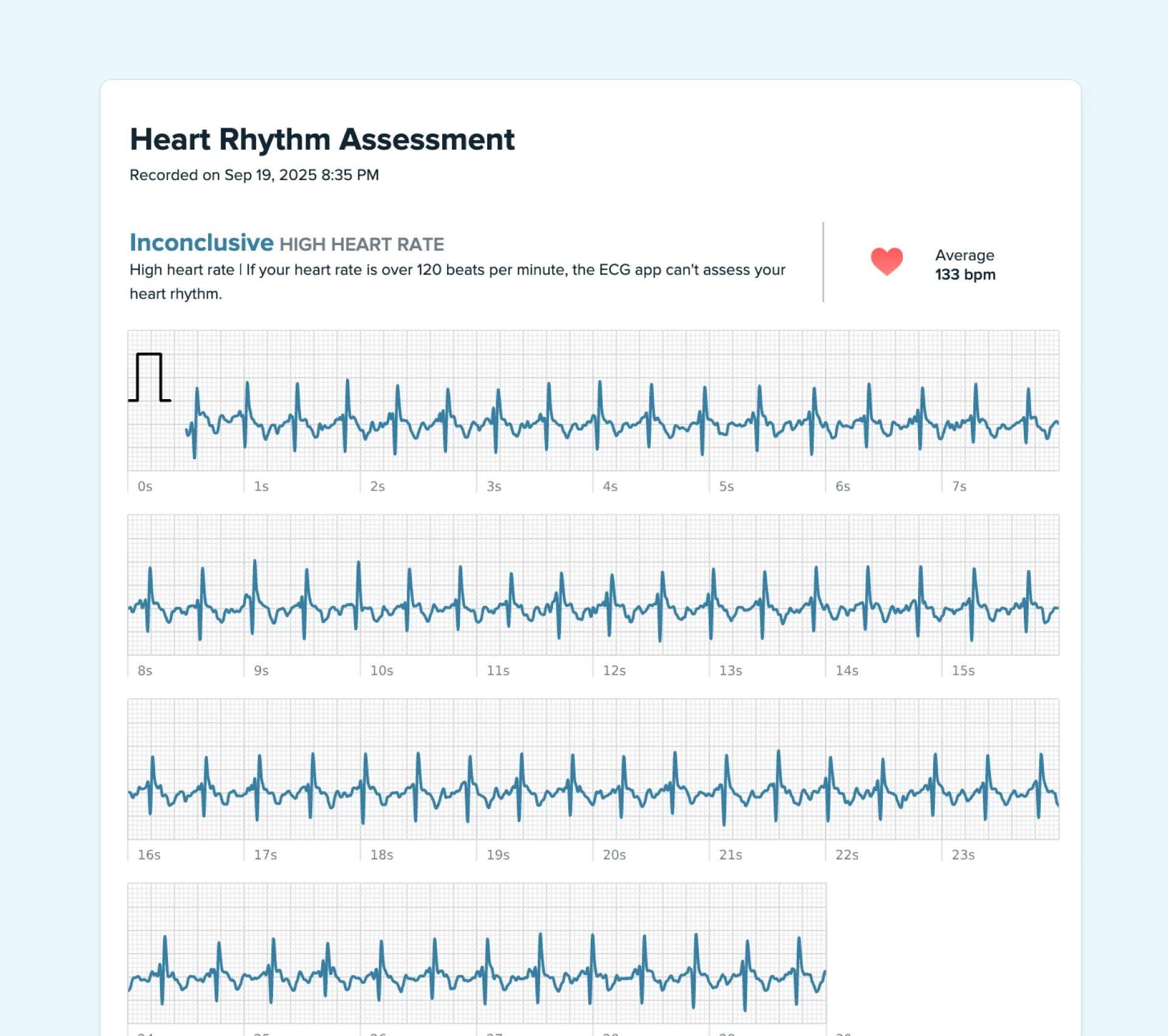
Understanding the QTc Interval
One of the most critical things doctors watch for is the QTc interval. It’s a specific measurement on an ECG that shows how long it takes for your heart's main pumping chambers (the ventricles) to "recharge" between beats.
Amitriptyline can sometimes make this recharging phase take longer than it should, a condition known as QTc prolongation.
When the QTc interval gets too long, it raises the risk of a very serious, and thankfully, very rare, type of arrhythmia. This is why monitoring for this specific change is so important, especially when you first start taking the medication or when your dose is adjusted.
Many common medicines can actually affect this interval. If you're interested in learning more, check out our guide on other drugs that cause prolonged QT interval.
Other Serious Warnings to Know
Beyond heart health, there are a few other rare but serious side effects to keep on your radar. Knowing the signs is key to staying safe. If you experience any of the following, contact your doctor immediately or seek emergency medical help.
Sudden Mood or Behavioral Changes:
Pay close attention to any abrupt shifts in your mood or how you're acting. This could be new or worsening depression, thoughts of self-harm, severe anxiety, panic attacks, or extreme irritability. It's especially important to watch for this during the first few weeks of treatment or right after a dose change.
Neurological and Vision Problems:
Be alert for signs like severe confusion, disorientation, hallucinations (seeing or hearing things that aren't there), or seizures. You should also watch for sudden vision changes like blurred vision, tunnel vision, or eye pain, as this could signal a serious problem.
Signs of a Severe Allergic Reaction:
An allergic reaction needs immediate medical attention. The warning signs are pretty clear and should never be ignored.
- A skin rash, hives, or severe itching
- Swelling of your face, lips, tongue, or throat
- Difficulty breathing or swallowing
Knowing these warning signs lets you be vigilant without being anxious. It's all about recognizing what needs immediate attention so you can manage your health confidently and talk effectively with your doctor. Your awareness is your best defense.
How to Monitor Your Heart Health at Home
Taking charge of your health has never been easier, thanks to some incredible personal technology. If you're taking amitriptyline, especially given its potential to affect the heart, you have powerful tools right at your wrist to stay in the loop. This isn't about playing doctor; it's about gathering better information so you and your real doctor can have more meaningful conversations.
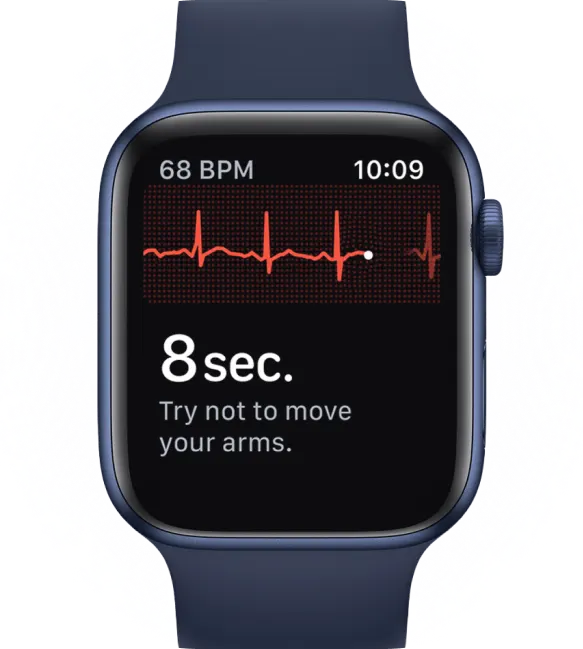
Using a personal, at-home ECG device, like the one on your smartwatch, can be truly empowering. It lets you capture a snapshot of your heart's electrical activity the moment you feel a symptom. This data can turn a vague concern like, "my heart felt funny," into something concrete you can show your healthcare provider.
What to Look for on Your At-Home ECG
When you take an ECG at home, you’re getting a quick look into your heart's rhythm and electrical timing. You don't need to be an expert to get useful data. The goal is just to spot patterns and capture specific moments to discuss with a professional.
Here are a few key things you can keep an eye on:
- Heart Rate: Is your heart beating unusually fast (tachycardia) or slow (bradycardia) when you're just resting? Noting the actual number is way more helpful than just saying it "felt fast."
- Heart Rhythm: Does the rhythm look steady and regular, or does it seem chaotic and all over the place? An irregular rhythm could be a sign of an arrhythmia.
- Palpitations: This is where at-home ECGs really shine. If you feel a flutter, a skipped beat, or a "thump" in your chest, try to capture an ECG right then and there.
For a deeper dive into what you can do from the comfort of your home, check out our guide on how to check heart health at home. It’s packed with more practical steps for proactive monitoring.
Demystifying Key ECG Terms
If you start looking at your ECG reports, you might run into terms like "QTc interval," especially when talking about amitriptyline. Let's break that down simply.
Think of your heart’s main pumping chambers (the ventricles) as needing to "recharge" after each beat, just like a camera flash before the next picture. The QTc interval is just a measurement of that recharging time. Amitriptyline can sometimes make this recharging period a bit too long.
Having a tool like the Qaly app can be a game-changer here. It analyzes your smartwatch ECG and gives you your PR, QRS, and QTc interval measurements in minutes, taking the guesswork out of it. This lets you track these numbers over time to see if there are any meaningful changes.
Getting a Clear and Useful Reading
To make sure the data you're collecting is as helpful as possible, a little consistency goes a long way. Taking a good ECG reading at home is pretty straightforward.
- Be Still and Relaxed: Find a quiet spot and sit down. Rest your arms on a table or another flat surface to keep muscle movements from making the ECG look "noisy."
- Follow Device Instructions: Every device is a little different. Whether you're using an Apple Watch, Kardia, or another wearable, make sure you're following its specific instructions for finger placement and how long to record.
- Take Readings Consistently: It's a good idea to take a reading around the same time each day to get a baseline. Most importantly, capture a reading anytime you feel a symptom.
- Add Notes: Most apps let you add notes or tags to your ECGs. Use this! Log what you were feeling (dizzy, palpitations, etc.) and what you were doing at the time.
Remember, this is all about observation, not diagnosis. You're collecting clues that, when you share them with a medical professional, help complete the puzzle of your health. It makes sure you and your doctor are always on the same page.
How to Talk to Your Doctor About Side Effects
Walking into your doctor's office for an open, honest conversation is the single most important thing you can do to manage your health. We get it, though; it can feel intimidating, especially if you're worried your concerns might not be taken seriously. This guide will help you prepare for that talk so you feel confident, heard, and ready to be an active partner in your own treatment.
The goal here is to shift from a vague sense of "feeling off" to presenting clear, specific information. This simple change helps your doctor understand exactly what's happening, turning you into a vital collaborator in your own care.


Prepare for Your Appointment
Showing up to your appointment with organized thoughts and data can make a world of difference. Instead of trying to remember how you felt weeks ago, you can paint a clear picture of what you're experiencing with amitriptyline side effects. The best way to do this is by keeping a simple side effect journal.
You don't need a fancy setup; a small notebook or the notes app on your phone will do just fine. For a week or two before your visit, just jot down a few key details anytime you notice something.
Keeping a brief log of your symptoms gives your doctor objective data to work with. It transforms "I've been feeling weird" into "I felt dizzy three times last week, usually about an hour after my evening dose."
This small act of preparation ensures you won't forget crucial details, helping you communicate your experience with precision and confidence.
What to Track in Your Journal
To make your journal as useful as possible, try to log the same few pieces of information with each entry. This consistency helps build a clear pattern that you and your doctor can analyze together.
Focus on these four points:
- What is the side effect? Be specific. Instead of just "heart issue," try "fast, pounding heartbeat" or a "fluttering feeling in my chest."
- When does it happen? Note the time of day. Is it right after taking your pill? Or maybe when you do something specific, like standing up too quickly?
- How severe is it? Use a simple 1-to-10 scale. A 1 is barely noticeable, while a 10 is severe and completely disruptive to your day.
- How does it impact your day? Did that dizzy spell make you feel unsafe to drive? Did palpitations wake you up in the middle of the night? This context is incredibly important.
Sharing Your At-Home ECG Data
If you've been using a wearable device to monitor your heart, this is where your data really shines. Vague descriptions of weird heart feelings can be tough for a doctor to act on, but an ECG strip is a concrete piece of evidence.
When you capture a reading right when you feel palpitations or dizziness, you're creating a direct link between what you felt and what your heart's electricity was doing. You can show your clinician the specific ECG from that moment, pointing out the exact heart rate and rhythm that was recorded.
Using an app like Qaly makes this process even smoother. It can analyze your smartwatch ECG and give you clear measurements for your PR, QRS, and QTc intervals. This lets you show your doctor not just the ECG strip itself, but also how these specific numbers might be changing over time, giving them a much richer set of data to work with. This is especially useful for tracking potential changes linked to amitriptyline.
Sample Phrases to Start the Conversation
Sometimes, the hardest part is just getting the words out. Having a few opening lines ready can help break the ice and set a collaborative tone for the appointment.
Here are a few ways to begin:
- "I’ve been tracking some side effects since starting amitriptyline, and I'd like to quickly go over my notes with you."
- "I've been feeling some palpitations, and I actually managed to capture an ECG on my watch when it happened. Could we take a look at it together?"
- "The drowsiness has been making my mornings really tough. I was hoping we could talk about some options to manage this."
For more ideas on how to feel fully prepared, take a look at our list of helpful questions to ask your cardiologist to make sure all your bases are covered. Remember, you are the expert on your own body. Your input is essential, and coming prepared ensures your voice is heard loud and clear.
Understanding Who Has a Higher Risk of Side Effects
Have you ever wondered why one person can take a medication like amitriptyline without a single issue, while someone else gets hit with a handful of side effects? It's a great question, and the answer really comes down to our individual differences. Your unique body chemistry, your health history, and even other medications or supplements you take all play a part.
Figuring out these risk factors isn't about scaring anyone. It’s about arming yourself with knowledge. When you can give your doctor a complete and honest picture of your health, you both can make the safest and most effective decisions for your treatment, together.
Age and Body Sensitivity
As we get older, the way our bodies handle medications changes. The liver and kidneys, our body's natural filtration system, can become a little less efficient over time.
This slowdown means a drug like amitriptyline can stick around in an older adult's system for longer. That can lead to higher concentrations of the medication in the blood, which in turn bumps up the risk for side effects like dizziness, confusion, or even falls. This is exactly why doctors often start with a very low dose for older adults and adjust it slowly and carefully.
Pre-Existing Health Conditions
Your overall health profile is a massive piece of the puzzle. Certain health conditions can make you more vulnerable to amitriptyline's adverse effects, which is why a thorough medical history is so critical for your safety.
Be sure to talk to your doctor about any of these key conditions:
- Heart Problems: If you have a history of arrhythmias, heart disease, or even a strong family history of heart issues, this is a must-tell. Amitriptyline can directly impact the heart's electrical signaling, so careful monitoring is non-negotiable.
- Liver Issues: Since the liver does the heavy lifting of breaking down amitriptyline, any liver impairment means the drug can build up to potentially unsafe levels.
- Glaucoma: This medication can increase the pressure inside the eye, a serious concern for anyone with certain types of glaucoma.
Research shows that side effects are pretty common. One study found that 52% of patients taking amitriptyline reported adverse effects, compared to just 27% on a placebo. The most frequent complaints were dry mouth, dizziness, nausea, and constipation. You can learn more about these research findings from StatPearls.
Knowing your personal health risks is a key step in taking charge of your care. To get a better handle on your own heart health, you can learn more about calculating your risk score for cardiovascular disease in our detailed guide.
Drug and Substance Interactions
What you take with amitriptyline is just as important as your medical history. It can interact with a surprising number of other substances, sometimes amplifying its effects in ways you wouldn't expect. And this isn't just about other prescriptions.
Make sure your doctor knows about everything you take, including:
- Other prescription drugs, especially other antidepressants, mood stabilizers, or heart rhythm medications.
- Over-the-counter medicines, like common cold remedies or sleep aids.
- Herbal supplements, such as St. John's wort.
- Alcohol, which can significantly ramp up the sedative effects and the risk of dizziness.
By understanding your personal risk factors, you're setting yourself up for a much more productive conversation with your doctor. It empowers you to be a true partner in creating a treatment plan that fits your individual needs, ensuring it's as safe as it is effective.
Frequently Asked Questions About Amitriptyline
We get it, you probably still have some questions swirling around. Getting clear, direct answers is a huge part of feeling confident and secure in your treatment plan. Here are some of the most common questions we hear about amitriptyline, answered with your peace of mind as the top priority.
How Long Do Amitriptyline Side Effects Last?
Many of the most common side effects, like drowsiness or a dry mouth, tend to hit hardest right when you start the medication. The good news? For most people, these initial feelings fade significantly or disappear completely within a few weeks as their body gets used to it.
However, some effects, like potential weight gain or constipation, might be more persistent. It's really important to keep an open line of communication with your doctor if any side effects are bothering you or just not getting better over time.
Can I Stop Taking Amitriptyline if the Side Effects Are Too Bad?
This is a critical point: you should never stop taking amitriptyline suddenly on your own. Quitting cold turkey can trigger some pretty unpleasant withdrawal symptoms, like headaches, nausea, and dizziness, as your body scrambles to adjust to the sudden change.
The only safe way to stop is to partner with your doctor. They'll walk you through a gradual dose reduction, a process called "tapering," which allows your body to adjust slowly and keeps withdrawal effects to a minimum.
Always, always talk to your healthcare provider before making any changes to how you take your medication. Your safety is number one, and they're there to make sure any transition is handled the right way.
Does the Dose of Amitriptyline Affect Side Effects?
Yes, absolutely. The dose you're on has a direct impact on both the chances of having side effects and how intense they feel. As a general rule, higher doses of amitriptyline are linked to more noticeable side effects.
This is exactly why doctors almost always start patients on a very low dose and increase it slowly over weeks or even months. This careful, methodical approach gives your body time to acclimate. It also helps find that sweet spot, the lowest possible dose that still provides the therapeutic benefits you need, striking the best possible balance for your well-being.

If you're using a wearable ECG to keep an eye on your heart, get expert interpretations of your readings from Qaly.



.png)
.png)