


Key Takeaways

User Profile
Hello Heart Hero.
If you've found your way here, you're probably dealing with a confusing and frustrating mix of symptoms. Things like a suddenly racing heart, strange bouts of dizziness, unexplained skin flushing, or digestive issues can be really unsettling. It's even harder when you've been trying to get clear answers but keep hitting dead ends. We understand how isolating that can feel.
This guide is here to walk you through a condition called mast cell activation syndrome, or MCAS. It's an often-overlooked possibility that might just be the missing piece of your health puzzle.
Understanding Your Body's Signals

Feeling dismissed by doctors is an experience far too many people share. You describe a storm of symptoms that seem totally unrelated, only to be told everything is "normal," or maybe that it's "just anxiety." It's a journey that can leave you feeling alone and even doubting your own body.
Please know that you are not imagining this. Your experiences are real and valid, and many others are trying to connect the exact same dots. Think of this guide as a trusted friend, here to acknowledge your struggle and offer information that can empower you.
What Are Mast Cells?
Imagine mast cells as your body’s frontline security guards. They're a type of immune cell found all over your body, especially in places that interact with the outside world, like your skin, your gut, and your airways. You'll also find them packed in right next to your blood vessels and nerves.
Their main job is to spot real threats, like an injury or infection, and immediately sound the alarm. When they're triggered, they release a rush of powerful chemicals to protect you and start the healing process. In a healthy system, this works perfectly.
But what happens when these security guards get a little jumpy? In mast cell activation syndrome (MCAS), these cells overreact, firing off their chemical signals in response to everyday, non-threatening triggers.
This overreaction is what causes such a mind-boggling range of symptoms, affecting nearly any part of your body. One minute it might be hives and itching; the next, it could be a racing heart, brain fog, or sudden digestive upset. These episodes are often why people like you start searching for answers outside of the usual medical advice.
For many, the heart symptoms are the most frightening. If this is happening to you, it can be helpful to understand what heart palpitations can feel like to make sense of the sensations.
Our goal here is to explore the idea that these seemingly random symptoms might all stem from one common source. Getting a handle on the "why" is the first step toward feeling more in control and having more productive conversations with healthcare providers.
What Is Mast Cell Activation Syndrome
If you're dealing with a bizarre and unpredictable collection of symptoms, you're probably just trying to figure out what’s happening inside your body. Getting a handle on the "why" is the first real step toward feeling in control again. So, let's talk about mast cell activation syndrome (MCAS) in simple, clear terms.
Think of your mast cells as the elite security guards of your body. These are ancient, powerful immune cells found everywhere, in your skin, your gut, your airways, and right next to your nerves and blood vessels. Normally, they do their job perfectly, spotting real threats like an injury or bacteria and sounding a precise, helpful alarm.
But in mast cell activation syndrome, these guards get jumpy and hyper-responsive. They start seeing everyday things as massive threats, things like stress, certain foods, a shift in temperature, or even a strong perfume. And when they hit the panic button, they unleash a flood of powerful chemical messengers throughout your body.
It’s this chemical flood that’s behind the widespread, seemingly random symptoms that can turn your life upside down.
The Overzealous Security Guards
Here's a way to think about it: a normal security guard sees a small fire and pulls the fire alarm. That's an appropriate response.
An MCAS guard, on the other hand, sees someone light a birthday candle and not only pulls the alarm but also sets off the sprinklers, locks down the building, and calls in a SWAT team.
It’s a massive overreaction to something minor. This is the very heart of mast cell activation syndrome. Your mast cells aren't just releasing one chemical; they're capable of dumping over 1,000 different potent mediators into your system.
The core problem in MCAS usually isn't that you have too many mast cells. The issue is that the ones you have are misfiring, releasing the wrong chemical signals at the wrong time and in the wrong amounts. This creates chaos instead of help.
This "chaos" can show up anywhere in the body, which is exactly why MCAS symptoms are so varied and often so confusing.
Skin: You might experience hives, itching, flushing, or random swelling.
Gut: This can look like abdominal pain, cramps, diarrhea, or nausea.
Heart: You might feel a racing heart (tachycardia), heart palpitations, or sudden drops in blood pressure.
Brain: This can manifest as brain fog, intense headaches, or dizziness.
Because these symptoms are all over the map, it’s easy to see why they're so often misdiagnosed as separate issues like anxiety or irritable bowel syndrome.
Why Does This Happen?
So, why would your mast cells suddenly go rogue? Research is pointing to small genetic changes that happen within the mast cells themselves. These aren't usually mutations you inherit, but rather changes that pop up in a small fraction of your mast cells over your lifetime.
These mutations essentially put your mast cells on a hair-trigger. They become far more likely to activate and release their chemical cocktail in response to things that shouldn't be a problem. And since these mutations can differ from person to person, and affect mast cells in different parts of the body, no two cases of MCAS look exactly the same.
This explains why your main symptom might be heart palpitations while someone else's is chronic hives. It all depends on where your most reactive mast cells are hanging out and what specific triggers are setting them off. To better understand the complexities of Mast Cell Activation Syndrome, accessing reliable patient education resources is crucial.
Knowing this can be incredibly empowering. It validates that your wide-ranging symptoms aren't just "in your head"; they have a real, biological explanation. You're not imagining it. You're living with a legitimate medical condition that needs a specific, targeted approach to manage.
How MCAS Affects Your Heart and Vascular System
When your heart suddenly starts racing or you feel dizzy just from standing up, it’s completely natural to feel alarmed. For many people with mast cell activation syndrome, these cardiovascular symptoms are often the most frightening part of the experience. But it’s not just in your head; it’s a very real, physical response caused by those overzealous mast cells creating chaos in your heart and blood vessels.
So, how does this actually happen? Think of your mast cells as tiny guards that have become a bit too jumpy. When they get triggered, they release a flood of chemical messengers, like histamine. These chemicals can cause your blood vessels to dilate, or widen, very suddenly. This rapid expansion leads to a quick drop in blood pressure, which is why you might feel lightheaded, faint, or dizzy.
Your body, of course, senses this drop in blood pressure and immediately kicks into emergency mode. It signals your heart to start beating faster to pump more blood and bring your blood pressure back up. This protective reaction is what you feel as a racing heart, or tachycardia, and heart palpitations. It’s your body’s way of trying to manage the chaos the mast cells created.
The Overlap With POTS
If that feeling of a racing heart and dizziness hits you hardest right when you stand up, you may have also heard of a condition called Postural Orthostatic Tachycardia Syndrome (POTS). It’s incredibly common for people with MCAS to also have POTS, and understanding how they’re connected can be a huge source of clarity.
POTS is a type of dysautonomia, which is a fancy way of saying your autonomic nervous system, the system that controls automatic body functions like heart rate and blood pressure, isn't working quite right. In POTS, when you stand up, blood tends to pool in your lower body. To make up for this and keep blood flowing to your brain, your heart rate spikes dramatically.
So, where does MCAS come into play?
Researchers have found a major link between these two conditions. The very same mast cell mediators that cause blood vessels to widen and blood pressure to drop in MCAS can directly trigger the blood pooling and autonomic issues seen in POTS. In fact, some studies suggest that more than one-third of people with POTS also meet the diagnostic criteria for mast cell activation syndrome.
This connection is actually great news because it points to a clear path forward. If overactive mast cells are a key driver behind your POTS symptoms, then getting your MCAS under control could lead to huge improvements in your POTS. It offers a single, unified approach to what might feel like two separate and overwhelming problems.
Common Cardiovascular Symptoms in MCAS
The effect of those mast cell mediators on your cardiovascular system can show up in a few different ways. Being able to recognize them can help you connect the dots between what you’re feeling and a possible mast cell reaction.
Here are some of the most common cardiovascular symptoms in MCAS:
- Tachycardia: A heart rate that’s consistently or episodically fast, often jumping over 100 beats per minute, sometimes even when you're resting.
- Heart Palpitations: A distinct feeling that your heart is fluttering, skipping beats, or pounding hard in your chest.
- Blood Pressure Swings: Unpredictable and sometimes dramatic shifts between high blood pressure (hypertension) and low blood pressure (hypotension).
- Chest Pain: Some people experience chest pain that isn’t related to a heart attack. It's often caused by inflammation or vascular changes from the mast cell mediators.
- Syncope or Presyncope: The feeling that you're about to faint (presyncope) or actually fainting (syncope), usually because of a sudden drop in blood pressure.
If you’re trying to make sense of the confusing world of tachycardia, our guide on POTS and tachycardia can give you more specific details. Understanding these symptoms helps validate that what you're experiencing is real and has a biological cause, giving you and your doctor a clear target for management.


How Doctors Diagnose Mast Cell Activation Syndrome
If you've been on a long, winding road trying to get answers for your health, you know just how frustrating the diagnostic journey can be. It often feels like you're collecting a new diagnosis for every symptom, like irritable bowel syndrome, anxiety, or chronic headaches, when deep down, you have a nagging feeling that it’s all connected. Pinning down a diagnosis for mast cell activation syndrome (MCAS) is notoriously tricky, but understanding how doctors approach it can empower you to have much more effective conversations with your healthcare team.
Trying to get help when you're already feeling awful is tough enough. It's even harder when you feel like you're constantly having to justify that your symptoms are real. We get it, and we know how draining that is. The goal here is to give you a clear map of the diagnostic process so you can feel more prepared and in control.
The Three Pillars of an MCAS Diagnosis
To officially diagnose MCAS, doctors need to see three key pieces of evidence line up perfectly. Think of it like building a case; you need all three pillars in place for it to stand firm.
First, you need to have typical symptoms across multiple body systems. This is the story you’ve been living and trying to explain. It involves having repeated, systemic symptoms that pop up in at least two different parts of your body, like skin (hives, flushing), gut (cramps, diarrhea), heart (racing pulse, dizziness), and brain (brain fog, headaches).
Second, there must be evidence of elevated mast cell mediators. This is the objective proof. During a flare-up, blood or urine tests need to show a significant spike in specific chemicals that mast cells release. The most commonly tested chemical, or "mediator," is tryptase.
Third, there should be a positive response to medication. The final pillar is seeing if your symptoms actually get better when you take medications that either block mast cell chemicals (like antihistamines) or stop them from being released (like mast cell stabilizers).
Let’s break down what each of these really means in practice.
Pillar 1: Your Symptom Story
The first step is all about documenting your experience. Because MCAS symptoms can be so varied and unpredictable, keeping a detailed symptom journal is absolutely essential. This isn't just about jotting down "headache." It's about connecting the dots.
When you have a flare, try to capture everything. What were you doing right before it started? What did you eat or drink? Were you feeling stressed, tired, or exposed to any strong smells or temperatures? What exactly did it feel like? Be specific. "My heart pounded for 10 minutes and my face felt hot," is a lot more powerful than just, "I felt bad."
This journal becomes your most important tool. It helps turn what feels like a confusing mess of symptoms into a clear pattern that a doctor can start to recognize.
Pillar 2: The Challenge of Testing
This is often the biggest hurdle in getting a diagnosis. The main chemical, or mediator, that doctors test for is serum tryptase. For the test to be considered positive for MCAS, it has to show a very specific increase while you're having symptoms.
The official criteria state that your tryptase level has to rise by at least 20% plus 2 ng/mL from your personal baseline. So, if your normal, non-flare tryptase is 5 ng/mL, it would need to jump to at least 8 ng/mL during a flare to count. The formula is (Baseline Tryptase x 1.2) + 2.
This is where timing is everything. The blood sample must be drawn within 1 to 4 hours from the start of your symptoms, because tryptase levels can drop back to normal pretty quickly. This often means a trip to an urgent care clinic or an emergency room, ideally with a doctor's order for the test already in hand. It’s a huge logistical headache, but it’s critical for getting that objective evidence.
Pillar 3: Finding Relief with Treatment
The last piece of the puzzle is seeing whether your symptoms improve with the right treatment. A doctor might have you try a course of high-dose antihistamines (both H1 and H2 blockers) or other medications designed to target mast cells. If your chronic symptoms or acute flares get significantly better, it adds strong support to the MCAS diagnosis.
Becoming a proactive partner in your own diagnosis is vital. Arming yourself with a detailed symptom log and understanding the specific requirements for testing can make a massive difference. For symptoms like heart palpitations, being able to capture your heart's rhythm at home with tools like a cardiac Holter monitor can also give your doctor valuable data. At the end of the day, you are the expert on your body, and your input is the most important part of this whole process.
Using Wearable ECGs to Monitor Your Heart
When you're living with the unpredictable heart symptoms of cell mast activation syndrome, waiting weeks for a doctor's appointment can feel like an eternity. The palpitations, racing heart, and dizziness often strike without warning and vanish by the time you get to a clinic. It’s a frustrating cycle that can leave you feeling unheard.
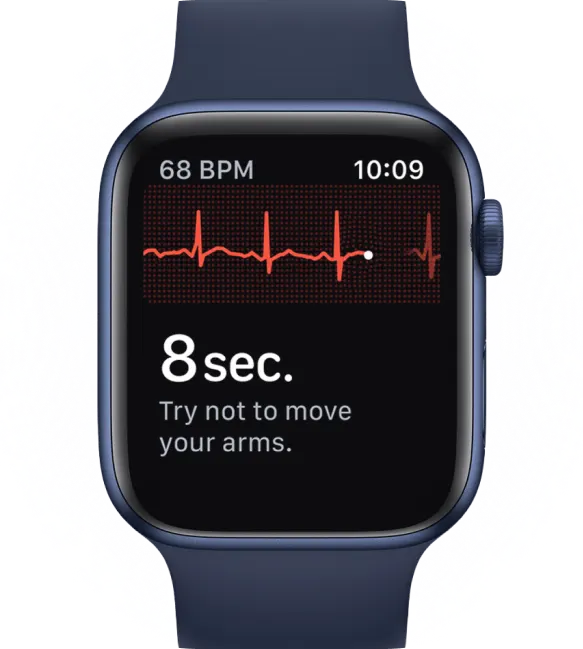
But you can take back some control. A powerful tool is now available right on your wrist. Wearable ECG devices, like an Apple Watch, Fitbit, or Kardia, let you capture your heart’s electrical activity the moment a symptom starts.
This real-time data is a game-changer. Instead of just describing a fleeting feeling to your doctor, you can show up with a library of ECGs that document exactly what was happening in your heart during a flare-up. This objective data validates your experience.
Turning Data Into Actionable Insight
So you’ve captured an ECG during a dizzy spell. Now what? A squiggly line on a screen isn't very useful on its own and can sometimes create more anxiety than it resolves. This is where you can bridge the gap between having data and actually understanding it.
Services like Qaly were designed for this exact problem. You can send your ECG recording directly from your watch and have a certified cardiographic technician analyze it within minutes, any time of day. This provides two huge benefits. First, you get peace of mind from a quick, human-reviewed analysis that can ease the anxiety of the unknown. Second, you receive actionable reports that you can save and share directly with your doctor.
This process transforms a confusing ECG strip into clear, understandable information. It moves you from being a passive patient to an active, informed partner in your own healthcare.
When you have proof of what's happening, your conversations with your doctor can change dramatically.
Making Your Doctor's Visit More Effective
Imagine your next appointment. Instead of just saying, "I have palpitations," you walk in with a folder of professionally reviewed ECGs, all time-stamped to match your symptom log. You can show your doctor dated reports of specific arrhythmias, like PVCs or SVT, complete with expert analysis.
Qaly's technicians are trained to identify over 30 different arrhythmias and provide crucial interval measurements like the PR, QRS, and QTc. This is precisely the level of detail cardiologists and other specialists need to see.
For anyone navigating the complexities of cell mast activation syndrome, this is huge. It helps your doctor see the full picture, connects your symptoms to real cardiac events, and can speed up the process of getting an accurate diagnosis and treatment plan.
If you’re curious to learn more, you might find our cardiologist's guide to the smartwatch ECG helpful, as it explains these devices in greater detail. By taking this proactive step, you’re not just monitoring your heart; you’re building a solid case for your own well-being, one ECG at a time.
Answering Your Questions About MCAS
When you're dealing with something as complex as mast cell activation syndrome (MCAS), it's natural to have a ton of questions. Trying to find clear answers while feeling sick and navigating a sometimes-frustrating healthcare system can feel overwhelming. We get it. Let’s walk through some of the most common questions to give you the clarity and reassurance you need.
Can Mast Cell Activation Syndrome Be Cured?
This is often the first thing people ask, and the honest answer is there's no single "cure" for MCAS right now. It's best understood as a chronic condition, meaning the goal isn't to eliminate it entirely, but to manage it effectively for the long haul.
Think of it less like an infection you knock out with a round of antibiotics and more like managing asthma or diabetes. The aim is to stabilize your overactive mast cells and get your symptoms under control so you can get back to living a full, active life.
This is usually done with a multi-part strategy that’s customized just for you.
First, you become your own detective. A big part of managing MCAS is identifying and avoiding your personal triggers. You’ll learn to pinpoint the specific foods, chemicals, stressors, or even temperature changes that set off your mast cells.
Second, you'll use a medication toolkit. This often involves a combination of antihistamines (both H1 and H2 blockers) and mast cell stabilizers. These medications work by either blocking the inflammatory chemicals your mast cells release or by preventing them from releasing their contents in the first place.
Third, you'll make smart lifestyle choices. Simple adjustments to your daily routine, like finding effective ways to manage stress or modifying your diet, can significantly lower the overall inflammatory burden on your body.
With the right management plan, many people find they can get their symptoms under control and drastically improve their quality of life. It’s a journey of discovering what works best for your unique body.
Is MCAS a Real Disease?
Yes, MCAS is absolutely a real medical condition. However, its formal recognition by the medical world is still pretty recent. People have been living with these symptoms for a very long time, but what's new is that doctors finally have a name for it and a framework to diagnose it, something that's only really come about in the last two decades.
For years, patients with the classic, multi-system symptoms of MCAS were often told their problems were something else. They were frequently misdiagnosed with conditions like anxiety, fibromyalgia, or irritable bowel syndrome (IBS).
This is a key point: The issue was never that the condition didn't exist; it was that the medical community didn't have the tools to recognize it. The official recognition of mast cell activation syndrome is a huge step forward, finally validating the lived experiences of countless people who were told their symptoms were "all in their head."
Because it's a newer diagnosis, many doctors are still getting up to speed. This is why being an informed and persistent advocate for your own health is so important.
How Can I Monitor My Heart Symptoms at Home?
The heart palpitations and racing pulse that can come with an MCAS flare are notoriously tricky. They're often brief and unpredictable, which makes them incredibly difficult to catch on an ECG in a doctor's office. This is where you can step in and take an active role. Using a personal ECG device like an Apple Watch or Kardia lets you record your heart's rhythm the exact moment you feel something is off.
But just having a recording is only half the solution. This is where a service like Qaly becomes such a powerful tool, bridging the gap between simply collecting data and actually understanding what it means.
When you feel palpitations, you can take an ECG and immediately send it to Qaly for analysis. In just a few minutes, a certified cardiac technician reviews your recording and sends back a clear, human-interpreted report. This gives you two crucial things: immediate peace of mind and hard data. Instead of trying to describe a fleeting sensation to your doctor, you can show them dated, professionally analyzed ECG reports that prove what you’re feeling is real. This objective evidence can be a game-changer in getting the right diagnosis and treatment.

Are you ready to turn confusing heart symptoms into clear, actionable insights? Qaly provides expert analysis of your wearable ECGs in minutes.



.png)
.png)