





Key Takeaways

User Profile
Hello, heart hero.
If just standing up feels like you've started running a marathon, or if dizziness has become your unwelcome daily companion, you've come to the right place. We're going to talk about something called POTS tachycardia, or Postural Orthostatic Tachycardia Syndrome. It's a condition where your heart rate shoots up simply from moving from a lying or sitting position to standing. This guide is a gentle, straightforward introduction to what that really means.
Welcome to Your POTS Resource

We'll explore what's happening inside your body during a POTS episode. Hopefully, we can reassure you that even though the symptoms can be completely disruptive, you are not alone on this journey.
We get it. The frustration of dealing with symptoms that nobody else can see is immense. You might even feel a bit jaded with a healthcare system that can sometimes be slow to connect the dots. Think of this as your trusted resource, designed to arm you with the knowledge you need.
Understanding the Basics of POTS
Our goal here is simple: to help you understand your body better so you can take confident, informed steps toward feeling well again. Let's break down what POTS is. It's not an issue with the structure of your heart, but rather with how your autonomic nervous system is behaving.
Think of this system as your body's "autopilot." It controls all the things you don't have to consciously think about, like:
- Heart rate
- Blood pressure
- Breathing
- Digestion
With POTS, this autopilot system struggles to adjust to gravity when you stand up. Your blood vessels don't tighten up as they should, which causes blood to start pooling in your lower body. To make up for this and get enough blood back up to your brain, your heart starts beating much, much faster. That's the tachycardia in POTS.
This rapid heart rate is your body’s attempt to fix a blood flow problem, not a sign that your heart itself is weak or failing. Understanding this distinction is a crucial first step toward managing the condition.
This guide will walk you through the common feelings, what the diagnostic process looks like, and practical ways you can start managing your symptoms. Just by being here and seeking answers, you're already taking a powerful step. Your experiences are valid, and there is a path forward.
What Does POTS Tachycardia Actually Feel Like?

Living with POTS tachycardia is an experience that’s often deeply misunderstood by others. It's so much more than just a racing heart.
The official definition talks about a heart rate jump of more than 30 beats per minute when you stand up, but that number doesn’t even begin to scratch the surface of the disorienting and exhausting daily reality.
Think of your body's energy like the battery on your phone. For most people, simple things like standing up or walking to the kitchen might use a tiny sliver of power. But for someone with POTS, that same action can feel like it drains half your battery in an instant, leaving you depleted and struggling for the rest of the day.
This is why the fatigue that comes with POTS is so profound. It’s a bone-deep exhaustion that sleep just can’t fix, turning even the smallest chores into monumental efforts.
The Invisible Symptoms That Define POTS
Beyond the racing heart and crushing fatigue, a whole spectrum of symptoms can make you feel disconnected from your own body. These often feel completely random at first, until you realize they’re all connected to your autonomic nervous system’s constant battle against gravity.
Many people with POTS tachycardia also experience:
- Brain Fog: This isn't just forgetfulness; it feels like trying to think through a thick, heavy fog. Finding the right word, remembering a simple task, or staying focused in a conversation can feel next to impossible.
- Lightheadedness and Dizziness: That persistent feeling of being unsteady or on the verge of fainting can make you feel unsafe just standing still.
- Headaches and Nausea: Chronic, pressure-like headaches can become constant companions, along with waves of nausea that make eating a real challenge.
The most frustrating part of POTS is that you can look perfectly fine on the outside while feeling like your internal systems are in complete chaos. Your experience is real and valid, even if others can't see it.
More Than Just a Fast Heartbeat
You might also feel your heart pounding, fluttering, or skipping beats. These sensations, known as heart palpitations, can be really unsettling.
This collection of symptoms can make normal activities like exercise feel completely out of reach. What’s a gentle walk for someone else can trigger a cascade of symptoms for you, from a racing pulse to intense dizziness.
It's crucial to remember that POTS affects everyone differently. Validating your own unique set of symptoms is one of the most powerful things you can do on your path to managing your health. You aren't just "tired" or "out of shape," your body is working incredibly hard just to get through the day.


How Doctors Diagnose POTS Tachycardia
Getting a clear diagnosis for POTS tachycardia can feel like a long, winding road, especially when your most difficult symptoms are invisible. It’s a frustrating journey for many, but understanding the diagnostic process can make you an empowered, active partner in your own healthcare.
Think of the diagnostic process like putting together a puzzle. Your doctor’s first job is to rule out other conditions that might be causing your symptoms. They'll often run tests to check for things that can mimic POTS, like dehydration, anemia, or thyroid problems, to make sure those puzzle pieces don't fit.
The Key Diagnostic Tests
Once other conditions are ruled out, doctors turn to specific tests to see exactly how your heart rate responds to changes in posture. These tests are designed to replicate the very moments that trigger your symptoms, but in a controlled, clinical setting.
One of the main diagnostic tools is the Tilt Table Test. If that name sounds a little intimidating, let's demystify it. You'll lie flat on a table that is slowly tilted upright while your heart rate and blood pressure are continuously monitored. The goal is simple: to see if the act of being upright triggers that signature spike in your heart rate.
A simpler, more common alternative is the active stand test, which can be done right in your doctor’s office. You’ll lie down for a few minutes to get a baseline reading, then stand up while your heart rate and blood pressure are measured at specific intervals. It’s a less involved but still highly effective way to capture the data needed for a diagnosis.
For a POTS diagnosis, doctors are looking for a very specific pattern: a sustained heart rate increase of 30 beats per minute (bpm) or more (or 40 bpm for adolescents) within 10 minutes of standing, all without a significant drop in blood pressure.
Ruling Out Other Heart Rhythm Issues
An important step in the process is making sure the tachycardia is truly postural and not caused by another underlying heart rhythm problem. Conditions like Paroxysmal Supraventricular Tachycardia (PSVT), a rapid heart rhythm disorder that affects about 1 in 300 people in the U.S., can sometimes muddy the waters.
Because PSVT episodes can happen unpredictably, tools for ongoing cardiac monitoring have become essential for telling these conditions apart. You can learn more about how different heart monitoring tools work in our detailed guide.
Knowing what to expect and why these tests are necessary can make the diagnostic process feel much less overwhelming. Each step is designed to bring you closer to a clear answer and, ultimately, a plan to manage your symptoms and get your life back.
Using Your Wearable to Track POTS Symptoms
For a long time, trying to get a POTS diagnosis felt like trying to catch lightning in a bottle. Your symptoms are wildly unpredictable, flaring up when you least expect them and often disappearing by the time you can get to a doctor's office. This frustrating cycle can leave you feeling unheard and dismissed. But today, that wearable on your wrist can be your most powerful ally.
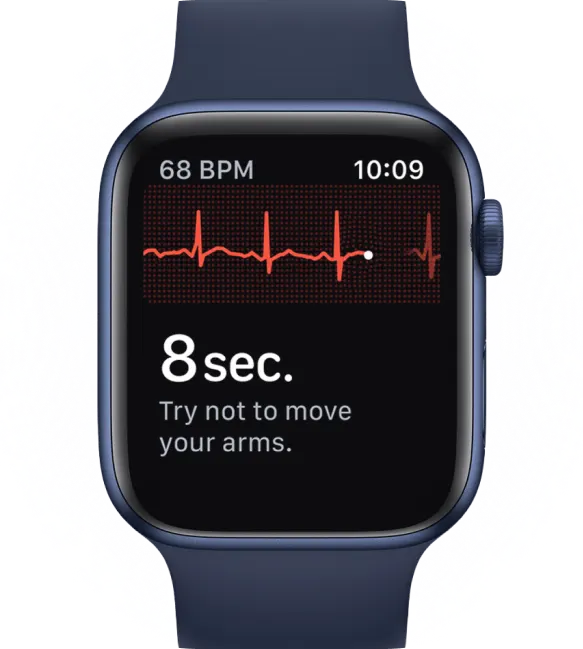
Your smartwatch is so much more than a step counter; it’s a personal health monitor that can capture the very evidence you need. It gives you the power to document what’s happening in your body at the exact moment you’re feeling your worst, creating a compelling health diary to share with your medical team.
Performing an Active Stand Test at Home
One of the most valuable things you can do is perform your own version of an active stand test. This simple procedure helps document the hallmark sign of POTS tachycardia, that dramatic heart rate jump, in a clear, measurable way.
Here’s how to do it safely and effectively:
- Lie Down and Relax: Find a comfortable spot to lie down flat for about 10 minutes. Let your body and your heart rate settle into a true resting state. Once the time is up, record your resting heart rate using your wearable.
- Stand Up Smoothly: Move from lying down to a standing position in one normal, smooth motion. Once you're up, try to stand still without too much fidgeting or walking around.
- Record Your Heart Rate: Continue to record your heart rate at specific intervals after you stand up. The most important points to check are at 2 minutes, 5 minutes, and 10 minutes.
- Log Your Symptoms: This part is critical. As you're taking these readings, make a note of exactly how you feel. Are you getting lightheaded? Is your heart pounding in your chest? Is that familiar brain fog rolling in? Connecting the hard data to your lived experience is what tells the full story.
This simple test provides the kind of data that fits directly into the official diagnostic journey for POTS tachycardia.

As the flowchart shows, doctors first have to rule out other conditions that could be causing your symptoms. Only then do they move on to stand tests or the more formal tilt table test to see if your body's response points to POTS. Your at-home data can help get them there faster.
Making Your Data Credible and Clear
Just showing your doctor a screenshot of a high heart rate isn’t always enough. They also need to be confident that another type of arrhythmia isn't the real cause of the tachycardia. This is where getting your wearable ECGs professionally reviewed can make a huge difference.
Services like Qaly have certified cardiac technicians who can analyze your ECG strips, often within minutes. They can help confirm if your rhythm is a normal sinus tachycardia (which is what we expect with POTS) or if another issue, like an atrial arrhythmia, might be at play.
Bringing your doctor professionally vetted data removes doubt and helps focus the conversation squarely on POTS. It transforms your personal tracking into credible medical evidence.
When you can present a log showing a heart rate jump of over 30 bpm upon standing, paired with a detailed symptom journal and an ECG review ruling out other arrhythmias, you are giving your doctor a clear, undeniable picture of your experience.
This proactive approach makes you a key partner in your own diagnosis. It's also helpful to track other metrics your wearable provides. For more insight, you can explore what heart rate variability is and what it might say about your nervous system's health. Taking charge of your data is a huge step toward getting the answers and the care you deserve.
Practical Lifestyle Changes That Make a Difference
While there's no single cure for POTS tachycardia, making certain lifestyle changes can dramatically improve your quality of life. This section is all about actionable advice you can start using today to feel more in control.
Living with POTS can often feel like a constant battle against your own body, but simple, consistent habits can become your most powerful allies. These strategies are the cornerstones of POTS management. Understanding the "why" behind each one can empower you to stick with them, so let's explore the tools that can help you reclaim your energy and stability.
Boosting Your Body's Resources
Think of your circulatory system as a plumbing network. With POTS, the "water pressure" is a bit low, making it hard to get blood where it needs to go, especially to your brain, when you stand up. Two of the most effective ways to increase that pressure are through fluid and salt.
- Hydration is Key: Aiming for 2-3 liters of water throughout the day helps increase your overall blood volume. More blood in your system makes it easier for your body to manage the shift when you stand, reducing that dramatic heart rate spike.
- Embrace More Salt: Increasing your sodium intake to 3,000-10,000 mg per day (with your doctor's approval, of course) helps your body hold onto the water you drink. This one-two punch is essential for maintaining adequate blood volume.
Physical Support and Gentle Movement
Beyond what you put into your body, how you physically support it plays a huge role. Simple adjustments can offer significant relief from the constant pull of gravity that triggers your POTS tachycardia symptoms.
Compression stockings or abdominal binders are incredibly helpful. They apply gentle, steady pressure to your legs and core, which helps prevent blood from pooling in your lower body and pushes it back up to your heart and brain more efficiently.
Gentle, recumbent exercises like rowing, swimming, or using a recumbent bike are excellent for building cardiovascular strength without making your symptoms worse. The goal is progress, not perfection; start slow and listen to your body.
For some, an elevated heart rate is a sign of an underlying issue that needs careful management. While POTS tachycardia is distinct, other conditions like PSVT can also cause rapid heartbeats. In fact, research shows an overall hospitalization rate of 20 per 100,000 person-years for PSVT, highlighting the importance of managing any tachycardic condition.
Finally, managing the stress that often comes with a chronic condition is vital. On top of that, working on your overall cardiovascular health can be a game-changer. You might be interested in our guide on how to lower resting heart rate.
Navigating Medical Treatments and Finding Support
Sometimes, lifestyle changes alone just don’t cut it for managing POTS tachycardia, and that is completely okay. Deciding to get medical help isn't a setback; it's a sign that you’re taking charge of your health. When diet tweaks and gentle exercise aren't providing the relief you need, your doctor might start a conversation about medications as the next step.
This doesn't mean you've failed at self-management. It just means you’re bringing in more tools from the toolbox. Doctors often suggest medications like beta-blockers to help calm that racing heart rate, or drugs like fludrocortisone, which helps your body hold onto more fluid to increase blood volume. The main goal is to find what works for you and helps your autonomic nervous system handle the simple act of standing up without going into overdrive.
Finding Your Team and Your Tribe
Figuring out the right treatment is often a journey of trial and error. This is where having a solid support system becomes so important. It’s about way more than just medicine; it's about having people in your corner who really understand what you're going through.
Finding a doctor who listens, believes you, and validates your experience can change everything. You deserve a healthcare partner who sees the whole you, not just a checklist of symptoms. Just as crucial is connecting with other people who are on the same path. Online POTS support groups can be a fantastic source for practical tips, encouragement, and the simple comfort of knowing you aren't alone in this.
Building a support network is one of the most powerful things you can do. It's your personal team of advocates, cheerleaders, and friends who understand why some days a trip to the kitchen feels like a marathon.
It’s also interesting to see how conditions involving rapid heart rates can sometimes affect certain groups differently. For instance, research into Paroxysmal Supraventricular Tachycardia (PSVT) shows that women experience it at much higher rates than men, making up about 60% of cases in the United States. Discover more insights about these prevalence findings.
Learning to communicate your needs to family and friends is also a vital skill. Helping them understand your limits is a powerful act of self-care. Remember to be your own best advocate, patiently and persistently, until you find the combination of treatments and support that helps you move forward.
Common Questions About POTS Tachycardia
Trying to get your head around a condition like POTS can leave you with a lot of questions. Let's tackle some of the most common ones we hear.
Is POTS a lifelong condition?
For many, POTS is a chronic condition, but that doesn't mean your symptoms will always be severe. The reality for most people is that symptoms tend to come and go.
Many people find their condition gets a lot better over time with consistent management. Some people, especially adolescents who develop POTS, even see their symptoms disappear completely.
Can POTS be caused by an injury?
Yes, it's possible. We're seeing more research connecting traumatic brain injuries, like concussions, with the development of dysautonomia, the root issue in POTS.
Basically, the injury can scramble the autonomic nervous system's signals, messing with its ability to properly manage heart rate and blood pressure when you change positions.
Is POTS a psychological or anxiety disorder?
This is a big one: absolutely not. While living with any chronic illness can understandably cause anxiety, POTS is a physical, measurable condition rooted in the autonomic nervous system.
The symptoms you feel, like a racing heart, are real and can be seen on an ECG. They are not just "in your head."
A key takeaway here is that POTS is a medical disorder of your circulatory and nervous systems. While your emotional well-being is always important, the cause is physical, not psychological.
Can I exercise with POTS tachycardia?
Yes, you can, but the approach has to be careful and gradual. High-impact, upright exercises often make symptoms flare up.
Instead, experts usually recommend starting with exercises where you're lying down or seated. Think swimming, rowing, or using a recumbent bike. This lets you build up your cardiovascular strength without gravity triggering your symptoms.

Navigating your heart health journey can feel overwhelming, but you don't have to do it alone. Qaly provides expert, human-reviewed analysis of your wearable ECGs in minutes, giving you the clarity and peace of mind you deserve.



.png)
.png)