


Key Takeaways

User Profile
Hello Heart Hero.
A cardiac monitor Holter is a small, wearable device that records every single beat of your heart, usually for 24 to 48 hours. Think of it like a dedicated diary for your heart, capturing its rhythm while you go about your normal, everyday life.
Your Path to Understanding Your Heartbeat
If you're reading this because of heart flutters, palpitations, or just a nagging feeling that something isn’t quite right, you've come to the right place. It’s completely normal to feel unheard or even a bit lost in the healthcare system, especially when your symptoms seem to appear and disappear without any obvious reason.
We wrote this guide to be your trusted companion on this journey. We're here to walk you through a key tool your doctor might use to get to the bottom of these feelings: the cardiac monitor Holter. It’s a device specifically designed to catch those fleeting moments that a quick, in-office test might miss.
Why This Test Matters
The real power of a Holter monitor is its ability to see the whole picture. Instead of a brief snapshot from a standard ECG, it creates a detailed movie of your heart's activity over a full day or two. This is absolutely crucial for spotting problems that only show up now and then.
- It provides concrete evidence: The monitor transforms vague symptoms into clear, actionable data that your doctor can use.
- It offers peace of mind: Getting a definite answer, whether it confirms an issue or rules one out, can be a huge relief and significantly reduce anxiety.
- You're an active participant: By wearing the monitor and logging your symptoms, you become directly involved in figuring out what's going on with your health.
The goal is simple: to capture your heart's electrical activity during a typical day, giving your doctor the real-world information they need to understand your symptoms.
This straightforward, non-invasive device is a powerful step toward turning uncertainty into clarity. In this guide, we’ll break down what it is, why it's used, and how it can provide the answers you and your doctor need to move forward with confidence.
What Is a Cardiac Monitor Holter?

So, what exactly is this little device your doctor recommended? Let's break it down.
Imagine your heart is a musician playing a long, complex song. A standard ECG in a clinic is like catching just one or two notes. It’s useful, but what if the musician hits a wrong note when you’re not listening? It’s easy to miss something that only happens for a moment.
A cardiac monitor Holter, on the other hand, is like getting a full recording of the entire performance, often for a whole 24 or 48 hours. It's a small, portable device connected by wires to several sticky electrode patches placed on your chest. You wear it, and it becomes your quiet companion, listening in on your heart without interrupting your life.
As you go about your day, working, walking, even sleeping, the Holter monitor is on the job. It continuously records every single heartbeat, creating an uninterrupted electrical map of your heart's activity.
Your Personal Heart Detective
Think of the Holter monitor as a detective assigned to your case. Its sole mission is to gather clues about your heart's electrical patterns, minute by minute, around the clock. This is key for catching those sneaky symptoms, the ones that, funnily enough, never seem to show up during your doctor's appointment.
This non-stop recording is what gives the Holter its power. Unlike a quick snapshot, it sees how your heart behaves in the real world.
- During activity: It logs how your heart rate changes when you're walking, climbing stairs, or running errands.
- During rest: It keeps an eye on your heart's rhythm while you're sitting down or watching TV.
- During sleep: It captures crucial data about what your heart does when you're completely at rest, a time when certain arrhythmias love to make an appearance.
The core idea is simple: the monitor gathers a massive amount of data, giving your doctor a log of over 100,000 heartbeats from a typical 24-hour period to analyze.
This detailed logbook is incredibly valuable. It helps your doctor connect the dots between your symptoms, like dizziness or a fluttering feeling, and what your heart's rhythm was actually doing at that exact moment. For a deeper look at how this all fits together, check out our guide on what is cardiac monitoring.
Ultimately, this process delivers the clear, objective evidence needed to figure out the right next steps for your health, offering both answers and a clear path forward.
Why Your Doctor Recommended a Holter Monitor
Being told you need a Holter monitor can feel a little worrying, and that’s a completely normal reaction. But try to think of it as a positive and proactive step toward getting the answers you and your doctor are looking for. It’s less a sign that something is definitely wrong, and more like your doctor is calling in a specialist to help solve a puzzle.
This kind of test is usually recommended when symptoms are tricky to pin down. Maybe you’ve had unexplained dizziness, sudden fainting spells, or a racing heart that vanishes before you can even think about getting to a clinic. These fleeting, "now you see them, now you don't" symptoms are exactly what a cardiac monitor Holter is designed to catch in the act.
The Search for Clues
The main goal of wearing a Holter monitor is to gather clear, unbiased data about what your heart is doing during your normal routine. It has two equally important jobs: either to find the exact electrical cause of your symptoms or, just as importantly, to rule out any serious underlying issues.
Either outcome is a win. It moves you from a place of uncertainty to one with clear answers and a solid path forward. The device is especially good at identifying conditions like atrial fibrillation (AFib), which can be sporadic and easy to miss during a quick ECG in the doctor's office.
Your doctor is using the Holter monitor to create a detailed, 24/7 log of your heart's activity. This continuous recording ensures that even the most subtle or infrequent irregularity gets documented, giving a complete picture of what happens during your daily life.
By wearing it, you’re providing the real-world evidence needed to make an accurate diagnosis.
A Trusted Tool for Heart Health
There's a reason Holter monitors are a cornerstone of modern heart care. They remain essential for arrhythmia detection, holding a significant 23.8% share of the entire cardiac arrhythmia monitoring market.
Doctors continue to trust them because of their proven reliability in capturing elusive events like AFib, a condition that affects over 33 million people globally. For users of services like Qaly, this kind of comprehensive data is invaluable, offering the same level of deep insight that our human-reviewed reports provide. It's all about clear, actionable information you can share with your doctor. You can learn more about why these devices are so important from this market analysis on gminsights.com.
In some situations, the Holter monitor's findings might point toward a need for further investigation. For example, your doctor might recommend a genetic test like a Cardiomyopathies Gene Panel to see if an inherited heart condition could be influencing your heart rhythm.
Ultimately, the Holter monitor is a critical first step. It equips both you and your doctor with the solid information needed to make confident decisions about your heart health.
Navigating Daily Life with a Holter Monitor
So, your doctor has scheduled you for a Holter monitor. It's completely normal to have a bunch of questions about what to expect. Think of this section as your practical guide to the whole experience. We're here to put your mind at ease and make sure you feel totally prepared.
The fitting appointment itself is quick and painless. A technician will gently clean a few small spots on your chest and stick on several electrode patches. These patches connect via thin wires to the small Holter monitor device, which you can easily clip to your waistband or pop into a pouch. The entire setup usually takes less than 20 minutes.
Here's the most important part: the goal is to live your life as you normally would. The monitor’s whole job is to see how your heart acts during your typical daily routine. Whether you're climbing stairs, working at a desk, or feeling a bit stressed, your routine provides the exact data your doctor needs to see.
Tips for a Successful Test
To get the clearest possible recording, there are just a few simple things to keep in mind. You're an active partner in your own diagnosis, and these tips help the monitor do its job perfectly.
- What to Wear: Loose, comfortable clothing is your best friend for this. Two-piece outfits are great because they make it easy to manage the wires and the monitor without any fuss.
- How to Sleep: You might have to try a couple of positions to find what's comfortable. Lots of people find that sleeping on their back or side works best to keep from accidentally pulling off an electrode in the middle of the night.
- Keeping it Dry: This is the big one. The monitor and its electrodes have to stay completely dry, which means no showers, baths, or swimming. Sponge baths are the way to go for the day or two you're wearing the device.
A crucial part of the process is keeping a symptom diary. If you feel a palpitation, dizziness, or any other symptom, jot down the time and what you were doing. This diary helps your doctor directly link your feelings to the electrical activity recorded at that exact moment.
The Importance of Your Diary
Your symptom diary is a vital piece of the puzzle. It transforms the raw ECG data into a personal story of your heart health. Without your notes, the doctor just sees a bunch of electrical signals. But with them, they get the full picture of when and why those signals might be changing.
If you're interested in being more proactive about your heart health, you can also learn more about how to check heart health at home with other tools.
By following these simple guidelines, you're making sure the test gives your doctor the clearest, most accurate information possible. It's a way to turn a couple of days of minor inconvenience into a major step toward getting the answers and peace of mind you deserve.
Holter Monitors vs. Wearable Devices
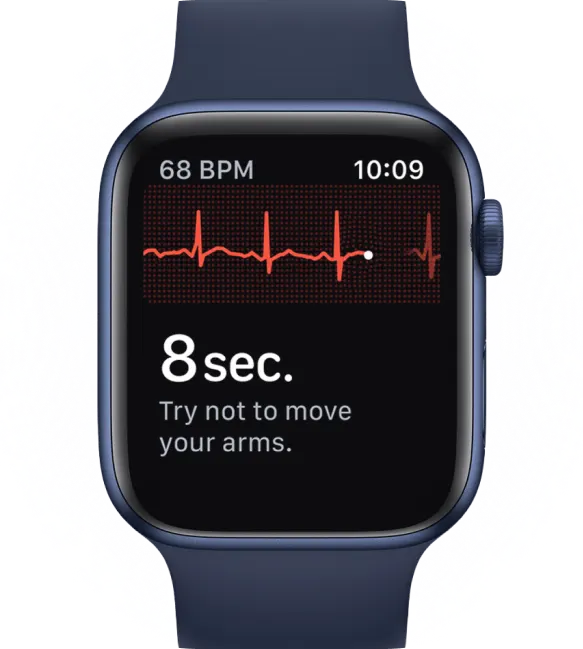
Many of us already use a smartwatch or fitness tracker to keep an eye on our heart rate. This brings up a great question: if I have a watch that takes an ECG, why do I still need a clinical Holter monitor? It’s a fantastic point, especially when you're trying to take an active role in your own health.
The key difference really boils down to the depth and purpose of the recording. Your personal wearable is great for taking a quick snapshot of your heart's rhythm, like a spot-check ECG. It's perfect for capturing a specific moment when you feel a symptom. A Holter monitor, on the other hand, gives your doctor a continuous, detailed movie of your heart's electrical activity over a much longer period.


The Photo vs. The Documentary
Think of it this way: your watch can take a great photo, but the Holter monitor is there to film a full-length documentary. It uses multiple leads (the sticky patches on your chest) to record every single heartbeat over an extended period, often 24 or 48 hours, without any interruption.
This comprehensive data is vital for diagnosing issues that you may not even feel, or that only happen while you're asleep. It’s this clinical-grade detail that gives your doctor the complete picture they need for an accurate diagnosis. The spot-checks from your personal device are valuable, but the Holter provides the full story. If you're curious about what your watch can do, you can learn more about how accurate the ECG is on your Apple Watch in our detailed guide.
The demand for clinical-grade devices is increasing due to the rise in cardiovascular diseases. Holter monitors are particularly effective at detecting occasional arrhythmias that might be overlooked in short examinations. This is significant given that cardiovascular disease accounts for 17.5 million deaths globally each year.
For people using at-home devices with a service like Qaly, this clinical context reinforces why continuous monitoring is so effective. In fact, studies show that a 24 or 48-hour recording can detect issues in 20-30% more cases than a standard resting ECG, allowing for much earlier and more effective intervention.
Ultimately, both tools work together. Your wearable helps you stay aware and informed day-to-day, while the Holter monitor gives your doctor the robust, diagnostic-quality information needed for a confident diagnosis and a solid treatment plan.
Understanding Your Holter Monitor Results
The test is over, and you've handed the monitor back. For many people, this waiting period is the hardest part. Let's pull back the curtain on what happens next so you know exactly how your heart's data is being analyzed.
The little device you wore has been busy, capturing a massive amount of information, often over 100,000 heartbeats in a single 24-hour stretch. First, all that data gets fed into specialized software designed to flag any blips or unusual electrical activity. But a computer can only spot the obvious stuff.
That's where human expertise comes in. A highly trained cardiac technician or cardiologist personally reviews the software's findings. They're looking for the subtle nuances in your heart's rhythm that a machine might miss, hunting for any abnormal patterns or moments of unusually fast or slow heart rates that could explain the symptoms you’ve been feeling.
Decoding Your Heart's Story
When you get your final report, you'll probably see a few medical terms. Don't let them intimidate you. They're just specific labels for what the monitor recorded, and knowing what they mean helps you have a much more meaningful conversation with your doctor.
Here are some of the most common findings you might see on a report:
- Arrhythmia: This is just a catch-all term for any irregular heartbeat. It simply means the rhythm wasn't perfectly steady.
- Tachycardia: This means your heart was beating faster than normal for a period of time.
- Bradycardia: The opposite of tachycardia, this points to a slower-than-normal heart rate.
- PVCs (Premature Ventricular Contractions): These are extra, out-of-sync heartbeats that start in the heart's lower chambers. They often feel like a "skipped beat" or a flutter in your chest. You can learn more about measuring the frequency of these events in our article on understanding atrial fibrillation burden.
Your Holter monitor results provide the objective data needed to connect your symptoms to specific cardiac events. This turns your personal experience into clear information your doctor can act on.
The demand for detailed information in this field is increasing. The cardiac Holter monitor market is expected to see significant growth by 2026. This highlights the importance of this tool for diagnosing palpitations and other rhythm issues. For further insights, you can explore more about the increasing need for Holter monitors from Stratview Research.
Ultimately, your Holter report is the story your heart is telling. It provides the crucial missing pieces of the puzzle, giving you and your doctor the insights needed to decide on the best next steps for your health.
Common Questions About Holter Monitors
It's completely normal to have a few questions swirling in your mind before, during, and after wearing a cardiac monitor Holter. Feeling a little uncertain is just part of the process, but getting clear answers can make the whole experience feel less daunting.
We've put together answers to some of the most common concerns we hear from patients. Think of it as a quick, friendly FAQ to help you navigate your Holter monitoring with confidence.
Can I Still Exercise While Wearing a Holter Monitor?
Yes, for the most part. The whole point of the Holter monitor is to see how your heart behaves during your typical day-to-day life, and for many people, that includes exercise.
While you should probably skip the super-intense workout that leaves you drenched in sweat (it could loosen the sticky electrode patches), light to moderate activity is perfectly fine. In fact, it’s encouraged. Just make a note of when you exercised in your symptom diary so your doctor can match up the activity with what your heart was doing at that time.
What Should I Do If an Electrode Patch Falls Off?
First off, don't panic if a patch comes loose. Try pressing it firmly back onto your skin. If it just won’t stick, the best thing to do is call the clinic or hospital that fitted the monitor. They'll give you clear instructions on what to do next. It's important to keep all the electrodes attached to ensure the recording is complete and accurate.
Remember, the Holter monitor test is completely non-invasive and painless. The biggest hassle is usually just some minor skin irritation from the adhesive on the patches, kind of like wearing a bandage for a few days.
If you know you have sensitive skin or an allergy to adhesives, be sure to tell the technician before they put the monitor on. They often have different types of patches they can use to help keep you comfortable. Your comfort is a priority, and there are definitely ways to make the experience a better one.

Get expert-reviewed ECG interpretations from your smartwatch in minutes. Certified cardiac professionals, available anytime.



.png)
.png)