


Key Takeaways

User Profile
Hello Heart Hero. Maybe you're reading this after being told you have "congestive heart disease," and now your mind is racing. You may be thinking about the swelling in your ankles, the breathlessness walking to the kitchen, or the tiredness that doesn't match your day.
You may also feel frustrated. A short visit, a big diagnosis, and a pile of confusing words can leave anyone feeling alone. If that's where you are, take a breath. This condition is serious, but it is also something many people learn to manage step by step.
Your Guide to Understanding Your Heart
A lot of people hear heart failure and think it means the heart has stopped. It doesn't. In everyday care, people often use terms like congestive heart disease or congestive heart failure to describe a heart that isn't pumping as well as it should.
That pumping job matters because your heart is the delivery system for oxygen and nutrients. When it gets weaker or stiffer, blood and fluid can start backing up. That's where the word congestive comes from.
Why this can feel so confusing
Your symptoms may seem unrelated at first.
- Shortness of breath can feel like a lung problem.
- Leg swelling can seem like a circulation issue.
- Fatigue can get blamed on age, stress, or poor sleep.
But these can all connect back to one thing. Your heart may be struggling to keep up with your body's needs.
You are not "failing." Your heart needs support, monitoring, and the right plan.
Heart failure is common. In 2021, there were 56.5 million prevalent cases of heart failure globally, a growing burden linked in part to aging populations and better survival from other heart conditions, as reported in the European Heart Journal.
What you can expect from here
The most helpful way to learn this condition is in plain language.
You'll want to understand:
- What the diagnosis means
- Why symptoms happen
- How doctors figure out the type of heart failure
- What daily management looks like
- How your smartwatch or wearable ECG can help you stay organized and proactive
If you're skeptical of the healthcare system, that's understandable. Many patients feel they have to piece things together on their own. The good news is that understanding your condition gives you an advantage. Better questions lead to better appointments. Better tracking leads to clearer decisions.
What Is Congestive Heart Disease Really
Think of your heart like a water pump in a home. A healthy pump moves water through the pipes with enough force to meet the house's needs. Your heart does something similar with blood.
When someone has congestive heart disease, that pump isn't working efficiently. Sometimes it's weak and can't squeeze hard enough. Sometimes it's stiff and can't relax well enough to fill properly between beats.
What the word congestive means
If the pump slows down, fluid can start backing up.
That backup may collect in places like:
- The lungs, causing breathlessness or a cough
- The legs and ankles, causing swelling
- The belly, causing bloating or a heavy feeling
This is why people can feel "full of fluid" even though the core problem starts with the heart.
Heart failure is not the same as a heart attack
This is a major point of confusion.
A heart attack usually happens when blood flow to part of the heart muscle is blocked. Heart failure means the heart's pumping function has become less effective over time or after injury. A heart attack can lead to heart failure, but they are not the same thing.
A heart can still beat every day and still need help pumping efficiently.
Two main ways the pump can struggle
Doctors often sort heart failure into broad patterns.
One pattern is a heart that doesn't squeeze strongly. Another is a heart that squeezes but doesn't fill well because the muscle is stiff. The treatment plan can differ depending on which pattern you have.
A simple way to understand it:
- Weak pump: not enough forward push
- Stiff pump: not enough room to fill
- Both can cause congestion: fluid backs up when circulation becomes less efficient
That helps explain why two people with the same diagnosis may have different symptoms, medications, and test results.
Why this diagnosis is becoming more common
More people are living long enough to develop heart problems over time. More people are also surviving other heart conditions and then living with the effects later. That's one reason the number of people with heart failure has grown, rather than a sign that nothing can be done.
If you were recently diagnosed, try not to get stuck on the label. The useful question is this: How is your particular heart functioning, and what support does it need now?
Recognizing the Signs and Understanding Causes
A lot of patients notice symptoms slowly. At first it may just be getting winded while carrying groceries. Then sleeping flat feels uncomfortable. Then shoes feel tighter by evening.
That pattern makes sense when you remember the pump analogy. If blood isn't moving forward efficiently, fluid starts to linger where it shouldn't.
What symptoms can feel like in daily life
You might notice:
- Breathlessness with small tasks like showering, climbing stairs, or walking across a parking lot
- Swelling in the feet, ankles, lower legs, or abdomen
- Fatigue that feels heavier than normal tiredness
- Needing extra pillows because lying flat makes breathing harder
- A feeling of fullness or pressure from fluid buildup
These symptoms can come and go. That's one reason people sometimes dismiss them or blame something else.
Why those symptoms happen
Breathlessness often happens because fluid backs up toward the lungs.
Swelling in the legs happens because fluid settles in the tissues, especially later in the day. Fatigue happens because the body isn't getting the steady, efficient blood flow it needs.
One person may say, "I just don't have my old energy." Another may say, "I feel puffy and can't catch my breath." Both can be describing the same problem.
Common causes and risk factors
Heart failure often develops after the heart has been under strain for a long time. Common contributors include:
- High blood pressure
- Coronary artery disease
- A previous heart attack
- Heart muscle disease
- Rhythm problems such as atrial fibrillation
The staging system can also help explain where someone is in the process. The ACC/AHA stages run from A to D, and many people are in Stage A or B before obvious symptoms begin. Hypertension is present in about 70% of heart failure cases, according to an AHA clinical overview.
Why early stages matter
Stage A means you're at risk. Stage B means the heart has structural change, but you may not feel symptoms yet.
That's important because many people think heart problems only count once they feel very sick. In reality, catching changes earlier gives you more room to act.
If you have high blood pressure, diabetes, coronary disease, or a past heart event, symptoms deserve attention even when they seem mild.
If you've been ignoring subtle signs because you didn't want bad news, you're not alone. But paying attention isn't giving in to fear. It's how you protect yourself.
How Doctors Diagnose Heart Failure
You come to clinic because climbing the stairs suddenly feels harder, your shoes are tighter by evening, and something feels off. Your doctor usually does not rely on one answer from one machine. They build the diagnosis the way a nurse pieces together a full picture at the bedside, by combining what you feel, what they find on exam, and what the tests show.
Each test answers a different question. One checks whether fluid may be backing up. Another shows how the heart squeezes and relaxes. Another looks for rhythm problems that may be adding strain or causing symptoms that come and go.
The test many patients hear about first
The echocardiogram is often one of the main tests because it gives a moving ultrasound picture of the heart. It shows how the chambers and valves are working and whether the heart muscle looks weak, stiff, or enlarged.
It also measures left ventricular ejection fraction, or LVEF. That phrase can sound technical, but the idea is simple. LVEF is the percentage of blood the main pumping chamber pushes out with each beat. A patient-friendly explanation of a transthoracic echocardiogram can make the process feel much clearer before your appointment.
What HFrEF and HFpEF mean
Doctors often group heart failure by ejection fraction because it helps guide treatment.
- HFrEF means the heart's pumping action is reduced.
- HFpEF means the ejection fraction is still in a preserved range, but the heart muscle is stiff and does not fill as easily.
There is also a middle range between those two patterns. If these labels feel confusing, the part that matters most is this. They help your care team choose the right medicines, follow-up, and monitoring plan for your specific kind of heart failure.
Other pieces of the workup
Your clinician may order several tests during the same evaluation:
- Blood tests to check for signs of heart strain and to look at kidney function, electrolytes, and other body systems
- An electrocardiogram, or ECG to check heart rhythm, heart rate, and conduction patterns
- Chest imaging to look for fluid in the lungs or changes in heart size
- A physical exam to check blood pressure, oxygen level, swelling, lung sounds, and neck veins
This part can feel like a lot. It helps to remember that each test fills in one square of the same puzzle.
What your smartwatch can and cannot add
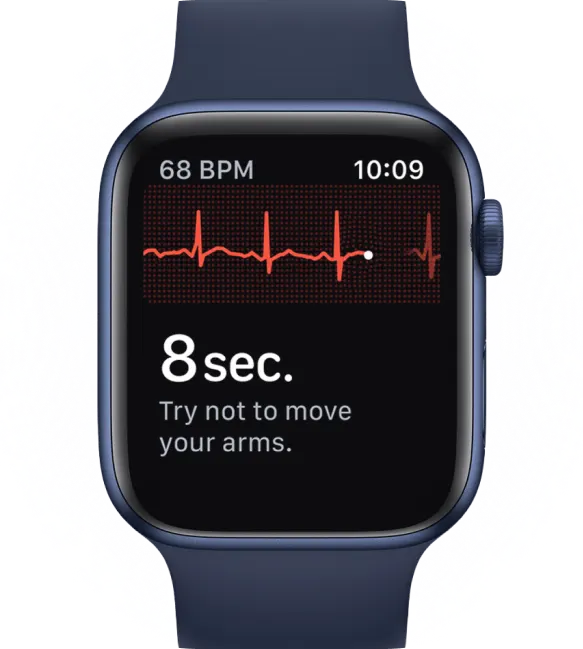
A wearable ECG watch or handheld monitor cannot diagnose heart failure on its own. It cannot measure ejection fraction, and it cannot replace an echocardiogram or a clinical exam.
It can still be very useful in daily life. If you have palpitations, a racing heartbeat, dizziness, or brief shortness of breath, your watch may capture an irregular rhythm while it is happening. That record can give your doctor information they would never see in a short office visit.
That is where modern wearables can really help patients. A time-stamped ECG strip, heart rate trend, or symptom log on your phone can make the conversation with your doctor more specific and more productive. If your clinician later clears you for exercise, tools that support safe activity, such as ideas for the best low impact cardio for weight loss, can also fit into that bigger picture of tracking symptoms and protecting your heart.
Your Toolkit for Managing Congestive Heart Disease
Once the diagnosis settles in, a common question is often, "What do I do now?" "What do I do now?" The answer is usually a combination of habits, treatments, and follow-up. Think of it as a toolkit, not a punishment.
The right plan depends on your type of heart failure, your symptoms, and any related conditions. But most patients do best when they work from several angles at once.


Daily habits that reduce strain on the heart
Small routines can make a real difference.
Some of the basics include:
- Watching sodium intake because extra sodium can make the body hold onto fluid
- Taking medicines exactly as prescribed even when you feel well
- Moving your body safely with activities your clinician approves
- Tracking symptoms such as swelling, shortness of breath, or sudden changes in how you feel
If you're trying to get active without overdoing it, this guide to the best low impact cardio gives practical ideas that may be easier on joints and less intimidating than high-intensity workouts.
A low-sodium eating plan can feel abstract until you see what it looks like in real life. This overview of a low-sodium diet for heart failure can help you turn that advice into actual food choices.
Practical rule: The best routine is the one you can repeat when you're tired, busy, and not feeling perfect.
Medications and why they matter
Many heart failure medicines work by helping the heart pump more efficiently, lowering strain, or helping the body get rid of extra fluid.
Some medicines help relax blood vessels. Some slow the heart in a helpful way. Some reduce fluid overload. Your doctor may change doses over time based on symptoms, blood pressure, kidney function, and your heart failure type.
This part can feel frustrating, especially if it seems like a lot of trial and adjustment. But medication management often improves as your team learns how your body responds.
Devices and advanced support
Some people need more than lifestyle changes and pills.
Depending on the situation, doctors may discuss:
- Pacemakers
- Implantable defibrillators
- Other advanced therapies if symptoms become harder to control
Those conversations don't mean you've done something wrong. They mean your team is trying to match treatment to how your heart is functioning.
Don't ignore your mental health
This part deserves more attention than it usually gets. Depression and anxiety are common after a cardiac event and can worsen outcomes, according to the CDC's heart disease and mental health guidance.
That can show up as poor sleep, fear about symptoms, trouble sticking with routines, or constant worry every time your heart feels "off."
Give mental health the same respect you give swelling or blood pressure. If you feel overwhelmed, tell someone. Emotional strain affects daily management, and daily management affects the heart.
Using Your Smartwatch to Partner with Your Doctor
A smartwatch becomes much more useful when you stop treating it like a gadget and start treating it like a notebook. The goal isn't to collect random heart readings. The goal is to capture patterns your doctor can use.
That changes the appointment. Instead of saying, "I felt weird a few times," you can say, "I had palpitations on three evenings, this is what the rhythm tracing looked like, and this is what I was doing when it happened."
What to track at home
Wearables can help detect irregular rhythms or changes in heart rate patterns, and that information can be useful for people at high risk because it can be shared with doctors and may help catch worsening heart failure earlier, as described by Johns Hopkins Medicine.
Useful things to track include:
- Palpitations and when they happen
- Lightheadedness or near-fainting
- Episodes of shortness of breath
- A rhythm strip during symptoms, if your device allows it
- What you were doing at the time, like walking, resting, or lying down
How to make the data more helpful
Random screenshots are easy to lose and hard to interpret. A better approach is simple organization.
Try keeping a note with:
- Date and time
- What you felt
- What the wearable recorded
- Whether the symptom passed or kept going
- Any possible trigger, such as missed medication, stress, poor sleep, or activity
That kind of summary can help your clinician connect symptoms with rhythm changes.
Know the limits of the device
A smartwatch is not your cardiologist.
It can help flag a possible issue, but it cannot rule out fluid overload, measure ejection fraction, or replace emergency care. If you're using an ECG-capable device, it helps to understand what those tracings can and can't show. This cardiologist's guide to the smartwatch ECG gives a clear overview.
The most useful wearable data is the data collected during symptoms, saved clearly, and shared without delay.
Patients often feel more in control when they do this well. Not because the watch fixes the condition, but because it helps turn scattered symptoms into something concrete.
When to Seek Immediate Help Red Flags and Emergencies
Most heart failure symptoms can be discussed with your regular doctor, especially if they've been stable. Some symptoms should not wait.
Call emergency services right away if you have:
- Severe chest pain
- Major trouble breathing or gasping for air
- Fainting
- Blue or gray lips
- Confusion that comes on suddenly
- A fast worsening of symptoms that feels extreme or frightening
Shortness of breath is especially important to respect. If it is new, rapidly worsening, or severe, don't brush it off. This guide on what causes shortness of breath can help you think clearly about symptoms, but it should never delay emergency care.
When your body is sending an alarm, listen to it. It's always better to be checked and reassured than to wait too long.

Confused by your ECG readings? Qaly turns your smartwatch or home recordings into clear, human-reviewed reports - ready to share with your doctor.



.png)
.png)