




Key Takeaways

User Profile
Hello Heart Hero. If you’ve ever felt your heart flutter or race after a sugary snack, soda, or dessert, you’re not alone, it’s a real physical response. This guide will walk you through exactly why this happens, in a way that’s simple to understand.

Your Guide to Sugar and Your Heartbeat
If you’re here, you’ve probably felt that weird little flutter or a sudden pounding in your chest after eating something sweet and wondered what’s going on. We get it. Navigating health information can feel like a maze, especially when you’re trying to find answers outside of a doctor's office that often feels rushed and impersonal.
It’s completely normal to feel a little anxious when your body does something unexpected, like a racing heartbeat after a meal. It's okay to feel that way. Our goal is to give you clear, reliable insights, without the confusing medical jargon, so you can feel more in control.
This experience is incredibly common. Many people notice a distinct change in their heartbeat shortly after consuming foods high in sugar. You might have felt it after a morning donut, a midday soda, or an evening dessert. This sensation can be unsettling, leaving you to wonder if it's a harmless quirk or something to worry about. Please know, there’s a scientific explanation for this connection, and understanding it can bring a lot of peace.
In this guide, we'll explore this relationship step-by-step. We want to give you the knowledge to understand your body's signals with confidence, not fear. You’ll learn about:
- The direct ways sugar can trigger a faster heart rate.
- How to tell the difference between a simple palpitation and something that might need more attention.
- Practical steps you can take to monitor these feelings and identify your personal triggers.
This journey is about moving from uncertainty to empowerment. By understanding the 'why' behind your heart's reaction to sugar, you gain the ability to make informed choices that support your well being and bring you peace of mind.
Feeling a flutter can be isolating, but it’s a shared experience. We’re here to provide the context you need to feel in control. Let's start this journey together, turning your questions into confident actions for a healthier, calmer heart.
The Hidden Connection Between Sugar and a Racing Heart
Have you ever had a sugary drink or a rich dessert and then, a few minutes later, felt your heart start to flutter or pound in your chest? It’s a strange sensation, almost like your heart decided to go for a sprint while you're still sitting at the table. This isn't just in your head. There's a real biological chain of events that connects that sweet treat to your suddenly racing heart.
When you take in a lot of sugar, especially the simple, fast-absorbing kind found in soda or candy, your body has to scramble to deal with the sudden flood. Think of it as an internal emergency response team getting called into action. This process involves a few key biological players that can have a direct impact on your heart rate.
The Adrenaline Rush Effect
First up is your sympathetic nervous system. You probably know it as the "fight or flight" response. To manage the sugar overload, your body can release hormones like adrenaline. This is the very same hormone that courses through you when you're startled or intensely excited, and its main job is to prep your body for immediate action.
This adrenaline surge is a direct signal to your heart to start beating faster and more forcefully. That's the racing or pounding feeling you notice. It’s your body's attempt to quickly mobilize energy to process all that sugar.
Your body essentially treats a large, sudden dose of sugar as a mini emergency. This hormonal response is a direct answer to the question "can sugar increase heart rate?" by showing how your own internal systems can temporarily speed things up.
Insulin, Electrolytes, and Your Heart Rhythm
At the same time, your pancreas gets the signal to release insulin, the hormone responsible for moving sugar out of your bloodstream and into your cells where it can be used for energy. But this insulin release can cause a few ripple effects. One of them involves the balance of key electrolytes in your body, especially potassium.
Potassium is absolutely critical for keeping your heart beating in a steady, stable rhythm. As insulin goes to work, it can also push potassium from your blood into your cells. This can temporarily lower your blood's potassium levels, which for some people, is enough to trigger palpitations or a feeling of an irregular heartbeat. For a deeper dive, check out our guide on heart palpitations after eating.
The Crash After the Spike
Finally, there's the rebound effect, a phenomenon known as reactive hypoglycemia. After that initial sugar spike and the powerful insulin response that follows, your blood sugar can sometimes plummet too low, too quickly. This "crash" is another form of stress on your body.
To correct this low blood sugar, your body once again turns to stress hormones, releasing cortisol and another shot of adrenaline to bring your levels back up. This secondary adrenaline release can trigger a whole new round of palpitations or a racing heart, sometimes an hour or two after you’ve had the sugary item. It’s a common, but often overlooked, part of the whole sugar and crash cycle.
Can Exercise Cancel Out a High-Sugar Diet?
It's a common thought, isn't it? That we can balance out a sweet indulgence with a good workout. If you enjoy a sugary soda, you might think a brisk walk or a session at the gym can undo the effects. When it comes to your heart, however, the science tells a more complicated and important story.
The idea that exercise can cancel out a poor diet is, unfortunately, a myth, especially concerning sugar’s impact on your cardiovascular system. While physical activity is one of the best things you can do for your heart, it often can’t fully counteract the specific internal challenges that high sugar consumption creates.
The Limits of Exercise Against Sugar
Think of it this way: exercise strengthens your heart muscle and improves circulation, which is fantastic. But high sugar intake works against you on a different front entirely. It promotes inflammation, can raise blood pressure, and messes with your blood lipids. These are internal battles that a single workout session can't always win.
The evidence on this is pretty clear. A major Harvard-led study revealed a startling truth: even people who hit the recommended 150 minutes of moderate exercise each week still had a 21% higher risk of cardiovascular disease if they drank two or more sugary beverages a day.
This shows that even if you're crushing your fitness goals, a high sugar intake can still create underlying risks. Exercise is a powerful tool, but it's not a magic eraser for what you eat.
A Holistic View of Heart Health
This isn't meant to discourage you from exercising. Quite the opposite, your physical activity is incredibly valuable. Instead, this information should empower you to see your health more completely. You can be an athlete and still have health issues if one part of your lifestyle, like diet, is actively working against your efforts.
To really take control of your diet and spot the hidden sugars that can throw your heart off-kilter, learning how to read nutrition labels is a game changing skill. It lets you make informed choices and avoid unintentionally overloading your system.
Ultimately, managing your heart's rhythm and overall health is all about creating balance. It involves both moving your body and being mindful of what you put into it. By understanding that diet and exercise are two separate, vital pillars of health, you can build a much stronger foundation for a steady, happy heart.
Understanding Harmless Flutters and When to Be Concerned
That sudden flutter in your chest after a sweet snack can be genuinely unnerving. It’s completely understandable if your mind jumps to worst case scenarios when your heart does something unexpected. The big question is often: Is this just a harmless palpitation, or is it a sign of something more serious like an arrhythmia?
Let's get some clarity and reassurance. Most of the time, a brief flutter or racing feeling after eating sugar is just that: a temporary reaction to a specific trigger. Think of it as a benign palpitation. It’s your body's way of responding to a stimulus, much like your heart rate climbs when you exercise or get excited.
These sugar-induced flutters are very different from persistent, irregular rhythms that pop up without a clear cause. Context is everything here. A racing heart after a big soda is one thing; a sustained, chaotic rhythm that happens while you're resting quietly is another story entirely.
Distinguishing Between Different Sensations
Palpitations can feel different from person to person. Getting familiar with these feelings can help you describe them accurately if you ever need to speak with your doctor.
- A Flutter: This can feel like a brief, tickling sensation in your chest, almost like a fish flopping around.
- A Skipped Beat: This often feels like a pause followed by a single, strong thud as your heart gets back on rhythm.
- A Racing Heart: This is a feeling of your heart beating very fast but steadily, often called tachycardia.
- A Pounding Beat: Your heart might feel like it's beating much more forcefully than usual, even if the speed is normal.
When to Pay Closer Attention
While most sugar related palpitations are temporary and harmless, it's also important to know that a high sugar diet has longer term impacts that can make your heart more prone to erratic rhythms. For people who notice these feelings often, the connection might go deeper than just a momentary adrenaline rush.
Consistently high sugar intake can contribute to higher triglycerides, increased "bad" LDL cholesterol, inflammation, and surges in blood pressure. All of these factors can create an environment where irregular heart rhythms are more likely to occur.
Studies have shown that consuming just over 21% of your daily calories from added sugar can more than double your risk of dying from cardiovascular disease compared to those who keep their intake low. These aren't just abstract numbers; they reflect real patterns linking diet to heart health.
You can explore the detailed findings on sugar and heart risk in medical studies. The goal is to be informed, not alarmed.
Using Your Wearable ECG to Track Sugar's Impact
Think of your smartwatch or wearable ECG as more than just a cool gadget. It’s a personal health detective, right there on your wrist. Instead of just worrying about a random flutter, you can actually use it to connect the dots between what you eat and how your heart feels. This lets you move from guessing to knowing.
This hands-on approach is all about discovering your body’s unique patterns. It’s a way to gather your own data, giving you something concrete to stand on, especially when you feel like your concerns aren't being fully heard.


Becoming Your Own Heart Health Detective
You can start a simple yet powerful experiment today. All you need is a small journal (or even the notes app on your phone) and your wearable device. The goal is to see if sugar might increase your heart rate or trigger those flutters you’ve been feeling.
Here’s a simple, step by step process you can follow:
- Note What You Eat: When you have a sugary snack, dessert, or drink, write it down. Get specific: "one can of soda" or "two chocolate chip cookies."
- Log the Time: Right next to your food entry, jot down the exact time you ate or drank it.
- Wait and Observe: Now, just pay attention to how you feel over the next 30 to 60 minutes. This is often the window when your body is in the thick of processing that sugar.
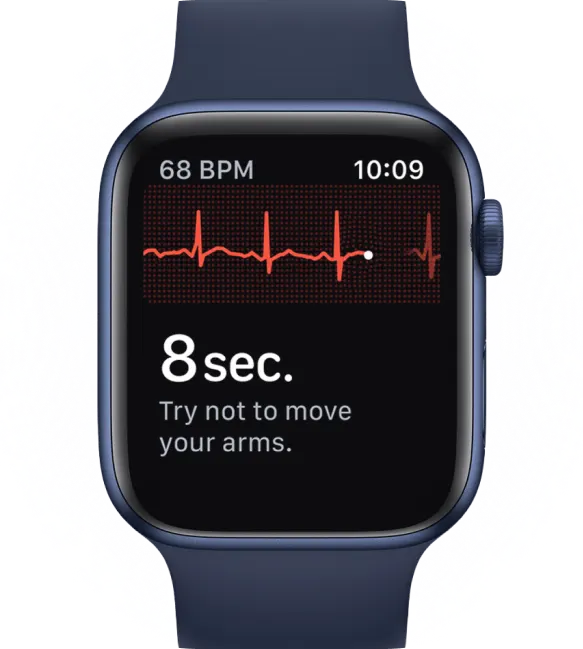
- Take an ECG Reading: If you feel a flutter, a racing sensation, or anything out of the ordinary, grab an ECG reading immediately with your wearable. Make a note of the time you took it.
By doing this consistently, you’ll start to build a personal log. You might find that a morning pastry has zero effect, but an afternoon soda almost always brings on palpitations. This is invaluable information that belongs to you.
This process isn't about diagnosing yourself. It's about collecting personal evidence so you can understand your triggers and feel more in control of your health journey.
Gaining Clarity and Peace of Mind
The next step is figuring out what your ECGs actually mean. This is where a lot of people get stuck. An unusual looking graph can easily create more anxiety than answers. Instead of falling down a rabbit hole of online searches, you can get clear, human-backed insights.
This is where a service like Qaly can be a trusted partner. You can send the ECGs you've recorded straight from your phone and have a certified cardiographic technician analyze them. Within minutes, you get a human reviewed report back that explains what was seen on your ECG.
This gives you two powerful things. First, it provides immediate peace of mind, replacing fear with facts. Second, it gives you credible data that you can confidently share with your doctor, which leads to more productive and focused conversations. For those interested in tracking their body's response, you might want to learn more about heart rate variability in our detailed article.
Finding Peace of Mind and Taking Control of Your Heart Health

Living with unexpected heart palpitations can be unsettling, to say the least. That sudden flutter or racing feeling can kick off a cycle of anxiety, leaving you worried about what's happening inside your own body. But knowledge, especially when paired with the right tools, is a powerful antidote to that fear. You're in the driver's seat of your health journey, and truly understanding your body's signals is the first, most important step toward taking back control.
The bottom line is simple: yes, sugar can increase your heart rate. The good news? You have the power to see its effects for yourself and make choices that feel right for your body. No more guessing games.
From Uncertainty to Empowerment
By gathering real, actionable insights with your wearable ECG, you're no longer just a passenger along for the ride. Every reading you take after a meal or a sugary snack adds another piece to your personal health puzzle. And when you pair those ECGs with a service like Qaly, where certified experts review them, those confusing squiggles on your screen transform into clear, meaningful information.
This combination of self monitoring and expert analysis is a game changer. It gives you the ability to:
- Identify Your Triggers: You can finally connect the dots and see exactly which foods or drinks cause a reaction. This gives you direct control over your diet and your symptoms.
- Build Confidence: Simply knowing what's going on provides immense peace of mind. It dials down the anxiety that so often makes palpitations feel even worse.
- Have Better Doctor Visits: Instead of just describing a feeling, you can walk into your appointments with specific, credible data. This leads to more productive conversations and a stronger partnership with your doctor.
Taking charge of your heart health is a profound act of self care. It’s about listening to your body, trusting what you feel, and using technology to validate your experiences.
Ultimately, this whole process is about moving from a place of uncertainty to one of genuine empowerment. For more guidance on creating a heart healthy lifestyle, you might find our guide on lifestyle changes for heart disease helpful.
Frequently Asked Questions
You've got questions about sugar, your heart rate, and what it all means. It's a common concern, so let's walk through some of the most frequent ones we hear.
How Quickly Can Sugar Affect My Heart Rate?
Surprisingly fast. Many people feel their heart start to beat faster within just 30 to 60 minutes of having a sweet drink or food.
This isn't a slow burn; it's a rapid reaction. Your body releases hormones like adrenaline to deal with the sudden sugar rush, and that's what can directly give your heart a kickstart.
Are Natural Sugars from Fruit Also a Concern?
Generally, whole fruits are a different story. The fiber in an apple or a bowl of berries acts like a buffer, slowing down how quickly your body absorbs the sugar. This helps you avoid those sharp blood sugar spikes that can trigger a racing heart or palpitations.
But it’s good to be mindful of fruit in other forms. Fruit juices, smoothies packed with sweeteners, and dried fruits often behave more like sugary drinks. The fiber is either gone or much less effective, so moderation is still your best bet here.
What Should I Do if I See an Irregular Rhythm on My ECG?
First off, take a breath. A single weird looking ECG, especially right after a potential trigger like a big dessert, isn't automatically a cause for alarm. Think of it as a piece of data, not a final diagnosis.
This is where having the right tools can give you clarity instead of anxiety.
- Get an Expert Opinion: Rather than falling down a rabbit hole of worry, you can send your ECG to a service like Qaly. A certified technician will review it for you, giving you a human-backed analysis of what that rhythm actually shows.
- Monitor and Talk to Your Doctor: If the irregular rhythm keeps showing up, or if it comes with other symptoms like dizziness, lightheadedness, or chest pain, it's time to act. Share the report from your ECG with your doctor so they can do a proper evaluation.

Is sugar making your heart flutter? On the Qaly app, human experts will interpret your ECG within minutes, 24/7. Get started today.



.png)
.png)