





Key Takeaways

User Profile
Hello Heart Hero. If you’ve ever felt a sudden flutter in your chest right in the middle of a bout of heartburn, you’ve probably asked yourself: will acid reflux cause heart palpitations?
The short answer is yes, it absolutely can. You aren't imagining it, and you are certainly not alone in this deeply unsettling experience.
Unraveling the Gut and Heart Connection
That frantic, fluttering sensation in your chest can be terrifying. It's the kind of symptom that sends your mind racing, kicking off a spiral of anxiety that only seems to make things worse.
When you feel unheard or dismissed by doctors, it’s easy to start questioning what your own body is telling you. This guide is here to validate what you're feeling and give you the clarity you deserve.
We get it. You're searching for answers, maybe because the standard medical advice felt incomplete or just left you with more questions. The connection between your stomach and your heart is very real, and just recognizing it is the first real step toward finding relief and peace of mind.

What You Will Discover Here
This guide is designed to empower you with knowledge, moving you from a place of fear to a position of control. We’ll explore this gut-heart connection with empathy, breaking down the science without the confusing jargon.
Here’s a look at what we’ll cover:
- The "Why": First, we'll explain exactly what acid reflux and heart palpitations are, laying a clear foundation.
- The Mechanism: Then, you'll learn how a digestive issue can directly trigger a heart rhythm disturbance.
- Telling the Difference: We'll give you practical ways to help distinguish between reflux-related flutters and a more serious cardiac issue.
- Actionable Steps: Finally, you'll get straightforward lifestyle and dietary tips to help manage your symptoms and calm both your gut and your heart.
This journey is all about trusting your body’s signals and arming yourself with the right information. Understanding the link between indigestion and heart palpitations can transform anxiety into real, actionable insight. You can learn more about how your digestion impacts your heart in our detailed guide on the topic.
How Your Gut Can Upset Your Heart's Rhythm
It can be baffling, and a little scary, when a problem in your stomach feels like it’s making your heart do gymnastics. But as strange as it sounds, there's a clear biological link, and it all comes down to a critical piece of your body's internal wiring.
Think of it like a massive communication highway running right through your core. This is the vagus nerve, a major nerve connecting your brain to your digestive system and your heart, among other organs. It's the unsung hero that keeps a lot of your background functions, like heart rate and digestion, ticking along smoothly.
When Communication Lines Get Crossed
Here’s where things get interesting. When stomach acid backs up into your esophagus, the tube connecting your throat and stomach, it causes irritation and inflammation. Your esophagus happens to be located right next to your heart, and this irritation sends out distress signals along that vagus nerve highway.
The problem is, these signals can get mixed up with the messages that are supposed to be keeping your heart in a steady, calm rhythm. It’s like electrical interference or getting your wires crossed. The irritation from acid reflux can overstimulate the vagus nerve, causing it to fire off erratic signals to your heart.
The result? Your heart might suddenly race, flutter, or skip a beat. This isn't a heart attack or a sign of heart failure; it's a temporary glitch caused by a problem somewhere else in your body. It's a classic case of mistaken identity in your nervous system.
This gut-heart connection is a powerful example of just how interconnected our bodies truly are. To get a bigger picture of how your gut communicates with other body systems, you can explore resources on the complex communication systems within your gut.
More Than Just Nerves
Beyond the vagus nerve, a couple of other players can contribute to this unsettling feeling.
- Pressure and Position: Serious bloating or gas from indigestion can physically push against your diaphragm and, by extension, your heart. This mechanical pressure can sometimes be enough to trigger palpitations, especially if you're lying down or bending over.
- The Stress Factor: Let's be honest, both acid reflux and palpitations are stressful. This anxiety can trigger the release of adrenaline, which unfortunately can make both your reflux and your heart flutters worse, locking you in a frustrating cycle.
Just understanding that acid reflux can cause heart palpitations through these very real, physical mechanisms is a huge step forward. It helps shift the focus from fear to logic. Often, these symptoms flare up after a meal. To see how timing can offer important clues, check out our guide on what causes heart palpitations after eating.
What the Science Says About This Connection
If you've ever felt like your doctor wasn't taking you seriously, or if you've been told "it's just anxiety" when describing your symptoms, let's set the record straight: a growing body of scientific research is proving you right. The connection between your gut and your heart isn't just a theory anymore; it's a documented medical reality. You were right to trust what your body was telling you.
The question of whether acid reflux can cause heart palpitations has moved from a fringe concern to a major focus for researchers. It's a question that affects millions of people around the world who are looking for the very same answers you are.
Evidence of the Gut-Heart Link
Major studies have started to connect the dots, lending serious credibility to what many people have felt for years. One massive analysis published in the Journal of Gastroenterology and Hepatology Foundation sifted through data from roughly 1.3 million people across Europe and Asia.
The results were striking. People with severe acid reflux had a 27% increased risk of experiencing a heart attack compared to those without it. Now, that statistic might sound scary, but its real importance is in confirming that what happens in your esophagus doesn't necessarily stay in your esophagus. It can, and does, have a real impact on your heart. You can read more about these important findings on the BHF website.
This data isn't meant to cause fear. Think of it as powerful validation. It proves that the gut-heart connection is real and measurable, giving you the confidence to have a more informed conversation with your doctor and advocate for yourself.
And the evidence doesn't stop there. Other research backs this up, especially when it comes to specific kinds of palpitations. A big review from 2014 found that people with Gastroesophageal Reflux Disease (GERD) are up to 14% more likely to experience atrial fibrillation (AFib), a very common type of arrhythmia, than people without GERD.
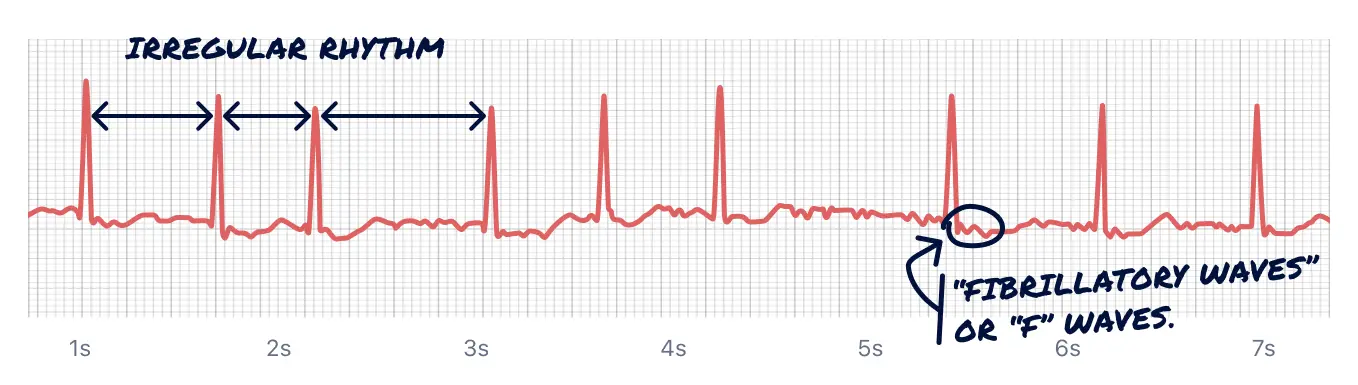
These aren't just numbers. They tell a story that many in the medical community are finally starting to listen to.
Why This Research Matters for You
This scientific evidence is your best ally. It takes your personal experience from something that can be easily dismissed and turns it into a data-backed reality. You aren't just describing a weird feeling; you're describing a recognized physiological phenomenon.
Knowing this empowers you in a few key ways:
- Validation: It confirms that you're not imagining the link between a sour stomach and a fluttering heart.
- Confidence: It gives you credible information to bring to your doctor, especially if they aren't familiar with this connection.
- Direction: It shows that managing your digestive health could be a critical strategy for getting your heart's rhythm back on track.
The bottom line is that the science is finally catching up to what people like you have known all along. Your gut health and your heart health are deeply connected.
Is It Reflux or a Heart Condition?
That sudden flutter in your chest is deeply unsettling. And the question that immediately follows is often the scariest one: "Is this my stomach or my heart?" We get it. That uncertainty can be overwhelming, especially when you feel like you're navigating it alone.
Let’s walk through some practical clues to help you start telling the difference.
Distinguishing between palpitations from reflux and a primary heart issue often comes down to looking for patterns. Your body is giving you signals, and learning to read them is a powerful first step toward peace of mind.
Clues Pointing Toward Acid Reflux
Think about when your palpitations happen and what else is going on at the same time. Many people find their heart flutters are directly tied to digestive events.
Here are a few common patterns that suggest reflux might be the culprit:
- Timing with Meals: Do your palpitations often kick in during or shortly after eating? Especially a large, spicy, or fatty meal?
- Positional Triggers: Do they get worse when you lie down flat or bend over? These are classic positions that can aggravate acid reflux.
- Accompanying Symptoms: Are the flutters joined by other tell-tale reflux signs? Think a burning sensation in your chest (heartburn), bloating, a lot of burping, or a sour taste in your mouth.
If you find yourself nodding along to these, it’s a strong sign that your gut is sending those mixed signals we talked about earlier. Just recognizing these patterns can be incredibly reassuring.
The connection between our gut and heart health is very real. This relationship, sometimes called the gut-heart axis, shows how issues in one system can directly impact the other.
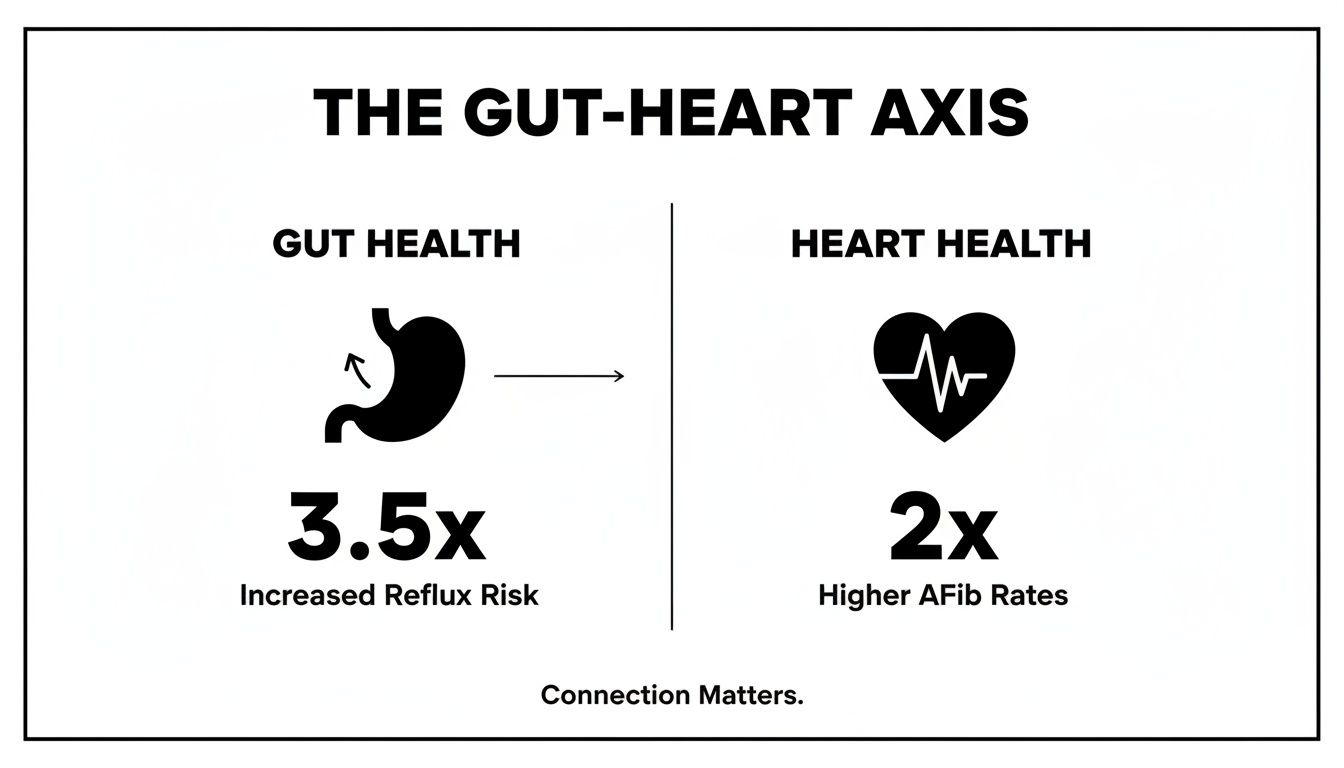
The data makes it clear: a higher risk of acid reflux often goes hand-in-hand with an increased chance of developing heart rhythm disturbances.
Taking Control with At-Home ECGs
While looking for patterns is helpful, it doesn't give you concrete data. This is where you can start to take back some control. Instead of just trying to describe a "flutter" to your doctor, you can actually capture it.
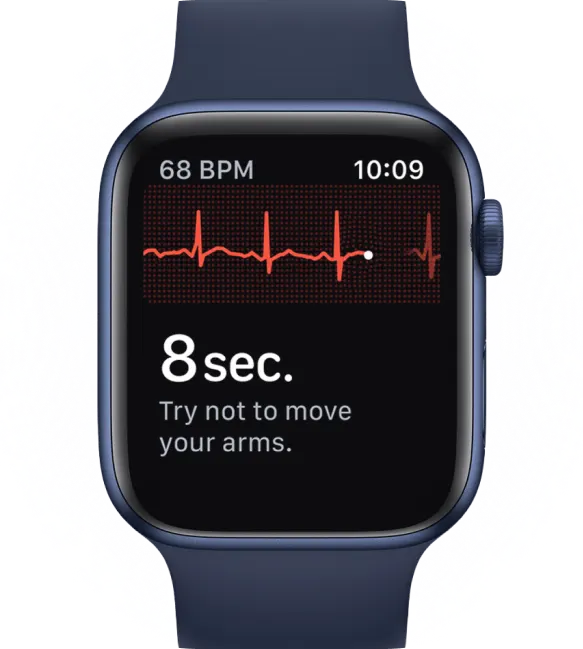
Modern smartwatches let you take an electrocardiogram (ECG) the moment you feel a palpitation. This recording gives you real, objective information about your heart's rhythm during an episode. It’s no longer just a feeling; it’s a piece of data you can see with your own eyes.
Capturing your ECG is just the first step. A service like Qaly connects you with certified experts who can interpret that ECG for you in minutes, any time of day. This process turns your worry and uncertainty into clear, actionable insight.
This is especially critical because research shows a significant link between digestive issues and heart arrhythmias. A major population study revealed that people with GERD had a 31% increased risk of developing future arrhythmias. Another found a strong association between having GERD and a higher likelihood of developing atrial fibrillation.
Of course, it’s vital to know when symptoms demand immediate attention. If your palpitations are ever accompanied by chest pain, severe shortness of breath, dizziness, or fainting, it’s time to seek medical help right away. You can learn more about heart palpitations and when to see a doctor in our helpful guide.


Practical Steps to Calm Your Gut and Heart
Understanding the link between your gut and your heart is a massive first step. But now for the part that puts you back in the driver's seat: taking action to find relief. Think of this section as your personal toolkit, packed with practical, everyday strategies to manage those reflux-related palpitations.
The goal isn't to flip your life upside down overnight. We're talking about simple, manageable adjustments to your lifestyle and diet that can make a surprisingly big difference. These are things you can start doing today.
Fine-Tuning Your Diet
For many people, the most powerful place to start is with what, and how, you eat. It's often specific foods that trigger the whole cascade of symptoms, and figuring out yours can be a total game-changer.
- Become a Symptom Detective: Grab a notebook or use an app to start a simple food and symptom journal. Log what you eat, when you eat it, and when any reflux or palpitations show up. The usual suspects are spicy foods, fatty or fried things, citrus, tomatoes, caffeine, and alcohol, but everyone's triggers are a little different.
- Eat Smaller, More Often: Big meals can crank up the pressure inside your stomach, which is what pushes acid up where it doesn't belong. Try swapping your three large meals for five or six smaller ones throughout the day. This keeps your digestive system much calmer and happier.
If you're looking for more personalized guidance, exploring resources that identify foods by symptom can be a great way to tailor your diet.
Adjusting Your Daily Habits
You'd be amazed at how much small tweaks to your daily routine can impact both acid reflux and the palpitations it triggers. It’s all about working with your body’s natural processes, not against them.
A great way to think about it is making gravity your best friend. After a meal, your stomach needs some time to get the digestive process going.
Key Takeaway: One of the most common culprits for nighttime reflux and palpitations is lying down too soon after eating. Try to wait at least 2-3 hours after your last meal before you hit the hay or even just lounge on the couch.
This one simple habit helps keep stomach acid right where it's supposed to be, preventing it from creeping up and bothering your esophagus and that all-important vagus nerve. Another simple but effective trick is to elevate the head of your bed by a few inches, either with blocks under the bedposts or by using a wedge pillow.
The best part is that when you treat the root cause, the reflux, the heart symptoms often take care of themselves. In fact, compelling research shows that acid-suppressing therapies can dramatically cut down on arrhythmia episodes in people with GERD. It’s a powerful confirmation of that gut-heart connection. For more immediate relief strategies, you might want to check out our guide on how to stop heart palpitations with top relief tips.
Taking Control of Your Heart Health with Qaly
It’s incredibly frustrating to feel dismissed by a doctor or to sit around anxiously waiting for an appointment, especially when you’re dealing with symptoms as scary as heart palpitations. This is exactly where technology, when paired with real human experts, can completely change the game and put the power back in your hands. A service like Qaly is designed to give you that immediate insight you need the moment that familiar flutter starts up.
Picture this: you feel a palpitation, and instead of just worrying, you record an ECG right on your smartwatch. Within minutes, you can have a certified expert review it, no matter the time of day or night. Getting that instant, professional feedback can do wonders for calming the anxiety that so often makes these symptoms feel even worse.
From Vague Feelings to Hard Data
This process does more than just give you peace of mind. It helps you build a powerful, detailed record of what your heart is actually doing over time. Instead of trying to describe "occasional flutters" to your doctor from memory, you can walk into your next appointment with a folder full of clear, data-backed ECG reports.
This simple shift transforms the entire conversation. You're no longer just a patient trying to explain a fleeting sensation; you're a proactive partner in your own healthcare, armed with the evidence needed to get the answers you deserve.
This is a new way forward. By combining your own body awareness with expert analysis from afar, you can finally start to get to the bottom of whether it's acid reflux causing your heart palpitations, or something else entirely.
This approach helps you:
- Get Instant Clarity: Understand what your heart is doing in the exact moment a palpitation happens.
- Reduce Your Anxiety: Replace the fear of the unknown with information verified by a human expert.
- Advocate for Yourself: Have more productive, data-driven conversations with your doctor.
You're not on this journey alone. With the right tools and support, you can navigate your health with confidence and finally feel heard.
Answering Your Common Questions
We get it. The journey to figuring out the link between your acid reflux and heart palpitations probably brings up a lot of "what ifs." So, let's tackle some of the most common questions head-on to give you a bit more clarity.
Can Palpitations From Acid Reflux Feel Like AFib?
Yes, they absolutely can, which is a big reason why it causes so much anxiety. The sensation of both acid reflux-related palpitations and atrial fibrillation (AFib) can show up as a chaotic, fluttering, or racing heartbeat.
This makes it nearly impossible to tell them apart by feeling alone. It’s this frustrating overlap that makes capturing an ECG on your smartwatch right when the symptoms hit so incredibly valuable. An expert analysis can spot the subtle differences between a benign, reflux-driven palpitation and a more serious arrhythmia like AFib.
When Should I Go to the ER for Palpitations?
You should always seek immediate medical help if your heart palpitations come with any of these red-flag symptoms:
- Chest pain
- Significant shortness of breath
- Severe dizziness or lightheadedness
- Fainting or feeling like you're about to faint
While many palpitations are harmless, these symptoms together could signal a serious cardiac event that needs urgent attention.
Trust your instincts. When it comes to symptoms like these, it’s always better to be safe than sorry and get checked out right away.
Will Treating My Acid Reflux Stop My Palpitations?
For many people, the answer is a resounding yes. If your palpitations are a direct result of GERD, then getting the reflux under control can dramatically reduce or even completely get rid of them.
In fact, studies have shown that when people with GERD start effective acid-suppressing therapies, their arrhythmia episodes often decrease significantly. A great way to see this for yourself is to keep a simple log of your symptoms as you begin treating your reflux. It’s a fantastic way to track your progress and confirm the connection.

Ready to turn your heart rhythm data into clear answers? With Qaly, you can get your smartwatch ECGs analyzed by certified experts in minutes, 24/7.



.png)
.png)