


Key Takeaways

User Profile
Hello Heart Hero. That sudden, anxious flip-flop in your chest after a restless night is unsettling, and you're right to question what’s going on. The short answer is yes, a lack of sleep can absolutely cause heart flutters, which are also known as heart palpitations. This isn't just in your head; it's a real, physical response to being exhausted.
Your Guide to Understanding Sleep and Heart Flutters
When you’re lying in bed and feel that strange flutter, skip, or pounding in your chest, it's easy for your mind to jump to the worst-case scenario. It’s a lonely feeling, especially when you’re already tired and just want some peace. We get it. Navigating health concerns can feel overwhelming, especially if you're feeling unheard.
This guide is different. It’s here to offer reassurance and clear answers, helping you connect the dots between how you sleep and how your heart behaves. We’ll explore this connection gently, without confusing jargon or scare tactics.
Think of your heart's rhythm like a perfectly timed orchestra. Each beat is a note, played in sequence to create a beautiful, steady rhythm. But when your body is sleep-deprived, it's like the orchestra's conductor is completely exhausted. The conductor might miss a cue or bring an instrument in at the wrong time, causing a momentary disruption in the music. That brief, out-of-sync moment is exactly what a heart flutter feels like.
What You Will Learn in This Guide
Our goal is to replace your anxiety with confidence. We’ll walk through everything you need to know, step by step, so you can feel empowered and in control of your heart health. Together, we'll explore:
- The Science Behind It: How a sleepless night directly affects your heart’s electrical system and can trigger those frustrating flutters.
- Common Arrhythmias: Identifying the specific types of "hiccups" in your heart rhythm that are often linked to poor sleep.
- Other Hidden Triggers: Uncovering how factors like stress, caffeine, and anxiety can team up with sleep loss to make palpitations worse.
- Taking Control at Home: How you can use modern tools, like your smartwatch, to monitor these flutters and get immediate, human-reviewed insights from services like Qaly.
- A Gentle Action Plan: Simple, practical steps you can take to improve your sleep and soothe your heart, one night at a time.
You're not alone in this, and you've taken an important first step just by looking for information. By the end of this guide, that unsettling flutter will feel less like a mystery and more like a clear signal from your body, one you understand and know how to respond to. Let's dive in.
How a Sleepless Night Throws Your Heart Off Beat
It’s the middle of the night, and you can’t sleep. Instead of rest, you’re left with a racing mind and maybe even a strange flutter in your chest. Let's pull back the curtain on why this happens, without all the confusing medical jargon.
Think of your body as having an internal control panel with two very important pedals: a “gas pedal” and a “brake pedal.” This whole setup is called your autonomic nervous system.
The gas pedal, or your sympathetic nervous system, is what revs things up for alertness, energy, and your "fight or flight" response. The brake pedal, your parasympathetic nervous system, is for slowing down, resting, and digesting. When everything’s in balance, they work together beautifully, like two skilled drivers taking turns.
Why Your Heart’s Gas Pedal Gets Stuck
When you don't get enough sleep, your body gets confused. It senses the exhaustion as a form of stress and keeps its foot pressed firmly on the gas pedal, flooding your system with stress hormones like adrenaline and cortisol.
This constant state of high alert is often what triggers heart flutters. Your heart's electrical cells, the ones responsible for creating each beat, can become overly excitable from all that stimulation.
A great way to picture this is like a guitar string pulled too tight. Even a gentle pluck can make it vibrate wildly. Similarly, an overstimulated heart cell can easily fire off an extra beat, creating that skipping or fluttering sensation you feel.
This infographic breaks down how a sleepless night can lead directly to that fluttering feeling in your chest.

As you can see, a lack of sleep creates a direct pathway to physical exhaustion, which in turn can disrupt your heart's normal rhythm.
The Science of a Tired Heart
This isn't just a theory; it's a measurable physical response. Studies have confirmed that even a single 24-hour period of sleep deprivation can significantly increase the activity of that "gas pedal" system. This imbalance makes it much harder for your heart to maintain its steady, calm rhythm.
This over-activation has a few specific effects on your heart:
- Increased Excitability: Adrenaline makes the heart's muscle cells more sensitive and prone to firing off on their own.
- Slower "Reset" Time: The "brake pedal" system, which helps calm the heart, becomes less effective.
- Hormonal Imbalance: High levels of stress hormones keep your heart rate and blood pressure elevated, putting extra strain on the whole system.
So, when you feel that flutter after a bad night's sleep, try not to panic. Instead, see it as a clear signal from your body. It's telling you that its internal balance is off and that it desperately needs rest to recalibrate and find its rhythm again.
This response is your body's way of raising a flag to get your attention. Those random spikes in heart rate can be jarring, and understanding their connection to sleep is the first step in managing them. If you’re curious about what causes these sudden changes, you might be interested in our guide on why your heart rate might spike randomly. Listening to these signals is a powerful act of self-care, allowing you to give your body the rest it's asking for.
Connecting Poor Sleep to Specific Heart Rhythms
That fluttery sensation in your chest can be unnerving, especially since not all flutters feel the same. Some might be a quick "blip," while others feel like a longer "pause and thud." This is because different types of heart rhythms can pop up when you're short on sleep.
Let's unpack what might be happening inside your chest. Getting to know these common, and often harmless, rhythms can help you feel less anxious and more in tune with what your body is trying to tell you.
The Heart's Common 'Hiccups': PVCs and PACs
When you're sleep-deprived, your heart is more prone to what you could call electrical "hiccups." These are basically extra, out-of-sync heartbeats that can feel like a skip, a flip-flop, or a brief pause followed by a stronger beat.
The two most common culprits are:
- Premature Ventricular Contractions (PVCs): This happens when one of your heart's lower chambers (the ventricles) decides to beat a little early, jumping the gun before it gets the official signal. This early beat is often followed by a slight pause as the heart resets, and the next normal beat can feel noticeably stronger because the chamber had more time to fill with blood.
-samsung.webp)
- Premature Atrial Contractions (PACs): A PAC is very similar, but this early beat originates from the heart's upper chambers (the atria). It also disrupts the normal rhythm for a moment, creating that classic fluttery or skipping sensation.
-fitbit.webp)
For most people, occasional PVCs and PACs are completely harmless. Think of them as your heart's way of showing it's a bit tired and overstimulated, much like an eye twitch when you're exhausted. They're incredibly common, but a lack of sleep can definitely make them happen more often.
These extra beats are often benign, but their presence can be a valuable signal. They are a physical reminder that your body’s internal balance is off, highlighting the importance of rest and recovery for your cardiovascular system.
When Chronic Sleep Loss Poses a Bigger Risk
While occasional flutters are one thing, chronic, long-term sleep issues like insomnia can unfortunately raise the stakes for more significant heart rhythm conditions. The most notable of these is Atrial Fibrillation, often called AFib.
In AFib, the heart's upper chambers beat chaotically and irregularly, almost like they're quivering instead of pumping effectively. This can feel like a rapid, fluttering, or disorganized rhythm that doesn't go away after a few seconds.
The link between poor sleep and AFib is well-documented. For instance, research has shown that people diagnosed with insomnia had a 29% higher risk of developing atrial fibrillation compared to those without insomnia. Similarly, individuals who woke up frequently during the night had about a 26% higher risk, according to findings from the American Heart Association.
Why Knowing the Difference Matters
So, can lack of sleep cause heart flutters? Absolutely. Most of the time, these are harmless PVCs or PACs that are just your body's way of asking for more rest. But it's also clear that persistent sleep problems can contribute to more serious conditions like AFib over time.
This is why paying attention to your body is so important. By understanding what these different flutters could mean, you empower yourself to see them not just as a nuisance, but as important data about your health. Monitoring these events, and seeing how they connect to your sleep and even your heart rate variability (HRV), gives you the knowledge to take proactive steps for your long-term well-being. If you're curious what your HRV numbers mean, check out our guide on why your HRV might be low.
Uncovering Other Common Causes of Heart Flutters
While a sleepless night is a powerful trigger for heart flutters, it rarely acts alone. Think of it as the main character in a story, but there's a whole cast of supporting players that make the plot interesting. Getting to know these other factors can give you a much clearer picture of your health and help you feel more in control.
Often, these triggers are tangled together, creating a frustrating cycle. A night of tossing and turning might lead you to grab an extra cup of coffee, which then kicks up your anxiety and brings on even more palpitations. Let's take a look at some of these common accomplices.
The Potent Mix of Stress and Anxiety
Stress and anxiety are probably the biggest partners-in-crime with poor sleep. When you’re stressed, your body floods itself with the same "fight or flight" hormones, like adrenaline, that a sleepless night produces. This puts your heart's electrical system on high alert, making it much more sensitive and prone to those familiar skips and flutters.
It’s a two-way street, too. Not getting enough sleep can dial up your anxiety, and anxiety can make it nearly impossible to fall asleep in the first place. This creates a challenging loop where each problem feeds the other, leaving your nervous system on overdrive and your heart feeling the effects.


Lifestyle Triggers That Add Fuel to the Fire
Beyond your emotional state, several everyday habits can make your heart more susceptible to palpitations, especially when you're already tired. This isn't about blame; it's about building awareness.
Here are a few common ones to keep an eye on:
- Caffeine: That morning coffee or afternoon energy drink gives you a jolt by stimulating your nervous system. For a heart that’s already on edge from lack of sleep, this extra stimulation can easily push it into firing off extra, unwanted beats.
- Alcohol: A glass of wine might feel relaxing at first, but alcohol can disrupt your heart's electrical signals and wreck your sleep quality later in the night. This often leads to waking up tired with a noticeably racing or fluttering heart.
- Dehydration: Your body relies on a delicate balance of electrolytes like potassium and sodium to manage everything from muscle contractions to your heartbeat. When you're dehydrated, this balance gets thrown out of whack, making it much easier for an irregular beat to pop up.
The connection between these factors is key. It's rarely just one thing. By noticing how your daily habits and emotional state intersect with your sleep, you can start to identify your unique pattern of triggers.
The impact of sleep deprivation on your heart can go far beyond temporary flutters. Clinical data shows that adults sleeping five hours or less have a significantly higher risk for serious conditions. For instance, among sleep-deprived individuals, about 40% had hypertensive heart disease, and 6.4% experienced a form of heart failure.
Understanding these other influences is a crucial step. By looking at the complete picture, you can begin making small, meaningful adjustments that go beyond just trying to sleep more. For a deeper dive into what might be behind that fluttering feeling, you can explore our detailed guide on the various causes of heart palpitations.
How to Monitor Your Heart Flutters at Home
That sudden flutter in your chest can be unnerving, right? It often brings a wave of anxiety along with it. But what if you could swap that worry for clear, objective data about what’s really happening with your heart? Taking control starts with understanding, and that’s more possible now than ever.
You no longer have to just wonder what that strange sensation was or struggle to describe it to your doctor days after the fact. Modern technology lets you capture the moment it happens.
The Power of At-Home ECGs
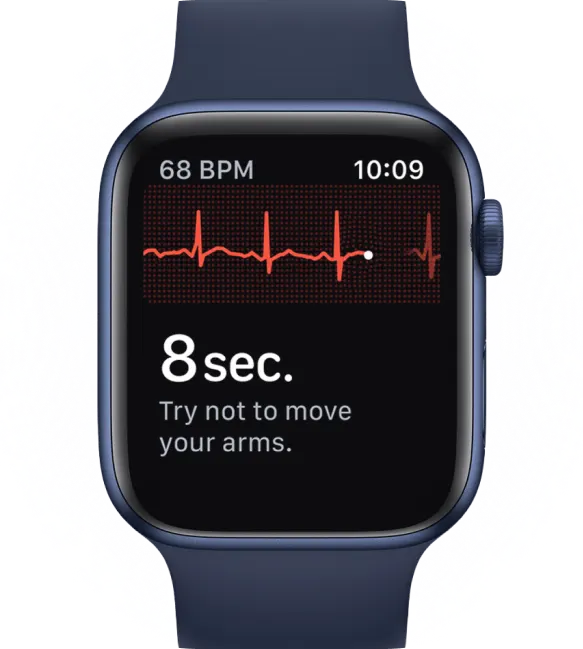
This is where wearable devices like the Apple Watch, Fitbit, Samsung Watch, and dedicated monitors like KardiaMobile have completely changed the game. They let you take a single-lead electrocardiogram (ECG) the instant you feel a symptom. This is a huge deal, since heart flutters are often fleeting and show up without warning.
Think of it like this: capturing an ECG during an episode gives you a direct snapshot of your heart's electrical activity at that exact moment. It’s like having a reliable witness to the event, providing you and your doctor with concrete evidence instead of having to rely on memory alone.
Turning Data into Answers with Expert Help
Taking an ECG is a fantastic first step, but let's be honest, those squiggly lines can look like a foreign language. This is where a service like Qaly becomes your trusted guide, bridging the gap between your device's data and a clear, human-backed answer.
Instead of facing a long wait for a specialist appointment, Qaly connects your ECG to a certified cardiographic technician who analyzes it for you in just minutes, 24/7. This simple process turns a confusing ECG strip into a straightforward report that explains exactly what rhythm was detected.
This immediate feedback is invaluable. It helps you quickly figure out if a flutter was a common, benign event like a PVC or PAC, or if it shows a rhythm that warrants a conversation with your doctor. Peace of mind can arrive in minutes, not months.
Having a More Confident Conversation with Your Doctor
One of the most frustrating parts of any health concern is feeling like you can't properly explain your symptoms. When you monitor your flutters at home and get them analyzed, you walk into your doctor’s office with something far more powerful than just a description.
You’ll have:
- Concrete Evidence: The actual ECG recordings of your palpitations.
- Expert Interpretations: Reports from Qaly’s technicians identifying the specific rhythms.
- A Clearer Timeline: You can show your doctor precisely when the flutters happen and how often.
Armed with this information, you can have a much more productive and confident conversation. Your doctor gets the precise data they need to make an informed decision about your care, and you get the reassurance of knowing you've been truly heard. This collaborative approach is key to getting the right care and finding lasting peace of mind.
For more tips, check out our complete guide on how to check your heart health at home.
Your Action Plan for Better Sleep and a Calmer Heart
Knowing that a lack of sleep can trigger heart flutters is the first step. Now for the good part: taking small, practical actions to guide your body back toward calm. This isn't about a massive life overhaul. It's about making tiny, consistent shifts that can make a big difference.
The real goal is to create an environment, both inside and outside your body, that actually invites rest. Lasting change is built on small habits that stack up over time, so let's focus on simple tweaks that put you back in the driver's seat of your nights and your heart health.
Building Your Bedtime Sanctuary
Your bedroom should be a sanctuary for rest, not a place where your mind races. Dialing in your sleep environment sends a powerful signal to your brain that it’s time to wind down. Small changes here can make a world of difference.
Try these simple but surprisingly effective adjustments:
- Create a Cool, Dark, and Quiet Space: Your body rests best in a cool room. Use blackout curtains or an eye mask to kill the light, and think about using earplugs or a white noise machine to drown out any disruptive sounds.
- Reserve Your Bed for Sleep: As much as you can, avoid working, eating, or endlessly scrolling on your phone in bed. This helps your brain create a strong association between your bed and rest, making it easier to switch off when you lie down.
- Establish a Soothing Wind-Down Routine: Dedicate the last 30 to 60 minutes before bed to something that calms you down. This could be reading a book (a real one!), listening to gentle music, taking a warm bath, or doing some light stretching. The key is finding what helps you shift gears from the day's stress to a state of relaxation.
Calming a Racing Mind and Body
Often, the biggest obstacle to sleep is a mind that just won't shut up. When you combine that mental chatter with physical tension, falling asleep can feel like an impossible task. This is where mindful practices can become your best friend in soothing both your nervous system and your heart.
Mindful breathing is one of the quickest ways to hit your body's "brake pedal." By intentionally slowing your breath, you send a direct message to your nervous system that you are safe and it's okay to relax.
Here’s a simple technique you can try tonight called Box Breathing:
- Gently breathe out all the air from your lungs.
- Inhale slowly through your nose for a count of four.
- Hold your breath for a count of four.
- Exhale slowly through your mouth for a count of four.
- Hold at the bottom for a count of four.
- Repeat this cycle for a few minutes until you feel your body start to unwind.
It’s also smart to be mindful of what you're consuming in the hours before bed. A late-afternoon coffee or an evening glass of wine can easily throw off your sleep patterns and leave you feeling wired or restless. Try to limit caffeine after 2 p.m. and avoid alcohol close to bedtime; it can make a huge difference in nighttime awakenings and heart flutters. For more in-depth tips, you can explore this guide on how to improve sleep quality naturally.
Answering Your Questions About Sleep and Heart Flutters
We've explored a lot of the science, but you probably still have a few questions buzzing around. That’s perfectly okay. Let's tackle some of the most common ones about that frustrating link between a sleepless night and a fluttering chest.
Can Just One Night of Bad Sleep Cause Heart Flutters?
You bet it can. Even a single night of tossing and turning is enough to knock your body's systems out of whack. It ramps up those stress hormones we discussed earlier and messes with your nervous system's finely tuned balance, which can absolutely trigger heart flutters.
The good news? For most people, these flutters are just a temporary protest from your body. Once you catch up on some quality sleep, they usually fade away.
Are Heart Flutters from Lack of Sleep Dangerous?
Usually, they’re not. Most of the time, flutters from sleep deprivation are just harmless extra beats, like PVCs (Premature Ventricular Contractions) or PACs (Premature Atrial Contractions). Think of them as your body's way of flashing a warning light that it's running on empty and desperately needs to recharge.
However, you should always listen to what your body is telling you. If the flutters become really frequent, stick around for a long time, or show up with friends like dizziness, shortness of breath, or chest pain, it’s time to call your doctor. Since chronic sleep loss can be a risk factor for more serious arrhythmias, getting to the bottom of it is always the smart move.
How Do I Know If My Flutters Are from Sleep or Something Else?
This is where you get to play health detective. The best first step is to keep a simple journal. Jot down notes about your sleep quality, daily stress levels, what you’re eating and drinking (especially caffeine!), and exactly when the flutters occur. You might be surprised how quickly a pattern starts to jump out.
For a more concrete answer, nothing beats hard data. Using a wearable ECG device, like the one on your smartwatch, to capture the rhythm right when you feel a flutter is a game-changer. It takes the guesswork out of the equation and gives you and your doctor clear, actionable information to figure out what's really going on.

When you need clarity and peace of mind, Qaly provides human-expert analysis of your ECGs in minutes, day or night.



.png)
.png)