


Key Takeaways

User Profile
Hello Heart Hero. If you've ever felt a strange flutter in your chest after downing an energy drink and immediately checked your watch ECG, you're not alone, and you're in the right place.
The simple answer to "are energy drinks bad for your heart?" is yes, they can be. This is especially true if you already have heart issues or if you drink them frequently. They can cause a significant spike in your heart rate and blood pressure, putting extra strain on your entire cardiovascular system.
Your Guide to Energy Drinks and Heart Health
We get it. It can be frustrating and a little scary when you notice something feels "off" with your body but aren't sure where to turn for clear, reliable information. This guide is meant to be that friendly resource, helping you understand exactly what happens inside your body when you have one of these popular drinks.
If you feel a change in your heartbeat, you're not imagining things. Energy drinks pack a powerful punch of stimulants that go way beyond what you'd find in a normal cup of coffee. Our goal here is to empower you with knowledge, breaking down the science in a way that makes sense without all the dense medical jargon.
Why Your Heart Reacts So Strongly
The main issue is the high concentration of ingredients specifically designed to give you that intense jolt of energy. It’s not just about the caffeine; it’s the combination of caffeine with other substances like taurine and guarana that all work together to rev up your central nervous system. This stimulation has a direct effect on your heart's normal rhythm and function.
Think of your heart as a steady, reliable drummer, keeping a consistent beat. Downing an energy drink is like suddenly adding a frantic, unpredictable second drummer who speeds everything up without warning. This can lead to those noticeable thumps or flutters that many people describe as heart palpitations. For a closer look at what causes these feelings, you might find our guide on what causes heart palpitations helpful.
Energy drinks and shots are hugely popular, particularly among teenagers and young adults. More than 500 energy drink products are on the market in the U.S., with annual sales topping $25 billion.
This isn't just a handful of personal stories; the effects are well-documented in clinical research. Studies consistently show a clear link between consuming energy drinks and measurable changes in heart activity. A comprehensive analysis of this research found that over 60% of studies showed increased heart rates, more than 53% reported rises in systolic blood pressure, and almost 63% observed a change in the heart's electrical cycle (the QTc interval), which is a key marker for arrhythmia risk.
These numbers highlight just how powerful these drinks are. They can make your heart beat faster, harder, and less predictably. You can learn more about the study's findings on how energy drinks affect heart rhythm and blood pressure.
This sets the stage for a deeper dive into your heart's health. We see you being proactive about monitoring your body, and we're here to give you the solid information you need to make smart, informed decisions.
What Happens Inside Your Heart After an Energy Drink
When you crack open an energy drink, you’re doing more than just waking up your brain. You're sending a potent signal to your entire cardiovascular system. It’s not a simple caffeine kick; it's the intense cocktail of high-dose caffeine, sugar, and other stimulants like guarana and taurine that can directly impact your heart's function.
Think of your heart's electrical system as a finely-tuned orchestra playing a steady, reliable rhythm. A massive influx of stimulants is like a frantic conductor suddenly demanding everyone play faster and harder. This can make your heart rate jump unexpectedly. If you've ever seen those sudden spikes on your wearable and wondered why, our article on why your heart rate randomly spikes might offer some answers.
The Immediate Impact on Your Heart's Rhythm
One of the first things people often notice is a change in their heartbeat. The stimulants in energy drinks can make your heart beat not only faster but also with more force. This is what causes that unsettling pounding or fluttering feeling we know as heart palpitations. For a healthy heart, this might just be a temporary annoyance. But for a heart that’s already sensitive, it’s a major stress test.
This stimulant mix doesn't just speed things up; it can throw the whole rhythm off. Your heart might start throwing in extra, out-of-sync beats. These are often what people feel as a "skipped" beat or a sudden thump in the chest, adding to the feeling that your heart is acting erratically.
Blood Pressure and Electrical Changes
Beyond just the beat, energy drinks consistently cause a spike in blood pressure. Both the top number (systolic) and bottom number (diastolic) can climb. This happens because the stimulants constrict your blood vessels, forcing your heart to work much harder to pump blood through the narrowed pathways.
A study confirmed that healthy volunteers who drank 32 ounces of a commercial energy drink had significant increases in both systolic and diastolic blood pressure. These effects went beyond what could be explained by caffeine alone, pointing to the unique blend of ingredients as the culprit for a more potent impact on the heart.
For many cardiologists, though, the most concerning effect is on the heart's electrical system, specifically, a measurement called the QTc interval.

Think of the QTc interval as the "reset time" your heart's electrical system needs between beats. It's like the shutter on a camera needing a moment to reset before taking the next picture. If that reset is too slow, the next photo might be blurry or not happen at all. A prolonged QTc interval means your heart's "reset" is taking too long.
When the QTc interval gets too long, it leaves the heart vulnerable to developing a very serious, chaotic, and potentially life-threatening arrhythmia. This hidden electrical change is one of the biggest reasons people ask, "are energy drinks bad for your heart?" The answer often lies right here.
Research supports this concern. In one key study, healthy adults who drank 32 ounces of energy drinks showed significantly prolonged QTc intervals four hours later. This finding highlights a real risk that goes far beyond a simple caffeine buzz, showing that the drink's unique formula can directly interfere with the heart's fundamental electrical function.
Understanding these mechanisms is the first step. That flutter you feel isn't just a vague sensation; it's a measurable physical response. By connecting these concepts to the data you see on your wearable ECG, you can start to build a clearer picture of your own heart health.
Who Is Most at Risk From Energy Drinks
While the intense stimulant mix in energy drinks can affect anyone, the reality is they don’t hit everyone the same way. Think of it like a sudden, heavy downpour. For a sturdy, well-built house, it might be a minor inconvenience. But for a home with a weak foundation, it could spell disaster. When it comes to the question, "are energy drinks bad for your heart?", for some people, the answer is a clear and resounding yes. Their bodies are just uniquely vulnerable.
It’s completely understandable to worry about your personal risk, especially if you've noticed your body reacting differently than others. Let's walk through which groups need to be particularly careful, so you can feel confident making choices that protect your heart.
People With Known Heart Conditions
If you're already living with a heart condition, an energy drink isn't just a casual pick-me-up. It can be a direct trigger for a serious cardiac event. Your heart is already working under specific rules, and dumping a powerful stimulant cocktail into the mix can throw its delicate rhythm into chaos.
This is especially true for those with inherited heart rhythm disorders. These include:
- Long QT Syndrome (LQTS): This condition affects the "reset" time of your heart's electrical system. Since energy drinks can prolong the QTc interval, they pose a significant risk of setting off a dangerous arrhythmia.
- Catecholaminergic Polymorphic Ventricular Tachycardia (CPVT): With CPVT, a surge of adrenaline can cause chaotic, dangerously fast heart rhythms. The stimulants in energy drinks create exactly that kind of adrenaline-like surge, making them extremely hazardous.
For those with genetic heart conditions, the risk is alarmingly clear. Research shows that for some individuals with a 'fragile heart,' the only safe dose of an energy drink is zero.
This isn't just a theoretical concern. A Mayo Clinic study of sudden cardiac arrest survivors found that for 5% of the patients, their event happened right after consuming an energy drink. These patients had conditions like LQTS and CPVT. The most powerful finding? Every single one who quit energy drinks afterward remained free of further events. You can learn more about how energy drinks may trigger arrhythmias in patients with genetic heart disease on mayoclinic.org.
If You Experience Frequent Palpitations or Arrhythmias
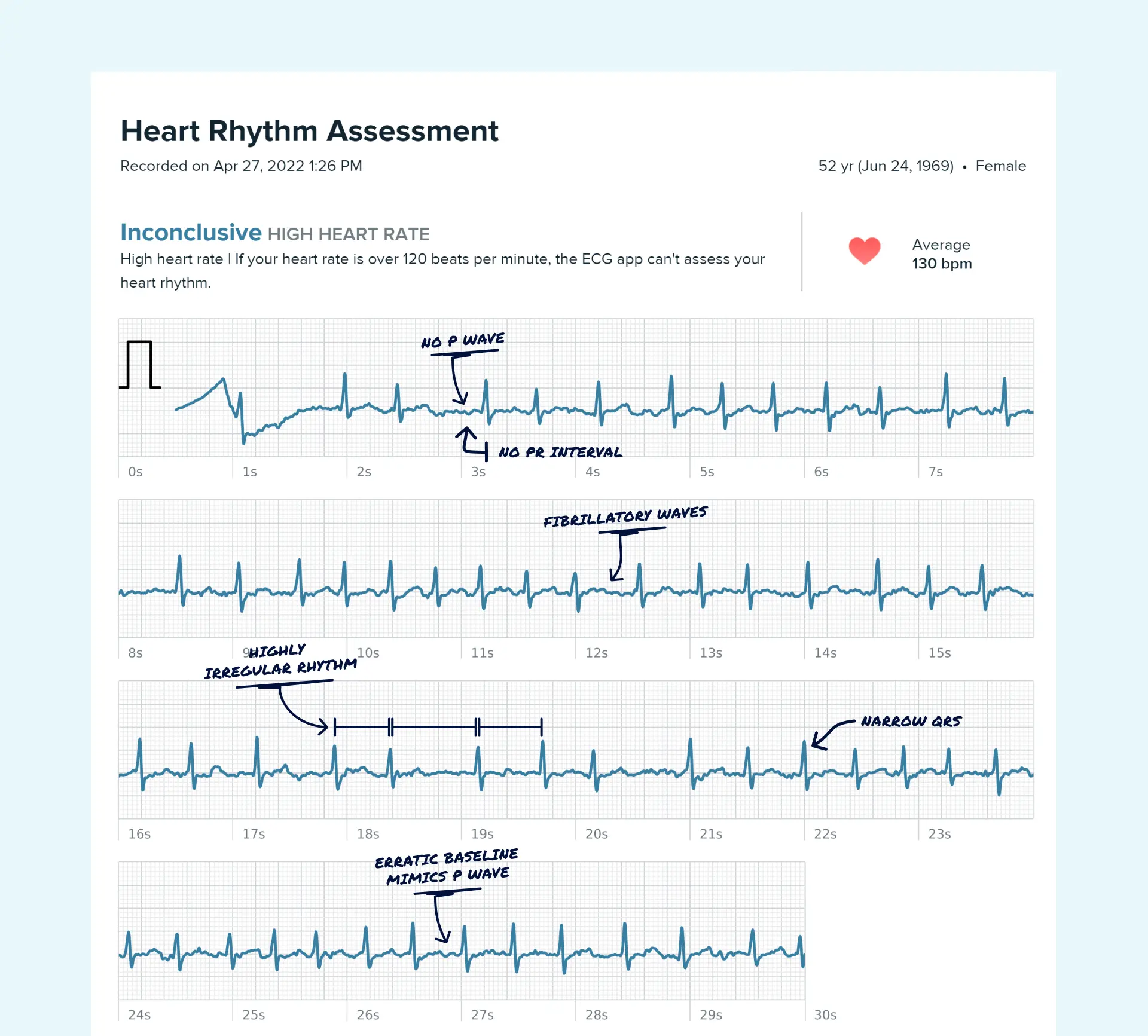
If you already deal with frequent heart palpitations or have a diagnosed arrhythmia like atrial fibrillation (AFib), you're in a higher-risk category. The stimulants in energy drinks are known to ramp up the frequency and intensity of palpitations, that pounding, fluttering, or skipped-beat sensation.
For someone with AFib, a condition where the heart's upper chambers beat chaotically, a flood of stimulants can easily provoke an episode. It can make your heart rate jump and become even more irregular, which is both frightening and physically draining.
Younger People and Developing Bodies
It's a common myth that because young people are generally healthy, they can handle anything. When it comes to energy drinks, that's just not the case. Their bodies, and especially their hearts, are still developing. They also tend to have lower body weights, meaning the same amount of caffeine can have a much more concentrated and powerful effect.
What's more, teens and young adults are often unaware of just how much stimulant they're consuming, especially with today's large can sizes or when they drink multiple cans in a short time. While the FDA considers up to 400 mg of caffeine per day safe for most healthy adults, it recommends teens limit their intake to 100 mg or less. A single energy drink can easily contain 200-300 mg, blowing past this guideline and putting their cardiovascular systems under serious stress.
Using Your Wearable ECG to Track Your Heart's Response

That strange flutter or racing feeling you get after an energy drink can be unsettling. It’s even more frustrating when you try to explain it to a doctor and feel like you’re not being heard. We get it.
The good news is, the wearable device on your wrist is more than just a gadget. It’s a powerful tool for taking control and becoming an active partner in your heart health.
Instead of just reacting to a symptom, you can start proactively gathering your own data. This shifts the power back to you, allowing you to see the real-time impact of stimulants on your heart. You’re no longer just describing a vague feeling; you’re collecting concrete evidence.
Creating Your Personal Heart Health Baseline
The first step is to establish what’s normal for you. Before you even think about consuming a stimulant, get into the habit of taking a baseline ECG with your watch when you feel calm and rested. This gives you a clear picture of your heart's typical rhythm.
Once you have a solid baseline, you can start to measure the effects of an energy drink. This isn't about encouraging consumption, but about understanding the answer to "are energy drinks bad for your heart?" in a way that’s personalized to your body. By capturing these moments, you're building a valuable health diary.
A simple yet powerful way to do this involves taking a few strategic ECGs:
- Before: Take an ECG before you have the drink to confirm your baseline rhythm.
- One Hour After: Capture an ECG about an hour after finishing the drink, when the stimulants are likely at their peak effect.
- Several Hours Later: Take another ECG a few hours later to see how long the effects last as the drink leaves your system.
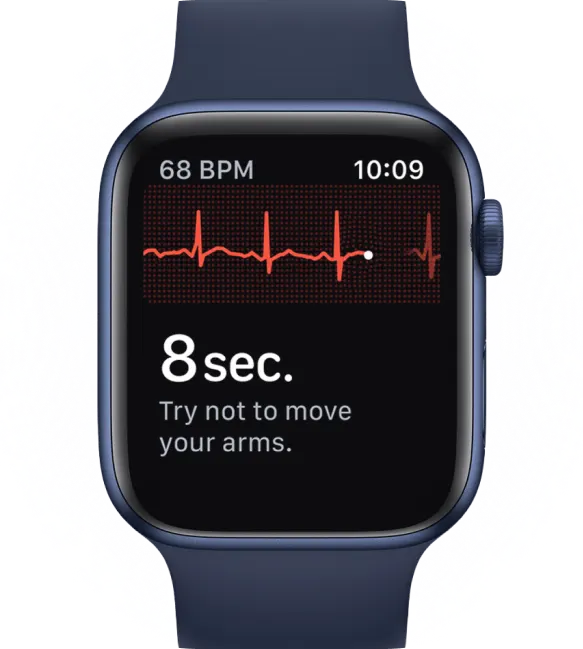
By following this method, you can start to see clear patterns. Maybe your heart rate jumps 20 points, or perhaps you notice more of those fluttery premature contractions (PVCs). This data is your personal proof. If you're new to this, don't worry. You can check out our guide on how to take an ECG with your Apple Watch to get started easily.
Turning Raw Data Into Actionable Insights
So you've captured a few ECGs. Now what? A squiggly line on a screen doesn't mean much on its own, and this is often where people get stuck. This is precisely where a service like Qaly becomes your advocate, helping you translate those lines into clear, understandable information.
Instead of waiting weeks for a doctor’s appointment, you can upload your ECGs to the Qaly app and have them analyzed by a certified cardiographic technician in minutes. This isn't an algorithm; it's a trained human professional looking at your specific heart rhythm.
Your wearable ECG captures the "what," but a human-verified analysis tells you the "so what." It transforms a simple recording into a powerful piece of evidence, giving you the clarity and confidence you've been looking for.
This process gives you so much more than a simple "normal" or "abnormal" reading. You receive a detailed report with precise measurements of your heart’s electrical activity.
Tracking Key Intervals for a Deeper Understanding
Your Qaly report will give you specific numbers for crucial ECG intervals, turning your observations into medical-grade data. These are the exact measurements a cardiologist looks at:
- PR Interval: This measures the time it takes for the electrical signal to travel from your heart's upper to lower chambers.
- QRS Duration: This shows how quickly the signal spreads through your heart's main pumping chambers.
- QTc Interval: As we’ve discussed, this is the critical "reset time" for your heart between beats.
Tracking these numbers over time, especially before and after an energy drink, reveals trends. Presenting your doctor with a series of reports showing a consistent QTc prolongation after every energy drink is a conversation starter they can't ignore. It changes the dynamic from "I feel a flutter" to "Here is the data showing my QTc interval increased by 25 milliseconds." This is how you transform your health journey from passive to proactive.
Safer Alternatives for a Natural Energy Boost

Look, we get it. Needing a boost to power through the day is a real struggle for a lot of us. The thought of giving up energy drinks can be tough, especially if they’ve become part of your daily routine. But making this change is one of the most powerful things you can do for your long-term heart health.
This isn't about lecturing you or setting impossible rules. It's about finding practical, supportive ways to make a change that works for you. We want to help you discover sustainable energy that supports your heart instead of stressing it, putting you back in the driver's seat of your own well-being.
A Gentle Guide to Weaning Off Energy Drinks
Quitting cold turkey is a recipe for headaches, fatigue, and frustration. A much smoother and more successful approach is to gradually wean yourself off them. This method puts you in charge, allowing your body to adjust at a comfortable pace.
Here’s a simple, step-by-step way to reduce your dependence:
- Start by Cutting Back: If you typically drink two cans a day, drop down to one. If you have one daily, try drinking just half. The idea is to slowly reduce the amount of stimulants your system is used to handling.
- Swap for Healthier Options: Once you're comfortable with a lower amount, start replacing that energy drink with a cup of black coffee or green tea. They still provide caffeine, but without the aggressive mix of other stimulants and sugars found in most energy drinks.
- Listen to Your Body: Pay close attention to how you feel. Some days will be harder than others, and that’s completely okay. The goal here is progress, not perfection.
This gradual process minimizes the shock to your system, making it far easier to stick with your new, healthier habit.
The most powerful energy doesn't come from a can. It comes from creating a foundation of wellness through smart, simple lifestyle choices that work with your body, not against it.


Building Sustainable Energy Naturally
Ultimately, the best long-term solution is to create energy from within. Instead of borrowing it from a can, you can build a reliable reserve through simple, heart-friendly habits. These methods won't give you that instant, artificial jolt, but they deliver lasting vitality without the crash or the health risks.
Here are some powerful, natural ways to boost your energy levels:
- Hydrate for Your Heart: Dehydration is a huge, and often overlooked, cause of fatigue. Before you reach for any caffeine, try drinking a large glass of water. Staying properly hydrated helps your heart pump blood more efficiently, getting oxygen and nutrients where they need to go.
- Move Your Body: When you feel that afternoon slump coming on, a brisk 10-minute walk can work wonders. It gets your circulation going, releases endorphins, and clears your head more effectively and safely than any stimulant.
- Fuel with a Balanced Diet: Focus on whole foods: fruits, vegetables, lean proteins, and complex carbs. These provide a steady stream of energy, unlike the sharp spike and subsequent crash you get from the high sugar content in most energy drinks.
- Prioritize Quality Sleep: This is the cornerstone of natural energy. Instead of using energy drinks to mask tiredness, work on the root cause by exploring strategies on how to wake up feeling refreshed.
Be wary of "natural" energy drinks, too. They can be misleading and often contain hidden stimulants or high amounts of sugar. While some ingredients like L-Theanine are sometimes added to try and moderate caffeine's harsh effects, their role in a high-stimulant cocktail can be complex. You can learn more about this in our article on L-Theanine side effects on the heart. By focusing on these foundational habits, you can tackle the root cause of fatigue, making the question "are energy drinks bad for your heart?" one you no longer have to worry about.
When to Seek Medical Attention for Heart Symptoms
It’s completely normal to feel a bit of anxiety when your heart does something unexpected, like a flutter or a sudden racing feeling. The big question is knowing the difference between a minor palpitation and a symptom that needs immediate attention.
So, how do you tell what’s serious? Let’s walk through the specific signs that mean you shouldn’t hesitate to seek help. Think of these as your body’s “red flag” warnings.
Red Flag Symptoms to Watch For
While a single, brief flutter can often be harmless, some symptoms should never be ignored, especially if they pop up after you've had a stimulant like an energy drink. If you experience any of the following, it’s crucial to seek emergency medical care.
Pay close attention to these signs:
- Chest Pain or Discomfort: This isn't just sharp pain. It can feel like pressure, squeezing, or even a dull ache in your chest.
- Shortness of Breath: If you suddenly find it difficult to breathe or catch your breath, this is a serious signal.
- Dizziness or Lightheadedness: Feeling like you might faint or that the room is spinning is a major warning.
- Fainting (Syncope): Losing consciousness, even for just a moment, always requires an immediate medical evaluation.
- Sustained, Rapid Palpitations: A racing heartbeat that doesn't calm down within a few minutes is a definite reason for concern.
Your intuition is a powerful tool. If something feels seriously wrong with your heart, trust that feeling. It's always better to get checked out and find out it's nothing, rather than ignore a potentially serious problem.
Using Your ECG as Concrete Evidence
One of the most frustrating things is going to the emergency room, only for your symptoms to have vanished by the time a doctor sees you. Trying to describe a "flutter" you felt an hour ago often doesn't carry the same weight as presenting cold, hard data.
This is where your wearable ECG becomes your most powerful advocate. If you experience any of those red flag symptoms, try to capture an ECG on your watch during the episode.
Walking into the ER with an ECG you've already had analyzed is a game-changer. A verified report from a service like Qaly, which identifies a specific arrhythmia like SVT (Supraventricular Tachycardia) or a high burden of PVCs (Premature Ventricular Contractions), is far more effective than just saying, "I felt a flutter." It provides doctors with objective evidence they can act on immediately, helping you get the right care, right when you need it.
_apple.webp)
Frequently Asked Questions About Energy Drinks and Your Heart
It's natural to have questions, and when it comes to your heart, you deserve clear, straightforward answers. Here are our responses to some of the most common concerns we hear about energy drinks and heart health.
Is One Energy Drink a Day Safe for My Heart?
There isn’t a one-size-fits-all answer here. For a healthy person with no underlying heart issues, a single energy drink might not cause an immediate, noticeable problem. That said, research has shown that even one can temporarily spike your blood pressure and interfere with your heart's electrical rhythm.
But for anyone with a pre-existing heart condition, a known sensitivity to stimulants, or a family history of heart trouble, the risk is significantly higher. In these situations, the safest number is often zero. The only way to know for sure is to understand how your own body responds.
Are 'Zero Sugar' Energy Drinks Better for My Heart?
While skipping the massive sugar load in 'zero sugar' drinks is a plus, it doesn't get to the heart of the matter, literally. These drinks still pack the same powerful stimulant cocktail, like high-dose caffeine and taurine, that poses the main cardiovascular risk.
It's this combination that can drive up your heart rate, elevate your blood pressure, and potentially alter your QTc interval. From a heart rhythm standpoint, they are not significantly safer than their sugary versions.
The most frustrating part of dealing with heart symptoms is feeling dismissed. This is a common and valid experience, especially when symptoms are fleeting.
My Doctor Dismissed My Palpitations. How Can I Get Taken Seriously?
This is a frustratingly common story, and we hear you. The single most powerful way to be taken seriously is to shift the conversation from a subjective feeling to objective data. Describing a "flutter" is one thing; showing your doctor precisely what happened is another.
Capturing an ECG with your wearable device the moment you feel an episode is a huge first step. The real game-changer, though, is having that ECG professionally analyzed. When you can present your doctor with a verified report that pinpoints a specific arrhythmia (like PVCs or SVT) and includes exact measurements, your concern becomes a concrete medical finding they can't ignore.

Noticed your heart racing after an energy drink? On the Qaly app, human experts will interpret your ECG within minutes, 24/7. Get started today.



.png)
.png)