




Key Takeaways

User Profile
Hello Heart Hero. We get it. You're looking for ways to find a little calm in a hectic world, but you're also wisely cautious about anything that could affect your heart. You've come to the right place. This guide is for you.
Your Guide to L-Theanine and Heart Health

Here, we'll unpack the conversation around L-theanine, a popular supplement known for its relaxing qualities, and what that means for your heart. Many people are looking for answers beyond the typical medical playbook, and it’s smart to do your homework. We understand that feeling of wanting to find your own solutions when the healthcare system can feel confusing or impersonal.
We'll look at what the science says about its impact on heart rate and blood pressure, especially for those of us who keep a close eye on our heart rhythms with wearables. Our goal is to give you clear, trustworthy information so you can make confident decisions without the stress.
Think of this as a conversation with someone who understands your concerns about heart health. We believe knowledge is empowering, and understanding how a supplement interacts with your unique body is the most important first step.
Understanding the Research on L-Theanine and Stress
When it comes to the heart, stress is a major player. L-theanine's main claim to fame is its ability to promote relaxation without drowsiness, which naturally raises questions about its effects on the heart. Does calming the mind also calm the heart? It’s a great question to ask.
A key study offers some fascinating clues. It involved 48 adults who were put through intense mental tasks to simulate a high-stress situation. In the group identified as having a high-stress response, L-theanine helped soften the spike in their blood pressure during the task. Afterward, their readings dropped noticeably compared to the group that didn't take it.
This suggests that one of L-theanine's main benefits for the heart might be indirect. It seems to help buffer the body's reaction to short-term stress. For anyone whose heart rate tends to shoot up during anxious moments, this is a pretty interesting finding.
By helping to manage the body's stress response, L-theanine may play a role in supporting cardiovascular stability, particularly when it comes to blood pressure ups and downs tied to anxiety.
To build a more complete picture of heart wellness, it can be helpful to explore related topics like LDL particle size and its significance for cardiovascular well-being. And if you're curious about a broader range of options, check out our guide on other supplements for heart health to see how L-theanine fits into the bigger picture.
What Is L-Theanine and Why Is It So Popular
Before we dive into how L-theanine might affect your heart, let's get a handle on what this popular supplement actually is. It's reassuring to know exactly what you're considering putting into your body.
Think of it as one of nature's calming agents, an amino acid (a building block of protein) found naturally in green tea leaves. For centuries, people have sipped green tea for that unique feeling of gentle tranquility it brings. It turns out L-theanine is the star player responsible for that serene effect.
Unlike caffeine, which hits the gas pedal on your nervous system, L-theanine acts more like a gentle brake. It doesn't knock you out or make you drowsy. Instead, it fosters a state of "alert relaxation". This is that sweet spot where you feel calm but still focused.
The Science Behind the Calm
So, how does it pull this off? L-theanine subtly nudges some of the key chemicals in your brain that regulate mood, stress, and even sleep. Specifically, it can increase levels of helpful brain messengers like GABA, serotonin, and dopamine.
These chemicals are your brain's own mood-management team.
GABA is a calming messenger, meaning it helps quiet down excessive brain activity and can reduce feelings of anxiety.
Serotonin is often nicknamed the "feel-good" chemical, playing a big role in our sense of happiness and well being.
Dopamine is tied to your brain's reward system, influencing focus, motivation, and pleasure.
By giving these systems a gentle boost, L-theanine helps cultivate a more balanced and stable mental state. This is exactly why it has made the journey from ancient tea ceremonies to modern supplement aisles.
Its ability to promote relaxation without making you sleepy is the key reason so many people turn to it. They're looking for a way to manage daily stress, sharpen their focus, or simply unwind for a better night's sleep.
This unique profile has made it a go-to for anyone feeling stretched thin. For many, its gentle, natural approach is a welcome alternative to more aggressive solutions sometimes found in the healthcare system. It's about finding what works for you.
How L-Theanine Affects Heart Rate and Blood Pressure
So, here’s the big question: can something that calms your mind also have an effect on your heart? The answer seems to be yes, and in a way that might be pretty reassuring.
Think of your nervous system as having two primary settings. You have a "gas pedal" that revs up your fight or flight response, and a "brake pedal" that helps you rest and digest. Research suggests L-theanine gently presses that brake pedal.
It helps to balance out the stress that would normally make your heart race and your blood pressure climb. This subtle effect can be comforting, especially if you get anxious about every little flutter or palpitation you feel in your chest.
A Look at the Numbers
The real magic here is L-theanine’s ability to moderate your body’s reaction to stress. In several studies, when people were put into mentally demanding situations, those who took L-theanine showed a less dramatic spike in their blood pressure compared to those who didn't.
This doesn't mean it’s a replacement for blood pressure medication, but it does suggest a supportive role. For someone who sees their numbers creep up during anxious moments, this calming influence could be very welcome. It’s all about creating a more stable internal environment, which is a cornerstone of good heart health.
While often considered safe, it's worth noting that a very small number of people in trials, under 5%, report side effects like headaches. In theory, this could trigger a stress response. However, good studies reliably show that standard doses decrease heart rate and blood pressure, particularly in adults under stress, which may help reduce long-term risks.
What This Means for You
This calming effect on your cardiovascular system is an important piece of the puzzle. A slight, consistent dip in blood pressure and a steadier heart rate are positive signs. Managing these numbers is fundamental to long-term heart wellness.
The real power of L-theanine might not be a dramatic intervention, but a gentle, steadying hand that helps your body better handle the ups and downs of daily stress.
Understanding these mechanics can be empowering. If you're interested in diving deeper, you might be interested in our guide on the fundamentals of monitoring your blood pressure. Ultimately, knowing how supplements like L-theanine work helps you have a more informed, confident conversation with your healthcare provider about what’s right for your heart.


The Link Between L-Theanine and Heart Palpitations
When you're already living with the daily reality of palpitations, SVT, PVCs, or AFib, asking questions about a new supplement isn’t just smart. It’s absolutely essential. The big question on your mind is probably, "Could L-theanine make my heart rhythm issues worse?"
Let's tackle this head on, with the care it deserves.
Generally speaking, L-theanine is not known to be a direct cause of arrhythmias. In fact, because of its well-known ability to help take the edge off the body's stress response, many people find it actually helps reduce the frequency of their stress-induced palpitations. But everyone's body is different. What's calming for one person might have a different effect on another, especially in someone who's highly sensitive.
This is where the conversation gets a bit more detailed. It’s not about sounding an alarm, but about being aware and thoughtful. Understanding a little about how L-theanine works inside your body can help you make a much more informed choice.
A Deeper Look at How It Works in Your Body
While L-theanine isn't a typical trigger for palpitations, we need to think about its subtle influence on the systems that control your heart. For anyone managing a pre-existing arrhythmia, any change to your body's delicate internal balance is worth paying attention to. It can be helpful to review the common triggers and what causes heart palpitations to better understand your own patterns.
A fascinating animal study gives us some important clues here. Researchers looking at heart cells during a period of intense stress found that L-theanine had a protective effect. It actually helped reduce the size of damaged heart tissue and improved how well the heart was pumping.
But the study also showed how it did this. L-theanine achieved these benefits by influencing a very specific internal signaling pathway. When the researchers blocked this pathway, all of L-theanine's protective effects vanished. This tells us its interaction with heart cells is quite specific and powerful. You can explore the detailed science behind these L-theanine cardiac protein findings.
The takeaway here is simple: L-theanine can interact with the heart at a cellular level. For someone with a perfectly regular heartbeat, this is unlikely to be an issue. But for a heart that is already prone to irregular rhythms like AFib or PVCs, changing these pathways could theoretically introduce an element of unpredictability.
This doesn't make L-theanine dangerous. Far from it. But it does highlight why a cautious, mindful approach is so important. It underscores why starting with a low dose and carefully monitoring your body's response, always in partnership with your doctor, is the wisest path forward.
Interactions with Heart Medications and Caffeine
When you’re thinking about adding a new supplement to your routine, you have to look at the whole picture. This is especially true if you're already taking medications for your heart. Think of it like managing a complex recipe. Adding a new ingredient, even a seemingly harmless one, can change the final outcome.
This is especially true for anyone on medication for high blood pressure. Since L-theanine can have a mild blood pressure lowering effect on its own, combining it with these drugs could cause your pressure to dip too low. This is a condition called hypotension. It can leave you feeling dizzy, lightheaded, or unsteady, which is definitely not the goal.
The L-Theanine and Caffeine Partnership
One of the most popular duos in the supplement world is L-theanine and caffeine. A lot of people combine them to get that clean focus and energy from caffeine without the jittery, heart-pounding side effects. L-theanine is known to "smooth out" the caffeine buzz, which sounds like a perfect solution.
But for someone who pays close attention to every beat and flutter, this combination adds another layer to manage. While L-theanine might help take the edge off the jitters, you're still introducing a powerful stimulant into your system. Caffeine is famous for increasing heart rate and can be a common trigger for palpitations in sensitive individuals. Trying to use L-theanine to perfectly cancel this out can be an unpredictable balancing act. You can get a much deeper look into coffee's impact on your heart in our other guide.
It also helps to know the differences in caffeine content between coffee types, such as Arabica and Robusta, so you can better manage how much you're consuming. The main takeaway is to be fully aware of everything you’re putting into your body.
Your heart's rhythm is your own personal baseline. Mixing a calming agent like L-theanine with medications or stimulants demands a safety first mindset and a completely transparent conversation with your doctor about everything you take.
This isn’t to scare you off, but to arm you with the right questions. Before you start taking L-theanine, it’s crucial to go over all your current medications and daily habits with your healthcare provider. They can assess your personal risk factors and help you figure out if this supplement fits safely into your health plan.
Monitoring Your Heart While Taking L-Theanine
This is where you take back control. If you and your doctor decide that trying L-theanine is a reasonable step, your wearable device is an incredibly powerful tool for self awareness and peace of mind.
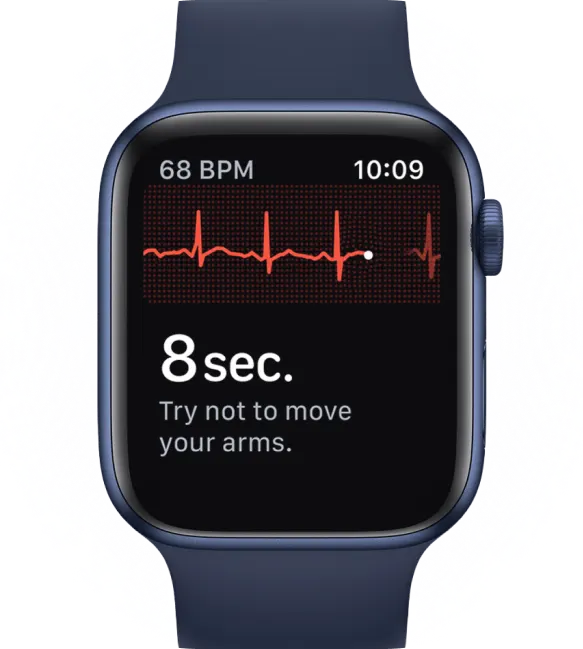
Whether you're using an Apple Watch, Kardia, Fitbit, or another device, you don't have to guess how your body is responding. Instead, you can gather your own data, turning vague feelings of palpitations or weird rhythms into clear, actionable information. This personal data is invaluable for having productive, specific conversations with your doctor.
Creating Your Personal Baseline
A simple monitoring plan can make all the difference. Before you even take your first dose, you need to understand your "normal." Here’s a straightforward way to do it.
First, establish a baseline. For 2 to 3 days before you start L-theanine, take a few ECG recordings with your device at different times of the day, like morning, afternoon, and evening. This gives you a clear picture of your heart's typical rhythm when you're just going about your life.
Next, monitor after dosing. Once you begin, check your rhythm about an hour after taking a dose. This is a good window to see if there are any immediate changes.
Finally, track your symptoms. This is crucial. Pay close attention to how you feel. Are your palpitations changing in frequency or intensity? Are you noticing any new patterns or sensations? Jot it down. A simple note can provide powerful context to an ECG strip.
This process transforms you from a passive patient into an active partner in your own healthcare. The goal isn’t to hunt for problems, but to build a deeper, more informed understanding of your body’s unique responses.
By systematically tracking your heart's rhythm before and after taking L-theanine, you create a personal health log. This data empowers you to have a much more specific and informed conversation with your doctor about what’s really going on.
This is exactly what apps like Qaly are built for. You can capture these ECG moments, have them analyzed by certified technicians in minutes, and track trends over time. This detailed log gives both you and your doctor the clarity needed to make confident decisions about your heart health.
Frequently Asked Questions About L-Theanine and Your Heart
We've covered a lot of ground, but you probably still have some specific questions buzzing around. When it comes to your heart, it's completely normal to want clear, direct answers. This section is designed to tackle the most common concerns we hear from heart-conscious people just like you.
Let’s get right to it.
Can L-Theanine Cause Heart Palpitations?
It's a fair question, but directly causing heart palpitations isn't a known or common side effect of L-theanine. In fact, for many people, it might do the exact opposite. By calming the nervous system and easing the body’s stress response, L-theanine can sometimes help reduce the frequency of anxiety-induced palpitations.
However, everybody is different. While L-theanine itself is an unlikely trigger, it's theoretically possible that a rare side effect, like a headache, could spark a stress response that leads to palpitations. If you notice a clear uptick in palpitations right after starting L-theanine, the best move is to stop taking it and talk it over with your doctor.
What Is a Safe L-Theanine Dose for a Heart Condition?
This is a critical question, and the honest answer is this: there's no single "safe dose" for everyone. It's entirely personal and depends on your specific heart condition, your overall health, and any other medications you’re taking. This is precisely why a conversation with your cardiologist is non negotiable.
With that said, most clinical studies exploring L-theanine's effects use dosages between 100 mg to 200 mg per day. If your doctor gives you the green light, a very cautious approach would be to start much lower, maybe around 50 mg. This lets you see how your body responds without introducing a major change.
Never start a new supplement without getting personalized guidance from your doctor. They are the only ones who can provide advice based on your complete medical history.
Should I Stop L-Theanine Before a Cardiac Procedure?
Yes, this is highly recommended. It’s essential to tell your entire medical team about every single supplement you're taking, including L-theanine, well before any scheduled procedure.
Because L-theanine can have a mild effect on blood pressure and heart rate, your doctor will almost certainly ask you to stop taking it for a specific period beforehand. This ensures they can get accurate baseline readings and avoid any potential surprises during the procedure. For your own safety, always follow your healthcare provider's pre-procedure instructions to the letter.

At Qaly, we believe understanding your heart shouldn't be a source of anxiety. If you're using a wearable device to monitor your heart's rhythm, our expert-led ECG analysis can provide the clarity and peace of mind you deserve.



.png)
.png)