




Key Takeaways

User Profile
Hello Heart Hero. Have you ever felt your heart suddenly flutter, race, or skip a beat and wondered what on earth was happening? It’s a surprisingly common experience, and it's completely natural to feel a bit worried when it does. This guide is here to walk you through it with clear, reassuring answers.
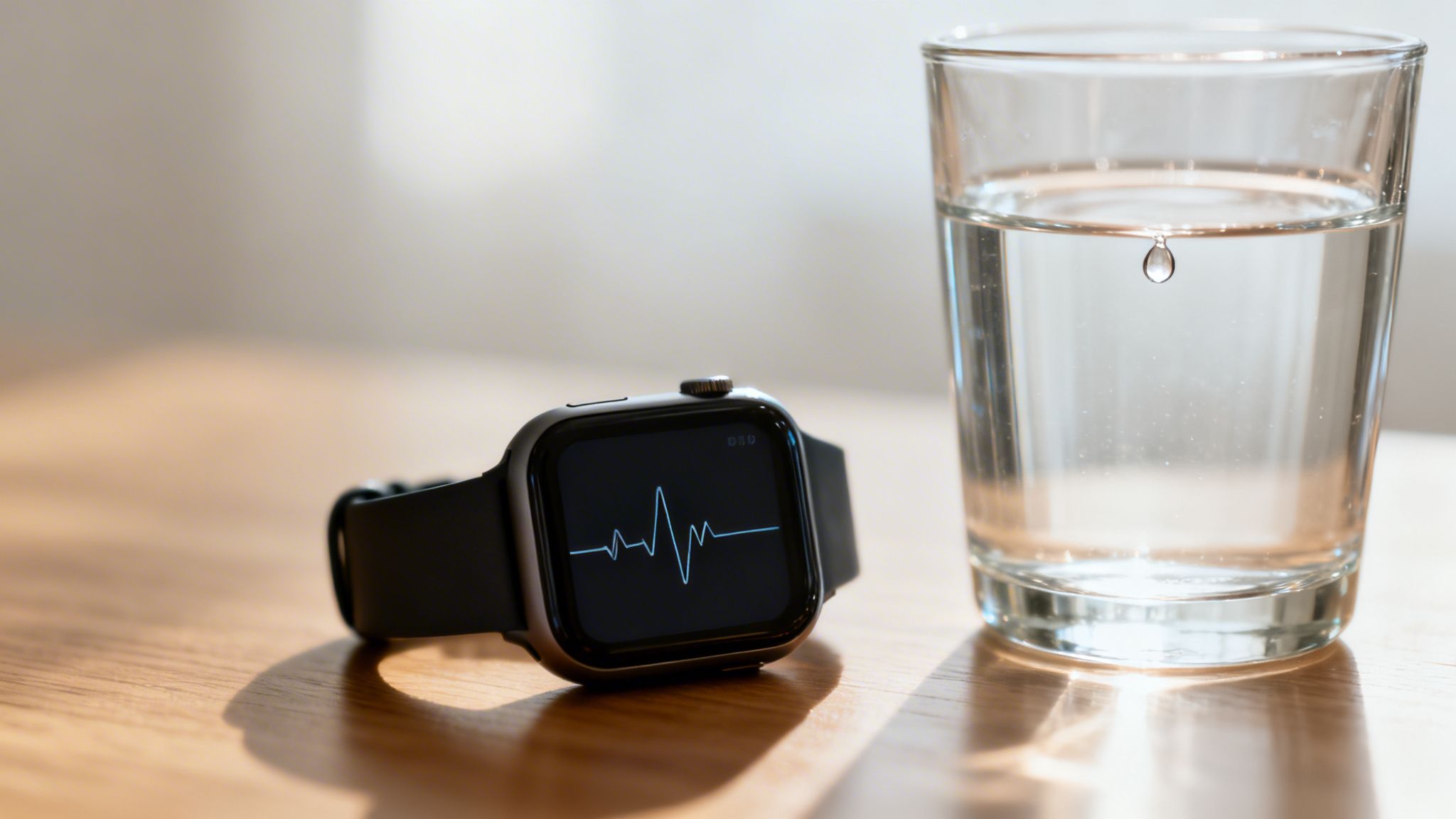
So, can something as simple as not drinking enough water actually cause heart palpitations? The short and simple answer is yes. Think of your heart as a finely tuned engine. It needs the right amount of fluid to run smoothly. When you're dehydrated, your total blood volume drops, forcing this engine to work harder. Sometimes, that extra strain can make it skip a beat.
Understanding Your Heart's Rhythm and Hydration
That unsettling flutter in your chest is a message from your body, and it’s one worth listening to. Many of us are quick to blame stress or that extra cup of coffee, but often, the real culprit is much simpler: your body just needs more water. It’s an idea that can feel almost too basic to be true, yet it’s incredibly powerful.
We live in a world that often overcomplicates health, pushing complex solutions when the most fundamental needs are overlooked. You are right to be skeptical and to seek out your own answers. Understanding the direct link between your daily water intake and your heart’s steady beat is a foundational step toward taking back control of your well-being.
Why Hydration Is So Important for Your Heart
Imagine you're out for a run on a hot day, sweat is pouring, and suddenly your heart starts thumping erratically. That's a classic sign of dehydration at work, and it can absolutely trigger heart palpitations. When your body loses more water than it takes in, your blood volume drops.
This isn't just a small change. Studies have shown that even mild dehydration can cause your heart rate to jump by about 20 beats per minute compared to when you're fully hydrated. Your heart has to pump faster and harder to circulate the now-thicker, lower-volume blood to all your organs. This extra strain can disrupt its normal electrical rhythm, leading to those noticeable flutters or skipped beats.
Your heart isn't just a muscle; it’s an electrical marvel. Proper hydration ensures the minerals that conduct these electrical signals, electrolytes like potassium and sodium, are perfectly balanced. When they aren't, the signals can get crossed, leading to palpitations.
Building a Foundation for Heart Wellness
Taking care of your heart goes beyond just a single action. It’s really about building a set of simple, consistent habits that support its rhythm day in and day out. This includes:
- Mindful Hydration: Don't wait until you feel thirsty. That's a sign you’re already dehydrated. Instead, aim for a steady intake of fluids throughout the day.
- Balanced Nutrition: Eating foods rich in electrolytes helps maintain the electrical stability your heart relies on to beat correctly.
- Understanding Your Body's Signals: Learning to recognize the early signs of dehydration is key to preventing palpitations before they even start.
Grasping your heart's basic functions is a huge part of overall wellness. For instance, knowing how to lower resting heart rate can provide another layer of control and understanding, empowering you to manage factors like dehydration more effectively.
How Dehydration Directly Impacts Your Heartbeat
Let's break down exactly how a lack of water can throw your heart off rhythm. It’s frustrating to be told something is wrong without understanding why. This section is all about arming you with that knowledge, putting you back in the driver's seat of your health.
Think of your bloodstream as a river. When you're well-hydrated, this river flows smoothly. But when you don't drink enough water, the river gets thicker and sludgy. This forces your heart, the powerful pump at the center of it all, to work much harder to push that thicker blood through your body.
This extra strain is often what triggers that fluttering or racing feeling you’ve noticed. It’s not a random glitch; it's a direct result of a few key things happening inside your body when water levels drop.
The Three Main Ways Dehydration Stresses Your Heart
When your body is short on water, it puts your heart under pressure in three specific ways. Once you see how these are connected, it's easier to understand why you feel palpitations and just how critical hydration is for your heart's rhythm.
First, lower fluid levels mean lower blood volume. With less blood to circulate, your heart has to beat faster and harder to keep your blood pressure up and make sure oxygen gets to all your vital organs. This increased rate is what you often feel as a racing heart or palpitation.
Second, dehydration throws your electrolytes out of balance. Electrolytes like sodium and potassium are like the tiny spark plugs for your heart's electrical system, carrying the signals that tell your heart muscles when to contract. When these minerals are out of whack, the signals can misfire, causing skipped beats or flutters. If you're curious, you can see what this looks like on a home ECG in our guide on how an electrolyte imbalance can be seen on your ECG.
Finally, being dehydrated is a major stressor. This physical stress kicks your sympathetic nervous system, the one responsible for your "fight or flight" response, into high gear. This can release hormones like adrenaline, which naturally cranks up your heart rate and can add to the feeling of palpitations.
The path is clear: a simple lack of water creates the perfect conditions for your heart to beat irregularly.
Recognizing Everyday Dehydration Risk Factors
Feeling your heart flutter isn't just something that happens after running a marathon in the summer. The truth is, many common situations in our daily lives can silently lead to dehydration and trigger those unsettling palpitations. Recognizing these subtle risks is the first step toward protecting your heart’s steady rhythm.
It’s easy to overlook how much fluid we lose. A busy workday fueled by multiple cups of coffee but very little water is a classic recipe for dehydration. Or think about the fluid loss that occurs when you're recovering from a stomach bug or a fever. These everyday scenarios can sneak up on you.
You don't have to feel thirsty to be dehydrated. By the time your body sends that signal, you're already low on fluids, and your heart may already be working overtime to compensate.
Common but Hidden Triggers
Many daily habits and circumstances can put you at a higher risk without you even realizing it. Being aware of them can help you stay one step ahead and keep your heart happy. Let’s look at a few common culprits.
- Caffeine and Alcohol: Both of these are diuretics, meaning they make you urinate more frequently and lose more fluid. That morning coffee or evening glass of wine might be contributing to your fluid imbalance.
- Certain Medications: Some common medications, such as diuretics (often called "water pills") used for blood pressure, can increase fluid loss and disrupt electrolyte levels, creating the perfect storm for palpitations.
- Increased Stress Levels: When you’re stressed, your body releases hormones that can increase your heart rate and breathing, causing you to lose more fluid through respiration than you normally would.
- Hot or Dry Environments: Spending time in heated indoor spaces during winter or air-conditioned rooms in the summer can dry out the air, increasing your body's fluid loss just by breathing.
Who Needs To Be Extra Careful
While anyone can experience dehydration, some people are more vulnerable and need to be especially mindful of their fluid intake. Older adults, for instance, naturally have a lower volume of water in their bodies and may have a diminished sense of thirst, making it easy to become dehydrated without knowing it.
Similarly, individuals with pre-existing heart conditions need to be particularly vigilant. Dehydration can be a major trigger for arrhythmias, especially if you're prone to atrial fibrillation (AF). AF is the world's most common arrhythmia and currently affects millions of people. Those numbers are projected to climb to 15.9 million by 2050. For those with heart failure, dehydration can significantly worsen AF risks and impact quality of life. You can learn more about how dehydration is linked to atrial fibrillation and heart failure. By identifying these personal triggers, you can take proactive, simple steps to protect your heart.
How To Listen To Your Body And Your Smartwatch
That flutter in your chest is a message from your body, and it's time to learn its language. Knowing how to interpret these signals can turn worry into action and give you a sense of control. This is about being your own best health advocate, combining your body’s wisdom with the power of modern technology.
When heart palpitations from dehydration strike, they rarely show up alone. They often bring along friends that serve as clear warning signs. Learning to spot these companions can help you connect the dots and realize that a simple glass of water might be the solution you need.

Classic Signs Your Body Needs Water
Before a palpitation even starts, your body is likely sending you subtle hints that its fluid levels are dropping. Pay attention to these classic signs that often appear alongside that heart flutter:
- Feeling Dizzy or Lightheaded: When your blood volume decreases, your blood pressure can drop, making you feel unsteady, especially when you stand up.
- Unexplained Fatigue: Your muscles and organs need proper hydration to function efficiently. Feeling unusually tired could be an early sign.
- Dark-Colored Urine: This is one of the most reliable indicators. Well-hydrated urine is pale yellow, while dark yellow or amber means it's time to drink up.
However, sometimes palpitations signal something more serious. If your palpitations are accompanied by chest pain, fainting, or severe shortness of breath, it is crucial to seek medical care right away. These are red flags that should never be ignored.


Using Your Smartwatch As A Health Ally
For many, palpitations are fleeting, making them difficult to describe to a doctor. This is where your wearable device becomes an incredible tool. An Apple Watch, Fitbit, or other smartwatch can capture what you’re feeling and turn it into concrete data.
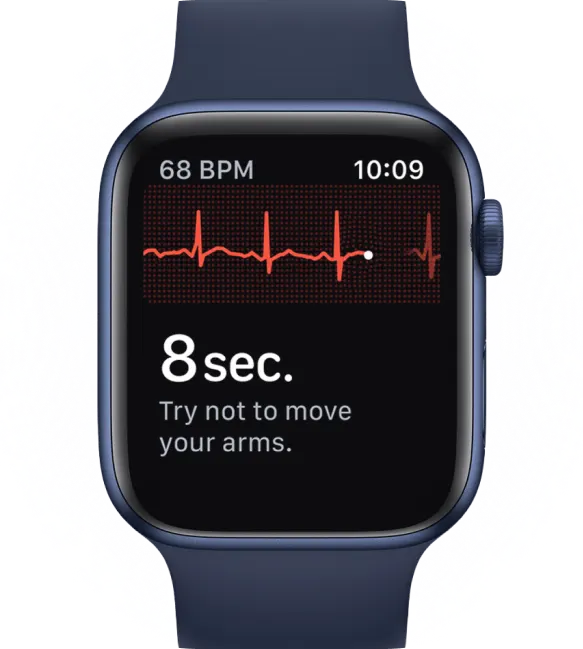
The next time you feel a flutter, don’t just wait for it to pass. Open the ECG app on your watch and record it. This simple action can transform a vague symptom into a valuable piece of health information.
To effectively monitor your body's signals and potentially identify issues related to dehydration and heart palpitations, consider investing in the right technology. You can learn more about the best smartwatch for health tracking in our guide. Capturing an ECG during an episode provides a clear snapshot of your heart’s electrical activity, offering peace of mind and powerful data to share with a professional. You can also explore our article to better understand what is heart rate variability and how it relates to your overall wellness.
Simple Strategies to Stay Hydrated and Calm Your Heart
Knowing why dehydration can cause heart palpitations is the first step. But turning that knowledge into action is what really makes a difference. Think of this section as your practical toolkit for preventing those flutters and managing them when they pop up.
We'll go beyond the usual "drink more water" advice and get into realistic tips that actually fit into your busy life. With a few simple habits, you can feel confident and in control, keeping your heart’s rhythm steady and calm.
Building Your Personalized Hydration Plan
Let's be honest, a one-size-fits-all approach to hydration just doesn't work. Your needs can shift daily based on your workout, the weather, or even the food you eat. The real goal is to build a simple, sustainable routine you can stick with.
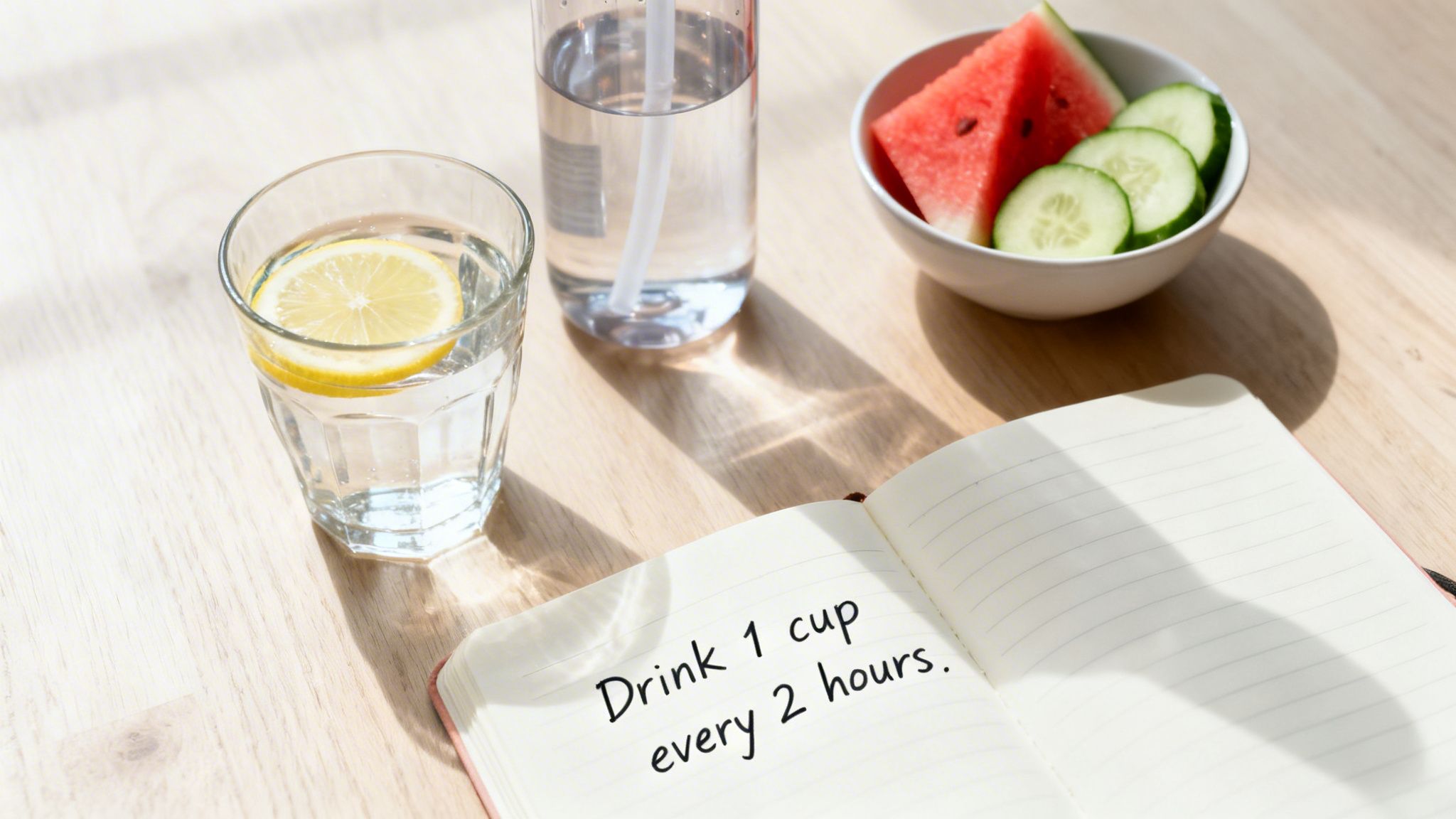
Instead of chugging a huge bottle of water all at once, aim for steady sips throughout the day. This helps your body actually absorb the fluids more effectively. A great place to start is with a glass of water first thing in the morning and another before each meal.
A simple trick I often recommend is the "Sip and Snack" method. Every time you have a snack or a meal, pair it with a glass of water. This little habit connects hydration to something you already do, making it so much easier to remember.
Here are a few more tips to make it even easier:
- Set Reminders: Your phone or smartwatch can be a great ally. Set a few gentle reminders to chime every hour or so, just nudging you to take a few sips.
- Keep Water Visible: Out of sight, out of mind. Always keep a water bottle on your desk, in your car, or in your bag. A simple visual cue is a powerful habit-builder.
- Flavor Your Water: If plain water just isn't doing it for you, toss in some slices of lemon, cucumber, mint, or a few berries. A little flavor can make a huge difference.
Eat Your Water and Replenish Electrolytes
Staying hydrated isn't just about what you drink. It's also about what you eat. Plenty of foods have a surprisingly high water content, and they come packaged with the very electrolytes your heart needs.
Think of these foods as delicious, hydrating snacks:
- Cucumber: At 95% water, it's practically solid water and one of the most hydrating foods you can find.
- Watermelon: This summer classic is not just hydrating; it’s also a great source of the electrolyte potassium.
- Leafy Greens: Spinach and lettuce are loaded with water and other nutrients that are fantastic for your heart health.
When it comes to replenishing electrolytes after a tough workout or a hot day, you don't always need to reach for a sugary sports drink. A glass of coconut water, a banana, or a handful of almonds can give you the potassium and magnesium your heart’s electrical system is craving. If you're curious to learn more, we have a detailed guide on how potassium levels and heart health are connected.
Finally, keep an eye on things that can actively dehydrate you, like too much caffeine or alcohol. You don't have to cut them out entirely, but balancing them with an extra glass of water can go a long way in keeping your heart beating steadily.
When You Should Talk To A Doctor About Palpitations
Knowing when to manage a few flutters at home versus when it's time to call in a professional is key to looking after your heart health. While many palpitations tied to dehydration are harmless, it's completely normal to want some peace of mind. Trusting your gut and getting answers is never a bad idea.
Most of the time, if your palpitations vanish after you rehydrate, there’s probably not much to worry about. But you shouldn't have to live with that nagging "what if?" feeling. If your palpitations are happening often, last more than a few minutes, or are just plain making you anxious, it's always worth a conversation with your doctor.
Preparing For A Productive Doctor’s Visit
Walking into your appointment prepared can make a world of difference. Instead of just saying, “My heart feels funny sometimes,” you can go in armed with specific details that help your doctor connect the dots. This is where a little bit of tracking pays off big time.
Start by keeping a simple log of when you feel them. Jot down:
- When they happen: What time was it? What were you doing, sitting, walking, exercising?
- What you ate or drank: Did you have any caffeine or alcohol? A big meal?
- Your hydration level: Do you think you might have been dehydrated at the time?
- How you felt: Were you also dizzy, lightheaded, stressed, or tired?
This log alone gives your doctor powerful context. But if you have a wearable ECG device like an Apple Watch or Fitbit, capturing an ECG during a palpitation is a game-changer. If you've been monitoring your heart rhythms, you can learn more about how to make sense of the readings, especially if you notice your heart rate randomly spikes.
Presenting your doctor with a log and an ECG recording completely changes the conversation. You're no longer just describing a weird feeling; you're sharing hard data about your heart’s actual rhythm.
This lets your doctor see exactly what you're feeling, leading to a much clearer diagnosis and a solid plan to keep your heart healthy for the long run. You're in the driver's seat of your health journey, and this kind of data is your best tool.
Frequently Asked Questions About Dehydration And Heart Palpitations
We've covered a lot of ground, and it's totally normal to still have a few questions swirling. This last section is all about giving you quick, clear answers to the most common things people wonder about when it comes to dehydration and those unnerving heart flutters.
How Quickly Can Dehydration Cause Heart Palpitations?
It can happen surprisingly fast. Even mild dehydration, where you've only lost 1-2% of your body's water, is enough to trigger a flutter for some people.
Think about a tough workout on a hot day with no water bottle in sight. For some, palpitations could start within an hour. The effect is almost immediate because as your blood volume drops, your heart has to start working harder right away to push blood where it needs to go. This can easily lead to a faster heart rate that you feel as palpitations.
Can Drinking A Lot Of Water At Once Stop Palpitations?
While getting fluids back in is the right idea, chugging a huge bottle of water all at once isn't the best move. In fact, it can sometimes make things worse by diluting the electrolytes you have left, throwing your system even more out of whack.
A much better approach is to sip water or an electrolyte drink steadily over 30 to 60 minutes. This gives your body a chance to absorb the fluid properly and gently restore its balance. If the palpitations stick around after you've rehydrated, it's a good idea to get it checked out.
Are Palpitations From Dehydration Dangerous?
For most healthy people, palpitations from mild to moderate dehydration usually aren't dangerous. They're more of a warning sign from your body that it's running on empty and needs fluids, and they typically go away once you rehydrate.
However, for anyone with an underlying heart condition, or in cases of severe dehydration, they can be more serious. If your palpitations come with other symptoms like chest pain, severe dizziness, fainting, or shortness of breath, you should seek immediate medical attention.

Worried about palpitations? On the Qaly app, human experts will interpret your ECG readings within minutes, 24/7. Get started today.



.png)
.png)