




Key Takeaways

User Profile
Hello, heart hero. Starting a new medication like carvedilol can bring up questions and maybe a little worry. That's completely normal and it's smart to want to know more.
While some people experience side effects like dizziness, fatigue, and low blood pressure, these are usually mild and often go away as your body gets used to the medicine. Taking this step for your heart is a positive move, and understanding what to expect is the best way to feel confident and in control of your health.
Your Guide to Navigating Carvedilol Side Effects
It’s only natural to wonder about side effects when you begin any new treatment. You've been prescribed carvedilol to help your heart, and that’s a powerful step toward better health. But just following instructions without understanding the "why" can feel unsettling, especially if you're skeptical about the usual healthcare advice.
Many people find the healthcare world confusing and are looking for clear, straightforward information to become their own best health advocate.
This guide is meant to be a friendly, reassuring partner on your journey. We'll walk through everything you need to know in simple terms, helping you understand what's normal, what's not, and how to manage your health with confidence.
What to Expect From This Guide
We believe knowledge is empowering. Instead of just listing symptoms, we’ll explain why they might happen. Think of carvedilol as a tool that gently slows your heart rate and relaxes your blood vessels, making it easier for your heart to pump blood. Sometimes, your body just needs a little time to adjust to this new, healthier rhythm.
Here’s what we’ll explore together:
- Common Reactions: We'll cover the most frequent side effects, like dizziness and fatigue, and give you practical tips for managing them in your daily life.
- Serious Signs: You’ll learn how to spot the less common but more important symptoms that signal it's time to talk to your doctor.
- ECG Insights: If you use a wearable ECG like on a smartwatch, we'll show you how carvedilol might show up on your readings.
- Safe Management: We'll go over how to take your medication safely and how to work with your healthcare team to get the best results.
Our goal is simple: to replace uncertainty with understanding. By learning about potential carvedilol side effects, you can feel more secure and take an active role in your own care.
Think of this as a conversation, not a lecture. By the time you're done reading, you'll have the insights you need to turn any apprehension into informed action. Let's get started.
Understanding the Most Common Carvedilol Side Effects

When you first start taking carvedilol, it's pretty normal for your body to go through a bit of an adjustment period. Think of it as your heart learning a new, healthier rhythm. During this time, you might experience a few mild and temporary side effects.
The most common feelings people report are dizziness, lightheadedness, and fatigue. This is often a good sign. It means the carvedilol is doing exactly what it's supposed to do. It is slowing your heart rate and widening your blood vessels to lower your blood pressure and reduce the strain on your heart.
Imagine your circulatory system is like a garden hose with the pressure turned up way too high. Carvedilol gently turns that knob down. At first, the flow might feel a little different or weaker until everything settles into a new, healthier normal. That's the lightheadedness or fatigue you might feel, especially when you begin the medication or your doctor increases the dose.
Why Dizziness and Fatigue Happen
These carvedilol side effects are directly tied to the medication's main job. As your blood pressure comes down, it can take your body a few days or even weeks to get used to this new normal. You'll probably notice this adjustment the most when you change positions.
For example, when you stand up after sitting or lying down, your blood pressure naturally dips for a second. Carvedilol can make this effect a bit stronger, causing that brief dizzy spell. Studies back this up. In heart failure trials, noticeable low blood pressure popped up in about 15 out of every 100 people taking carvedilol, compared to just 9 out of 100 on a placebo. These effects were more common at higher doses, which is why your doctor will start you on a low dose and increase it slowly.
Your Body is Adjusting. Feeling tired or a bit off-balance at first is often a sign that the medication is working to create a healthier environment for your heart. These feelings are usually temporary and often fade as your body adapts.
Practical Tips for Managing Common Side Effects
The good news is that you can take simple steps to manage these initial feelings and make the adjustment period a lot smoother. Many people find these small changes make a huge difference.
- Move Slowly: When getting up from a bed or chair, take your time. Try sitting on the edge of the bed for a minute before standing all the way up. This gives your body a moment to adjust to the new posture.
- Stay Hydrated: Drinking plenty of water throughout the day can help stabilize your blood pressure and reduce feelings of lightheadedness.
- Take with Food: Always take your carvedilol with food. This helps your body absorb it more slowly and can minimize any dizziness.
These strategies empower you to take an active role in managing your treatment. While carvedilol is a nonselective beta blocker, other types like metoprolol can have similar yet distinct side effects. If you're curious about how they compare, you can learn more about metoprolol and its side effects in our other guide. Understanding these common reactions can help you feel less anxious and more in control.
Recognizing Serious Side Effects That Need Attention

While most side effects from carvedilol are mild and manageable, it’s important to know which symptoms might signal something more serious. This isn't about causing alarm; it's about empowering you to act quickly if something feels off. Your well-being is always the top priority.
Knowing these signs helps you become an active partner in your own care. Think of it as your personal safety checklist, helping you listen to your body’s signals and work with your doctor to keep your treatment safe and effective.
Most people take carvedilol without any major problems. But if you notice any of the following, it’s a good idea to get in touch with your healthcare provider.


Signs of Worsening Heart Failure
One of carvedilol’s main jobs is to manage heart failure, but sometimes, new or worsening symptoms can still pop up. These signs often point to your body holding onto too much fluid, which puts extra strain on your heart.
Keep an eye out for these changes:
- Sudden Weight Gain: Gaining 2 to 3 pounds in 24 hours or 5 pounds in a week can be a red flag for fluid retention.
- Swelling: Noticeable swelling (also called edema) in your feet, ankles, or legs is a key sign to report.
- Increased Shortness of Breath: If you find it harder to breathe when lying down or during your usual activities, it needs to be addressed.
Interestingly, clinical trials show that carvedilol actually lowers the risk of heart failure getting worse. In one major study, about 17 out of every 100 patients taking carvedilol experienced this, compared to 24 out of 100 of those on a placebo. This shows that while the risk is much lower, it’s not zero. That is why monitoring yourself so closely is important.
Your body gives you clues when something is off. Paying attention to sudden changes in your weight or breathing is one of the most powerful things you can do for your heart health.
Very Slow or Irregular Heartbeat
Carvedilol is designed to slow your heart rate, but it shouldn't go too low. A very slow heartbeat, known as bradycardia, can leave you feeling extremely tired, dizzy, or even cause you to faint. It happens when the heart's electrical signals get slowed down more than intended. If you're curious, you might want to check out our guide that explains in more detail what causes bradycardia.
If your heartbeat feels extremely slow, like it's skipping beats, or if you feel faint, it's time to call your doctor. These more serious carvedilol side effects are less common, but they require prompt medical attention to make sure your heart rhythm stays in a safe zone.
How Carvedilol Can Affect Your ECG Readings
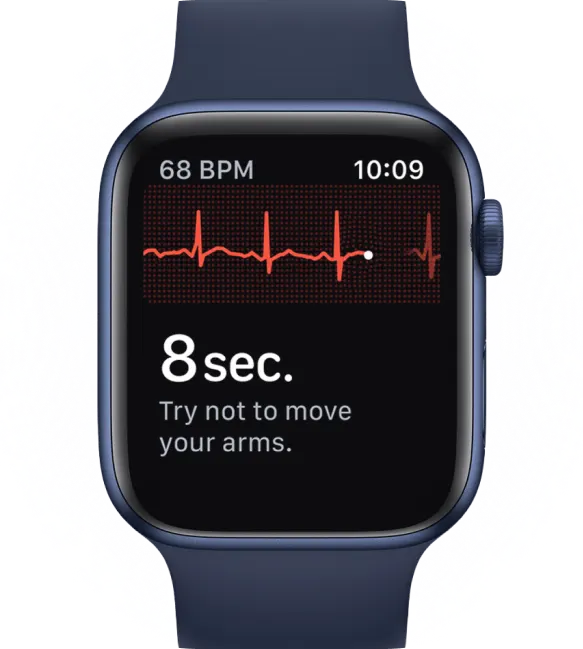
If you’re using a wearable like a smartwatch or a home ECG, you're probably curious about how carvedilol might change the story your heart is telling. This technology puts incredible information right at your fingertips, and knowing what you’re looking at can bring a lot of peace of mind. It’s a fantastic way to be an active partner in your own health journey.
Carvedilol's main job is to slow down your heart, giving it a bit more time to rest and pump blood more efficiently. So, one of the most common things you'll see on your ECG is a lower resting heart rate. This is known as bradycardia, and it's often an expected and good sign that the medication is doing exactly what it's supposed to.
Normal Slowdown vs. Too Slow
A healthy, slower heart rate is the goal here. For many people taking carvedilol, a resting heart rate between 50 and 60 beats per minute is perfectly fine and even what your doctor is aiming for. It means your heart isn't overworking itself.
But what's the tipping point? If your heart rate consistently dips below 50, or if you feel very dizzy, lightheaded, or unusually tired along with that low reading, it’s a clear signal to check in with your doctor. Your home ECG is the perfect tool to capture these moments, giving your doctor a real-time snapshot of what's going on.
Capturing an ECG right when you feel symptoms is incredibly valuable. It turns a vague feeling like 'dizziness' into concrete data that your doctor can use to fine-tune your treatment.
Using a service like Qaly can be a huge help in these situations. You can get your at-home ECGs analyzed by a certified technician in minutes, which helps you understand if you need to call your doctor right away.

Understanding Heart Block on an ECG
Beyond just slowing the heart rate, beta-blockers like carvedilol can sometimes influence the heart's electrical wiring. Think of your heart's electrical system as a highway for signals that tell your heart when to beat.
Carvedilol can sometimes create a slight "traffic jam" on this highway. On an ECG, this might appear as something called a heart block or AV block. The name can sound alarming, but the mildest form, a first-degree AV block, often causes no symptoms at all. It just means the electrical signal is taking a fraction of a second longer to get from the top chambers of your heart to the bottom ones. It's usually just something your doctor will keep an eye on.
To get a clearer picture of these electrical changes, you can explore our guide on how beta-blockers affect your heart and ECG. It breaks these concepts down in more detail without causing any unnecessary worry.
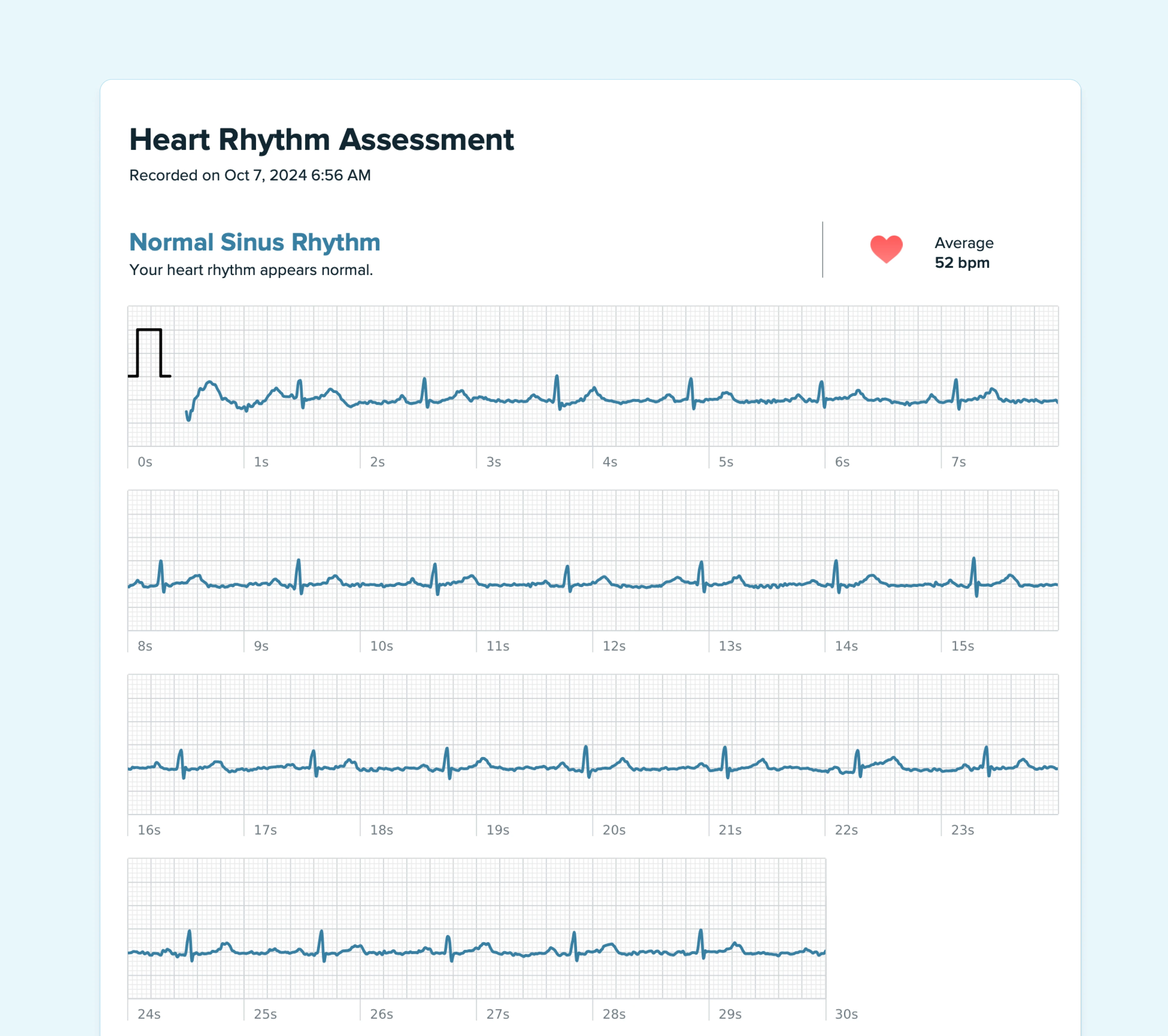
Recognizing these potential carvedilol side effects on your ECG isn't about diagnosing yourself. It’s about being an informed, observant member of your own healthcare team. Your wearable is a powerful tool for gathering information, making your conversations with your doctor more productive and collaborative. It empowers you to notice changes, share them accurately, and make sure your treatment plan is the perfect fit for you.
Safely Managing Your Carvedilol Treatment
Taking an active role in your treatment is a huge part of your heart health journey. This section is all about the practical, simple steps you can take to manage any carvedilol side effects and team up with your doctor. Remember, you're the expert on your own body, and your input is invaluable.
First things first: never stop taking carvedilol abruptly. Think of it this way. Your heart has gotten used to the steady support this medication provides. Stopping suddenly can create a rebound effect, leading to a sudden spike in blood pressure or even chest pain. If any changes are needed, your doctor will walk you through how to lower the dose slowly and safely.
Monitoring Your Health at Home
Staying proactive at home is one of the most powerful things you can do. A few consistent habits can give you and your healthcare team a ton of valuable information, making your appointments that much more productive.
Consider adding these simple checks to your routine:
- Keep a Symptom Journal: Jot down any side effects you notice, like dizziness or fatigue. Make a note of when they happen, what you were doing, and how long they last. This is gold for your doctor.
- Check Your Blood Pressure: Monitoring your blood pressure at home gives a much clearer picture of how the medication is working compared to a single reading in the doctor's office.
- Daily Weight Checks: If you're managing heart failure, tracking your weight each morning is a crucial way to catch fluid retention early.
The main takeaway here is that a slower heart rate is often an expected effect of carvedilol. However, if you feel symptoms or just have concerns, it's always the right move to discuss them with your doctor.
Long-Term Considerations and Interactions
The good news is that most people do very well on carvedilol for the long haul. Still, it's smart to be aware of potential interactions and rare long-term effects. This knowledge helps you ask the right questions and understand why your doctor might occasionally order certain tests. For a deeper dive, check out our article on the long-term effects of beta-blockers in our article.
Real-world data shows that while most people tolerate carvedilol well, a small number may need to stop. For instance, about 7 out of 100 patients end up discontinuing the medication because of side effects. In very rare cases, less than 2 out of 100 people, it can cause temporary changes in liver enzymes. This is why your doctor might order occasional blood tests just to be safe.
It's also incredibly important to be aware of how carvedilol can interact with other medications and supplements. Always give your doctor a complete list of everything you take. This includes over-the-counter pain relievers, herbal supplements, and other prescriptions.
Fatigue is one of the most common side effects people experience with carvedilol. For anyone dealing with this, getting more information on understanding and addressing constant fatigue and tiredness can offer some helpful general strategies for managing it. By taking these steps, you become an empowered and informed partner in your own healthcare.
Your Carvedilol Side Effects Questions Answered
Starting a new medication always comes with a few questions, and that’s a good thing. Being curious about your treatment shows you're taking an active role in your heart health. To give you some peace of mind, we’ve put together answers to some of the most common questions people have about carvedilol side effects.
How Long Do Carvedilol Side Effects Usually Last?
Many of the common side effects, like feeling a little dizzy or tired, tend to show up right after you start taking carvedilol or when your doctor adjusts your dose. Think of it as your body adjusting to a new and healthier normal.
For most people, these feelings fade away within a few days to a couple of weeks. But if any side effects are sticking around or just feel off, it’s really important to talk to your doctor. You should never feel like you have to tough it out on your own.
Can Carvedilol Cause Weight Gain?
It’s true that weight gain can be a side effect of carvedilol, but the reason why is key. Sometimes, the medication can make you feel more tired than usual. This might lead to being less active and, over time, a slight increase on the scale.
However, there’s a more urgent type of weight gain to watch for, especially if you have heart failure. If you see a sudden jump of 2 to 3 pounds in a single day or 5 pounds in a week, it could be a sign of fluid retention. This is a critical signal that you need to tell your doctor about right away, as it might mean your treatment needs a tweak.
Hopping on the scale daily is a simple but powerful habit. It gives you a clear, objective number that helps you and your doctor spot potential issues before they become bigger problems.
When Should I Take Carvedilol to Minimize Side Effects?
Here’s a great tip: always take carvedilol with food. A meal helps your body absorb the medicine more slowly, which can prevent those sudden drops in blood pressure that cause dizziness.
If you find that carvedilol makes you feel fatigued, some people find it helpful to take it at bedtime. This way, you can sleep through the peak of that tired feeling. Of course, always follow the specific instructions from your doctor or pharmacist. They know your health situation best and can recommend the ideal schedule for you.
Is It Safe to Drink Alcohol While Taking Carvedilol?
It’s generally best to limit or even skip alcohol while you're on carvedilol. Alcohol can lower your blood pressure and cause dizziness on its own.
When you mix it with carvedilol, those effects can be stronger, increasing your risk of fainting or falling. It also adds extra stress to your heart. The smartest move is to have an honest chat with your doctor about your drinking habits so you can get advice that's tailored to you.

Qaly is here to help. Get your ECGs analyzed by certified technicians in minutes, turning uncertainty into clarity and helping you have more informed conversations with your doctor



.png)
.png)