





Key Takeaways

User Profile
Hello, heart hero. Starting a new medication often brings a mix of hope and worry, especially when you're trying to figure out the side effects to adhd medications. Many of the most common ones, like a lower appetite or some trouble sleeping, are just signs your body is getting used to the new treatment. They usually get better on their own.
Understanding Your ADHD Medication Journey
If you're feeling this way, you're not alone. It's completely normal to have questions and a few concerns when you're thinking about or starting ADHD medication. We get it. Navigating healthcare can be a real headache, and it's easy to feel like you're not getting the whole story. This guide is here to give you clear, reassuring information, cutting through the confusing jargon so you feel more in control.
Our goal is to arm you with knowledge. When you understand what side effects are, why they pop up, and how they fit into the bigger picture of managing ADHD, you can make decisions with a lot more confidence.
Why Do Side Effects Happen?
Think of your medication as a specialized tool. It's designed to fine-tune a very specific system, in this case, the attention and focus centers in your brain. But while it’s doing its main job, it can sometimes ripple out and affect other systems, too.
It’s a bit like turning up the volume on a stereo to hear your favorite song better; you might also hear a little bit of background static. That "static" is basically what side effects are.
For ADHD meds, the action happens with brain chemicals like dopamine and norepinephrine. Boosting them helps with focus and impulsivity, but it can also nudge other body functions. This is why you might notice things like:
- Changes in your appetite or sleep patterns
- A temporary bump in your heart rate or blood pressure
- Shifts in your mood or energy levels
Most of these are just signals that your body is adapting. It's an adjustment period, and for many people, these initial effects fade into the background within a few weeks. Knowing this can take a lot of the anxiety out of starting a new treatment.

Taking a Proactive Role in Your Health
Being informed is the best way to feel secure. When you know what to look for, you can track your experience and have much better conversations with your doctor. This is about more than just managing ADHD; it's about looking after your overall health.
Your experience is valid, and your concerns are important. By learning about potential side effects, you transform from a passive patient into an active, informed partner in your own healthcare. This knowledge equips you to advocate for yourself effectively.
This guide will walk you through both the common and the more serious side effects, always with an eye on practical tips and reassurance. It's also critical to think about how any existing health conditions might factor in. You can learn more about how to assess your cardiovascular disease risk factors in our detailed article. With the right information, you can approach your treatment with confidence, ready to find what works best for you.
Common Side Effects and How to Manage Them
Starting any new medication, including one for ADHD, is a significant step. It’s completely normal to have questions about what you might feel as your body gets used to it.
Think of the common side effects as temporary adjustments. Most are mild, short-lived, and can be managed with a few simple tweaks. Knowing what to expect makes the whole process feel a lot less daunting. Let's walk through what you might experience and what you can do about it.
Dealing with Decreased Appetite
One of the most well-known side effects, particularly with stimulants, is a drop in appetite. This happens because the medication can tweak the brain signals that control hunger. It’s often most noticeable right in the middle of the day, when the medication is working its hardest.
Here are a few practical strategies to make sure you’re staying fueled:
- Eat a Big Breakfast: Have a solid, protein-heavy meal before taking your medication. This loads your tank for the day ahead.
- Plan for a Later Dinner: As the medication wears off in the evening, your appetite will likely make a comeback. Plan to have a satisfying, nutrient-rich dinner then.
- Think Small and Frequent: Instead of three big meals, try grazing on smaller, calorie-dense snacks. Nuts, cheese, Greek yogurt, or protein bars are perfect for this.
- Drink Your Calories: If solid food just doesn’t sound good, a nutrient-packed smoothie or shake can be a game-changer. You can load them up with protein powder, fruit, veggies, and healthy fats.
Managing Sleep Difficulties
Another frequent hurdle is trouble falling or staying asleep. Stimulants are designed to boost alertness, but sometimes that effect sticks around longer than you’d like, making it tough to wind down. Your mind might feel like it's racing even when you're physically exhausted.
The key here is creating a solid bedtime routine.
A consistent wind-down ritual is a powerful signal to your brain that it’s time to sleep. This could be reading a book (not on a screen!), taking a warm bath, or doing some light stretching. The idea is to create a peaceful buffer between your busy day and a restful night.
It also really helps to cut out caffeine, especially from the afternoon onward, and to power down all screens at least an hour before you want to be asleep. If sleep is still a struggle, your doctor might adjust the timing of your dose or switch you to a shorter-acting version of the medication.
Navigating Mood Changes and Physical Symptoms
It’s not uncommon to feel some mood shifts, like a bit more irritability or anxiety, especially when you first start a medication or as a dose is wearing off. This is sometimes called a "rebound" effect and usually levels out as your body adjusts.
You might also notice a few physical things, like headaches, dry mouth, or an upset stomach. These are typically mild and often disappear within the first week or two.
Staying well-hydrated can work wonders for headaches and dry mouth, and taking your medication with food can help sidestep stomach issues. If you notice any heart flutters or feelings of a skipped beat, our guide on how to manage heart palpitations has some valuable information.
These experiences are incredibly common. One large survey found that nearly half (48%) of people on ADHD medications reported at least one side effect, with appetite loss, sleep problems, and mood changes topping the list. What's telling is that only 21% of those people found the side effects very bothersome, and a surprising 20% mentioned them to their doctor, which points to a communication gap.
Remember, your body often just needs a little time to adapt. For a complete look at various common and serious ADHD Medication Side Effects and management tips, check out other expert resources. Your most powerful tool through all of this is open and honest communication with your doctor.
A Closer Look at Heart-Related Side Effects
Let's talk about one of the biggest concerns that comes up when people consider ADHD medications: your heart health. If you've felt a knot of worry about this, you are absolutely not alone. It's one of the most common and valid questions people have, and we're going to tackle it head-on.
Many people are understandably cautious about starting a new medication, especially when it involves something as vital as the heart. Our goal here is to demystify these potential side effects, so you feel informed, prepared, and more at ease.
How Stimulants Affect Your Heart
Stimulant medications work by increasing the levels of certain brain chemicals, which is fantastic for improving focus and impulse control. As part of this process, they can also give your cardiovascular system a gentle nudge.
Think of it like a much milder, more controlled version of your body's "fight or flight" response. This can lead to a slight increase in your heart rate and blood pressure. For most people, this change is small and not a cause for alarm, but it can sometimes create sensations that you notice, like your heart beating a bit faster or stronger than usual.
It's important to understand that while these changes are common, they don't automatically signal a problem. Your body is simply adjusting to the medication. The key is knowing the difference between a normal adjustment and a sign that you should talk to your doctor.
Understanding the Long-Term Picture
While short-term changes are often manageable, what about the long run? A landmark 14-year study shed some light on this, showing that long-term ADHD medication use does carry measurable cardiovascular risks.
The research found that each additional year of use was associated with a 4% increased risk of cardiovascular disease. The risk was higher in the first three years, at about 8% per year, before leveling off. The study also highlighted that hypertension and arterial disease were the primary issues, and higher doses amplified the risk. For more details, you can read the research summary on the long-term heart effects of ADHD meds.
This data isn't meant to scare you, it's meant to empower you. It underscores just how important ongoing monitoring and open communication with your healthcare provider really are.
Palpitations and Other Sensations
Sometimes, that slight increase in heart rate can feel more prominent, leading to what are known as palpitations. This is a catch-all term for when you suddenly become aware of your own heartbeat, whether it feels like it's racing, fluttering, pounding, or skipping a beat.
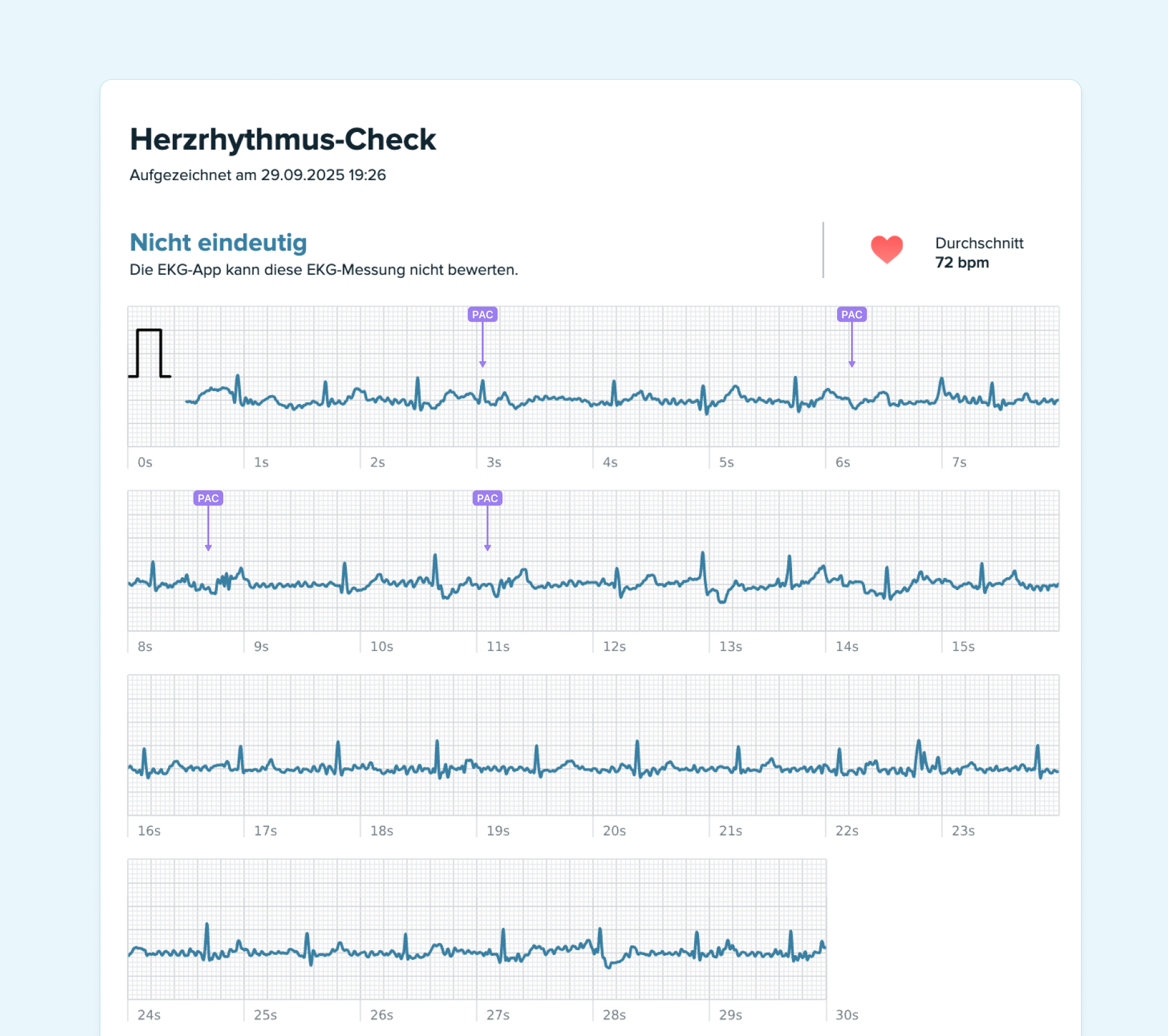
While they can be unsettling, palpitations are often harmless. However, they are always worth mentioning to your doctor. Your doctor can help you figure out if it's a simple side effect or something that needs a closer look.
It's also worth knowing how certain medications can affect your heart's electrical cycle. Some drugs can impact something called the QT interval, which is a measure of the time it takes for your heart muscle to recharge between beats. You can learn more about drugs that cause QT prolongation in our dedicated guide.
Ultimately, being informed helps you stay in control of your health. Understanding these potential heart-related side effects allows you to monitor your body's response confidently and work with your doctor to find the safest, most effective path forward for you.
Rare but Serious Side Effects to Know
We've talked through the common side effects that are usually manageable, but it's just as important to know about the rare but more serious ones. This isn't meant to scare you, but to give you a clear understanding of what to watch for.
Think of this as your safety checklist. Knowing these red flags helps you turn uncertainty into action, so you can recognize the signs that mean it's time to call your doctor or get help more quickly.


Allergic Reactions and Skin Issues
While it's not common, a true allergic reaction to ADHD medication can happen, and it needs to be taken seriously. This is your immune system mistaking the medicine for something harmful and going into overdrive.
Keep an eye out for these signs, which usually show up soon after starting a new medication or upping the dose:
- A spreading rash or hives: These are those raised, itchy bumps on your skin.
- Swelling: Be extra mindful of any swelling in your face, lips, tongue, or throat, since that can make it hard to breathe.
- Difficulty breathing or wheezing: Any kind of trouble breathing is a signal to get medical help right away.
If you have any of these symptoms, it's critical to stop the medication and either call your doctor or head to an emergency room.
Significant Shifts in Mental Health
Your mental and emotional state is every bit as important as your physical health. While some moodiness can be a side effect, certain changes are more concerning and definitely need a conversation with your doctor.
It’s time to reach out if you or someone close to you notices:
- Severe depression or hopelessness: This isn't just feeling a bit down. It’s a persistent sadness or losing interest in things you used to love.
- Thoughts of self-harm: Any thought about hurting yourself is an emergency.
- Extreme anxiety or panic attacks: Some nervousness can happen, but anxiety that gets in the way of your daily life is a red flag.
- Psychotic symptoms: This is very rare, but includes things like seeing or hearing things that aren't there (hallucinations) or developing strong, untrue beliefs (delusions).
Your mental health is a top priority. Don't ever hesitate to ask for help if you feel like your emotional well-being is taking a serious turn. Advocating for yourself is a sign of strength.
Concerning Heart Symptoms and Cardiomyopathy
While a small bump in your heart rate is pretty standard, some heart symptoms are a clear signal to get checked out immediately. Your body is telling you something more serious could be going on, so it's important to listen.
Seek prompt medical evaluation if you experience:
- Chest pain or a feeling of pressure in your chest.
- Fainting or feeling like you're about to pass out.
- Significant shortness of breath, especially when you haven't been exercising.
One specific concern, especially with long-term stimulant use, is a condition called cardiomyopathy. Put simply, this is when the heart muscle gets weaker, bigger, or stiffer, which makes it harder for your heart to pump blood the way it should.
Recent research has shed more light on this. One study found that people on stimulants were 17% more likely to develop cardiomyopathy within the first year of use. That risk jumped to a 57% greater likelihood after eight years. While the overall risk is still low, it really underscores why ongoing monitoring is so important. You can read more about these findings on ADHD stimulants and heart damage. This is exactly where services like Qaly, which analyze ECGs from your watch, can be incredibly helpful for keeping an eye on your heart's health over the long haul.
How to Monitor Your Heart Health at Home
Dealing with the uncertainty of potential heart-related side effects from ADHD medication can be one of the most stressful parts of this journey. That nagging feeling of not knowing what’s happening inside your body can create a ton of anxiety. But what if you could turn that worry into proactive knowledge, giving yourself solid information instead of just guessing?
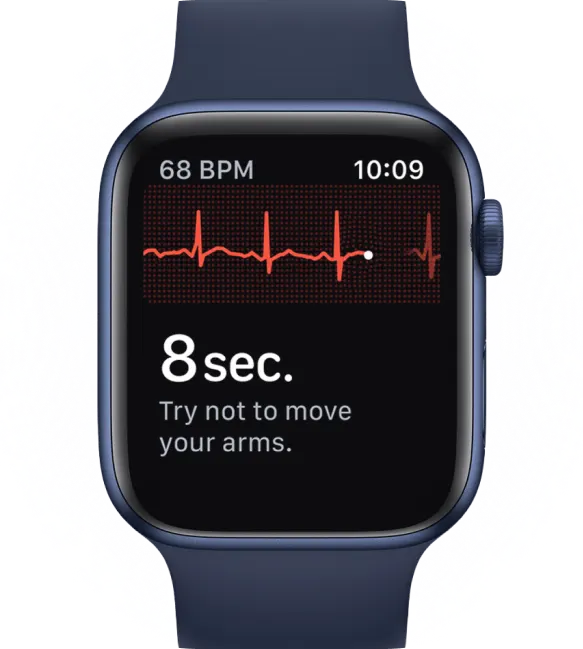
Fortunately, the technology you might already wear on your wrist can be a powerful tool for peace of mind. Devices like an Apple Watch, Fitbit, or a dedicated monitor like KardiaMobile are much more than fitness trackers. They contain sophisticated sensors that can capture a medical-grade electrocardiogram, or ECG, right on the spot.
This means when you feel that strange flutter, a skipped beat, or a racing heart, you don't just have to wonder about it. You can capture that exact moment in real-time. This creates a snapshot of your heart's electrical activity, incredibly valuable data that turns a vague feeling into something you can actually see and share.
From Data Collection to Real Understanding
Capturing an ECG is a fantastic first step, but that's only half the battle. Staring at the squiggly lines of a reading can feel like trying to decipher a foreign language. This is where a specialized service can bridge the gap, offering incredible reassurance and clarity by turning raw data into a meaningful interpretation.
This is exactly why services like Qaly exist. Picture this scenario:
- You feel a palpitation while on your ADHD medication, and a wave of anxiety hits.
- Instead of panicking, you open the ECG app on your watch and take a quick 30-second reading.
- You then send that ECG through the Qaly app.
- Within minutes, you get a report back, analyzed by a certified cardiographic technician, explaining precisely what your heart was doing at that moment.
This process gives you immediate, professional insight. It helps you distinguish between a benign premature ventricular contraction (PVC) and something that truly warrants a call to your doctor. You're no longer alone with your worry.
Empowering Your Doctor's Visits
At-home monitoring isn't about replacing your doctor; it's about empowering you to become an active, informed partner in your own care. Instead of going to your appointment and saying, "I sometimes feel like my heart flutters," you can now arrive and say, "I've had eight palpitations in the last month, and here are the ECGs for each one, reviewed by a technician."
By capturing and interpreting your own heart data, you provide your doctor with objective evidence. This leads to more productive, data-driven conversations and helps ensure your concerns are taken seriously.
This approach is especially powerful if you've ever felt dismissed by the healthcare system. It shifts the dynamic by putting credible information directly in your hands. It allows you to track trends, see how your body is adjusting to medication, and make decisions based on facts, not fear. For a deeper dive, you can learn more about how to check your heart health from the comfort of your home. This simple act of monitoring can be one of the most reassuring steps you take on your ADHD treatment journey.
Building a Strong Partnership with Your Doctor
When it comes to your health, feeling heard and respected by your doctor is everything. This is especially true when you're figuring out ADHD medications, where your day-to-day experience is the single most important piece of the puzzle. Let's talk about how to forge that strong partnership, so you feel confident and in control.
Remember, you are the world’s leading expert on your own body. No one else knows what it feels like to be you. When you combine that firsthand knowledge with your doctor's medical expertise, you create a powerful team focused on one thing: finding what works for you.
Preparing for a Productive Conversation
If you've ever felt brushed off or dismissed in a doctor's office, it can be tough to speak up again. But walking into your appointment prepared can completely change the dynamic, turning a passive visit into an active collaboration. The goal is to bring clear, organized information that makes your experience impossible to ignore.
Managing a chronic condition like ADHD is about more than just pills; it requires a holistic view of your well-being. It’s a lot like proactively building a strong care plan for any long-term health issue. A huge part of that plan is knowing the right questions to ask so you and your doctor are always on the same page.
Your voice is the most critical tool in managing your health. Preparing your questions and organizing your data beforehand isn't about challenging your doctor; it's about helping them help you more effectively.
Your Appointment Checklist
Before your next visit, try jotting down a few key questions. This simple step ensures you don’t forget anything important in the moment and that you cover all your bases.
Here’s a helpful checklist to get you started:
- Which specific side effects should I be looking for with this medication?
- What is the best way to track my symptoms and side effects?
- Are there any "red flag" symptoms that mean I should contact you immediately?
- How long should I expect this initial adjustment period to last?
- If my heart palpitations continue, what are our next steps for investigating them?
When discussing something like heart-related side effects, bringing objective data can be a game-changer. If you've been using a wearable device to capture ECGs, present that information clearly and concisely.
You could say something like, "I've been feeling palpitations, and I managed to capture five ECGs during those episodes. The reports from the Qaly service noted [mention the finding, e.g., 'frequent PVCs'], and I wanted to share these with you."
This evidence-based approach makes your concerns tangible and steers the conversation toward concrete solutions. A strong doctor-patient partnership is built on mutual respect and open communication. By preparing for your appointments and advocating for your experience, you make sure your treatment plan truly fits your life.
Frequently Asked Questions
We've covered a lot of ground, but you might still have a few questions about the side effects of ADHD medications. That's completely normal. Let's tackle some of the most common ones we hear.
Do ADHD Medication Side Effects Go Away?
For many people, the answer is a big yes. Most common side effects, things like headaches, a bit of stomach upset, or some initial moodiness, are often just your body getting used to the new medication.
Think of it like breaking in a new pair of shoes. There might be a short period of discomfort, but it usually fades as your body adjusts over a few days to a few weeks. Simple things like staying hydrated, taking meds with food, and keeping a consistent schedule can really help smooth out this phase. If the side effects drag on or feel especially tough, a quick chat with your doctor is the next step. A small tweak to the dose or timing might be all it takes.
Can ADHD Medication Change Your Personality?
This is a really common concern, and it's a valid one. It helps to think about the goal of ADHD medication: it's not to change who you are. It’s designed to quiet the static and reduce the symptoms that get in your way, letting your true personality come through more clearly. Many people actually feel more like themselves because they can finally focus on what's important to them.
That said, if a medication makes you feel emotionally flat, numb, or just "off," that's not the goal. This side effect, sometimes called emotional blunting, is a sign that something isn't right. It often means the dose is too high, or a different medication might be a much better fit.
You should never have to trade your personality for focus. The right treatment plan is one that enhances your strengths without dimming who you are. Finding that sweet spot is exactly what the partnership with your doctor is all about.
How Long Can You Stay on ADHD Medication?
There's no single timeline for treatment, it’s completely based on your individual needs. Some people use medication as a tool for specific phases of life, like getting through high school or college.
For many others, ADHD is a lifelong condition. In those cases, continuing medication into adulthood provides the steady support they need to succeed in their careers and relationships. The decision is always made in partnership with your doctor, involving regular check-ins to make sure the benefits continue to outweigh any side effects. The key is constant communication to ensure your treatment plan evolves with your life.

Navigating your heart health while managing ADHD requires the best tools. For instant, expert analysis of your ECGs from your watch, trust Qaly to provide the clarity and peace of mind you deserve.



.png)
.png)