


Key Takeaways

User Profile
Hello Heart Hero. We know hearing the words 'congenital heart defect' can feel like your world has been turned upside down. On top of that, trying to make sense of the healthcare system can be completely overwhelming, especially when you're looking for solutions you can trust. Congenital heart defects treatments can range from careful observation to complex surgery, but the goal is always the same: helping you or your child live a full, active life.
Welcome to Your Journey

Think of this guide as your starting point, a friendly hand to hold. We're here to walk this path with you, breaking down the complicated medical terms into plain, simple language. We want to talk about the amazing progress that has completely changed the outlook for these conditions.
Our goal is to help replace that feeling of fear with a sense of understanding and confidence. We want to show you that a full and active life isn't just a possibility; for so many, it's the expectation. Your journey toward empowerment starts right here.
Why Early Understanding Matters
Finding out that a baby has a congenital heart defect before birth is a true game changer. It gives doctors the precious time to map out a detailed, personalized plan. This means a specialized team is assembled and ready to go from the very first moment of birth. This preparation dramatically improves outcomes and gives families a clear path forward during a deeply uncertain time.
This proactive approach means your obstetric team will be working hand in hand with fetal cardiologists. They will monitor the pregnancy, plan the delivery, and prepare for whatever care is needed right after birth.
When a diagnosis is made before birth, a fetal cardiology team can partner with the family and their obstetricians to create a personalized delivery and treatment plan. This collaboration improves outcomes and gives families clarity.
This kind of preparation makes the transition for the newborn as smooth as possible. The baby can be brought directly to a specialized cardiovascular care center, where a team is waiting to provide the exact care they need, sometimes within just hours of being born.
Your Role in the Journey
Believe it or not, you are the most important person on the care team. Doctors bring medical expertise, but your insights, your questions, and your voice are absolutely vital. This guide is built to give you the knowledge you need to talk confidently with healthcare providers. We want you to understand the "what" and the "why" behind the different congenital heart defects treatments.
This is a partnership. Together, with your medical team's support and the knowledge you're gaining, you can look toward the future with real hope. Let's start by exploring the incredible tools modern medicine has to support a strong and healthy heart.
Understanding Your CHD Treatment Options
When you or a loved one is diagnosed with a congenital heart defect (CHD), the flood of information about treatments can feel overwhelming. It’s a lot to take in. A helpful way to think about it is like a specialist's toolbox. Doctors have a range of tools, and they pick the right one for the specific job your heart needs.
Your care team will look at the whole picture to decide on the best path forward. The goal is always the same: to improve how the heart works, so you or your child can live a fuller, healthier life. The incredible progress in these treatments is one of the biggest success stories in modern medicine.
Medications: The Support Crew
Think of medications as the heart's dedicated support crew. They don't typically "fix" the structural problem itself, but they're absolutely vital for managing symptoms and making the heart's job easier. They help the heart perform at its best, even with the challenges it faces.
These medicines work in a few key ways. For example, some drugs help the heart pump more efficiently or relax blood vessels to lower blood pressure, which means the heart doesn't have to strain so hard with every beat. Another type, called diuretics or "water pills," help the body clear out extra fluid that can build up when the heart isn’t pumping as well as it should. Other medications might be used to control irregular heart rhythms or prevent blood clots, which can be a risk with certain heart conditions.
For some simpler defects, medications might be all that's needed. For others, they're a crucial part of long term care after surgery or another procedure.
Catheter-Based Interventions: The Heart Plumbers
Imagine a plumber who can fix pipes without tearing down the walls. That’s a great way to picture catheter based interventions. These are minimally invasive procedures where cardiologists use tiny, flexible tubes called catheters to make repairs from inside the heart.
A doctor guides the catheter through a blood vessel, usually in the leg, all the way up to the heart. This "heart plumbing" allows them to fix certain problems without ever needing to perform open heart surgery.
Catheter based procedures have been a game changer for many types of congenital heart defects. They allow for complex repairs with much faster recovery times, turning what once required major surgery into a less invasive solution.
Here are a few common catheter interventions. Doctors can use a special plug like device to patch small holes between heart chambers, like an Atrial Septal Defect (ASD). They can also use a tiny balloon on the catheter's tip to inflate and stretch open a heart valve that is too narrow or stiff. In other cases, a small mesh tube, known as a stent, can be inserted to prop open a narrowed blood vessel.
These procedures usually mean a shorter hospital stay and a quicker return to normal life.
Open-Heart Surgery: The Remodeling Project
For more complex heart defects, you need a more direct approach. This is where open heart surgery comes in. Think of it as a complete remodeling project for the heart itself. It gives surgeons the ability to work directly on the heart to perform detailed, life saving repairs that just aren't possible any other way.
While it might sound intimidating, these operations are performed by incredibly skilled teams who specialize in these exact procedures. Thanks to amazing breakthroughs in surgical techniques and post op care, these procedures have become remarkably safe and effective.
In many high income countries, survival rates after treatment soared from just 10% in 1950 to over 90% by 1990 because of these advances. For some patients, devices like pacemakers are also part of the surgical plan. You can learn more about what a heart pacemaker operation involves in our detailed guide.
How Doctors Choose the Best Treatment Path
When you're facing a congenital heart defect diagnosis, one of the biggest questions is, "What comes next?" Figuring out the right treatment plan can feel like the most stressful part of the journey, and it's completely natural to wonder how doctors make these monumental decisions. The first thing to know is that there's no "one size fits all" answer for treating congenital heart defects.
Think of your care team, which includes cardiologists, surgeons, nurses, and other specialists, as a group of expert navigators planning a custom expedition just for you or your child. They come together to map out the safest, most effective route, thoughtfully crafting a plan using a wealth of data and decades of experience. Their ultimate goal is always your quality of life.
This isn't a decision made in a vacuum. It's a partnership, combining deep medical knowledge with your family's unique needs and circumstances.
-The Key Factors They Consider
A cardiologist’s recommendation is a careful balance of several critical elements. They look at the whole picture to make a choice that is both medically sound and right for the individual. Here are the main factors they weigh.
First, they consider the specific defect. What is the exact structural issue with the heart? Is it a simple hole between chambers, a valve that's too narrow, or a more complex combination of problems? They also look at the severity. Just how much is the defect affecting blood flow and the heart's ability to do its job? A tiny defect might only need to be watched, while a severe one requires immediate action.
Your age and overall health are huge factors too. The plan for a newborn will look very different from the one for a teenager or an adult who has lived with a defect for years. The presence of symptoms is also important. Are there noticeable symptoms like breathing difficulties, getting tired easily, or cyanosis (a bluish tint to the skin)? The presence and intensity of symptoms often drive the timing of treatment.
Finally, doctors think about the long term outlook. They choose treatments that not only fix the immediate problem but also offer the best possible chance for long term health and well being.
Diagnostic Tools That Guide the Way
To get all this crucial information, your care team uses advanced diagnostic tools. These tests give them a clear window into the heart's structure and function, making sure every decision is grounded in precise, accurate data.
An echocardiogram is one of the most important tools in their toolbox. It uses sound waves to create detailed, moving pictures of the heart, letting doctors see the defect up close and in action. You can learn more about this painless, non invasive test in our guide that explains what a heart echocardiogram is and what you can expect.
Your care team's recommendation is built on a foundation of detailed testing and collaborative discussion. The goal is to choose the least invasive option that will provide the best possible long-term outcome, empowering you with a clear and confident path forward.
By combining these diagnostic insights with their expertise, your medical team creates a truly personalized plan. This careful, evidence based approach is how they navigate the complexities of congenital heart defects treatments and provide the very best care for you and your family.
Real-World Examples of Heart Defect Treatments
It’s one thing to talk about treatments in theory, but seeing how they work in the real world makes it all click. It helps to move from abstract medical terms to concrete examples of how doctors tackle different congenital heart defects.
Let's walk through a few common scenarios. Think of this as looking inside a surgeon's or cardiologist's "toolbox" to see which tool they pick for which job, and why.
Closing a Hole with a Catheter
One of the most frequent congenital issues is an Atrial Septal Defect (ASD). This is basically a hole in the wall separating the heart's two upper chambers. Imagine a small gap in a wall that's meant to be solid. It lets oxygen rich blood leak backward where it shouldn't.
For many people with an ASD, the fix doesn't require open heart surgery. Instead, a cardiologist can perform a minimally invasive procedure using a catheter. They guide a very thin, flexible tube from a blood vessel in the leg all the way up to the heart. A special closure device, folded up like a tiny umbrella, is sent through the tube and placed right into the hole.
Once in position, the device opens up and permanently plugs the defect. This kind of “heart plumbing” is amazing because it often means no big incision in the chest, a much faster recovery time, and a very short hospital stay, sometimes just overnight.
It’s a perfect example of using a less invasive tool when the situation allows for it.
A Full Remodel for Tetralogy of Fallot
Now, let's look at a more complex condition like Tetralogy of Fallot. This isn't just one problem; it's a combination of four different structural heart issues that, together, cause oxygen poor blood to be pumped throughout the body.
Because multiple things need fixing, a full surgical repair is the standard approach, usually done when the patient is an infant. This is an open heart surgery where the surgeon performs a complete "remodel." They patch the hole between the ventricles (the lower chambers), clear the muscle obstruction that blocks blood flow to the lungs, and make sure blood is routed correctly.
The success of these intricate repairs is a powerful testament to how far pediatric cardiac care has advanced. A procedure that was once incredibly high risk is now performed routinely, giving children a chance to grow up healthy and active.
Healing from this kind of major surgery naturally takes more time. To get a better sense of what that journey entails, our heart bypass surgery recovery guide offers insights into the healing process, which shares many principles with recovery from congenital heart surgery.


The Arterial Switch: A Lifesaving Innovation
Another incredible example is the "arterial switch" operation. This surgery is for a critical defect called Transposition of the Great Arteries (TGA). Here, the heart's two main arteries are swapped. The aorta and the pulmonary artery are connected to the wrong chambers. This sends oxygen poor blood to the body and oxygen rich blood back to the lungs, a situation that is not compatible with life without immediate intervention.
The arterial switch is nothing short of a surgical masterpiece. The surgeon literally cuts the two great arteries, switches them back to their correct positions, and carefully reattaches them. This incredibly complex procedure has completely changed the future for babies born with TGA.
The impact is truly remarkable. Advancements in congenital heart defects treatments have led to a massive drop in mortality. A study on global CHD outcomes found that the death rate for children under five with a CHD fell by a stunning 59% between 1990 and 2021. In the past, over 90% of infants with untreated TGA died within their first year. Today, the arterial switch gives them an excellent chance at a long, full life.
Thriving After Treatment With Lifelong Care

Getting through a procedure for a congenital heart defect is a huge moment. But it’s not the end of the story. It’s the start of a brand new chapter in your health journey. The whole point of treatment is to help you or your child live a full, active life, and a big part of that is being mindful of ongoing care.
There's a common belief that once a heart is "repaired," it's completely "cured." While today's treatments are nothing short of amazing, a heart that’s had surgery or an intervention is still unique. It has its own history, and that’s why lifelong care is so important.
Think of it like owning a classic car that’s been beautifully restored. It runs like a dream, but you still take it to a specialist mechanic, someone who knows its history and unique quirks, to keep it in top shape. Your cardiologist is that specialist for your heart.
Why Ongoing Monitoring Is A Must
Even when you feel perfectly healthy, regular check ins with a cardiologist who specializes in adult congenital heart disease (ACHD) are critical. These appointments aren’t just for when something feels wrong; they’re about staying ahead of the game.
These check ups are your doctor’s chance to monitor your heart’s function, check on the original repair, and watch for new issues that can sometimes pop up years later. It's this proactive approach that is the secret to long term wellness.
And you're not alone. Congenital heart defects are the most common type of birth defect. New data suggests the old estimate of 40,000 babies per year in the U.S. might be far too low. Some research now points to a number nearly double that, with millions of survivors navigating lifelong health management. You can learn more about these findings on heart.org.
Potential Long-Term Health Considerations
For most people, life after a CHD repair is fantastic. But knowing about potential long term issues helps you become a true partner in your own healthcare. Some of the things your cardiologist will keep an eye on include heart rhythm issues like arrhythmias, or irregular heartbeats, which are one of the most common long term challenges. Scar tissue from a past surgery can sometimes mess with the heart's electrical wiring. Another thing to watch is valve problems. Repaired or replacement valves can wear down over many years, which might cause them to leak or narrow, sometimes requiring another procedure decades down the road. Some people might also need future procedures, like more surgeries or catheter interventions, as they get older.
"A repaired heart is not a normal heart. Lifelong, expert follow-up care is essential to ensure that individuals with congenital heart disease can lead long, healthy, and productive lives."
This isn’t about causing worry. It's about highlighting just how vital your cardiology team is. They’re your partners in this, making sure you get the best care at every turn.
Empowering Yourself With At-Home Monitoring
One of the biggest sources of anxiety is the unknown. What was that flutter in your chest? Was that a palpitation? This is where today’s technology can give you some real peace of mind.
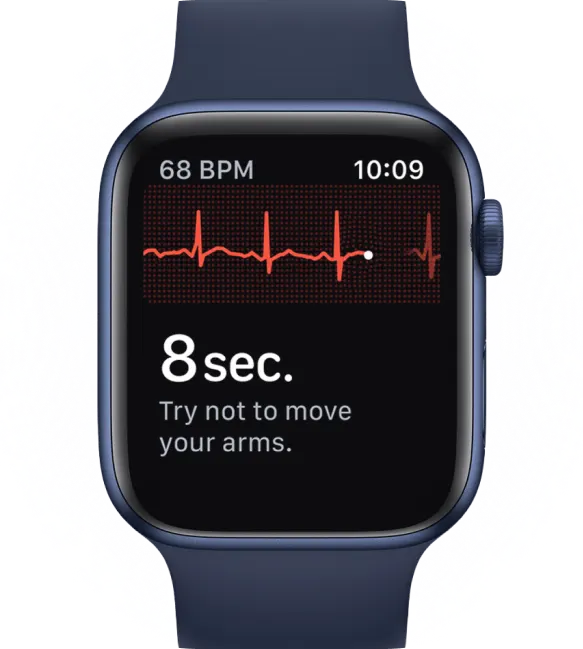
Wearable devices from Apple, Samsung, or Fitbit, and dedicated ECG monitors like Kardia, put powerful heart monitoring tools right on your wrist. You don't have to wait for your next doctor's appointment to get answers. If you feel a symptom, you can take an ECG right then and there.
But let's be honest. A squiggly line on a screen can sometimes create more questions than it answers. That’s where a service like Qaly comes in. Instead of guessing, you can send your ECG straight from your watch to a certified cardiographic technician for review, often getting a detailed report in minutes. This does two amazing things:
- Immediate Reassurance: You can find out quickly if that weird rhythm is harmless or something you should call your doctor about.
- Concrete Data: You now have a documented ECG with an expert interpretation to show your cardiologist. You’ve turned a vague feeling into real, actionable information.
This changes everything. You go from being a passive patient to an active, informed manager of your own health. Speaking of managing your health, keeping all your documents in order is a huge help. A good guide on organizing medical records at home can make a world of difference. And as you continue on your wellness path, remember that gentle movement is also key. You might find it helpful to learn about some safe cardiac rehab exercises you can do at home.
Your Top Questions About CHD Treatment, Answered
When you’re learning about treatments for a congenital heart defect (CHD), the questions can feel endless and overwhelming. It’s completely natural. Every single question that crosses your mind is valid, and getting clear answers is the first step toward feeling more in control.
Let’s walk through some of the most common and pressing questions that families just like yours are asking.
Will My Child Live a Normal Life After Treatment?
This is almost always the first question on a parent’s mind, and thankfully, the answer is usually a big “yes.” Thanks to incredible leaps in medical and surgical care, most people who have their heart defects repaired go on to live full, active lives.
They play sports, chase their dream careers, and start families of their own. Of course, their "normal" will look a little different. It will include regular check ins with a cardiologist. But the whole point of treatment isn't to create a life of limitations; it's to open up a world of possibilities.
How Safe Are These Surgeries and Procedures?
It’s impossible not to worry about the safety of a heart procedure. That worry comes from a place of deep love. While no procedure is ever 100% risk free, the safety and success rates for CHD treatments have skyrocketed over the past few decades.
These interventions are performed by highly specialized teams who do this work day in and day out. Before anything happens, your team will have a very open and detailed chat with you about the specific benefits and risks. For most common defect repairs, success rates now top 98%. The hard truth is that the risks of not treating a significant defect are almost always far greater than the risks of the procedure itself.
What’s the Difference Between “Repaired” and “Cured”?
This is a great question because it gets at a really important detail. A heart defect is considered "repaired" when a surgeon or interventional cardiologist fixes the structural problem, like patching a hole or widening a valve. A "cure" would mean the condition is gone for good, as if it never existed.
In the world of CHD, "repair" is the much more accurate term. Even after a perfect procedure, the heart's anatomy isn't identical to a heart that was born without a defect. This is exactly why lifelong follow up with a specialist is so critical. It’s about partnering with your doctor to keep your heart healthy for decades to come.
Many families also have questions about how insurance covers a condition present from birth. You can find excellent resources that explain how pre existing conditions health insurance works.
How Can I Manage Anxiety About Heart Rhythm Issues?
That sudden flutter, skipped beat, or racing pulse can be unsettling for anyone. But when you have a history of CHD, it can trigger a whole new level of anxiety. This is where modern tech can be a game changer for your peace of mind.
Using a wearable like an Apple Watch or Fitbit to capture an ECG the moment you feel something can feel incredibly empowering. The problem? Staring at that squiggly line without knowing what it means can sometimes make the anxiety even worse.
That's where interpretation helps. Instead of just having data, you get answers. Knowing whether a symptom is benign or needs a doctor's attention can transform anxiety into actionable information and give you back a sense of control.
This is precisely what a service like Qaly was built for. You can get your ECG reviewed by a certified expert in minutes, 24/7. It helps you make sense of what you're feeling, reassures you when things are okay, and creates a clear record to share with your doctor when they're not. It turns a moment of worry into a moment of clarity.

At Qaly, we believe you deserve to understand your heart. Our service connects you with certified cardiographic technicians who analyze ECGs from your Apple Watch, Fitbit, Kardia, or other device.



.png)
.png)