


Key Takeaways

User Profile
Hello Heart Hero. If you've been feeling like your body is sending you signals that something is off, but you can’t quite put your finger on it, you’ve come to the right place. We understand it can be frustrating when you feel unheard or dismissed, especially when your symptoms don't fit a neat and tidy diagnosis. This guide is for you, to help you find clearer answers.
The symptoms of hypothyroidism can be sneaky but persistent. They often creep in as things like unexplained fatigue, weight gain, and a constant feeling of being cold. These signs pop up when your thyroid gland, which is basically your body's energy regulator, isn't producing enough hormones.
A Guide to Understanding Hypothyroidism

Here, we'll dive into hypothyroidism, a common condition where the thyroid gland slows way down. Think of your thyroid as the master control center for your body's energy and metabolism. When it's running too slow, everything else can feel sluggish and totally out of sync.
What Is Hypothyroidism?
So what is hypothyroidism, really? It’s a condition that happens when your thyroid gland, a small, butterfly-shaped organ at the base of your neck, becomes underactive. This little gland has a huge job: producing the hormones that control many of your body's most important functions.
Imagine your body is a car. The thyroid is like the engine's control unit, making sure it runs at just the right speed. With hypothyroidism, it’s like that control unit gets stuck in low gear, making the entire car feel sluggish and inefficient.
This slowdown can throw a wrench into nearly every system in your body. That’s why the symptoms are so varied and can be easily mistaken for other health issues.
Some of the most common effects of an underactive thyroid include:
- A slowed metabolism: This is the classic reason for unexplained weight gain and constantly feeling cold.
- Reduced energy production: This leads to that deep, persistent fatigue so many people feel.
- Changes in heart function: Your heart rate might slow down, which can sometimes cause dizziness.
- Cognitive impact: You might notice brain fog, memory problems, or have a hard time concentrating.
To really get a complete picture, it's crucial to understand what a thyroid blood test can reveal about your health. This guide will help you start connecting the dots and figure out what your body might be trying to tell you. Let's get started.
The Most Common Symptoms of an Underactive Thyroid
That feeling of being tired all the time? It’s often more than just needing a good night's sleep. When your thyroid gland slows down, it's like the main furnace in your body has been turned down to its lowest setting. This can leave you feeling constantly cold, sluggish, and wrestling with a deep, persistent fatigue that no amount of coffee seems to touch.
It can be incredibly frustrating when people dismiss these feelings as just 'stress' or a normal part of 'getting older.' We want you to know that what you're experiencing is real. These symptoms are important signals from your body telling you that something is out of balance.
Fatigue, Weight Gain, and Feeling Cold
The classic trio of symptoms for hypothyroidism is fatigue, weight gain, and an intolerance to cold. This happens because your thyroid hormones are the primary managers of your metabolism. When you don't have enough of these hormones, your body's ability to produce energy slows to a crawl, making it much harder to burn calories and generate its own heat.
This metabolic slowdown is exactly why you might gain a few pounds without changing a thing in your diet, or find yourself reaching for a sweater when everyone else in the room feels comfortable. It’s a direct physical response to a hormone shortage, not a reflection of your willpower.
Recognizing these symptoms is the very first step toward getting answers. The main challenge, though, is that these signs can be notoriously vague. Research shows that while tiredness is reported by 81% of people with hypothyroidism, dry skin by 63%, and shortness of breath by 51%, no single symptom can definitively diagnose the condition. You can find more details on these findings over at frontiersin.org.
Beyond the Obvious Signs
While the "big three" symptoms get most of the attention, an underactive thyroid can truly affect you from head to toe. Many people also report a whole collection of other confusing and frustrating signs.
You might also be noticing some of these changes:
- Dry Skin and Brittle Hair: Your skin might become unusually dry and pale, and you may find your hair is getting coarse, thinning out, or even falling out more than usual.
- Muscle Aches and Joint Pain: You could be feeling unexplained stiffness or persistent aches in your muscles and joints.
- Brain Fog and Mood Changes: It's common to struggle with concentration, have memory lapses, or experience feelings of sadness or depression. This is why learning how to cope with depression can be a really helpful part of managing your overall well-being.
- Constipation: Just as your other body systems are slowing down, your digestive tract often follows suit.
These varied symptoms just go to show how widespread the effects of hypothyroidism can be, touching nearly every system in your body.
How Hypothyroidism Affects Your Heart Health
A lot of the classic hypothyroidism symptoms we've covered, like crushing fatigue or getting winded easily, are tied directly to your heart's health. It’s one thing to feel tired, but it’s another to feel your heart doing something unusual.
Think of your thyroid as your body's metronome. The hormones it produces set the pace for just about every system, including your heart. When those hormone levels drop, the metronome slows way down, forcing your heart to beat to a much slower rhythm.
The Slowdown: Bradycardia and Your Heart Rate
One of the most common ways hypothyroidism shows up in your heart is through bradycardia, a heart rate that’s slower than normal. For most adults, this means a resting heart rate dipping below 60 beats per minute (bpm).
.webp)
Your heart is a muscle, and like every other muscle, it needs thyroid hormones to get the "go" signal to work at the right speed. With an underactive thyroid, your heart simply doesn't get that signal as often, leading to that sluggish pace. This slowdown can cause those vague-but-worrying symptoms you might have had trouble pinning down.
Symptoms often linked to a thyroid-induced slow heart rate include:
- Dizziness or lightheadedness, especially when you stand up.
- Deep, persistent fatigue that sleep doesn't seem to fix.
- Shortness of breath even with light activity.
- Feeling faint or having episodes where you almost pass out.
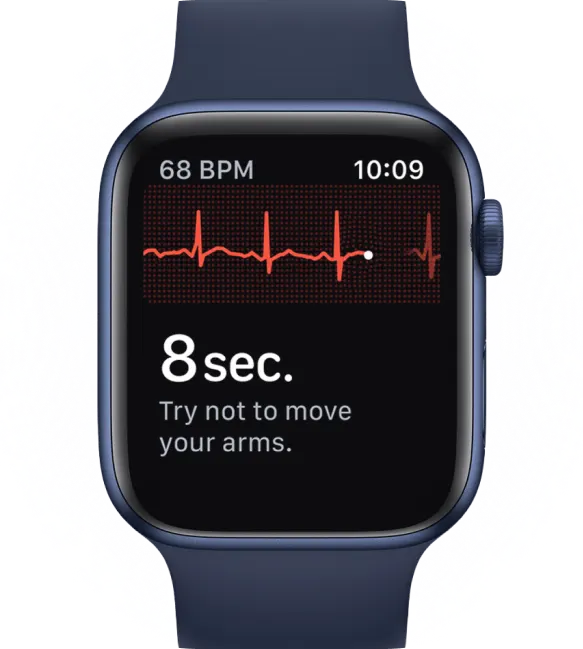
If you use a wearable like an Apple Watch or Fitbit, you may have even gotten low heart rate alerts. This isn't just a random notification; it's your body giving you valuable data that could connect the dots to an underactive thyroid.
Beyond Heart Rate: Other Cardiac Changes
But the impact isn't just about speed. An underactive thyroid can also mess with your heart's electrical system and even its physical structure, producing subtle changes that can be spotted on an electrocardiogram (ECG).
Your heart's electrical wiring follows a precise pattern to keep every beat perfectly coordinated. Low thyroid hormones can throw that timing off, like a musician in an orchestra who starts playing a fraction of a second too late, disrupting the whole symphony.
Two other important, though less common, changes your doctor might look for are:
- QTc Interval Prolongation: Your ECG traces the electrical journey of each heartbeat. The QTc interval is the "recharge" phase, where your heart's lower chambers (the ventricles) get ready for the next beat. Hypothyroidism can make this recharge phase take too long, a condition known as a prolonged QTc.
- Pericardial Effusion: In more severe or long-term cases of hypothyroidism, fluid can build up in the sac surrounding the heart. While it's a rarer complication, it really underscores how seriously an underactive thyroid can affect your heart.
If these cardiac symptoms sound familiar, it can be helpful to explore more about the link between thyroid disorders and your heart. For many people, seeing the physical evidence of their symptoms in their heart data is the first step toward getting the right diagnosis and treatment.

The Hidden Problem of Subclinical Hypothyroidism
Have you ever had that nagging feeling that something is just off with your body, but you can’t quite put your finger on it? Maybe you’ve even brought it up with your doctor, only to be told your lab tests look normal. It’s a frustrating and surprisingly common place to be. You could be dealing with a thyroid that’s starting to struggle, but not enough to be flagged as a full-blown disease in a standard checkup.
This is the tricky world of subclinical hypothyroidism. Think of it as your body's energy control system running in a "low power mode" instead of being completely switched off. The major warning lights aren't flashing yet, but you can definitely feel the performance issues simmering just beneath the surface.
Overt vs. Subclinical: What's the Difference?
It helps to picture hypothyroidism on a spectrum. At one end, you have overt hypothyroidism. This is what most people think of when they hear about an underactive thyroid. Your thyroid hormone levels are clearly low, and the symptoms are usually obvious and hard to ignore.
At the other end of the spectrum is subclinical hypothyroidism. Here, your main thyroid hormones might still fall within the "normal" range on a lab report, but your body is working overtime to keep them there. Your symptoms can be incredibly subtle, so subtle that you might brush them off as just stress or aging.
It's like driving your car with the emergency brake partially engaged. The car still moves, but it feels sluggish, unresponsive, and you know something isn't quite right, even if there are no warning lights on the dashboard.
This is often the stage where you feel like something is wrong, but your concerns get dismissed because nothing seems obviously "broken." Trust your instincts. You aren't imagining it; your body is sending you early warning signs that it’s struggling to keep up.
The Millions Who Don't Know
If you suspect your subtle symptoms are being missed, you are far from alone. The reality is that a shocking number of people are living with a thyroid issue and have no idea.
According to the American Thyroid Association, while an estimated 20 million Americans have some form of thyroid disease, a staggering 60% of them are completely unaware of their condition. That’s roughly 12 million people walking around with an undiagnosed problem, often because their symptoms are too subtle or get blamed on something else. You can explore more about why this condition is so frequently overlooked by reading the full details of this research.
This statistic validates that gut feeling so many people have: that their persistent, nagging symptoms point to a real problem, even if it hasn't been officially diagnosed yet. Your intuition about your own body is powerful. Recognizing that a lack of obvious symptoms doesn't mean a lack of a problem is a critical first step toward getting answers.
Taking Control and Finding Answers
It's incredibly frustrating to feel like something is wrong with your body but struggle to get answers. If you’ve been reading along and the symptoms of hypothyroidism are hitting close to home, it’s time to move from worry to action. The key is to gather the right information so you can walk into your doctor’s office feeling prepared and confident.
After all, you're the expert on your own body. Trusting that gut feeling and backing it up with clear, organized information is the most powerful first step toward getting the diagnosis and care you need.
When to See a Doctor
So, when is it time to make that call? If the symptoms we’ve talked about, from the relentless fatigue and brain fog to heart-related signs like dizziness or a slow pulse, are getting in the way of your daily life, don't wait. It’s time to book an appointment. You don't have to wait until things become unbearable.
Before you go, a little prep work can make all the difference. Jot down your symptoms, when they happen, and how they make you feel. This helps you communicate your concerns clearly. For more ideas on getting the most out of your visit, our guide on questions to ask your cardiologist can be a big help.


Understanding the Diagnostic Process
When you bring up potential hypothyroidism symptoms with your doctor, the journey to a diagnosis usually begins with a simple blood test. This isn’t just a random check-up; it’s looking for very specific clues that tell the story of your thyroid's health.
The two main players in this story are:
- TSH (Thyroid-Stimulating Hormone): Think of TSH as the message your brain’s pituitary gland sends to the thyroid, telling it to get to work. If your thyroid is underactive and not listening, your brain has to "shout" louder by sending out more TSH. A high TSH level is a classic sign that your thyroid is sluggish.
- Free T4 (Thyroxine): This is one of the main hormones your thyroid actually produces. A "free T4" test measures how much of this hormone is active and available for your body to use. A low Free T4 level, especially paired with a high TSH, is often the smoking gun that confirms hypothyroidism.
Using Your Wearable Data to Get Answers
If you wear a smartwatch like an Apple Watch, Fitbit, or Samsung watch, you’ve got a powerful health ally right on your wrist. The data it gathers can turn vague feelings into hard evidence you can share with your doctor.
Instead of just saying, "I feel dizzy sometimes," you can say, "I felt dizzy at 2:15 PM on Tuesday, and my watch recorded a heart rate of 48 bpm and an ECG at that exact moment." This completely changes the conversation, giving your doctor real clinical context.
Start using your device to actively connect your symptoms to your heart’s activity. When you feel a palpitation, get lightheaded, or are hit with a wave of fatigue, take an ECG. This is where a service like Qaly comes in. Our certified technicians can provide a human-reviewed analysis of that ECG, often within minutes.
We can identify abnormalities and provide detailed interval readings like your QTc, giving you a professional report to share. This helps you become an active, informed partner in your healthcare, armed with the data you need to finally get the answers you’ve been looking for.
What to Expect After a Hypothyroidism Diagnosis
Getting a diagnosis can feel like a whirlwind of emotions. You might feel relieved to finally have an an answer for why you've been feeling off, but also a little anxious about what happens next. The good news? A hypothyroidism diagnosis isn't an endpoint; it's the starting line for getting your life back.
The standard treatment for hypothyroidism is a daily medication called levothyroxine. It's not some strange or complicated drug. Think of it as simply giving your body back the thyroid hormone it's been missing, like topping off the oil in an engine so everything can run smoothly again.
The Journey to Feeling Like Yourself Again
Once you start treatment and your hormone levels begin to find their new balance, you'll likely notice many of those frustrating symptoms start to fade. The bone-deep fatigue, the persistent brain fog, and even some of the heart-related symptoms we talked about, like a slow heart rate, can all improve over time.
Now, this isn't an overnight fix. It takes some patience. Your doctor will probably start you on a low dose and fine-tune it over the next several weeks or months, using follow-up blood tests to see how your body is responding. Finding that perfect dose is a team effort between you and your provider. It's also worth knowing how this medication can sometimes cause its own effects, like heart palpitations on levothyroxine.
A diagnosis is the beginning of regaining control over your health. It’s an empowering moment that shifts you from uncertainty to action, giving you a clear direction forward.
You're definitely not alone in this. A surprising number of people are walking around with an undiagnosed thyroid problem. In fact, one study estimated that undiagnosed hypothyroidism affects around 5-6% of people across nine European countries. You can read more about these findings to see just how common this is.
Ultimately, this diagnosis is a validation. It confirms that what you've been feeling is real, and now you have a clear plan and the right tools to start feeling better and take back your well-being.
Your Hypothyroidism Questions, Answered
Trying to make sense of your health can be a challenge, especially when you feel like something’s off but don't know what. We’ve put together answers to some of the most common questions people ask about hypothyroidism to give you some clarity.
Can My Symptoms of Hypothyroidism Come and Go?
Yes, it's very common for symptoms to come in waves. You might have days where you feel almost yourself, only to be hit with overwhelming fatigue or brain fog later. This fluctuation is one of the reasons the condition can be so tricky to identify.
Things like stress, what you eat, or even other normal hormonal shifts can all play a part in how you feel from one day to the next. This is why keeping a simple journal of your symptoms, especially alongside data from your wearable device, can give you and your doctor powerful clues.
If I Have These Symptoms, Does It Mean I Have Hypothyroidism?
Not necessarily, and this is a really important point to understand. The classic signs of hypothyroidism, like constant tiredness and weight gain, are very general. They overlap with many other health conditions, or even lifestyle factors like chronic stress or not getting enough sleep.
That’s why you should never self-diagnose based on symptoms alone. A real diagnosis can only come from a healthcare provider who will run specific blood tests to get the full picture and rule out other possibilities.
How Quickly Will I Feel Better After Starting Treatment?
This is a journey that’s unique for everyone. Some people start to feel their energy return within a few weeks of starting thyroid medication. For others, it might take a month or two before the improvements are really noticeable.
The most important thing to remember is that getting better is a process, not an event. Your doctor will likely start you on a low dose of medication and fine-tune it over time based on follow-up blood tests.
The goal is to get your hormone levels back into a healthy range, which allows your body's metabolism to get back up to speed. Be patient and kind to yourself, and keep an open line of communication with your doctor about how you're feeling.

Feeling like your heart is out of sync can be unsettling. For instant clarity and peace of mind, Qaly provides human-reviewed analyses of your wearable ECGs in minutes.



.png)
.png)