





Key Takeaways

User Profile
Hello, Heart Hero. We get it. Trying to figure out your healthcare options can feel like you're navigating a maze, especially when you need clear, trustworthy information on something as personal as birth control. The contraceptive patch is a small sticker that prevents pregnancy by delivering hormones through your skin, but it’s totally normal to have questions about how it might affect you.
How the Contraceptive Patch Works in Your Body
Making a smart decision about your birth control starts with understanding what’s really going on inside your body. It’s not just about preventing pregnancy; it’s about knowing how any method interacts with your unique system. The contraceptive patch is what's called a combined hormonal contraceptive.
This just means it releases two kinds of hormones into your bloodstream: a type of estrogen and a type of progestin. Think of these hormones as messengers that gently adjust your body's natural reproductive cycle. Instead of just blocking something, they work together in a coordinated way.
This steady, low dose of hormones prevents pregnancy through a few key actions.
The Hormonal Teamwork
First and foremost, the hormones in the patch tell your brain to stop your ovaries from releasing an egg each month. It's like pressing pause on that monthly event before it even starts. If there's no egg, fertilization simply can't happen.
But that's not all. These hormones also make other changes that create an environment where pregnancy is highly unlikely:
- Thickening Cervical Mucus: The hormones make the mucus around your cervix thicker. This creates a natural barrier that makes it much tougher for sperm to swim through to the uterus.
- Thinning the Uterine Lining: They also thin the lining of your uterus (the endometrium). In the very slim chance an egg is released and fertilized, this thinner lining makes it difficult for it to implant and begin growing.
This multi-pronged approach is what makes the patch such an effective form of birth control when you use it correctly.
Why This Matters for Side Effects
Understanding this whole process is the first step to understanding contraceptive patch side effects. Because the patch introduces hormones that influence your natural rhythm, your body needs some time to adjust. Many of the early side effects people feel are a direct result of the body getting used to these new hormonal signals.
By knowing how the patch actually works, you can better connect the dots between the method and what you might be feeling. This knowledge empowers you to have more specific, confident conversations with your doctor about your experience and what's right for your well-being.
Our goal here is to build that solid foundation of knowledge for you. Feeling confident in your understanding is key to making a decision that feels right for you and your health journey. In the next sections, we'll dive deeper into the specific side effects, from the most common to the much rarer ones, so you have the complete picture.
What to Expect with Common Side Effects
Starting any new birth control can feel like your body is getting to know a new dance partner. It takes a little time to find the rhythm. So, it's completely normal to feel a bit anxious about potential side effects from the contraceptive patch.
The good news? For most people, the most common side effects are pretty mild and usually fade away after the first two or three months. Think of it as an adjustment period where your body is getting acquainted with a new hormonal balance. Knowing what to expect makes the whole process feel less alarming and helps you understand what's just a normal part of the journey.
Skin Reactions at the Patch Site
One of the most frequent things people notice is a reaction right where the patch sits. Since it sticks to your skin for a full week, a little bit of irritation isn't unusual. You might see some redness, itching, or even mild swelling at the application site.
This is typically your skin reacting to the adhesive, not the hormones themselves. A simple trick to minimize this is to rotate where you put your patch each week. Also, be sure to avoid placing it on skin that's already irritated or broken, and always apply it to a clean, dry area.
Hormonal Adjustment Symptoms
As your body gets used to the estrogen and progestin, you might notice some temporary changes. These often feel a lot like the symptoms you’d get around your period, but they can be a bit more noticeable when you first start.
Here are some of the common hormonal side effects:
- Headaches: Mild headaches are a frequent complaint, especially during the first cycle as your body responds to the shift in hormone levels.
- Nausea: Some people feel slightly queasy. It often helps to apply your new patch right after a meal to curb that feeling.
- Breast Tenderness: It's very common for breasts to feel sore, tender, or a little swollen. This almost always subsides with time.
- Mood Changes: You might feel more emotional or notice some mood swings. Keeping a simple journal can help you track these feelings and see if they level out over the next few cycles.
It's important to remember that these experiences, while sometimes annoying, are typically not a sign that something is seriously wrong. They are the predictable ripples of your body adapting to a new hormonal state.
If you ever feel a sudden fluttering in your chest along with these symptoms, it can be unsettling. For more information about what can cause this sensation, you can learn more about what causes heart palpitations in our detailed guide.
Changes in Your Menstrual Cycle
One of the main reasons people use hormonal birth control is to change their period, and the patch is no different. For many, these changes are a huge plus, but they can be a bit unpredictable at first.
During the initial months, you might experience spotting or breakthrough bleeding, which is just light bleeding between your periods. This is incredibly common and usually resolves once your body settles into a new cycle with the patch. Over time, many people find their periods become lighter, shorter, and more regular, which is a major benefit. Menstrual cramps often become less intense, too.
It's a good idea to keep some panty liners handy for the first few months, just in case. This initial irregularity doesn't mean the patch isn't working; it’s just your body adjusting. Give it at least three full cycles to see how your period regulates. If the bleeding is still heavy or all over the place after that, it's a good time to check in with your doctor.
Understanding Serious Heart and Blood Vessel Risks
We've covered the common, more manageable side effects of the patch, but now it's time to talk through the more serious, though much rarer, risks. It's completely natural if this part feels a little intimidating. Our goal here is to walk you through it clearly, so you feel informed and prepared, not scared.
Knowing about these potential side effects is a vital part of protecting your health. While the chances of them happening are low for most people, being aware is the best tool you have for staying safe.
The Risk of Blood Clots Explained
The estrogen in the contraceptive patch can slightly increase the risk of developing blood clots. A simple way to think about this is to picture your bloodstream as a busy highway. A blood clot is like a sudden, unexpected traffic jam that blocks the flow of traffic (your blood) in a vessel.
When this "traffic jam" happens in a deep vein, usually in the leg, it's called deep vein thrombosis, or DVT. The real danger is if a piece of that clot breaks off and travels to the lungs, causing a pulmonary embolism (PE), which is a serious blockage.
Knowing the warning signs is essential so you can act quickly if needed.
Pay close attention to these symptoms:
- For DVT (in the leg): Persistent pain or tenderness in one leg (often the calf), swelling in one leg or arm, skin that feels warm, or a reddish discoloration.
- For PE (in the lungs): Sudden shortness of breath, sharp chest pain that feels worse when you take a deep breath, or coughing up blood.
These symptoms are urgent. They always warrant an immediate call to your doctor or a trip to the emergency room.
Stroke and Heart Attack Risks
Besides blood clots, hormonal contraceptives like the patch can also slightly raise the risk of a stroke or heart attack. Again, this risk is very low for most healthy individuals but becomes more of a concern if you have other risk factors, which we'll get into next.
A stroke happens when the blood supply to part of your brain is cut off, starving brain tissue of oxygen. A heart attack occurs when blood flow to the heart muscle itself is severely blocked.
Knowing your personal health baseline is key. Understanding your individual risk profile helps you and your doctor make the safest choice for your body. To better understand how various factors contribute to your overall cardiovascular well-being, exploring how a risk score for cardiovascular disease is calculated can be very enlightening.
Here are the urgent warning signs to watch for.
Symptoms of a stroke can appear suddenly and include:
- Numbness or weakness in the face, arm, or leg, especially on one side of the body.
- Confusion, trouble speaking, or difficulty understanding speech.
- Trouble seeing in one or both eyes.
- A sudden, severe headache with no known cause.
Symptoms of a heart attack can include:
- Pressure, tightness, or pain in your chest or arms that might spread to your neck, jaw, or back.
- Nausea, indigestion, or heartburn.
- Shortness of breath, a cold sweat, or lightheadedness.
These symptoms are serious and require immediate medical help. For a deeper dive into symptoms and causes, you might find a guide on chest pain helpful.
Identifying Your Personal Risk Factors
Picking a birth control method is a huge personal decision, and it's definitely not a one-size-fits-all scenario. While the contraceptive patch is a safe and effective option for many people, some personal health factors can bump up the risk of side effects, especially those more serious heart-related ones we just talked about.
Knowing where you stand with these factors is key. It helps you team up with your doctor to make the smartest, safest choice for your unique body. Think of it this way: your body is its own complex ecosystem. Adding the hormones from the patch is just one piece of the puzzle; they interact with everything else going on, from your age to your daily habits.
Let's walk through some of the biggest risk factors so you can go into that conversation with your doctor feeling confident and prepared.


Age and Smoking: A Combined Risk
Your age is a really important part of this equation, especially if you're over 35. As we all get a bit older, our baseline risk for cardiovascular trouble naturally creeps up. When you add the estrogen from the patch into that mix, the risk of blood clots, heart attack, and stroke can increase.
Now, that risk gets a whole lot more serious if you also smoke. Smoking is tough on your blood vessels, making them less flexible and causing your blood to become stickier and more likely to clot. Throwing estrogen into that situation is like pouring gasoline on a fire. It puts a huge amount of extra strain on your heart and arteries. This is exactly why most doctors won't prescribe the patch to anyone over 35 who smokes.
It's vital to consider how other lifestyle choices can interact with the patch's effects. For a deeper understanding of this specific risk, you can explore the serious health risks associated with smoking and see how it contributes to your overall cardiovascular picture.
Other Key Health Conditions
Beyond just age and smoking, a few other health conditions can make the patch a less-than-ideal choice. This is where being completely honest with your doctor about your entire health history is so important.
- High Blood Pressure: If your blood pressure is already on the high side (hypertension), the estrogen in the patch can sometimes nudge it even higher. This elevates your risk for both heart attack and stroke.
- History of Migraines with Aura: Experiencing migraines with an "aura," like seeing flashing lights or zig-zag lines before the headache hits, is linked to a higher risk of stroke on its own. Combining this with the patch can raise that risk even more.
- High Body Mass Index (BMI): A higher BMI is independently associated with an increased risk of blood clots. The patch might compound this risk, which could make other birth control methods a safer bet for some.
- Personal or Family History: If you or a close relative (like a parent or sibling) has a history of blood clots, stroke, or heart attack, your genetic wiring might make the patch a riskier option for you.
Bringing these factors to light isn't about scaring you. It's about empowering you. When you know your personal risk profile, you can ask better, more specific questions and make sure the birth control you choose is truly looking out for your long-term health.
Being aware is also your best defense for spotting early warning signs. You can learn more about the specific signs of heart problems in women in our handy guide. This kind of knowledge helps you become a proactive partner in your own healthcare journey.
How to Monitor Your Heart Health on the Patch
Being proactive about your health is one of the most powerful things you can do. When you're using the contraceptive patch, staying in tune with your body, especially your heart, can offer some serious peace of mind. We get it. The idea of cardiovascular side effects can be a little worrying.
Fortunately, modern tech has given us some amazing tools to keep an eye on our heart health right from home. If you've ever felt a flutter, a skipped beat, or just want to be extra cautious, you have options. These tools can help you gather real data to share with your doctor, turning a vague concern into clear, actionable information.
Using Wearable ECG Devices for Peace of Mind
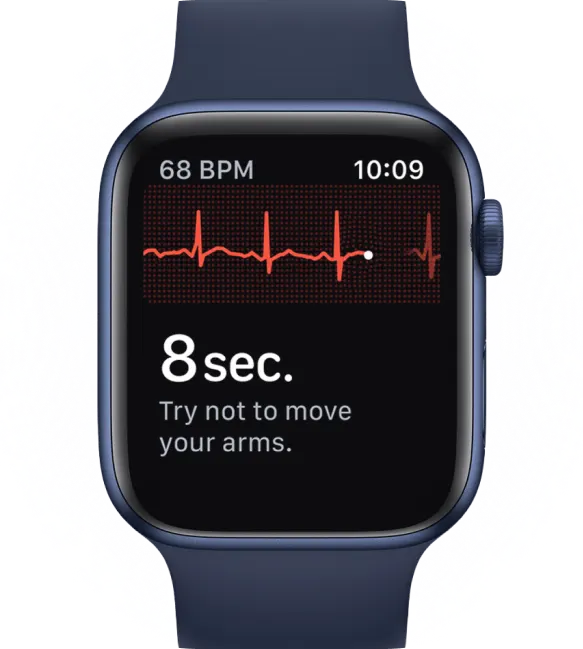
Many smartwatches and personal ECG devices now have the ability to record an electrocardiogram (ECG). Think of an ECG as a snapshot of your heart's electrical activity. It shows the rhythm and rate of your heartbeat, giving you a window into how your heart is functioning at that exact moment.
For someone on the contraceptive patch, a wearable ECG can be a game-changer. If you experience palpitations, you can capture an ECG while it's happening. This gives your doctor a recording of the actual event, which is way more useful than trying to describe a feeling you had last Tuesday.
This approach turns you from a passive patient into an active partner in your own care. For a deeper dive, check out our guide on how to check heart health at home.
Taking charge of monitoring allows you to build a detailed health record over time. Capturing ECGs when you feel something unusual creates a valuable diary that you and your healthcare provider can review together.
This data helps your doctor spot patterns, understand your symptoms better, and make the most informed decisions about your health and contraceptive choices.
Key Metrics to Understand on Your ECG
When you look at an ECG from your wearable, you might see a few specific measurements. You don't need to be a cardiologist to get the basics. Here are a couple of important ones:
- Heart Rate: This is simply how many times your heart beats per minute. Keeping an eye on your resting heart rate over time can give you a good sense of your personal baseline.
- Heart Rhythm: This tells you if your heartbeat is regular or irregular. An ECG is great for helping to identify arrhythmias, which are just irregular heart rhythms.
- QTc Interval: This is a more technical measurement that reflects the time it takes for your heart's electrical system to recharge after each beat.
The QTc interval is particularly relevant because some medications can occasionally prolong it. A longer QTc can increase the risk for a specific type of dangerous arrhythmia. While the patch isn't a primary cause of QTc prolongation, it's a good metric to be aware of, especially if you take other medications.

What to Do with Your ECG Data
Gathering data is the first step, but what really matters is knowing what to do with it. Your wearable ECG isn't a substitute for a doctor, but it is a powerful communication tool.
Here’s a simple plan for using your device effectively:
- Establish a Baseline: Take a few ECG readings when you're feeling calm and normal. This gives you a reference point for what your typical heart rhythm looks like.
- Record During Symptoms: If you feel palpitations, dizziness, or chest discomfort, take an ECG right then and there (if it's safe to do so).
- Share with Professionals: Don't try to interpret complex readings on your own. You can use a service like Qaly to have your ECGs reviewed by certified technicians or share the reports directly with your doctor.
Having this information ready for your next appointment makes for a much more productive conversation. It lets you say, "I felt palpitations on these three days, and here are the ECGs I recorded," which is far more effective than just, "My heart feels funny sometimes."
How to Talk to Your Doctor About Your Concerns
Having an open, honest conversation with your doctor is probably the single most important thing you can do for your well-being. But let's be real, appointments can feel rushed, and it’s easy to get intimidated or completely forget what you meant to ask. This is your game plan for making that conversation count.
Remember, you are the absolute expert on your body. Bringing up concerns about contraceptive patch side effects isn't being "difficult." It's being an active partner in your own healthcare. Your doctor is there to work with you, but they can only help with what they know about.
Preparing for Your Appointment
Walking into your appointment with a plan can make all the difference. Instead of trying to pull everything from memory on the spot, take a few minutes before you go to get your thoughts in order. It’s a simple step that helps you stay on track and ensures your biggest questions get answered.
A great way to do this is just to jot down a quick list. What's really on your mind about the patch?
- List Your Symptoms: Write down any side effects you're feeling, no matter how small they seem. Make a note of when they started and how often you notice them.
- Share Your Data: If you use a wearable ECG and have caught any palpitations, have those readings ready. Note the date, time, and what you were doing when it happened.
- Know Your History: Be prepared to talk about your personal and family health history, especially anything related to blood clots, high blood pressure, or migraines.
This little bit of prep work transforms a routine check-in into a focused, productive discussion about you.
Questions to Ask Your Doctor
To get the clear answers you deserve, you need to ask clear questions. Don't ever feel weird about bringing a written list with you. It just shows you're engaged and serious about your health.
Here are a few powerful questions to get the ball rolling:
- Looking at my personal health history, am I at a higher risk for serious side effects from the patch, like blood clots?
- I’ve been feeling [symptom]. Is this a common side effect, and when might I expect it to get better?
- Here’s an ECG from my watch when I felt palpitations. Can we take a look at this together?
- What are the most important warning signs for a stroke or DVT that I should watch out for?
- If it turns out the patch isn't the best fit for me, what would be my safest birth control alternatives?
Remember, your concerns are valid. A good healthcare provider will listen, take your experiences seriously, and help you find a solution that makes you feel safe and comfortable.
Advocating for yourself isn't about being confrontational; it's essential. You have every right to understand all aspects of your care and to make choices that line up with your health goals and your peace of mind.
Frequently Asked Questions About the Patch
Digging through all the info on contraceptive patch side effects can definitely bring up a few questions. That's completely normal, and you deserve clear, direct answers. Here are some of the most common things people wonder about, so you can feel more confident and in the loop.
How Long Do Contraceptive Patch Side Effects Usually Last?
For a lot of people, the most noticeable side effects show up right when they start. Things like mild headaches, a bit of nausea, or breast tenderness are most common during the first two to three months of using the patch.
It helps to think of this as an adjustment period. Your body is getting used to a new hormonal balance, and as it does, these effects often fade or disappear completely. Skin irritation from the patch's adhesive can sometimes stick around, but you can usually manage it by simply changing where you place the patch each week.
Can the Contraceptive Patch Cause Weight Gain?
This is one of the biggest concerns out there, and the answer isn't a simple yes or no. While some people do report changes in their weight, large-scale studies haven't found a direct, causal link between the patch and significant, long-term weight gain.
What might be happening is a bit of fluid retention, especially in those first few months. This can cause a small, temporary bump on the scale. If you're worried about any changes you're seeing, it's always a good idea to chat with your doctor about it.
Peace of mind is priceless. Remember, tracking your experience is a powerful tool. If something feels off or you're concerned about weight changes, having a record of your symptoms and patterns makes the conversation with your healthcare provider much more productive.
What Should I Do if My Patch Falls Off?
It happens! First off, don't panic. What you need to do next depends on how long the patch has been off your skin.
Here's a quick guide to follow:
- If it's been less than 48 hours: Try to reapply the same patch. If it won't stick anymore, just put on a brand new one immediately. You should still be protected from pregnancy, and you can stick to your original "Patch Change Day."
- If it's been more than 48 hours: Apply a new patch as soon as you realize it fell off. This day now becomes your new "Patch Change Day." Most importantly, you need to use a backup birth control method, like condoms, for the next seven days to make sure you're fully protected from pregnancy.
Trusting your body and having the right information are key to feeling secure in your birth control choice. We hope this guide has helped you feel more empowered on your health journey.

At Qaly, we believe that understanding your heart is a vital part of your overall well-being. If you're using the contraceptive patch and want peace of mind about your heart health, our expert-reviewed ECG service is here for you.



.png)
.png)