


Key Takeaways

User Profile
Hello Heart Hero. If you've ever felt a strange flutter in your chest after taking vitamin C, you’re not alone, and it's smart to question what's happening. It's completely normal to feel a bit worried when your body does something unexpected, especially when you're trying to do something good for it.
The short answer is that while it's uncommon, it is possible for some people to experience heart palpitations from too much vitamin C, especially at very high or "mega-dose" levels.
Your Vitamin C Questions, Answered
You're taking charge of your health because you want answers that go beyond generic advice. When you feel that unexpected racing or skipping in your chest, it's natural to feel a bit of concern. You’re likely trying to do something good for your body by taking vitamin C, so it’s confusing when your body sends a signal that feels off.
This guide is here to provide reassurance and clarity. We'll explore the connection between high-dose vitamin C and your heart’s rhythm, helping you understand why your body might react this way. There's a big difference between a beneficial dose that supports your health and an excessive amount that can cause unwanted side effects.
Heart palpitations often feel like a fluttering, pounding, or skipped beat in your chest. While frequently harmless and tied to things like stress or caffeine, they can sometimes be a sign that your body is reacting to something, like a high dose of a supplement.
The goal here isn't to create alarm but to empower you with knowledge. We'll break down the science in a simple, friendly way, so you can make informed decisions. Many factors can cause palpitations, and understanding them is the first step toward peace of mind. For a deeper look, you might be interested in our guide on the common causes of heart palpitations.
This article will help you understand:
- The difference between a normal dose and a mega-dose of vitamin C.
- How your body might signal that you've had too much.
- The science behind how high vitamin C levels can potentially affect your heart.
Vitamin C is well-known for its positive effects, and many people use it to stay healthy. To learn more about the diverse roles of Vitamin C and other essential nutrients, you might find this guide on Vitamins for Immune Support insightful.
Let’s dive into what you need to know about vitamin C and your heart.
The Connection Between Vitamin C and Your Heart Rhythm
So, how could a simple vitamin, something we're told is good for us, potentially mess with your heartbeat? Let's get into it.
Normally, vitamin C is a fantastic worker in your body. It acts as a powerful antioxidant, protecting your delicate cells from damage. Think of it like rust-proofing for your body's cells, a crucial protective layer.
But here’s the twist: when you take extremely high doses, this helpful worker can get a bit overzealous. It can flip roles and become a pro-oxidant, a substance that actually causes cellular stress instead of preventing it. It's like a well-meaning friend who tries to "help" so much they end up creating chaos instead of calm. That's the potential risk with mega-dosing vitamin C.
This is a common worry for people who start taking supplements and then notice a strange flutter in their chest.
The Iron Overload Factor
Another huge piece of the puzzle is how vitamin C interacts with iron. Vitamin C is a champ at boosting how much iron your body absorbs from food. For most of us, that's great. But for some, it can spell trouble.
Take, for example, people with a genetic condition called hemochromatosis. Their bodies naturally hang on to too much iron. If they start taking high doses of vitamin C, their iron absorption can go through the roof, leading to iron overload.
This excess iron can then get deposited in organs, including the heart. This puts a real strain on the heart muscle and can potentially trigger palpitations. It's like piling too much weight on one side of a scale, eventually, it’s going to tip. By the way, if you're curious about other vitamins, you might be interested to learn how Vitamin D might relate to heart palpitations.
While it is best known for causing digestive issues like diarrhea at doses over 2,000 mg daily, some reports suggest that too much vitamin C can also be a hidden trigger for heart palpitations in sensitive people.
This isn’t just a minor inconvenience. A chronic intake far above the recommended amount can kick off a cascade of symptoms. We're talking about nervous system excitability and cardiovascular disturbances, which can show up as those very palpitations you’re worried about. Understanding this link helps demystify why even a "good thing" can cause problems when your body simply gets too much of it.
How Much Vitamin C Is Actually Too Much

Navigating supplement labels can feel like trying to crack a secret code. When it comes to vitamin C, understanding the numbers is the key to making sure you’re helping your body, not overwhelming it. Let's break down the official guidelines to give you some clear, practical reference points.
There are two main numbers you need to know: the Recommended Dietary Allowance (RDA) and the Tolerable Upper Intake Level (UL). Think of the RDA as your daily goal for good health, while the UL is the absolute safety ceiling you shouldn't cross.
The Recommended Dietary Allowance (RDA) is the amount most healthy people need to meet their basic nutritional needs. For adult men, it’s 90 mg per day, and for adult women, it’s 75 mg per day.
The Tolerable Upper Intake Level (UL) is the maximum daily amount considered safe before the risk of side effects starts to climb. For all adults, the UL for vitamin C is set at 2,000 mg (or 2 grams) per day from all sources. This includes both food and supplements.
It’s when you go above this 2,000 mg limit that issues like digestive upset, and for some, the concern about heart palpitations, become more likely.
Putting Vitamin C Doses Into Perspective
It’s one thing to read numbers on a label; it’s another to understand what they actually mean in the real world. You can easily meet your daily RDA through food alone. For example, a single medium orange has about 70 mg of vitamin C, and one cup of chopped red bell pepper gives you a whopping 190 mg.
Supplements are a different beast entirely. They deliver a highly concentrated dose that's much harder to get from food, making it surprisingly easy to fly past the 2,000 mg UL if you're not paying close attention.
Many popular "immune-boosting" supplements pack 1,000 mg of vitamin C into a single serving. Taking just two of these a day, on top of the vitamin C from your diet and fortified foods like cereals or juices, can easily push you over the established safety limit.
This is where being mindful becomes so important. You might be taking a high-dose powder in the morning, chewing a few vitamin C gummies in the afternoon, and then drinking a fortified beverage, not realizing how quickly it all adds up.
Understanding this allows you to look at a supplement label with more confidence. You can see that a 1,000 mg dose is more than ten times the amount your body actually needs for basic health. While short-term high doses might be fine for some people, regularly taking more than the 2,000 mg UL isn't recommended and raises the risk of side effects. Knowing this empowers you to make a choice that feels right for your body and your heart.
Are You More Sensitive to Vitamin C Side Effects
Just like some people can handle a triple espresso while others get jittery from a single cup, our bodies all react differently to supplements. This is especially true for high-dose vitamin C. Your personal health history, body chemistry, and even your genetics can make you more susceptible to its effects.
This isn't about raising alarms. It's about being aware and empowered to make smart choices for your health. If you've ever taken a high dose of vitamin C and wondered, "Why am I feeling this way?", the answer might be found in your unique biology. The goal here is to help you connect the dots before you even chat with your doctor.
Underlying Health Conditions Matter
Certain pre-existing health conditions can change how your body handles high levels of vitamins. Think of your body's processing system like the plumbing in a house; if there's already a weak point or a partial clog, adding a surge of pressure can create issues that wouldn't happen in a perfectly clear system.
Two key areas to be mindful of are your kidneys and your heart.
For pre-existing kidney issues, your kidneys are the workhorses that filter out excess water-soluble vitamins, including vitamin C. If they aren't working at 100%, high doses can be much harder for your body to clear, potentially increasing the risk of side effects.
For known heart rhythm disorders, if you've already been diagnosed with an arrhythmia or another heart condition, your heart might be more sensitive to any shifts in your body’s internal balance. This includes the pro-oxidant stress that can sometimes come from mega-doses of vitamin C.
Knowing this simply helps you be more in tune with your body’s specific needs.
The Critical Link Between Vitamin C and Iron
One of the most important, and often overlooked, factors is the powerful relationship between vitamin C and iron. Vitamin C is a champ at boosting how much iron your body absorbs, especially from plant-based foods. For most of us, that's a good thing. But for people with a condition called hemochromatosis, it can be a serious problem.
Hemochromatosis is a genetic disorder that tricks your body into absorbing and storing way too much iron. It’s more common than you might think, affecting about 1 in every 300 people of Northern European descent. When someone with this condition takes high doses of vitamin C, they can unintentionally supercharge this iron absorption.
This buildup of excess iron, known as iron overload, can be particularly toxic to the heart. The iron can deposit itself into the heart muscle, damaging it and leading to major complications, including arrhythmias and heart palpitations.
Because of this risk, anyone with known hemochromatosis is typically advised to be extremely careful with vitamin C supplements.
Finally, don't forget that vitamin C can also interact with certain medications, like some chemotherapies, statins, and blood thinners. If you're on any prescription medication, it’s always a wise move to discuss any new high-dose supplement plan with your doctor or pharmacist. This ensures there are no unintended interactions working against you.
Using Wearable ECGs to Track Your Heart Rhythm
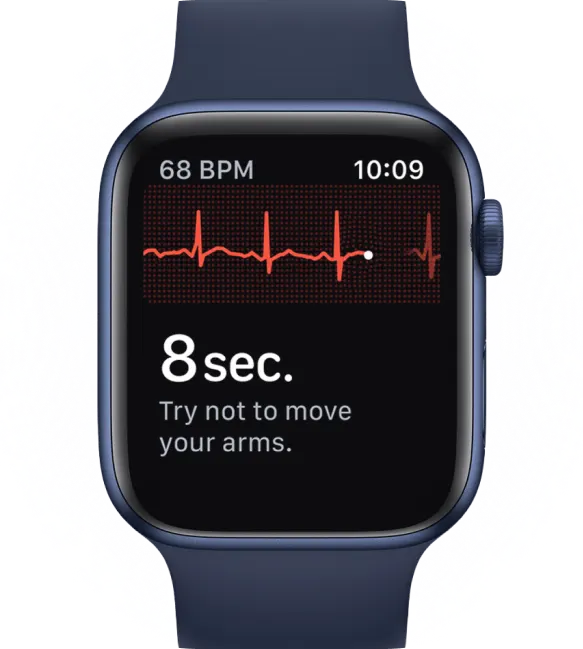
Feeling a flutter in your chest is unsettling, and it’s natural to want answers right away. Thankfully, you no longer have to just wait and wonder. Modern technology like your smartwatch or a portable ECG device puts a powerful tool right on your wrist or in your pocket, letting you capture what’s happening the moment you feel it.

This ability to record an electrocardiogram (ECG) during a palpitation is a game-changer. It transforms a fleeting, hard-to-describe symptom into concrete data you can actually use.
How to Take an ECG When You Feel a Palpitation
When you feel that flutter, race, or skipped beat, the first thing to do is try to remain calm. Then, follow these simple steps. The process is pretty much the same for most devices, whether it’s an Apple Watch, Samsung watch, Fitbit, or a KardiaMobile device.
- Sit down and rest: Find a comfortable seated position and try to relax your body.
- Open the ECG app: Launch the ECG function on your watch or phone.
- Position your arm: Rest the arm wearing the watch on a flat surface, like a table or your lap. This helps prevent muscle noise from interfering with the reading.
- Initiate the reading: Follow your device’s instructions, which usually involve placing a finger from your opposite hand on the digital crown or sensor.
- Stay still and quiet: Try not to move or talk for the 30 seconds it takes to record. This is key to getting a clear, readable ECG strip.
Capturing the event as it happens provides the most valuable information. But remember, a squiggly line on its own doesn't give you the full story. For more detailed tips, check out our guide on how cardiologists view smartwatch ECGs.


From Raw Data to Clear Answers with Qaly
Your ECG recording is a great first step. The real peace of mind, though, comes from understanding what it means. This is where a service like the Qaly app becomes so valuable, especially when you’re facing a long wait for a doctor's appointment just to get an answer.
Instead of guessing or falling down a rabbit hole of worry, Qaly connects you to certified cardiac technicians who analyze your wearable ECG, 24/7. You can get a human-reviewed interpretation of your heart rhythm in minutes, right on your phone.
This service perfectly bridges the gap between having the data and knowing what to do with it. A technician can tell you if the rhythm looks like a common, benign palpitation or if it shows signs of something more concerning that needs a doctor's attention.
This kind of immediate feedback is incredibly empowering. It helps you figure out if your palpitations might be linked to something like high doses of vitamin C, or if there's a different underlying issue at play. Armed with this information, you can stop the what-ifs and have a much more informed, confident conversation with your doctor, backed by clear evidence you captured yourself.
Your Action Plan for Tackling Heart Concerns
If you’re here, it’s likely because you’ve noticed some fluttering in your chest and are wondering if your vitamin C supplement has something to do with it. That feeling of uncertainty is frustrating, but you have options. It’s time to take charge with a clear, simple plan that puts you back in control of your health.
The most straightforward first step is to see if your symptoms change when you adjust your vitamin C intake. Try safely lowering your dose, or even press pause on high-dose supplements for a week or two. This simple experiment can offer powerful clues about what might be causing your palpitations.
Start a Simple Symptom Journal
To connect the dots, start keeping a simple daily log. This doesn't have to be complicated. Just grab a notebook or use an app to jot down a few key things:
- Supplements Taken: Note the exact type and dose, like "1,000 mg vitamin C powder."
- Symptoms Felt: Describe any palpitations, how they felt, when they happened, and how long they lasted.
- Time of Day: Record when you took the supplement and when the symptoms appeared.
This journal will become an incredibly valuable tool. It helps you spot patterns, turning vague feelings into concrete data you can share with your doctor. You're no longer just saying, "I feel weird sometimes"; you're showing them exactly what's going on.
While many palpitations are harmless, certain "red flag" symptoms should never be ignored. If your palpitations come with dizziness, chest pain, fainting, or severe shortness of breath, it’s crucial to seek immediate medical attention.
How to Have a Confident Doctor's Visit
Walking into a doctor's office can feel intimidating, especially when your concerns are hard to describe. But now, you’re prepared. Bring your symptom journal and any ECGs you’ve recorded and had reviewed by a service like Qaly.
This preparation empowers you to have a much more productive conversation and become an active partner in your own care. You can confidently show your doctor precisely what you've been experiencing. For more strategies on managing these sensations, you can learn how to stop heart palpitations with top relief tips in our other guide. Your careful tracking and proactive approach are the keys to getting the answers you deserve.
Frequently Asked Questions About Vitamin C and Heart Health
Trying to get to the bottom of your health concerns can lead to a lot of questions. That’s a good thing, it means you're being proactive. We've put together answers to some of the most common questions about vitamin C and your heart, giving you the clear information you need.
What Are the First Signs of Taking Too Much Vitamin C?
Long before you'd feel any effects on your heart, your digestive system will probably be the first to complain. When you take too much vitamin C (usually over 2,000 mg a day), the first signs are almost always gut-related. These can include diarrhea, nausea, stomach cramps, and bloating with gas.
Think of these symptoms as your body's way of telling you it's gotten more vitamin C than it can possibly absorb. It's simply getting rid of the excess.
Can Vitamin C Cause Anxiety or Jitters That Feel Like Palpitations?
Yes, it's definitely a possibility for some people. While vitamin C doesn't directly cause anxiety, the physical side effects of a megadose can certainly feel like it. The stomach upset or even a sudden "jolt" from the supplement's pro-oxidant effect at high doses can leave you feeling jittery and on edge. It's easy to mistake that feeling for heart palpitations or a bout of anxiety.
It can become a feedback loop: you feel a strange sensation from the supplement, which makes you anxious, and that anxiety can then trigger actual palpitations. This is a perfect example of the powerful connection between your gut, your nervous system, and your heart.
When Should I Talk to a Doctor About This?
Always trust your body's signals. It's time to have a conversation with your healthcare provider if:
- You've lowered your vitamin C dose, but the palpitations haven't stopped.
- The palpitations come with other symptoms like dizziness, chest pain, or shortness of breath.
- You already have a known condition like a heart arrhythmia or kidney problems.

Feeling anxious about heart palpitations? Qaly experts review your ECGs for irregularities like PACs, PVCs, and more within minutes. Try it now for peace of mind.



.png)
.png)