


Key Takeaways

User Profile
Hello Heart Hero. Seeing a term like heart ischemia pop up on a health report or an ECG reading can be jarring, to say the least. It's one of those medical terms that sounds serious, and it can leave you wondering what it means for you and the data from your wearable ECG.
The simplest way to think about ischemia of the heart is as a supply-and-demand problem. Your heart muscle is working hard, and it demands a constant supply of oxygen-rich blood to function. Ischemia happens when that supply can’t keep up with the demand.
Understanding What Is Ischemia of the Heart

We built this guide to cut through the medical jargon and give you clear, straightforward information. We know that navigating the healthcare system can be frustrating, and you might be feeling a bit skeptical. Our goal is to empower you with the knowledge to understand your body better and feel more in control of your own health journey.
Imagine your heart's arteries are highways. These highways are responsible for delivering a constant stream of oxygen-rich blood to your heart muscle. Ischemia is what happens when there's a major traffic jam on these highways, which slows down or even stops this critical delivery.
Most often, this "traffic jam" is caused by a buildup of fatty plaques in the arteries, a condition called atherosclerosis. When the blood flow is restricted, parts of the heart muscle get starved of oxygen. This can lead to symptoms like chest pain (angina) or, if the blockage is severe and sudden, a heart attack.
Heart ischemia isn't a diagnosis to fear but a condition to understand. Knowing what it is gives you the power to take proactive steps, monitor your health intelligently, and have more confident conversations with your doctor.
A Condition Affecting Millions
Heart ischemia, also known as ischemic heart disease (IHD), is much more common than people think. It's a huge global health issue.
In 2021, a staggering 254.28 million people worldwide were living with this condition. Tragically, IHD was responsible for 8.99 million deaths globally in that same year, making it clear just how critical it is to understand and manage. You can discover more insights about these global heart health statistics from the American Heart Association.
This guide will give you the foundation you need to understand your body and what your heart is telling you. It sets the stage for a deeper look into a condition that you can learn to monitor and manage, often with the help of the technology you use every day. To get started, you can learn more about the basics of cardiac monitoring in our detailed guide.
Why Heart Ischemia Happens and Who Is at Risk
To really get a handle on heart ischemia, we need to look at what causes it. This isn't about creating fear. It's about giving you the knowledge to feel more in control of your own health journey.
The overwhelming majority of ischemia cases are caused by a condition called coronary artery disease, or CAD for short. It's the main reason that blood flow to the heart muscle gets restricted.
Imagine the arteries supplying your heart are like clean, new garden hoses, letting water flow through without any trouble. Over time, substances like cholesterol, fats, and calcium can start to build up on the inner walls. This buildup is called plaque.
This slow-motion clogging process is known as atherosclerosis. As more plaque gathers, the "hoses" get narrower and stiffer, making it tougher for blood to pass through. When your heart needs more oxygen, like when you're exercising or feeling stressed, the narrowed arteries simply can’t keep up with the demand. That oxygen shortfall is what triggers ischemia.
The Building Blocks of Risk
So, what makes this plaque build up in the first place? It's rarely a single thing. It’s usually a combination of factors, some we can influence and others we can't. Knowing what they are is the first step toward having an informed talk with your doctor.
Here are the most common risk factors that play a role in developing coronary artery disease:
- High Cholesterol: Think of high levels of LDL ("bad") cholesterol as a key ingredient in the plaque that gums up your arteries.
- High Blood Pressure: Over the long haul, high blood pressure can damage the delicate inner lining of your arteries. This creates rough spots where plaque can easily grab on and start to accumulate.
- Smoking: Chemicals in tobacco smoke are bad news for blood vessels. They can damage them directly, speed up the hardening of the arteries, and make your blood thicker and more prone to clotting.
- Diabetes: The high blood sugar levels that come with diabetes can damage blood vessels throughout the body, including the heart's, making atherosclerosis more likely to develop and progress.
It’s worth remembering that having a risk factor doesn't seal your fate. It just means the odds are higher, and it shines a light on where you can focus your efforts for better heart health.
Factors You Cannot Change
While lifestyle plays a huge role, some risk factors are just part of your personal blueprint. It’s just as important to be aware of these.
- Age: The simple truth is that the risk for coronary artery disease goes up as we get older. For men, the risk starts to climb after age 45, and for women, it increases after age 55.
- Family History: Your genes can play a part. If your father or a brother was diagnosed with heart disease before age 55, or if your mother or a sister was diagnosed before age 65, your own risk is considered higher.
Sometimes, a piece of this plaque can break open, or rupture. When that happens, a blood clot can form right on top of it, suddenly blocking the artery completely. This is what causes a heart attack. Understanding how these clots form, a process known as thrombosis, is key to grasping conditions like Acute Coronary Syndrome. It helps connect the dots between the slow, steady buildup of plaque and a sudden, life-threatening cardiac event.
Recognizing the Warning Signs of Heart Ischemia

It’s easy to second-guess yourself when a new ache or pain pops up. Is it something serious, or just a random twinge? When it comes to heart ischemia, the signals your body sends aren't always the dramatic, chest-clutching moments we see in movies.
Learning to spot the warning signs, both the classic and the subtle, is one of the most powerful things you can do for your health. Think of a potential symptom not as a reason to panic, but as a nudge from your body to pay closer attention.
Classic Symptoms of Heart Ischemia
The most famous sign of heart ischemia is angina. But this isn't just any chest pain. People often describe it as a heavy pressure, squeezing, or a feeling of fullness right in the center of the chest, almost like a weight is sitting on them.
This discomfort is often brought on by physical effort or emotional stress and typically fades away with rest. But angina doesn't always show up alone.
Other classic signals often ride shotgun:
- Shortness of Breath: You might find yourself out of breath after a simple activity that used to be easy, like carrying in groceries or walking up a single flight of stairs.
- Unexplained Fatigue: This is a bone-deep weariness, far beyond feeling tired from a long day. It's a profound exhaustion that can make even small tasks feel like climbing a mountain.
The Atypical Signs You Cannot Ignore
Here’s where it gets tricky, and where truly listening to your body is critical. Many people, especially women, never get that classic chest-squeezing sensation. Instead, their symptoms are more subtle and easily mistaken for indigestion, a pulled muscle, or just stress.
But these less common signs are just as serious. Understanding them is key, because what is ischemia of the heart can look and feel very different from person to person.
Your body communicates in its own unique language. A nagging ache in your jaw or an odd pain in your back might be its way of talking about your heart. Learning to translate these signals is a vital part of managing your health.
These atypical symptoms can feel like a dull ache, discomfort, or pressure in a few surprising places:
- Jaw, Neck, or Throat Discomfort: The pain can radiate up into your jaw or feel like a strange tightness in your throat. It's often mistaken for a dental problem or a sore throat.
- Back or Shoulder Pain: You might feel a persistent ache or pressure between your shoulder blades or in one or both shoulders.
- Stomach or Abdominal Discomfort: Symptoms can feel a lot like heartburn or indigestion, which is why many people unfortunately brush off a potential cardiac warning sign.
Heart Rhythms and Ischemia
If you use a wearable ECG, you're probably on the lookout for irregular heartbeats. That's a smart move, because palpitations or arrhythmias can sometimes be linked to heart ischemia.
Here’s why: when a section of your heart muscle is starved for oxygen, it can become electrically unstable. This instability can trigger irregular rhythms that your device might flag.
If you start seeing new or more frequent palpitations on your ECG, especially alongside any of the other symptoms we’ve talked about, it’s a clear signal to dig deeper. It's a perfect example of how your watch can provide valuable clues over time. To get a better handle on these situations, our guide on what is a cardiac event can be a big help. Spotting these patterns gives you the power to have a much more informed conversation with your doctor.
What Your Wearable ECG Can Reveal About Ischemia
Your wearable ECG is an incredible tool for tuning into your heart's daily rhythm. So when you're worried about something like heart ischemia, it's only natural to look at your watch for answers. The secret is knowing what to look for and, just as importantly, understanding the device's limits.
Think of your wearable ECG as a skilled detective that's an expert at spotting specific clues, like irregular rhythms. It's fantastic at that particular job. But diagnosing ischemia often requires a different set of tools and a much wider view than your device is built to provide.
The Limits of a Single-Lead ECG
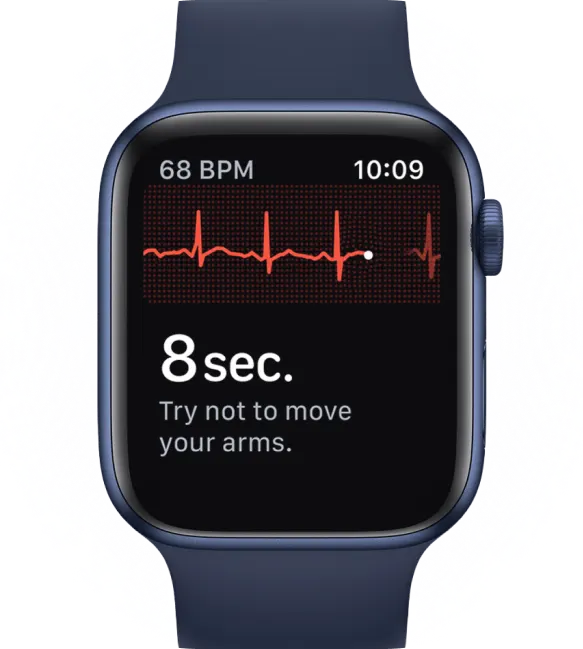
The ECGs on consumer devices like your watch are typically single-lead recordings. This means they look at your heart's electrical activity from just one angle. In a hospital, a doctor uses a 12-lead ECG, which views the heart from twelve different angles at once, creating a complete, 3D electrical map.
Diagnosing ischemia often comes down to seeing specific changes in a part of the ECG waveform called the ST segment. When a part of the heart muscle isn't getting enough oxygen, this segment can become elevated or depressed.
A single-lead ECG from a wearable device is not designed or approved to detect ST segment changes related to ischemia or a heart attack. While it's a powerful health ally, it simply doesn't have the comprehensive view needed for this specific, critical diagnosis.
So, What Should You Be Looking For?
This doesn't mean your device isn't useful, far from it. It's just that its role in monitoring for potential signs of ischemia is more about spotting indirect clues and long-term patterns rather than making a direct diagnosis.
Your wearable is exceptionally good at detecting arrhythmias, or irregular heartbeats. When heart tissue is stressed from a lack of oxygen (ischemia), it can become electrically irritable. This irritability can trigger arrhythmias like:
- Premature Ventricular Contractions (PVCs): Extra, early heartbeats coming from the lower chambers of the heart.
- Atrial Fibrillation (AFib): A chaotic and often rapid heart rhythm.
- Other irregular rhythms: Your device might flag various palpitations or unusual patterns.
_apple.webp)
Spotting these irregularities is where your wearable truly shines. The global burden of ischemic heart disease shows a condition where poor blood supply damages heart tissue, often progressing silently until symptoms like irregular rhythms or fatigue show up, precisely what you can track at home. By 2019, cardiovascular disease, with IHD as a major driver, claimed nearly 400 million healthy life years, a 24% jump from 2000. You can read the full data sheet from the World Heart Federation to grasp the scale of this issue.
The Power of Tracking Trends Over Time
The real power of your wearable is its ability to track patterns. A single PVC might not be concerning, but a sudden increase in their frequency over a few weeks could be a meaningful signal that something has changed.
This is where you can be your own best health advocate. Focus on watching for new or changing trends in your ECG readings. Are palpitations becoming more common? Are they happening at different times of the day or with less exertion than before? These are the kinds of insights that provide valuable context for a conversation with your doctor.
Services like Qaly, which offer human expert review of your ECG strips, are invaluable here. Instead of just seeing an algorithm's output, you get a certified technician's eyes on your recordings. They can help you make sense of these trends, turning your raw data into a clearer picture of your heart's behavior over time. To better understand the ECG changes that clinicians look for, you can learn more about ST segment depression in our detailed article. This empowers you to approach your doctor not just with a single strange reading, but with a documented history of your heart's patterns.
Getting Answers: Diagnosis and Treatment
If you’re worried something isn’t right with your heart, the road to getting answers can feel overwhelming. It’s completely normal to feel a bit hesitant or scared when stepping into the medical world. My goal here is to pull back the curtain on that process, showing you how getting a diagnosis is a partnership between you and your doctor, one where you are the most important team member.
Knowing when to act is everything. If you ever have sudden, severe chest pain, can’t catch your breath, or feel a strange discomfort spreading to your arms, back, or jaw, that’s your cue to get immediate medical help. Don't wait. For symptoms that are more subtle or come and go, your first move should be scheduling a visit with your doctor to start the conversation.


The Tools That Build the Full Picture
To figure out what’s really going on inside your arteries, doctors have a few key tools to get a clear look. Think of it like a detective using different gadgets to solve a case, each test gives them a unique piece of the puzzle.
Here are the most common tools you’ll likely come across:
- 12-Lead ECG: This is a big step up from the single-lead ECG on your watch. It looks at your heart's electrical signals from twelve different angles all at once. This detailed map helps doctors pinpoint specific changes, like ST segment shifts, that are tell-tale signs of ischemia.
- Stress Test: Just as it sounds, this test monitors your heart with an ECG while you’re exercising, usually on a treadmill or stationary bike. The idea is to see how your heart handles the extra work and increased demand for oxygen. It’s great for uncovering blood flow issues that might not show up when you’re just sitting around.
- Coronary Angiogram: This is the gold standard for getting a direct look at the heart's arteries. A very thin, flexible tube, called a catheter, is guided through a blood vessel to your heart. A special dye is then injected, which makes your arteries visible on an X-ray, clearly showing the exact location and seriousness of any blockages.
Your Treatment Options
Once heart ischemia is confirmed, the treatment plan is built around you. This isn't a one-size-fits-all situation. The main goals are always to get more blood flowing to the heart, ease your symptoms, and lower the risk of something serious, like a heart attack, down the road.
Treatment almost always starts with the basics: lifestyle changes and medication. Small, consistent shifts in your diet, adding some gentle physical activity, and finding ways to manage stress can make a huge difference in your artery health. Medications like beta-blockers, statins, and blood thinners are also key players in keeping things under control.
For more serious blockages, a more hands-on approach might be necessary:
- Angioplasty and Stenting: This is a minimally invasive procedure where a tiny balloon is used to push open the narrowed artery. A small mesh tube, called a stent, is usually left behind to help prop the artery open.
- Coronary Artery Bypass Surgery (CABG): When there are several severe blockages, surgeons can create a new path for blood to flow. They do this by taking a healthy blood vessel from another part of your body and grafting it so that it bypasses the blocked part of the artery.
You are the most important person on your own care team. What you feel, your daily habits, and your personal insights are absolutely critical for creating a treatment plan that actually works for you.
You and your doctor will navigate these options together to find the best path forward. And the field is always moving forward, with new technologies like AI medical diagnosis helping improve accuracy and speed. Blood tests are also a vital part of the picture; it’s helpful to learn more about troponin levels, a key protein released when the heart muscle is damaged, in our detailed guide.
Taking Proactive Steps for a Healthier Heart

This is where you move from understanding to action. Getting a handle on what ischemia of the heart means is a huge first step, but what you do with that knowledge is where the real power is.
We’re not talking about a total life overhaul or a list of impossible rules. This is about making smart, sustainable choices that add up over time to build a much healthier future for your heart.
Building Your Heart-Healthy Foundation
Think of your daily habits as the foundation of your heart health. The stronger you build that foundation, the better it can handle the things that contribute to ischemia.
Let's break it down into four key areas. These aren't quick fixes; they're long-game strategies that work together to protect your whole cardiovascular system.
- Nourish Your Body: Try to crowd out the processed stuff with more whole foods. Think colorful fruits and veggies, lean proteins like fish and beans, and healthy fats from avocados and nuts. It's less about deprivation and more about giving your arteries what they need to thrive.
- Move with Joy: The best exercise is the one you actually do. Find something you genuinely enjoy, whether it's a brisk walk, dancing around the kitchen, or getting your hands dirty in the garden. If it makes you feel good, you'll stick with it.
- Manage Your Stress: We all have stress, but chronic, unrelenting stress is tough on your arteries. Even simple things can make a difference. A few minutes of deep breathing, some time outside, or just calling a friend can lower stress hormones and cool down inflammation.
- Commit to Quitting Smoking: If you're a smoker, quitting is the single most impactful thing you can do for your heart. It’s never easy, but there are more resources and support systems out there than ever before to help you succeed.
Your Wearable as a Motivational Tool
This is where your smartwatch graduates from a simple gadget to your personal health partner. It provides a real-time feedback loop on all your positive efforts.
Tracking your heart's trends can be incredibly motivating. Seeing fewer palpitations or a more stable resting heart rate over time provides tangible proof that your healthy choices are making a difference.
As you start making these small changes, keep an eye on the patterns in your ECG readings. You might notice your heart rhythm is more regular after a week of consistent walks. Or maybe your heart rate is a bit lower during periods when you’re actively managing your stress.
This isn’t about diagnosing anything with your watch. It's about using the data to connect the dots between your actions and your body’s response. It reinforces your good habits, keeping you motivated and on track. You become the expert on your own well-being, armed with both knowledge and the personal data to prove you're making a real difference.
Your Questions About Heart Ischemia Answered
It's completely normal to have a few questions swirling around as you take all this in. Let's walk through some of the most common ones to give you a clearer picture and a bit more confidence on your heart health journey.
Can Chronic Stress Lead to Heart Ischemia?
Absolutely, there's a very real connection here. Think of long-term stress as keeping your body stuck in "fight or flight" mode. This constant state of alert can ramp up inflammation and elevate your blood pressure.
Over time, this chronic inflammation can rough up the smooth inner lining of your arteries. That damage makes it much easier for plaque to grab hold and build up, eventually leading to the blockages that cause ischemia.
Is It Possible to Reverse Heart Ischemia?
While "reversal" might be a strong word, you can definitely make a huge, positive difference. It's entirely possible to stop or even slow down the progression of plaque in your arteries through dedicated lifestyle changes, like a heart-healthy diet and better stress management, along with the right medical treatments.
For many people, these combined efforts improve blood flow and dramatically reduce symptoms. In that sense, it can feel like a complete reversal in your quality of life.
A normal reading on your wearable ECG is reassuring, but it is not a green light to ignore other signals your body might be sending. It's just one piece of a much larger health puzzle.
If My Wearable ECG Is Normal, Am I in the Clear?
Not always. Your wearable ECG is a fantastic tool for spotting certain heart rhythm problems, but it wasn't built to diagnose ischemia, which is fundamentally a blood flow issue.
A normal ECG strip is great news for your heart's electrical rhythm at that specific moment. But you always have to listen to your body. If you're feeling symptoms like chest tightness, shortness of breath, or just unusual fatigue, it's crucial to talk to your doctor, even if your watch ECG looks perfectly fine. Your symptoms and personal risk factors are just as vital as any data from your device.

When you need clarity on your ECG readings, Qaly provides expert, human-reviewed interpretations of your wearable ECGs in minutes.



.png)
.png)