





Key Takeaways

User Profile
Hello Heart Hero. Starting a new medication for atrial fibrillation (AFib) can bring up a lot of questions, and it’s completely normal to feel concerned about potential dronedarone side effects. We know that navigating healthcare can be tough, and you're looking for answers you can trust. This guide is here to walk you through everything you need to know, in simple, reassuring language, so you can feel confident and in control of your health journey.
Understanding Dronedarone and Your Heart Health

When your heart's rhythm feels unpredictable, finding the right treatment is a huge step toward getting back to your life. Dronedarone, often known by its brand name Multaq, is a medication prescribed to help manage AFib for certain people.
Think of it as a calming influence for your heart. Its job is to help keep your heart’s electrical signals steady and prevent AFib episodes from returning.
Taking on a new prescription can feel a bit like stepping into the unknown. It's perfectly okay to feel cautious, especially when you read a long list of possible side effects. Our goal is to replace that uncertainty with clear, practical knowledge. We believe that when you're well-informed, you become a powerful partner in your own healthcare.
How Dronedarone Works
At its core, dronedarone is what’s called an antiarrhythmic medication. This means it works directly on the electrical pathways inside your heart muscle. By gently changing how charged particles like potassium and sodium move in and out of your heart cells, it helps to:
- Slow down electrical signals: This is key to preventing the rapid, chaotic beats that define AFib.
- Stabilize the heart's rhythm: The main goal is to keep you in a normal, steady rhythm for longer.
- Reduce AFib-related hospitalizations: A more stable rhythm can lower the chances of needing hospital care for heart rhythm issues.
Understanding this is the first step. The next is knowing what to expect as your body gets used to the medication. For many people, the side effects are manageable and often temporary. Being aware of them ahead of time can make the whole experience much less stressful.
For a broader look at different options, you might be interested in our guide on various types of heart medicine for AFib.
Common Dronedarone Side Effects You Should Know
The most frequently reported side effects often involve your digestive system. While they can be inconvenient, they are not typically a sign of a serious problem. Knowing what's common can save you from unnecessary worry.
One of the biggest studies on this drug, the ATHENA trial, gave us some great insights. It found that gastrointestinal issues like nausea and diarrhea were experienced by 26% of patients taking dronedarone. This was only slightly higher than the 22% who had similar issues while taking a placebo, or sugar pill.
This information, from a study involving thousands of people, shows that while stomach upset is a real possibility, it's a well-understood reaction. We'll dive deeper into how to manage these common issues in the next section.
Starting any new medication can feel like a journey into the unknown. The good news is that the most common dronedarone side effects are often mild and tend to get better over time as your body adjusts. Knowing what to expect makes the whole process much easier to handle.

These initial effects are usually not a reason to stop the medication. Think of them as a sign that your body is getting used to its new helper. Let’s walk through what you might experience so you feel prepared.
Tummy Troubles and How to Soothe Them
The side effects people report most often are related to the digestive system. This can include diarrhea, nausea, vomiting, and general stomach pain. While definitely not pleasant, these symptoms are usually at their worst when you first start the treatment.
A simple but very effective trick is to always take dronedarone with food. The standard advice is to take one pill with your morning meal and another with your evening meal. Doing this helps your body absorb the medicine properly and can make a big difference in preventing an upset stomach.
If you're still having a tough time, here are a few other tips:
- Stay Hydrated: Sipping water throughout the day can help, especially if you're dealing with diarrhea.
- Eat Bland Foods: Simple things like bananas, rice, or toast are often easier on your stomach.
- Track Your Symptoms: Making a quick note of when symptoms happen can be incredibly useful information to share with your doctor.
It’s worth noting that digestive issues are pretty common with many heart rhythm drugs. For a broader comparison, check out our detailed guide on antiarrhythmic drugs side effects.
Changes in Your Lab Results
Seeing a change in your blood test results can feel a bit scary, but with dronedarone, one specific change is expected and usually not a cause for alarm. This medication can cause a small increase in your blood creatinine levels.
Creatinine is a waste product that your kidneys filter from your blood. A rise in creatinine can sometimes signal a kidney problem, but that's not what's happening here. Dronedarone changes how your kidneys handle creatinine without actually harming the kidney itself.
Your doctor will be monitoring your lab work and knows to expect this specific change. It's a known and predictable effect of how the drug works, and in most cases, it does not indicate any kidney damage.
Think of it like a temporary detour on a highway. The traffic (creatinine) is being rerouted slightly, which makes the numbers look different, but the road (your kidney) is still in great shape.
Other Less Common Reactions
Beyond stomach issues, a few other manageable side effects might pop up. These are generally less frequent, but it's still good to know about them.
- Skin Reactions: Some people might get a mild rash or feel itchy. This is often temporary, but you should always let your doctor know if it happens.
- Changes in Taste: You might notice that food tastes a little different. Some people describe it as a metallic taste. This usually goes away on its own.
- Fatigue: Feeling more tired than usual is another possibility as your body adapts to the medication’s effect on your heart rhythm.
Remember, everyone's body is different. You might experience one of these, or maybe none at all. The most important thing is to keep an open line of communication with your healthcare team so they can offer guidance and reassurance along the way.
Recognizing Serious Side Effects and Safety Warnings
While many side effects are mild, it’s just as important to understand the more serious ones. This knowledge is not here to scare you; it’s here to empower you. Being aware of the key safety warnings helps you become the most important advocate for your own health.
Dronedarone comes with what are known as “black box warnings.” This is the most serious type of warning from the FDA, and it highlights risks that you and your doctor must discuss. These warnings are not suggestions; they are firm guidelines based on clear evidence from clinical studies.
The Warning for Permanent AFib
One of the most critical rules for dronedarone is that it should not be used if you have permanent atrial fibrillation. This means your heart is in AFib all the time, and you and your doctor have decided not to try to restore a normal rhythm.
This warning is based on important research. A key safety announcement from the U.S. Food and Drug Administration (FDA) in late 2011 showed that dronedarone can double the risk of cardiovascular death, stroke, and hospitalization for heart failure in people with permanent AFib.
This is a powerful example of why understanding your specific type of AFib is so essential for safe treatment.
The Warning for Heart Failure
The second major warning involves heart failure. Dronedarone is not recommended for individuals with certain types of heart failure, especially if your symptoms are severe or have recently gotten worse and required hospitalization.
Why is this the case? The medication can potentially weaken the heart's pumping action, which is already a challenge for people with heart failure. Studies showed an increased risk for those with advanced heart failure, so this guideline is in place to protect you from that danger.
If you have a history of heart failure, it is absolutely vital that you have an open conversation with your doctor about your current symptoms and whether dronedarone is a safe choice for you.
Think of these warnings as guardrails on a mountain road. They are there to keep you in the safest lane and prevent you from veering into a dangerous area.
Watching for Liver Issues
Another serious but rare side effect of dronedarone is the potential for liver injury. While this is not common, it's important enough that your doctor will keep a close eye on it.
Your healthcare team will likely order blood tests to check your liver function before you start taking the medication and then periodically during your treatment. This proactive monitoring is the best way to catch any potential problems early, long before they become serious.
Be aware of the following signs, and contact your doctor right away if you notice them:
- Yellowing of the skin or eyes (jaundice)
- Unusual fatigue or loss of appetite
- Dark-colored urine
- Pain or tenderness in your upper right stomach area
Being mindful of these symptoms allows you to be an active participant in monitoring your safety. For broader perspectives on medication safety, you may also find it helpful to consult general drug safety information.
Knowing these critical safety facts helps ensure that this medication is used only when it's both effective and safe for your specific situation. It puts you in a better position to ask the right questions and partner with your doctor effectively.


How Dronedarone Changes Your ECG Readings
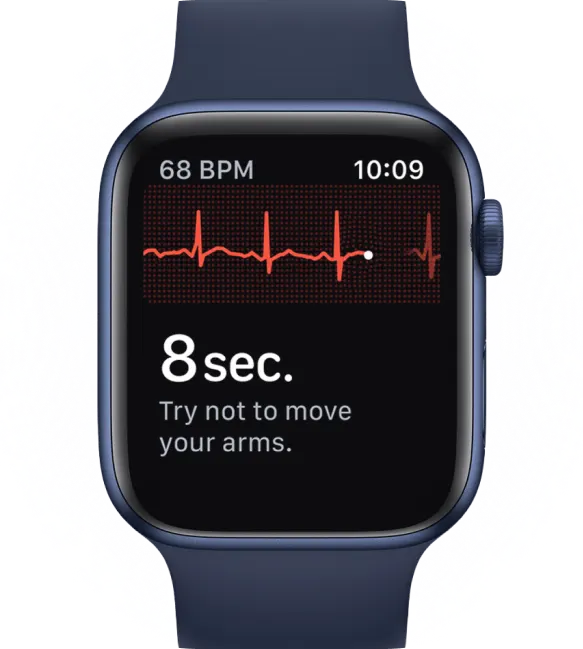
Dronedarone works by tweaking the electrical signals in your heart, and you can actually see these changes on an electrocardiogram (ECG). If you're using a smartwatch or an at-home ECG device, this section will help you understand what you're seeing in your readings.
It's completely normal to feel a bit lost staring at the squiggly lines and medical terms on an ECG report. But once you know what a few key measurements mean, that confusion can turn into confidence. Let's break down what those readings are telling you while you're on this medication.
What to Look for on Your At-Home ECG
When you take an ECG, your device is capturing the electrical journey of each heartbeat. It breaks this journey down into different sections, called "intervals." For dronedarone, we keep a close eye on two of these: the PR interval and the QT interval.
Imagine your heartbeat's electrical signal is a runner in a relay race.
- The PR Interval: This is the first leg. It measures how long it takes for the signal to get from the heart's upper chambers (the atria) down to the lower chambers (the ventricles). Dronedarone can sometimes slow this handoff down just a bit, making the PR interval a little longer.
- The QT Interval: This is the recovery part of the race, after the main contraction. It tracks how long it takes for your heart's lower chambers to "reset" before the next beat. Dronedarone is specifically designed to lengthen this reset time.
You'll also likely notice an increase in your heart rate. Studies show that dronedarone often raises a person's resting heart rate by an average of about 11 to 15 beats per minute. So if you see your pulse is a bit higher than before, that's a known effect. It means the medication is doing its job.
Understanding the QT Interval
The QT interval is the most important one to watch when you're taking dronedarone. A longer QT interval is a sign the medication is working to stabilize your heart rhythm. But it’s a delicate balance. If the QT interval gets too long, it can increase the risk of a dangerous arrhythmia.
This is exactly why your doctor monitors your ECG so carefully, especially when you first start the medication. They're looking for that "sweet spot" where the QT is long enough to be effective but still safely within a normal range.
Think of it like baking a cake. You need to leave it in the oven long enough for it to cook all the way through, but not so long that it burns. Your doctor is making sure your heart's "baking time" is just right.
For a deeper dive, it's helpful to know about other drugs that cause QT prolongation so you can be aware of potential interactions.

How to Use Your Wearable Device for Monitoring
Your at-home ECG is a fantastic tool for being an active partner in your own care. Services like Qaly are designed to help you make sense of these readings, giving you clear measurements of your PR, QRS, and QT intervals in just a few minutes.
Here’s how to put that technology to good use:
- Establish a Baseline: If you can, take a few ECG readings before you start dronedarone. This gives both you and your doctor a clear "before" picture to compare against.
- Track Consistently: Try to take your ECGs around the same time each day, like first thing in the morning, to see how things are trending.
- Share Your Data: Don't just keep the numbers to yourself. Use your app to create reports you can easily share with your doctor. Seeing your interval trends over time gives them valuable insight they cannot get from a single ECG in their office.
- Log Your Symptoms: If you feel a palpitation, dizziness, or anything unusual, take an ECG right in that moment. Add a note about what you were feeling. That context is incredibly useful for your healthcare team.
By taking these steps, you're not just a patient; you're an active participant. You're gathering the data that helps ensure your treatment is both safe and effective, giving both you and your doctor the peace of mind you deserve.
Managing Potential Drug Interactions Safely
When you're taking care of your heart, you want to make sure all your medications are working together as a team. Dronedarone is a powerful drug, but it can interact with many different medications, supplements, and even some foods. This is not a reason to panic, but it is a call to be aware.
Understanding these potential interactions is what allows you to have smarter, more informed conversations with your doctor and pharmacist. It’s a crucial step in making sure your treatment plan is both safe and effective for you.
Why Dronedarone Affects Other Substances
Picture your liver as a busy processing plant with different assembly lines responsible for breaking down everything that enters your body. Dronedarone has a major effect on one of the most important assembly lines, a liver enzyme known as CYP3A4.
By slowing down this enzyme, dronedarone can cause other drugs that use the same pathway to build up in your system, sometimes reaching unsafe levels. This is exactly why it's so important to give your doctor a complete list of everything you take, no matter how minor it seems.
It's like a traffic jam on a major highway. When dronedarone slows everything down, other cars (medications) get backed up, and the concentration of traffic can become dangerous.
Key Interactions to Discuss with Your Doctor
Your healthcare team is your best partner for navigating these complex interactions. Make sure you have an open conversation about any of the following, as they're known to have significant interactions with dronedarone.
- Other Heart Medications: Certain drugs like digoxin can become much more powerful. Dronedarone can boost digoxin levels by about 2.5-fold, seriously increasing the risk of toxicity. It can also interact with some beta-blockers and calcium channel blockers.
- Strong CYP3A4 Inhibitors: Some antibiotics (like clarithromycin) and antifungal medications (like ketoconazole) can severely block the enzyme that processes dronedarone, causing its levels in your body to skyrocket.
- Blood Thinners: Dronedarone can throw off how blood thinners like warfarin and dabigatran work. This requires careful monitoring to ensure your blood is not getting too thin or too thick.
- Herbal Supplements: St. John's Wort is a big one to avoid. It does the opposite of most interacting drugs. It speeds up the breakdown of dronedarone, making it much less effective at controlling your heart rhythm.
It's interesting to see how these interactions stack up against a similar, older medication. You can check out our guide on the side effects of amiodarone to compare the differences.
The Grapefruit Warning Is Real
You've probably heard that you should avoid grapefruit or its juice with certain medications, and this is especially true for dronedarone. Grapefruit contains compounds that block the very same CYP3A4 enzyme that dronedarone affects.
Drinking grapefruit juice while taking dronedarone can dramatically increase the amount of medication in your bloodstream. This significantly raises your risk of experiencing serious dronedarone side effects, so it’s best to cut it out of your diet completely while you're on this treatment.
It's also critical to know that dronedarone is specifically not for patients with severe or recently worsened heart failure because it can double the risk of mortality in this group. You can learn more about the science behind these drug interaction findings and safety warnings to stay fully informed and safe.
When to Contact Your Doctor About Side Effects
Knowing when to pick up the phone and call your doctor is one of the most important parts of managing your own health. This is not about panicking over every little thing. It's about being an aware, active partner in your own treatment. After all, nobody knows your body better than you do, so it's vital to trust your instincts.
While it's normal to feel a bit different when starting a new medication, some symptoms are clear red flags that need your doctor's attention right away. If something just feels off, or genuinely wrong, it's always better to make the call. Getting that professional guidance is key.
Urgent Symptoms That Need Immediate Attention
Some side effects, though rare, are serious enough to warrant an immediate call to your doctor or even a trip to the emergency room. These are not "wait and see" situations. Think of them as your body sending up an emergency flare, signaling it needs help now.
You should get medical help right away if you experience any of these:
- Signs of Worsening Heart Failure: This can show up as sudden, unexplained weight gain (like a few pounds in just a day or two), new or worse shortness of breath, especially when you lie down, or swelling in your legs, ankles, or feet.
- Symptoms of Liver Problems: Keep an eye out for yellowing of your skin or the whites of your eyes (jaundice), feeling sick to your stomach or losing your appetite for no reason, dark-colored urine, or a nagging pain in the upper right side of your belly.
- An Extremely Slow Heartbeat: If you feel unusually dizzy, faint, or lightheaded, it could mean your heart rate has dropped to a dangerously low level.
These symptoms are your signal to act fast. Do not hesitate.
Partnering with Your Doctor for Ongoing Care
Beyond emergencies, the best care comes from a strong partnership with your healthcare team, and that's built on great communication. Regular check-ins are important, but knowing how to clearly describe what you're feeling can make your treatment safer and much more effective.
When you talk to your doctor, details matter. Instead of just saying you "feel weird," try to be more specific. Is it a fluttery feeling? A pounding? Does it make you dizzy? Make a note of when it happens, how long it lasts, and what you were doing at the time. This kind of specific information is like gold for your doctor.
Your at-home ECG device is one of your best tools for communication. Sharing a recording of a symptom as it happens gives your doctor a clear, objective picture of what's going on inside your heart, something a simple description can never fully capture.
This proactive approach turns your treatment into a true collaboration. By monitoring your health, tracking symptoms, and sharing clear data, you help your doctor fine-tune your care perfectly to you. This ensures your journey with dronedarone is as safe and effective as it can be, giving you the confidence and peace of mind you deserve.

Qaly provides expert, human-reviewed analysis of your smartwatch or home ECGs in minutes, helping you understand your heart's rhythm and share clear, accurate data with your doctor.



.png)
.png)