





Key Takeaways

User Profile
Hello, heart hero. Hearing you might need a heart procedure can be unsettling, and it's completely natural to be looking for clear, straightforward answers, especially when you feel skeptical about the healthcare system. We created this guide for you.
Think of this as a conversation, not a medical textbook. Our goal is to pull back the curtain on the Maze procedure for atrial fibrillation (AFib), walking you through what it is, why it's done, and what you can realistically expect.
Your Guide to the Maze Procedure
We'll translate the complex medical jargon into simple, understandable terms. By the end, you'll feel more confident and informed about how this procedure works to restore your heart's normal rhythm. This is about empowering you to make the best decisions for your health.

Why This Guide Is for You
It’s easy to feel lost in a sea of medical information, especially when facing a big decision. We get it. This guide is different because we're here to talk with you, not at you.
We want to arm you with knowledge. Understanding the details of a maze procedure heart operation can turn uncertainty into confidence. At its core, this is a well-established method designed to correct the chaotic electrical signals in your heart that cause AFib. If you're looking for more background on your heart's electrical system, you might find our guide on what is cardiac electrophysiology helpful.
Our focus is on clarity and putting you at the center of the conversation. Let’s break down what to expect, every step of the way.
What We Will Cover Together
Throughout this guide, we'll walk through several key areas to give you a complete picture of the Maze procedure. Here are the important topics we'll explore in a way that’s easy to follow:
- Success Rates: We'll look at just how effective the procedure is at restoring a normal heart rhythm.
- Potential Risks: An honest discussion about possible complications is essential for making an informed decision.
- Are You a Candidate? We’ll go over the factors doctors consider to determine if this is the right path for you.
- What to Expect During: A simplified look at what happens in the operating room.
- What to Expect After: Your journey through recovery, from the hospital stay to life back at home.
What Is the Maze Procedure for the Heart
Let's break down exactly what the Maze procedure is, without the dense medical jargon.
Imagine your heart's electrical system has turned into a chaotic intersection during rush hour. Signals are firing from all directions, causing a constant traffic jam. This electrical chaos is atrial fibrillation, or AFib, and it's what makes your heart beat irregularly.
The Maze procedure is like bringing in an expert traffic engineer to restore order. The surgeon's goal is to create one clear, single route for those electrical signals to follow. This gets traffic flowing smoothly again, allowing your heart to beat in a steady, normal rhythm. It’s all about bringing calm back to the heart's electrical pathways.
Creating Order from Chaos
So, how does it work? A surgeon creates a very precise pattern of lines, a "maze", on the heart's upper chambers, the atria. These lines aren't just drawn on; they're created with a special energy source that forms scar tissue.
Why scar tissue? Because scar tissue is electrically dead. It can’t conduct the chaotic impulses that cause AFib to spiral out of control.
Think of the scar tissue lines as permanent roadblocks. They block off all the confusing side streets and detours, forcing the electrical signal to travel down the main highway, the one correct path from the top of the heart to the bottom.
This process allows the heart's natural pacemaker, the sinus node, to do its job properly. It can now send out a single, strong signal that results in a coordinated heartbeat. By creating this new, orderly pathway, the procedure aims to fix the electrical problem right at its source.
Different Paths to the Same Goal
While the core principle is always the same, surgeons have a few different ways to perform the Maze procedure. The best approach for you often depends on your specific health situation and whether you’re having other heart surgery at the same time.
Here are the main types you'll likely hear about:
- The Cox-Maze Procedure: This is the original version of the surgery and is often called the "gold standard" for its effectiveness. It's typically done during open-heart surgery, often when a patient is already undergoing another procedure like a valve replacement or bypass.
- Minimally Invasive "Mini-Maze": Just like it sounds, this approach uses smaller incisions on the side of the chest. It's far less invasive than traditional open-heart surgery and is a great option for patients who only need the Maze and no other cardiac work.
- Hybrid Approach: This is a team effort where a cardiac surgeon and an electrophysiologist (a heart rhythm specialist) work together. It combines the surgical Maze technique with the less-invasive approach of a catheter ablation.
Ultimately, all these methods share one fundamental goal: to stop the erratic signals of AFib and get your heart back into a normal rhythm. Understanding the difference between these surgical options and a standard AFib ablation is a crucial conversation to have with your doctor to figure out the best path forward for you.
Understanding the Success Rates and Potential Risks
Let's get right to the two biggest questions on your mind: "Does the Maze procedure work?" and "What are the risks?" Facing any heart procedure feels daunting, and you deserve clear, honest answers. We want to give you a balanced view, helping you understand both the powerful benefits and the potential challenges.
This simple chart visualizes the goal of the Maze procedure, turning a chaotic heart into an ordered one through surgery.
This illustrates the core purpose of the operation: to restore your heart's natural, steady rhythm.
Success Rates: How Well Does It Work?
When we talk about "success," what we really mean is being free from atrial fibrillation long-term. The ultimate goal is to restore your heart's normal sinus rhythm so you no longer need medications specifically for AFib.
The great news is that the Maze procedure has a strong track record. Studies have shown very high rates of success, with some reporting that up to 93% of people are free from AFib after one year. Even over longer periods, many people remain free from sustained arrhythmias. For example, some studies found that about 74% of patients were still free from AFib at a follow-up of about 8.5 years. You can read more about these outcomes in this detailed analysis from the American Heart Association.
It’s important to remember, though, that success isn't guaranteed for everyone. Factors like how long you've had AFib, the size of your atria, and your overall health can influence the final outcome.
Risks: An Honest Look at What Could Happen
Just like any surgery, the Maze procedure comes with potential risks. Being fully aware of them is a critical part of making an informed decision. Your surgical team will take every possible precaution, but it's important to understand what could happen. These risks, while not common, are something your doctor will discuss with you in detail based on your personal health profile.
Possible complications include:
- Need for a Pacemaker: Sometimes, the scar tissue created during the procedure can interfere with the heart's natural pacemaker. In these cases, a permanent pacemaker may be needed to keep your heart rate steady. This happens in around 3.9% of cases, according to some studies.
- Bleeding and Infection: As with any operation, there's a risk of bleeding during or after the procedure, as well as a risk of infection at the incision sites.
- Stroke: There is a small risk of stroke associated with heart surgery, often around 1% to 2% in the early period after the procedure.
- Post-Surgery Atrial Arrhythmias: It's common for the heart to have some flutter or irregular beats as it heals. These are often temporary and can be managed with medication.
It's also worth noting that many patients will need to stay on blood thinners for a period after surgery to prevent blood clots. For a deeper understanding of this topic, you might be interested in our guide on blood thinners for AFib.
Weighing the significant potential for a life free from AFib against these risks is a deeply personal decision. It's a conversation that requires a partnership between you, your family, and your medical team.
Your doctors are there to help you navigate this, making sure you have all the information you need to choose the path that feels right for you. Their goal is to achieve the best possible outcome while keeping you safe.


Are You a Candidate? Deciding If This Is Right for You
So, how do you and your medical team figure out if the Maze procedure is the best path forward? This is a huge decision, and it’s one you make together, based on your own unique health story and what you hope to achieve.
The Maze procedure isn't typically the first thing doctors try for atrial fibrillation. You and your doctor might start seriously talking about this option after you've already tried other approaches, like medications or a less invasive catheter ablation, that haven't provided lasting relief. It is especially effective for people with persistent or long-standing persistent AFib, where the heart has been stuck in that irregular rhythm for months or even years.
Another very common reason to recommend a Maze procedure is when a patient is already scheduled for another type of heart surgery, like a valve replacement or bypass. Surgeons can perform the Maze procedure at the same time, taking care of your AFib without putting you through a separate, second surgery. This is a very practical approach that involves one anesthesia and one recovery period.
Ultimately, the decision is a careful one. Your team will look at several key factors, including your type of AFib, your heart’s structure, your overall health, and your personal goals. Having this information helps you have a much more meaningful conversation with your surgeon.
What to Expect During the Procedure
Let's walk through what the day of surgery looks like. On the day of your procedure, you’ll be given general anesthesia, which means you’ll be completely asleep and won't feel anything.
The surgeon will then create a precise pattern of scar lines on your heart's upper chambers (the atria). You can think of these scars as roadblocks for the chaotic electrical signals that cause AFib. They force the signals to follow a new, correct path, which restores a normal rhythm. This can be done during traditional open-heart surgery or through much smaller incisions in a minimally invasive "mini-maze." The approach your surgeon chooses will depend on your specific situation, and the operation itself usually takes a few hours.
What to Expect After: Your Recovery Journey
Thinking about surgery is one thing; picturing the recovery can be just as stressful. Let's walk through a clear, reassuring roadmap of what happens after a maze procedure heart operation. The path to healing is a gradual process, and knowing what to expect can make all the difference.

Right after your surgery, you’ll be in the intensive care unit (ICU) for a day or two for close monitoring. In total, you can expect your hospital stay to last about 5 to 8 days. Going home is a huge milestone, but healing takes time. For the first few weeks, you'll probably feel quite tired.
Your main jobs during this initial period are simple: rest, eat nourishing food, and follow your doctor's instructions. Pushing yourself too hard, too soon will only set you back.
Your recovery at home might look something like this:
- Weeks 1-4: You'll have limits on lifting anything heavy (usually no more than 10 pounds) and driving. Short, gentle walks are great for building back strength.
- Weeks 4-8: Most people can return to a desk job and light daily activities.
- Months 2-6: This is when you'll make the biggest leaps in energy. You will gradually be cleared for more strenuous exercise.
It's completely normal to have "good days and bad days" during recovery. Be kind to yourself through the process. For those who might need more consistent help, exploring dedicated live-in care options can provide crucial support. Your doctor will almost certainly recommend cardiac rehabilitation, a supervised program to help you safely get your strength back. You might also want to check out our guide on cardiac rehab exercises at home.
How to Find the Right Surgical Team
Choosing the surgeon and hospital for your Maze procedure is one of the most critical decisions you'll make. This is your moment to be your own best advocate, and it all starts with one simple truth: experience matters. You deserve to feel completely confident in the hands of the medical team you choose.

Why High-Volume Centers Matter
When it comes to a specialized operation like the Maze procedure heart surgery, practice truly makes perfect. "High-volume" centers are hospitals where surgeons perform these procedures regularly. This focused experience often translates directly into better results for patients.
The research is clear on this. Studies consistently show a strong link between how many procedures a hospital performs and its patient success rates. One study found that patients at the highest-volume hospitals had a significantly lower risk of in-hospital death compared to those at the lowest-volume centers. You can dig into the specifics by exploring the full research findings on surgical volume.
Choosing a surgeon and hospital with a deep well of experience in the Maze procedure isn't just about statistics; it’s about giving yourself the best possible chance for a smooth and successful outcome.
Key Questions to Ask Your Surgeon
Walking into a consultation armed with good questions is one of the most empowering things you can do. It's about starting a conversation to make sure you feel completely comfortable and informed.
Here’s a checklist to help guide that discussion:
- How many Maze procedures do you perform each year? You're looking for a surgeon who does this regularly.
- What are your personal success rates for this procedure? Ask how they define success and about their complication rates.
- What type of Maze procedure do you recommend for me and why? The "why" is the most important part of their answer.
- Who will be part of my surgical and recovery team? A great outcome is a team effort.
- What is your specific protocol for post-operative care? Understanding their plan can provide tremendous reassurance.
This is your health and your heart we're talking about. Taking the time to find a team that gives you complete confidence is an essential part of your journey back to a steady, healthy rhythm.
Your Questions About the Maze Procedure, Answered
If you're exploring the Maze procedure for your heart, you and your family likely have a lot of questions. We've put together clear, straightforward answers to the most common ones we hear. Our goal is to give you the information you need to feel more confident and in control as you navigate this journey.
Who Is a Good Candidate for the Maze Procedure?
Figuring out if the Maze procedure is right for you is a detailed conversation to have with your heart team. It's often brought up when atrial fibrillation (AFib) has been a stubborn problem, not responding well to other treatments. For instance, if medications haven't controlled your AFib or have caused side effects you can't tolerate, this could be the next logical step.
The procedure is especially effective for people with persistent or long-standing persistent AFib, where the heart has been stuck in an irregular rhythm for a long time. It’s also a common recommendation when a patient is already scheduled for another heart surgery, like a valve repair or a bypass. Performing the Maze at the same time is a way to fix two problems at once, with just one recovery period.
What Are the Success Rates?
The number one goal of a Maze procedure is to get you free from AFib for good. And the great news is, it has a very strong track record. Studies looking at the Cox-Maze IV, a common version of the surgery, show that 70% to 93% of patients are still AFib-free one year after the procedure.
That means the vast majority of people can get back to a normal, steady heart rhythm. Of course, success isn't a guarantee for everyone. Things like how long you've had AFib and your overall health can influence the final outcome.
What Are the Potential Risks?
Like any surgery, the Maze procedure has risks, and it’s important to talk openly with your surgeon about them. While your team will do everything possible to keep you safe, being informed is key. The main concerns are those that come with any heart surgery.
A few potential complications include:
- Need for a Pacemaker: The very scar tissue that blocks AFib can sometimes interfere with the heart’s natural pacemaker. A small number of patients find they need a pacemaker implanted after surgery to keep their heart rate steady.
- Bleeding or Infection: As with any operation, there's always a risk of bleeding or infection where the incisions are made.
- Atrial Flutters: It’s actually quite common to have some atrial flutter or other arrhythmias while the heart is healing. These are usually temporary and can be managed with medication.
What Happens During the Procedure?
On the day of your surgery, you’ll be given general anesthesia, so you’ll be completely asleep and won't feel a thing. The surgeon will then create a precise pattern of scar lines on your heart's upper chambers (the atria). Think of these scars as roadblocks for the chaotic electrical signals that cause AFib, forcing the signals to follow a new, correct path.
This can be done during traditional open-heart surgery or through much smaller incisions in a minimally invasive "mini-maze." The approach your surgeon chooses will depend on your specific situation. The operation itself usually takes a few hours.
What Can I Expect After the Procedure?
Your recovery starts in the intensive care unit (ICU), where you’ll be monitored very closely for a day or two. Most people stay in the hospital for about 5 to 8 days in total. Once you’re home, your main job is to rest and give your body the time it needs to heal.
You can expect to feel pretty tired for several weeks, and you’ll have limits on activities like lifting and driving. Most people can get back to light activities and desk jobs within 4 to 6 weeks. Getting back to your full energy level often takes somewhere between 3 to 6 months.

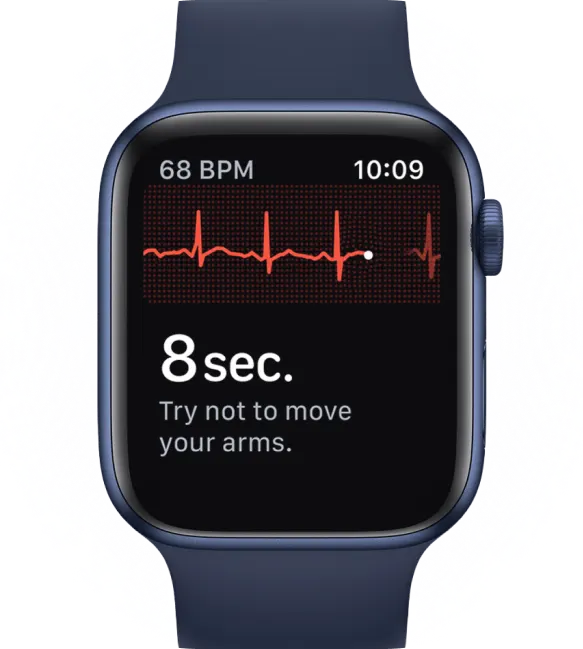
09:40Track your heart rhythm during recovery with Qaly - get expert ECG analysis and share clear updates with your doctor.



.png)
.png)