


Key Takeaways

User Profile
Hello Heart Hero. If you've ever felt your heart doing a strange tap dance after using cannabis, you're not alone, and it's completely understandable to be concerned.
The short answer to your question, "can weed give you heart palpitations?" is yes, it absolutely can. For some people, it’s a known side effect, but understanding why it happens is the first step toward feeling back in control.
Your Heart, Cannabis, and That Sudden Fluttering Feeling
It can be a genuinely scary moment when your heart suddenly feels like it’s racing, fluttering, or skipping a beat. When this happens after using cannabis, something you might turn to for relief or relaxation, your mind can quickly jump to the worst-case scenario.
We want to reassure you that this experience is more common than you might think. This guide is here to walk you through it with empathy and clear information, moving past the confusing medical jargon you find elsewhere. We get the skepticism many feel towards the traditional healthcare system and aim to provide you with knowledge that empowers you.
Why Does This Happen?
The main reason for this fluttering feeling is a compound in marijuana called THC (tetrahydrocannabinol). Think of THC as the energetic, psychoactive component of the plant.
When THC enters your system, it can temporarily stimulate your nervous system, almost like hitting a fast-forward button on your heart rate. This temporary speed-up can cause that distinct feeling of palpitations. It’s your body’s direct response to the effects of THC.
To give you a clearer picture, here's what you might be feeling.
Quick Guide to Cannabis and Heart Sensations
- Racing Heart: This feels like your heart is beating much faster than usual, like after a sprint. The primary cannabis compound involved is THC. The simple explanation is that THC can temporarily increase your heart rate, a condition known as tachycardia.
- Fluttering: This is a sensation like a butterfly or bird is trapped in your chest. The primary cannabis compound involved is THC. Irregular or rapid heartbeats can cause this light, quivering feeling.
- Skipped Beat: This feels like a brief pause followed by a stronger, more noticeable heartbeat. The primary cannabis compound involved is THC. Your heart's rhythm is momentarily disrupted, then "catches up."
- Pounding: You can feel your heartbeat very strongly in your chest, neck, or throat. The primary cannabis compound involved is THC. This is often the result of an increased heart rate and stronger contractions.
This is just a starting point, of course. Your own experience might feel a bit different, but these are the common sensations people report.
Our goal here is to help you connect the dots between cannabis use and your heart’s reaction. By the end of this article, you’ll have a much clearer picture of:
- Why your heart reacts the way it does.
- The difference in how THC and CBD affect your heart.
- How to stay safe and monitor your health.
You're taking the right step by seeking out information. Understanding your body's signals is a powerful tool, and this knowledge will help you make choices that feel right for your health and well-being.
Why Your Heart Skips A Beat: The Science Explained Simply

Let’s pull back the curtain on what’s actually happening inside your body when you feel that sudden flutter in your chest.
Picture your heart's natural pace being set by a calm, steady drummer. This drummer is part of your autonomic nervous system, the body's incredible autopilot that handles all the things you don't consciously think about, like breathing and, of course, your heartbeat.
When THC enters your system, it's like a new, hyper-caffeinated drummer suddenly grabs the sticks and cranks up the tempo. THC directly interacts with this control center, and it can sometimes flip the switch from the chill "rest and digest" mode to the high-alert "fight or flight" mode.
This is a big deal for your heart. Activating the fight or flight response, even just a little, signals your body to release adrenaline. And as you probably know, adrenaline is the body's gas pedal, getting you ready for action by making your heart beat faster and more forcefully. This abrupt increase in heart rate is often what you’re feeling as a racing sensation or palpitation.
The Two-Part Effect On Your Heart
But it doesn't stop with just a faster beat. THC can also cause your blood vessels to temporarily widen, a process called vasodilation. Think of your blood vessels as a network of garden hoses. When those hoses get wider, the water pressure inside them drops.
To make up for this drop in blood pressure and keep blood flowing properly to all your vital organs, your heart has to kick into overdrive. It starts pumping harder and faster to compensate. This one-two punch of a quicker heartbeat and a more powerful pump creates that strong, pounding sensation in your chest that can feel so alarming.
So, when you're asking, "can weed give you heart palpitations?" the answer really comes down to this dual action:
- Adrenaline Release: THC can trigger your fight or flight response, unleashing a surge of adrenaline that speeds up your heart rate.
- Increased Workload: THC widens blood vessels, forcing your heart to pump harder to maintain blood pressure, which contributes to that pounding feeling.
It’s a temporary biological response, but it’s certainly powerful enough to get your attention. This reaction is one of many potential reasons for palpitations, and you can learn more about what causes heart palpitations in our detailed guide.
Understanding this science is the first step toward feeling less anxious about the sensation. It’s not some random, mysterious event; it’s a predictable physiological reaction to a specific compound. Your body is responding exactly as it's designed to under these new conditions.
By grasping this simple cause-and-effect, you can start to better understand your body’s signals. Knowing the "why" behind the flutter puts you back in the driver's seat, allowing you to assess your experience from a place of knowledge instead of fear.
THC Vs. CBD: A Tale Of Two Cannabis Compounds
When you ask, "can weed give you heart palpitations?" it’s crucial to know that not all parts of the cannabis plant are created equal. Think of the cannabis plant as a team with two very different star players: THC and CBD. How they play together is the key to understanding why one product might make your heart race while another feels completely calm.
THC (Tetrahydrocannabinol) is the energetic, psychoactive compound. It’s responsible for the "high" from marijuana and, as we’ve seen, is the main culprit behind that sudden spike in heart rate. It’s the player that gets the crowd hyped, stimulating your nervous system and telling your heart to beat faster.
In contrast, CBD (Cannabidiol) is its calmer, non-psychoactive counterpart. It doesn't get you high and is usually associated with feelings of relaxation and ease. Think of CBD as the team's cool-headed strategist, working to bring things back into balance.
The Balancing Act Inside Your Body
The real magic happens when you look at the ratio of THC to CBD in any given product. A high-THC, low-CBD strain is like having only the energetic player on the field, it can easily lead to a racing heart and feelings of anxiety for some people.
However, when CBD is present in higher amounts, it often acts as a buffer. Some research even suggests CBD might help counteract some of THC’s more intense side effects. It can potentially temper the anxiety and heart rate jump that high doses of THC can trigger.
This explains why two different cannabis products can have wildly different effects on your heart rhythm. One might be almost pure THC and send your heart into overdrive. Another with a balanced THC-to-CBD ratio, or one that's CBD-dominant, may not cause any noticeable palpitations at all. To learn more about how these compounds work, you can explore the distinct effects of CBD vs THC.
The key takeaway is this: The specific blend of compounds in your cannabis matters immensely. It’s not just about "weed" as a single thing, but about the unique chemical profile of the product you are using.
This knowledge is empowering. By paying close attention to the THC and CBD content on labels, you can start to predict how your body might react and choose products that are less likely to trigger that unwanted fluttering in your chest.
Are You At Higher Risk? Personal Factors To Consider
When you ask, "can weed give you heart palpitations?", the answer isn't a simple yes or no. Your body has its own unique story, and how it reacts to cannabis is a mix of several personal factors. Getting to know your own risk profile is a great first step toward making choices that feel right and safe for you.
Think of it like this: your body is a complex system, and introducing cannabis is like adding a new, potent ingredient to a recipe. How that ingredient behaves depends on everything else that’s already in the mix.


Your Personal Health Blueprint
Certain parts of your health history can make you more sensitive to the cardiovascular effects of THC. Being aware of these can help you better understand your body’s signals.
Key factors to keep in mind:
- Pre-existing Heart Conditions: If you have a diagnosed heart condition, like coronary artery disease or you've had a heart attack, your heart is already operating under a different set of rules. The effects of THC can add extra stress to the system.
- History of Arrhythmias: A personal or family history of irregular heart rhythms, such as atrial fibrillation (AFib), might mean you're more prone to palpitations in general.
- Anxiety Disorders: If you live with anxiety or are prone to panic attacks, the physical sensation of a racing heart from THC can sometimes trigger a psychological response. This can create a feedback loop where anxiety and palpitations feed off each other.
How You Use Cannabis Matters
Beyond your health history, the way you consume cannabis plays a huge role in how your heart responds. The method, dose, and frequency are all important pieces of the puzzle.
For example, smoking or vaping delivers THC to your bloodstream almost instantly. This rapid onset can feel like a jolt to your system, causing a sudden spike in heart rate. On the other hand, edibles release THC much more slowly as they're digested, which usually leads to a more gradual, less jarring effect on your heart.
It's also really important to think about potential interactions. Combining cannabis with other substances like alcohol, caffeine, or certain prescription medications can create unpredictable effects. Medications that affect your heart, like those for blood pressure or even some thyroid medications, can have their effects altered. You can learn more about how specific medications can interact with your heart in our guide on heart palpitations and Levothyroxine. Always be mindful of what else you’re putting into your body.
When A Harmless Flutter Becomes A Serious Warning
It's probably the most important question on your mind: how can you tell if that flutter in your chest is just a temporary side effect or something more serious? Knowing the difference is absolutely key for your safety and peace of mind.
For most people, palpitations that only pop up while you’re feeling the effects of cannabis, and aren't accompanied by other symptoms, are usually just a temporary reaction to THC. This is the most common scenario.
However, your body has some very clear ways of signaling when it needs help. Think of these as red flags you should never, ever ignore.
Recognizing The Red Flags
If your heart palpitations show up alongside any of the following symptoms, it's time to get medical attention right away:
- Chest pain or tightness that feels like a squeezing or heavy pressure.
- Shortness of breath or finding it hard to catch your breath.
- Dizziness or lightheadedness, especially that feeling like you might pass out.
- Fainting or losing consciousness, even if it's just for a moment.
These symptoms could point to an underlying problem that needs to be checked out immediately. For a deeper dive, you might find our guide on when to see a doctor for heart palpitations helpful. Being informed helps you act quickly when it matters most.
The main takeaway here is that your unique health history plays a huge role in how your body might react.
What To Do In That Moment
If you do experience any of those red flag symptoms, try to stay calm. Sit down, take some deep breaths, and call for help.
When you're talking to paramedics or doctors, being completely honest about your cannabis use is vital. They're not there to judge you; they need the full picture to give you the right care. Your honesty is a powerful tool that helps them protect your health.
How To Monitor Your Heart With Technology
Feeling that flutter in your chest is unsettling, and the uncertainty of not knowing what it means can be frustrating. It's easy to feel powerless in those moments. But modern technology puts incredibly powerful tools right on your wrist, helping you move from a place of uncertainty to one of empowerment.
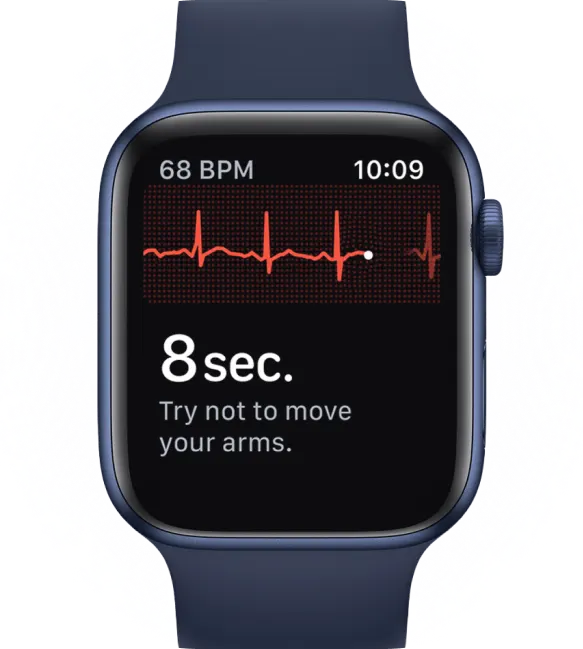
Today’s smartwatches, like an Apple Watch or Fitbit, have become much more than simple step counters. Many now include the ability to capture an ECG (electrocardiogram), which is basically a snapshot of your heart's electrical activity. This is a game-changer. It means the next time you feel a palpitation, you can record exactly what’s happening in that very moment.
Turning Data Into Understanding
But what good is raw data? Without interpretation, an ECG is just a bunch of squiggly lines. This is where a service like Qaly becomes a reassuring and invaluable partner in your health journey. It’s built for people who want clear, fast answers without the long wait for a specialist appointment.
Instead of guessing what your watch's ECG is showing, you can send it directly to certified cardiac technicians through the Qaly app, 24/7. You get a human-reviewed analysis back in minutes.
This process transforms confusing data into a clear, understandable report. It can identify specific types of arrhythmias like PVCs, SVT, or even atrial fibrillation, finally giving a name to the sensation you’re feeling.
This immediate feedback is incredibly powerful. It allows you to track trends over time, helping you connect the dots between your habits (like cannabis use) and how your heart responds. Seeing this information laid out clearly can also bring immense peace of mind. Other wearables can add to this picture, too; for example, learning more about the capabilities of WHOOP for heart monitoring can offer different but complementary insights.
Having Better Conversations With Your Doctor
When you're armed with this kind of information, your conversations with healthcare providers change completely. You're no longer just saying, "I sometimes feel a flutter." Instead, you can walk into an appointment with a folder of documented ECGs.
You can show your doctor precisely what happened, when it happened, and the initial analysis. This data-backed approach leads to far more meaningful discussions and helps your doctor make better-informed decisions about your care.
Beyond just tracking symptoms, these technologies offer a window into your overall cardiovascular health. For instance, understanding and applying strategies to improve Heart Rate Variability (HRV) gives you a deeper look into how well your autonomic nervous system is regulating your heart. Using technology this way puts you firmly in the driver's seat of your own heart health journey.
Your Questions About Cannabis and Heart Palpitations Answered
We've covered a lot of ground, and it's totally normal to still have a few questions buzzing around. This last section is all about giving you clear, straightforward answers to the most common things people ask about cannabis and that fluttering in their chest.
Can CBD-Only Products Cause Heart Palpitations?
Generally, no. Pure CBD isn't known for causing a racing heart or palpitations. In fact, some evidence suggests it might even have a calming effect, helping to counteract the anxiety and heart rate spikes that THC can sometimes trigger.
The big "but" here is purity. You have to be sure your product is actually free of THC. Even tiny, trace amounts in a product labeled "CBD-only" can be enough to affect sensitive individuals. Always, always look for third-party lab results to see the real THC content before you use anything.
If I Stop Using Weed, Will The Palpitations Go Away?
For many people, yes. If the palpitations are a direct side effect of THC, they'll likely fade away once you stop using it. We see this play out in medical case studies all the time, where arrhythmia episodes completely resolve after someone quits cannabis.
However, if your palpitations stick around long after you've stopped, it's really important to talk to a doctor. This could be a sign that cannabis was simply unmasking an underlying heart condition that was already there.
How Can I Talk to My Doctor About This Without Being Judged?
This is such a valid concern, and you're definitely not alone in feeling this way. The best way to handle it is to be direct and frame the whole conversation around your health and nothing else.
You could try saying something like, “I’ve been feeling some heart palpitations, and I've noticed they sometimes happen after I use cannabis. I want to be honest about my lifestyle so you can give me the best medical advice.”
Remember, a good doctor needs the full picture to keep you safe, especially when it comes to potential drug interactions. Their primary goal isn't to judge your choices, it's to take care of you.

When you feel that flutter and need answers fast, Qaly is here for you. Instantly send your smartwatch ECG to our certified experts, 24/7, and get a clear, human-reviewed analysis in minutes.



.png)
.png)