


Key Takeaways

User Profile
Hello Heart Hero.
If you’ve ever been caught off guard by a sudden flutter, a racing pulse, or a strange pounding in your chest, you know how unsettling it can be. When these sensations happen during perimenopause, it's easy to feel worried and confused, especially when you feel your concerns are being brushed off as "just anxiety."
Let's be clear: heart palpitations in perimenopause are common and are often a direct result of your shifting hormones. What you're feeling is real, and this guide is here to give you the clarity and confidence you need. You're not alone in this, and there are ways to feel more in control.
Your Guide to a Calmer Heart

It’s completely understandable to feel anxious when your own heart feels unpredictable. You're not alone in this experience, not by a long shot.
In fact, studies show that a significant number of women report these exact heart sensations. It's not just a vague feeling; it's a physiological response to the hormonal rollercoaster your body is navigating.
Understanding the Experience
Feeling dismissed when you voice your concerns can leave you feeling isolated. I understand how frustrating that can be, especially when you're just looking for answers. Our goal here is to arm you with solid, reassuring information so you can understand the powerful link between your hormones and your heart's rhythm.
In this guide, we’ll help you understand:
- Why these heart flutters are so common during this specific stage of life.
- How to tell the difference between a harmless hormonal palpitation and a symptom that needs a doctor's attention.
- Practical, empowering steps you can take to monitor your body and manage your symptoms effectively.
The connection between hormones and heart rhythm is powerful. Recognizing that these palpitations are often a normal, albeit alarming, part of the perimenopausal transition is the first step toward feeling less fear and more in control.
What to Expect in This Guide
We'll walk you through the science in a straightforward way, skipping the dense medical jargon to focus on what really matters to you. We’ll cover everything from the "why" behind the flutters to the "how" of tracking them with devices you might already have.
Most importantly, we'll share practical strategies you can start using today to bring a sense of calm and control back into your life. You deserve to feel safe in your own body, and we're here to help you get there. Let's dive in.
Why Perimenopause Can Cause Heart Flutters
Feeling a sudden racing heart or a strange flutter in your chest can be really unsettling. If this is happening to you, it's completely natural to feel worried, especially when you can't pinpoint an obvious cause. But I want to reassure you that these sensations, known as heart palpitations in perimenopause, are often a normal physical response as your body adjusts to a new hormonal reality.
Think of your heart's electrical system as a perfectly timed orchestra. It has its own natural rhythm that keeps every beat in sync. During perimenopause, however, the main conductor of this orchestra, your hormones, starts to go off-script.
The Hormonal Rollercoaster and Your Heart
The key hormone we need to talk about is estrogen. As your estrogen levels fluctuate and ultimately decline, it can have a direct effect on your heart. Estrogen offers a protective benefit to your cardiovascular system, and when those levels dip, your heart can become more "excitable" or sensitive to triggers.
This hormonal shift also messes with your autonomic nervous system (ANS). The ANS is like the automatic, behind-the-scenes manager for your body, controlling things you don't think about, like breathing, digestion, and you guessed it, your heart rate. When your hormones are all over the place, the ANS can get mixed signals. This confusion can cause your heart to suddenly speed up, skip a beat, or pound forcefully, even when you're just sitting still.
This hormonal disruption can make you feel like you've just run a sprint, even when you're resting. It’s a physical manifestation of the internal changes your body is navigating, not just a feeling of anxiety.
Just understanding this connection is the first huge step in taking the fear out of these strange sensations. The palpitations you feel are often a direct message from your body telling you it’s adapting. Many women go through this, and learning about other common signs can bring even more clarity. You can find out more in our detailed guide on the symptoms of low estrogen.
Hot Flashes The Adrenaline Connection
Have you ever noticed your heart starting to pound right as a hot flash kicks in? That’s no coincidence. A hot flash isn't just a simple wave of heat; it's a complex event in your blood vessels that can directly trigger heart palpitations.
When a hot flash hits, your brain sends out an alarm that makes your blood vessels widen very quickly. This process unleashes a surge of adrenaline, the "fight or flight" hormone. Adrenaline’s job is to prep your body for action, and one of its primary effects is to dramatically increase your heart rate.
Here’s a quick look at that chain reaction:
First, a hormonal fluctuation messes with your body's internal thermostat.
Then, a hot flash is triggered as your brain mistakenly thinks you're overheating and sounds the alarm.
Next, in response, your body floods your system with adrenaline.
Finally, your heart races because the adrenaline tells it to beat faster and harder, which you feel as a palpitation.
This really shows how interconnected perimenopause symptoms can be. In fact, research reveals that heart palpitations affect a large number of women during this transition, making it one of the most common and unsettling experiences. A systematic review on perimenopause symptoms confirmed this hormonal disruption is a key driver behind that racing, pounding, or fluttering feeling. Knowing that a hot flash can set off this cardiac response helps you move from a place of fear to one of informed awareness.
Differentiating Benign Flutters from Red Flags
That sudden flutter or pound in your chest can be terrifying. It sends a jolt of panic through your body and makes you ask: Is this normal? Is something seriously wrong? It's a question countless women in perimenopause ask themselves, often in silence, worried they'll be dismissed if they speak up.
Let's clear the air and sort through the confusion. Understanding what your body is telling you is the first step toward feeling in control.
The good news is that most heart palpitations in perimenopause are benign. This simply means they’re harmless and not a sign of a dangerous heart condition. While they feel unsettling, they are usually a direct, temporary side effect of your hormones going haywire and throwing your heart’s natural rhythm off-kilter.
What Benign Palpitations Often Feel Like
So, what does a "normal" perimenopausal palpitation feel like? Think of them as brief, unscheduled interruptions to your day, not a total system meltdown. They tend to have a few things in common.
A typical benign palpation often feels like:
- A brief flutter or flip-flop: It’s a common description, like a fish flopping or a bird beating its wings inside your chest for just a moment.
- A skipped beat: You might feel a distinct pause, which is then followed by a noticeably harder, more forceful beat as your heart gets back on track.
- A sudden, short-lived racing: Your heart might suddenly speed up for a few seconds, often timed with a hot flash or a wave of anxiety, before settling back down just as quickly.
These sensations are usually very brief, lasting only a few seconds to maybe a couple of minutes. You might also start to notice they’re connected to specific triggers, like your morning coffee, a stressful moment, or waking up in the middle of a drenching night sweat. The feelings are incredibly real and can be scary, but they're often just your heart's reaction to the hormonal chaos.
The overwhelming majority of palpitations experienced during perimenopause are not dangerous. They are a physiological response to hormonal fluctuations, much like hot flashes or mood swings. Recognizing this pattern is key to reducing anxiety.
Knowing When to Seek Medical Attention
While most of these flutters are harmless, it's absolutely crucial to know which symptoms are not normal and warrant a call to your doctor. Always trust your gut. You know your body better than anyone, and if a palpitation feels different, more intense, or comes with other symptoms, it's time to get it checked out.
Here are the specific red flag symptoms to watch for. If you experience palpitations along with any of the following, you should seek medical advice right away:
- Chest pain or discomfort: This isn't just sharp pain. It can be a feeling of pressure, tightness, squeezing, or aching in your chest.
- Severe shortness of breath: Feeling like you just can't get enough air, especially when you haven't been exerting yourself.
- Dizziness or lightheadedness: A sensation that you might faint or lose your balance during an episode.
- Fainting: Actually losing consciousness is always a reason to see a doctor immediately.
- A chaotic, fast, and sustained rhythm: If your heart feels like it's continuously racing or beating erratically for more than a few minutes without stopping.
These symptoms could be a sign that something more than just hormones is going on. It’s always, always better to be safe and get a professional opinion. For a more detailed breakdown, you can learn more about when to see a doctor for heart palpitations.
Being prepared for that doctor's visit is your superpower, especially if you’ve felt dismissed before. When you show up with documented symptoms and data, a vague complaint becomes a concrete medical issue they have to address. We'll cover exactly how to do that in the next sections. Your feelings are valid, and your health is the top priority.
How to Monitor Your Heart at Home for Peace of Mind
There's nothing more frustrating than trying to explain a heart flutter to your doctor, only to feel dismissed. You know what you felt, but because the sensation is gone by the time you're in the office, your concerns can get downplayed. This is where a little bit of technology in your daily life can become your most powerful advocate.
When you can capture what’s happening in the exact moment it's happening, you take back control. You're no longer just trying to describe a fleeting memory from hours or days ago.
Capturing Proof with At-Home ECGs
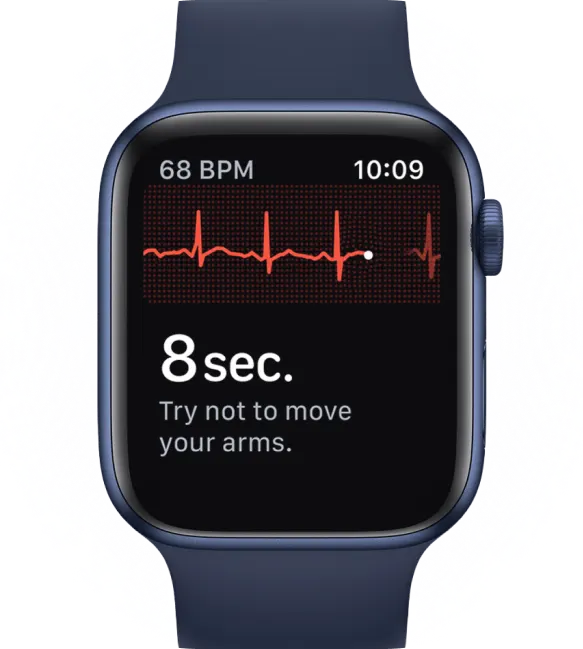
Many of us already have a surprisingly powerful medical device on our wrists. Wearables like the Apple Watch, Samsung Galaxy Watch, and Fitbit, along with dedicated personal ECGs like KardiaMobile, have built-in electrocardiogram (ECG or EKG) capabilities.
Think of an ECG as an electrical snapshot of your heart. The next time you feel that flutter, racing pulse, or skipped beat, you can take a recording right on the spot. Suddenly, that subjective, hard-to-describe feeling becomes objective, concrete data. Instead of just telling your doctor you had a palpitation, you can now show them precisely what your heart was doing.
This simple act does more than just collect data. It can bring a huge sense of relief. Being able to record and document these episodes validates your experience. It's proof that what you’re feeling is real and measurable, which is a massive step in dialing down the anxiety that so often comes with perimenopausal heart palpitations. For more tips, you can also check out our guide on how to check heart health at home.
Turning Data into Clear Answers
Okay, so you've captured an ECG. Now what? Staring at a bunch of squiggly lines can feel just as confusing as the palpitation itself. This is where you can connect the dots between the data you've gathered and what it actually means, often without waiting weeks for a specialist appointment.
Services exist that are built to interpret these very recordings, quickly and with human expertise. For those using an Apple Watch, Fitbit, or Kardia, capturing these moments can be the first step toward clarity. For instance, Qaly provides 24/7 human-reviewed ECG analysis, identifying arrhythmias like PVCs or SVT in minutes. You get PR, QRS, and QTc readings, which help you and your doctor track trends over time. With over 500,000 ECGs analyzed, we’ve seen firsthand how having this data empowers women to reduce anxiety and bridge the gap between their wearable tech and clinical care.
This completely changes the game for at-home monitoring. It’s no longer just about tracking your steps; it’s about creating a clear, understandable record of your heart health that you can use to advocate for yourself.
Becoming an Empowered Partner in Your Care
When you start using these tools, the entire dynamic of your doctor's appointments can shift. You're no longer walking in with just a story; you're walking in with evidence.
When you can present your doctor with a clear, human-analyzed report of your ECG, the conversation changes. It becomes a collaborative review of data, not a debate over the validity of your feelings.
This data-driven approach allows you and your doctor to work together to:
- Identify patterns: Are your palpitations linked to a specific time of day, certain activities, or other perimenopause symptoms like hot flashes? Now you can see it.
- Document frequency: A log of recorded episodes gives a much clearer picture of how often they're happening than relying on memory alone.
- Make informed decisions: With objective information in hand, your doctor can confidently decide if more tests are needed or reassure you that what you're feeling is a benign side effect of your hormonal shifts.
Ultimately, monitoring your heart at home is about getting back a sense of control. It’s about swapping fear for facts and turning anxiety into clear, confident action.
Lifestyle Strategies to Calm Your Heart

When your heart suddenly starts to flutter or race, it’s natural to feel like you’ve lost control. But what if you could gently guide it back to a calmer rhythm? While you can't halt hormonal shifts, you can absolutely influence how your body responds to them with a few consistent lifestyle choices.
These strategies aren’t about adding more strict rules to an already busy life. Think of them as small, empowering actions you can take to soothe your nervous system and dial down the frequency and intensity of heart palpitations in perimenopause.
Find Your Personal Triggers
Believe it or not, your palpitations probably aren’t completely random. They often have specific triggers, and becoming a detective for your own body is one of the most powerful steps you can take.
A simple symptom diary is a great way to start. When a palpitation hits, just jot down a few notes about what was going on right before it happened.
- What did you just eat or drink? (A second coffee, a sugary snack, a heavy meal?)
- How were you feeling emotionally? (Stressed from a work meeting, anxious, or even just excited?)
- What were you doing physically? (Sitting still, just finished a workout, or stood up too quickly?)
- How well did you sleep the night before?
Over time, you might start to see a clear pattern emerge. Maybe your heart acts up after that afternoon espresso or during a stressful conversation. Once you know your triggers, you have the power to avoid them and feel more in control.
Calm Your Nervous System with Mindful Breathing
When your heart starts racing, your breathing usually speeds up and becomes shallow, which only ramps up the anxiety. By taking conscious control of your breath, you can send a powerful signal to your brain and body that you're safe, which helps to deactivate that overactive fight-or-flight response.
One of the most effective and simple techniques is box breathing.
- Inhale slowly for a count of four.
- Hold your breath for a count of four.
- Exhale slowly through your mouth for a count of four.
- Hold your breath again for a count of four.
Just repeat this cycle for a few minutes. The steady, rhythmic pattern helps regulate your heart rate and can bring an almost immediate sense of calm. The best part? You can do it anywhere, at your desk, in your car, or in the middle of the night.
Nourish Your Body for a Stable Heartbeat
What you eat and drink has a direct line to your heart's rhythm. Some things are known stimulants that can easily provoke palpitations, while others help your body maintain a steady, stable balance.
Key Dietary Tweaks:
- Reduce Caffeine and Alcohol: Both are well-known culprits that can make an already sensitive heart more excitable. Try swapping that second cup of coffee for an herbal tea or opting for sparkling water instead of another glass of wine.
- Stay Hydrated: When you're dehydrated, your blood volume can decrease, forcing your heart to work harder and pump faster, which can trigger palpitations. Make a habit of sipping water throughout the day.
- Balance Your Blood Sugar: Big spikes and subsequent crashes in blood sugar can trigger the release of stress hormones like adrenaline, which can certainly affect your heart. Focus on meals that combine protein, healthy fats, and fiber to keep your energy and blood sugar stable.
Beyond just managing heart flutters, a well-rounded approach to wellness can ease other perimenopause symptoms, too. You can explore some effective natural remedies for perimenopause symptoms that support your body through this transition.


Address the Hot Flash and Palpitation Link
The connection between hot flashes and heart palpitations is incredibly strong. For many women, perimenopausal heart palpitations go hand-in-hand with hot flashes, turning a simple wave of heat into a chest-pounding event. Research shows that a large percentage of perimenopausal women experience these irregular heartbeats, often triggered by night sweats and shifts in blood pressure.
Since hot flashes are a major trigger, managing them can also calm your heart. Simple things like dressing in layers, avoiding spicy foods, and practicing stress-reduction techniques can make a world of difference.
Getting better sleep is also a game-changer. Poor sleep jacks up stress hormones that can trigger both hot flashes and palpitations. A great first step is creating a cool, dark, and quiet sleep sanctuary. If you're looking for more ways to support a steady heart rhythm, check out our guide on how to lower your resting heart rate. By making these small adjustments, you're not just managing palpitations, you're taking back control of your overall perimenopause experience.
Preparing for a Productive Doctor's Visit
Walking into a doctor's office to discuss heart palpitations can be nerve-wracking. It’s even more frustrating when you feel like your concerns are being dismissed, especially when you know something just isn't right with your body.
This is why preparing for your appointment is so important. When you come organized and armed with data, you shift the entire conversation. You're no longer just describing a strange feeling and hoping to be believed; you're presenting clear, objective evidence that needs to be addressed. You become the expert on your own body.
Your Action Plan for an Effective Appointment
To make your visit as productive as possible, it helps to gather a few key things beforehand. Think of it as creating a simple, clear file on your health. This shows your doctor you're taking your symptoms seriously and helps them see the full picture much more efficiently.
Here’s a simple checklist of what to bring:
- A Detailed Symptom Diary: For at least a week or two before your visit, log every time you feel a palpitation. Note the time of day, what you were doing (resting, exercising), what you'd recently eaten or drunk, and your emotional state (stressed, anxious, calm). This helps uncover potential triggers.
- Your Complete Medication and Supplement List: Write down everything you take, including dosages. This means prescriptions, over-the-counter meds, vitamins, and any herbal supplements, as some can contribute to palpitations.
- Your ECG Recordings: This is your most powerful tool. Bring any ECGs you've captured with your wearable device. Showing your doctor an actual ECG strip from an episode is infinitely more useful than trying to describe the sensation.
When you show up with a human-reviewed report from a service like Qaly, the dynamic changes instantly. It’s no longer just your word against their assessment; it’s a conversation based on clinical data.
Questions to Empower Your Conversation
Having a few specific questions ready helps you stay on track and ensures you don't leave the office feeling like you forgot to ask something crucial. This is also how you can guide the conversation toward the topics that matter most to you, like the connection between your symptoms and heart palpitations in perimenopause.
Walking in with clear questions and your own data empowers you to advocate for yourself. It keeps the focus on finding answers, not on questioning whether your experience is real.
Consider asking direct questions like these:
- "I've been tracking my heart palpitations, and they seem to align with my perimenopause symptoms. Could my hormones be the main driver here?"
- "Here are some ECGs I recorded during my recent episodes. Based on this data, what are your initial thoughts?"
- "What specific tests do you recommend we do to rule out any underlying cardiac issues, just to be safe?"
- "Are there any lifestyle changes or other strategies you'd suggest for managing palpitations that might be hormonally driven?"
The goal here is to work with your doctor. By arriving prepared, you show you're an engaged patient, making it easier for them to give you the thorough care you deserve.
Frequently Asked Questions About Perimenopause and Heart Palpitations
We’ve covered a lot of ground, but you might still have some specific questions weighing on your mind. It’s completely normal to want more clarity when it comes to your heart. Here are some straightforward answers to the questions we hear most often about perimenopause and heart palpitations.
Can Stress Alone Cause These Palpitations?
The short answer is a resounding yes. Think of your body during perimenopause as being on high alert due to all the hormonal fluctuations. When you add stress to that equation, it's like turning up the volume on an already sensitive system.
When you're stressed, your body goes into "fight or flight" mode, releasing hormones like adrenaline and cortisol. These directly signal your heart to beat faster and more forcefully. This is why learning to actively manage stress through things like deep breathing or mindfulness can have such a direct and calming effect on your heart rhythm.
Will These Palpitations Ever Go Away?
This is a big one, and it's something almost everyone worries about. For the vast majority of women, these palpitations are a temporary part of the perimenopausal transition. They tend to ease up significantly or disappear altogether once your hormones find their new balance in postmenopause.
It can feel relentless while you're in the thick of it, but it's crucial to remember that this is a phase. As your body adjusts, the palpitations usually settle down. The lifestyle strategies we've talked about are your best tools for navigating this period more comfortably.
Think of it like this: your body is navigating a temporary storm. By supporting it with calming practices and self-awareness, you're helping it find its way back to calmer waters. These sensations are usually not a lifelong sentence.
Is Hormone Replacement Therapy a Good Option?
Hormone Replacement Therapy (HRT) can be a game-changer for many perimenopausal symptoms, especially hot flashes, which are a known trigger for palpitations. By helping to stabilize your estrogen levels, HRT can, for some women, reduce the frequency of those heart flutters.
However, HRT isn't a one-size-fits-all fix, and it's generally not prescribed just for palpitations. It's a complex decision that requires a thorough discussion with your doctor, who can weigh your personal health history against the specific risks and benefits for you.

Wondering if it’s a palpitation? On the Qaly app, human experts will interpret your ECGs for PACs, PVCs, and PJCs within minutes. Get started today.



.png)
.png)