




Key Takeaways

User Profile
Hello Heart Hero. If you're reading this, you probably feel like your body is sending you confusing signals, and you're just trying to find clear, trustworthy answers. It's a journey many of us are on, especially when the healthcare system can feel like a maze. The common symptoms of low estrogen can be a mixed bag, everything from hot flashes and mood swings to heart palpitations and brain fog. Figuring out the signs is the very first step toward feeling like yourself again, and we're here to walk that path with you.
Why Understanding Low Estrogen Matters
Feeling "off" without a clear reason is incredibly frustrating, especially when you feel like your concerns aren't being fully heard. Let's be clear: it's not just in your head.
Estrogen is a powerhouse hormone that has a hand in just about everything, from your body temperature and mood to your heart health and even how sharp you feel. When its levels start to drop, the effects can ripple through your entire system.
Think of this guide as your trusted resource, built to give you the clarity and empathy you deserve. We'll walk through the common symptoms of low estrogen, helping you connect the dots between what you're feeling and the hormonal shifts happening inside your body. Recognizing these signs is the first move toward taking back control.
What You Will Discover
Our goal here is to arm you with the knowledge to advocate for your health with confidence. Here’s what we’ll explore together:
- Physical Changes: We'll look at everything from the well-known hot flashes and sleep disruptions to less-discussed signs like heart palpitations.
- Emotional and Mental Shifts: We’ll dig into why things like brain fog, anxiety, and sudden mood swings are such common symptoms of low estrogen.
- Actionable Next Steps: You'll learn how to track your symptoms and have a productive, informed conversation with your doctor.
Navigating hormonal changes can feel isolating, but you are not alone. For a deeper look into how hormones impact overall wellness, a great starting point is learning about strategies for maintaining hormone balance in women.
And since estrogen also plays a role in cardiovascular health, you may also want to explore the common signs of heart problems in women to be fully informed. Let’s begin this journey toward understanding your body better.
The Most Common Physical Symptoms of Low Estrogen
When your body starts sending confusing signals, it can feel isolating and deeply frustrating, especially when you feel like your concerns aren't being fully heard. Let’s be clear: what you're experiencing is real. Estrogen is a powerhouse hormone, influencing everything from your body temperature and skin health to how your heart beats. When its levels drop, the physical symptoms can ripple through your entire system, leaving you feeling unlike yourself.
Recognizing these physical cues is the first step toward connecting the dots and understanding what your body is trying to tell you. These changes aren't just minor inconveniences; they can significantly impact your daily life and well-being.
Hot Flashes and Night Sweats
Perhaps the most notorious signs of low estrogen are hot flashes and night sweats. These are sudden, intense waves of heat that can wash over your face, neck, and chest, often leaving you flushed and sweating. They can strike without warning during the day, disrupting a meeting or a conversation, and just as easily wake you from a deep sleep, drenched and uncomfortable.
These episodes aren't just about feeling warm; they’re a sign your body's internal thermostat is going haywire due to hormonal shifts. Up to 75% of women experience them, and for many, they are far more than a nuisance. They can profoundly disrupt sleep, which in turn messes with your energy, mood, and overall health.
Hot flashes are among the most frequent and troubling symptoms of low estrogen. Women experiencing severe symptoms are 15.6 times more likely to encounter work-related difficulties.
Changes in Your Skin, Hair, and Body
Low estrogen can also change your physical appearance in ways that feel discouraging. Estrogen is crucial for maintaining skin elasticity and moisture, so when it declines, you might notice your skin becoming drier, thinner, and more delicate. At the same time, your hair may start to thin, and your nails could become more brittle.
Another common frustration is that stubborn weight gain, particularly around your middle. Estrogen plays a key role in regulating fat distribution and metabolism. As levels drop, your body may start storing fat differently, leading to changes in your shape even if your diet and exercise habits haven't changed at all.
Unexpected Heart Sensations
A particularly unsettling physical symptom can be heart palpitations. You might suddenly feel your heart racing, pounding, or skipping beats, which is understandably alarming. While it's always important to take heart symptoms seriously, these sensations are often directly linked to hormonal fluctuations affecting your nervous system.
If you’re experiencing a pounding heart, it’s important to understand the connection between these feelings and hormonal changes. For more detail on this, you can explore our guide on menopause and a pounding heart.
This link between hormones and heart rhythm is why many women become more aware of their heart's behavior during this stage of life. Globally, hot flashes affect a huge number of women, with prevalence rates varying based on economic factors; they are seen in 49.72% of women in high-income countries compared to 65.93% in low-income countries. You can discover more insights about the global impact of these symptoms. These physical shifts are powerful signals from your body, and paying attention to them is the first step toward finding relief.
How Low Estrogen Affects Your Mood and Mind
If you're dealing with low estrogen, you know it’s not just about the physical symptoms that can throw your day off track. It can also mess with your emotions and how sharp you feel, leaving you wondering why you suddenly feel so… different. It's a frustrating place to be, and it’s critical to know these changes are very real and rooted in your body's chemistry.
You’re not just being "emotional" or "forgetful." Your hormones are powerful conductors of your mental and emotional orchestra, and when they shift, the effects can be deeply unsettling.
The Emotional Rollercoaster of Hormonal Shifts
Estrogen has a big job when it comes to regulating brain chemicals like serotonin and doping. These are the ones responsible for keeping your mood stable. Think of estrogen as a key that helps these "feel-good" chemicals do their job, keeping your emotions on a relatively even keel.
When estrogen levels drop, it's like that key suddenly goes missing. The delicate chemical balance in your brain gets disrupted, and the result can feel chaotic and overwhelming. It’s no surprise that so many women report emotional symptoms that seem to come out of nowhere.
These emotional shifts are some of the most common symptoms of low estrogen. You might experience:
- Sudden Mood Swings: Finding yourself happy one minute and on the verge of tears the next, for no apparent reason.
- Increased Irritability: Small things that used to roll off your back now feel intensely infuriating. It’s like your fuse is suddenly much shorter.
- Feelings of Anxiety: A persistent hum of worry or unease can start to follow you around, even if you've never been an anxious person.
- Depressive Feelings: A lingering sadness or just not caring about the things you used to love can take hold, making it hard to feel like yourself.
It's vital to recognize that these feelings aren't a personal failing; they are a direct physiological response to hormonal changes. In fact, studies show that around 40% of women struggle with mood changes during this transition. You are far from alone in this.
You deserve to feel emotionally balanced and in control. Acknowledging that these moods are a direct symptom of low estrogen is the first step toward finding solutions that honor what your body is going through.
Navigating the Frustration of Brain Fog
Beyond your emotions, low estrogen can also cloud your thinking. We often call it "brain fog," and it’s so much more than simple forgetfulness. It’s a frustrating cognitive slowdown that can make you feel like you're losing your mental edge.
Estrogen actually helps support cognitive functions like memory, focus, and finding the right words. When it dips, these mental processes can become sluggish. It can feel like your brain is wading through molasses.
Common signs of hormone-related brain fog include:
- Memory Lapses: Constantly struggling to recall names, dates, or even just why you walked into a room.
- Difficulty Concentrating: Finding it hard to stay focused on a task, a book, or even a simple conversation.
- Word-Finding Trouble: You know exactly what you want to say, but the word is stuck on the tip of your tongue.
These cognitive symptoms of low estrogen can be especially unnerving, affecting your confidence at work and in your personal life. The most important thing is to give yourself some grace. This is a temporary state caused by shifting hormones, not a permanent decline in your abilities.
Understanding Why Your Estrogen Levels Are Low
Figuring out the "why" behind your symptoms can be incredibly empowering. It helps you move from feeling confused and frustrated to understanding the real, biological reasons for what you're going through. When it feels like you're not getting clear answers, this knowledge is your best tool for advocating for yourself.
The most common reason for a drop in estrogen is the natural, inevitable transition of perimenopause and menopause. You can think of your ovaries as having a set number of eggs. As you get older and this supply starts to run low, your ovaries gradually produce less and less estrogen, which triggers the many symptoms we’ve talked about. This process is a completely normal part of life, but the way it feels can be anything but.
This slow decline is the path most people know, but it’s not the only one. Sometimes, the drop in estrogen is sudden and immediate, which can make the symptoms feel even more intense.
When Estrogen Loss Is Sudden
An abrupt drop in estrogen is often the result of a medical procedure or treatment. For instance, the surgical removal of the ovaries (oophorectomy) causes an immediate and significant plunge in estrogen levels. This is often called "surgical menopause," and it can trigger severe symptoms very quickly simply because the body has no time to adjust.
Similarly, certain medical treatments can hit the pause button on ovarian function and, by extension, estrogen production.
- Chemotherapy and Radiation: These powerful cancer treatments can damage the ovaries. Depending on the dose and your age when you receive them, this can cause a temporary or even permanent drop in estrogen.
- Primary Ovarian Insufficiency (POI): This is a condition where the ovaries stop working as they should before the age of 40. Unlike menopause, which is an expected decline, POI is an unexpected loss of ovarian function that brings on low estrogen much earlier in life.
These medical causes really highlight why it's so critical to share your full health history when you're talking about symptoms with your doctor.
Identifying the potential cause of your low estrogen is a critical first step. It’s not just about putting a label on the problem; it’s about finding the right path forward that addresses your specific situation and brings you relief.
Lifestyle and Other Health Factors
While menopause and medical interventions are the heavy hitters, other factors can also contribute to lower estrogen levels. Your body is a deeply interconnected system, and a disruption in one area can easily throw your hormones off balance.
For example, the pituitary gland in your brain is like the master conductor of your endocrine system. It's what tells your ovaries how much estrogen to make. If this gland isn’t working correctly, it can disrupt the entire hormonal symphony, leading to low estrogen.
On top of that, certain lifestyle factors can play a big role. These usually involve putting significant physical stress on the body, which can signal the reproductive system to slow down as a protective measure.
Factors that can contribute to low estrogen include:
- Excessive Exercise: While regular exercise is fantastic for your health, pushing into extreme or high-intensity training without enough rest and fuel can signal your body to conserve energy, often by dialing down estrogen production.
- Eating Disorders: Conditions like anorexia or bulimia can seriously impact hormone levels. When the body isn't getting the nutrients it needs to support normal reproductive function, estrogen is one of the first things to drop.
Because hormonal shifts can also influence your heart's rhythm, understanding the link between your cycle and heart sensations can be helpful. You can learn more about the connection in our guide to heart palpitations on your period. Uncovering the root cause is always the key to finding the most effective way to manage your symptoms and feel like yourself again.


What to Do When You Suspect Low Estrogen
If the symptoms we've discussed feel achingly familiar, you’re probably feeling a mix of validation and uncertainty. It’s one thing to connect the dots on your own, but it’s another to figure out what comes next, especially when you feel like you have to fight just to be heard.
Your next move is to gather your evidence and learn to advocate for yourself with clarity and confidence. The journey to getting real answers starts with you.
Start by Tracking Your Symptoms
Before you even book an appointment, your most powerful tool is a simple journal. This isn't just about jotting down random notes; it's about collecting the data that tells the undeniable story of what’s happening in your body.
For the next few weeks, become a detective of your own health. Keep a detailed log of every single thing you're experiencing. This simple act moves your concerns from a vague feeling of being "off" to a concrete record that a healthcare provider can't easily dismiss.
Your journal should capture specific details:
- What You’re Feeling: Don't just write "hot flash." Describe it. "Sudden wave of intense heat starting in my chest and rushing up to my face, lasted about two minutes, left me sweaty and anxious."
- When It Happens: Note the time of day. Are your heart palpitations worse in the evening? Do you wake up drenched in sweat at 3 AM every single night? Patterns are powerful clues.
- How Intense It Is: Use a simple 1-to-10 scale to rate the severity of each symptom. This helps you and your doctor see if things are getting worse over time.
- The Impact on Your Day: How did that brain fog affect your big presentation at work? Did a sudden mood swing strain a conversation with a loved one? This context is crucial.
Don't forget to track your sleep, any changes in your menstrual cycle (if you still have one), and especially any heart palpitations or fluttering you notice. This log provides the kind of evidence that goes far beyond a generic checklist.
Think of your symptom journal as your personal health dossier. It transforms your subjective feelings into objective data, making you an informed and empowered partner in your own healthcare.
Preparing for a Productive Doctor's Visit
Once you have a few weeks of detailed notes, you're ready to have a truly productive conversation with a professional. We get it, these appointments can be intimidating, and it's easy to feel rushed or unheard. This is exactly where your preparation pays off.
Walk into that exam room with your journal in hand. Instead of saying, "I feel tired all the time," you can now say, "For the last three weeks, I've rated my fatigue at an 8 out of 10 nearly every afternoon, and it's preventing me from doing my daily walk." See the difference? You are presenting a case, not just a complaint.
During the visit, your doctor will likely ask about your symptoms and review your personal and family medical history. Your journal will be an invaluable guide for this entire conversation.
Understanding the Diagnostic Tests
Based on your detailed symptoms, your doctor may decide to order a few key blood tests to get a clearer picture of your hormone levels. This combination, your personal tracking and objective medical testing, is the absolute best way to move toward a real diagnosis.
The most common tests for suspected low estrogen include:
- Estradiol Test: This test measures the amount of estradiol, the most potent type of estrogen, in your blood. Since levels fluctuate throughout your cycle, the timing of this test can be really important.
- Follicle-Stimulating Hormone (FSH) Test: FSH is a hormone from your pituitary gland that tells your ovaries to make estrogen. When your ovaries start to slow down, your brain sends out more and more FSH to try and get them to respond. Consistently high FSH levels are a key indicator of perimenopause or menopause.
It's also worth noting that sometimes, what feels like one of the symptoms of low estrogen could actually be related to another condition, like a thyroid issue, as the symptoms can overlap quite a bit. To better understand this, you can learn about the link between thyroid disorders and your heart. A thorough provider will always consider the full picture.
This combination of self-advocacy, detailed tracking, and targeted medical testing is your most effective path to getting a clear diagnosis and starting a meaningful conversation about your health.
Exploring Your Options for Relief and Management

Once you have clarity that low estrogen is behind your symptoms, you can finally shift your focus toward feeling better. It can feel overwhelming to navigate all the options out there, but this is the part where you start to reclaim your well-being.
The path forward is deeply personal and should always be a partnership between you and a provider who truly listens. There's no single magic bullet here. Instead, it’s about creating a holistic plan that fits your body and your life, helping you feel vibrant and in control once again.
Medical Support for Hormonal Balance
For many women, medical treatments are the most direct way to ease the really disruptive symptoms of low estrogen. The most common approach is Hormone Replacement Therapy (HRT), which works by giving back the estrogen your body isn't making anymore. This can be a game-changer for persistent issues like severe hot flashes, drenching night sweats, and vaginal dryness.
But it’s important to know that HRT isn’t right for everyone. A frank conversation with your doctor about your personal and family health history is absolutely essential before starting. Your unique health profile, including any history of certain cancers or blood clots, is the key to determining if this is a safe and beneficial path for you.
The real goal of any treatment is to improve your quality of life. Whether you explore traditional HRT or other options, the decision should empower you and align with what feels right for your body and your peace of mind.
Powerful Lifestyle Adjustments
Beyond medical treatments, the daily choices you make can have a profound impact on how you feel. Think of these lifestyle adjustments not as small tweaks, but as powerful tools that support your body through its new hormonal landscape.
Integrating these habits can make a huge difference in managing your symptoms and boosting your overall health.
- Nourish Your Body: A balanced diet rich in whole foods is your foundation. Try incorporating foods with phytoestrogens, plant-based compounds that can gently mimic estrogen in the body. Good sources include soybeans, tofu, flaxseeds, and chickpeas.
- Support Your Bones: Estrogen is vital for bone density. When it declines, your risk of osteoporosis goes up. Regular weight-bearing exercise like walking, jogging, dancing, or strength training is crucial for keeping your bones strong.
- Prioritize Stress Management: Chronic stress can make hormonal symptoms feel so much worse. Finding a practice that helps you unwind is non-negotiable. This could be yoga, meditation, deep breathing, or even just spending quiet time in nature to help calm your nervous system and dial down the intensity of hot flashes and anxiety.
Frequently Asked Questions About Low Estrogen
Trying to make sense of your hormonal health can feel like you're piecing together a complex puzzle, especially when your body starts sending confusing signals. It's totally normal to have a ton of questions. We've put together some of the most common ones we hear about low estrogen to give you clear, straightforward answers.
Can Low Estrogen Cause Heart Palpitations?
Yes, it absolutely can. For many people, this is one of the most surprising and unsettling symptoms. Estrogen helps keep your nervous system in balance, so when your levels start to dip and spike, it can throw things off. This can lead to that feeling of your heart racing, pounding, or skipping a beat.
While it’s always a good idea to chat with your doctor about any new heart symptoms, remember that palpitations are a very common part of the hormonal rollercoaster, especially during perimenopause and menopause.
How Early Can Symptoms of Low Estrogen Start?
Most of us link these symptoms with menopause in our late 40s or 50s, but the first signs can show up much earlier. The transition period leading up to menopause, known as perimenopause, can kick off in your late 30s or early 40s.
During this phase, estrogen levels can fluctuate wildly, leading to early clues like irregular periods, mood swings, and trouble sleeping long before your periods stop for good.
Remember, every person's timeline is unique. There's no "right" age for these changes to start. What's important is recognizing the signs when they appear for you, no matter how old you are.
Do Symptoms Ever Go Away on Their Own?
For many, the most intense symptoms of low estrogen, think hot flashes and night sweats, do tend to fade in frequency and severity over time after menopause. Your body eventually adjusts to its new normal.
However, other symptoms tied to the long-term absence of estrogen, like vaginal dryness or the increased risk of bone density loss, usually don’t get better without some form of management. The goal is to find a sustainable plan that helps you feel your best for the long haul.

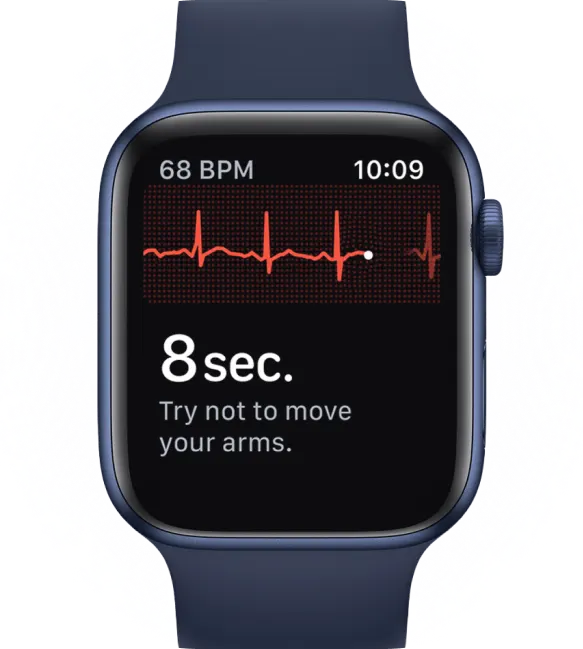
At Qaly, we know that unexpected heart feelings like palpitations can be a huge source of anxiety. Our expert-led ECG interpretation service is designed to give you clarity on your heart rhythms, right from your wearable device.



.png)
.png)