




Key Takeaways

User Profile
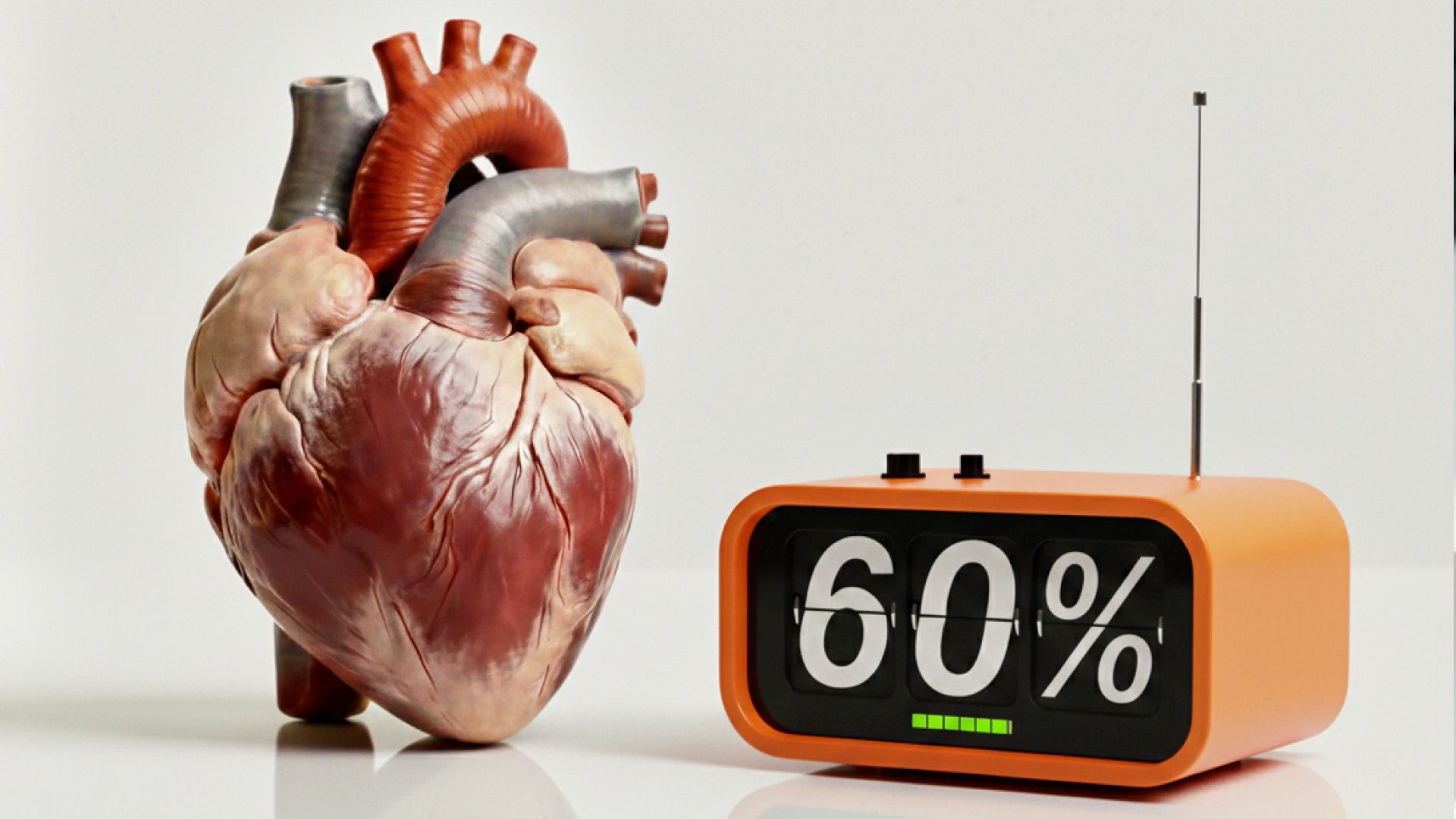
Hello, heart hero. Taking charge of your heart health is a huge step, and we're here to walk you through it. You've probably heard the term "ejection fraction," which is a fancy way of describing how well your heart is pumping blood. Think of it as a percentage. A normal ejection fraction is typically between 50% and 70%. This range is a good sign that your heart is pumping enough blood to keep your body running smoothly.
Your Guide to Ejection Fraction
It’s completely normal to feel a little lost when you first hear medical terms like this one. We get it. Navigating the healthcare system can be confusing and sometimes feel impersonal. What you really want is clear, trustworthy information to help you find your own path. You've come to the right place.
Let's break it down. Imagine your heart is an incredibly efficient pump. Its main job is to push oxygen-rich blood out to every single part of your body. With each beat, the heart's main pumping chambers, the ventricles, contract to send that blood on its way.
Ejection fraction, or EF, is simply a measurement of how much blood the left ventricle pumps out with each squeeze. It's always a percentage because the ventricle never completely empties itself. There’s always some blood left over.
Why This Number Matters
So, why do doctors care so much about this number? Because it's one of the best indicators of your heart's overall strength. A healthy EF number usually means your heart muscle is in good shape. If that number starts to change, it can be an early warning that the heart is stressed or has been damaged.
This is where being proactive about your health really pays off. A normal ejection fraction, again, that's 50% to 70% of blood pumped from the left ventricle with each beat, is a key benchmark. Keeping an eye on this is more important than ever, as about 6.7 million Americans aged 20 and older currently live with heart failure, a figure expected to hit 8.5 million by 2030.
Knowing your numbers puts you in the driver’s seat. It transforms confusing medical jargon into actionable information, helping you have more meaningful conversations with your doctor and advocate for your own well-being.
Every person is different, and your EF is just one piece of your unique health puzzle. By learning what it means, you're taking a powerful step toward feeling more in control of your health journey.
How Your Heart's Pumping Power Is Measured
It's completely normal to feel a little anxious about medical tests. But understanding how your ejection fraction is measured can help pull back the curtain and make the whole process feel less intimidating. Think of these tests as simple tools for gathering information, giving you a clear picture of your heart health.
The most common way to check your EF is with an echocardiogram, which you might hear called an "echo." It's essentially a painless ultrasound for your heart. Using sound waves, it creates a live, moving video of your heart's chambers and valves, showing your doctor exactly how well your heart squeezes and relaxes with every beat.
The Echocardiogram Experience
An echocardiogram is a routine, non-invasive procedure. A technician will put some clear gel on your chest and glide a small wand, called a transducer, over the area. You'll even get to see the images pop up on a screen, a real-time window into your heart's pumping action. It's straightforward and gives your doctor a treasure trove of information about how your heart is working.
The real goal of these tests isn't to look for problems. It's to gather clear, objective data. This information empowers both you and your doctor to make confident, informed decisions about your health.
If you want to know more about what the test is like from start to finish, our detailed guide on the transthoracic echocardiogram walks you through everything to expect.
Other Powerful Imaging Tools
While the echocardiogram is the go-to for measuring a normal ejection fraction, sometimes your doctor needs an even more detailed look. In those cases, they might turn to other powerful imaging methods:
- Cardiac MRI (Magnetic Resonance Imaging): Using magnets and radio waves, a cardiac MRI creates incredibly detailed 3D images of your heart. It's often called the gold standard for getting a precise assessment of your heart muscle and how well it's functioning.
- Cardiac CT Scan (Computed Tomography): This test uses X-rays to generate cross-sectional "slices" or images of your heart. It provides another layer of detail about its structure and pumping strength.
- MUGA Scan (Multigated Acquisition Scan): This is a type of nuclear scan where a tiny, safe amount of a radioactive substance is injected into your bloodstream. A special camera then tracks this tracer as it flows through your heart, allowing for a very accurate EF calculation.
Ultimately, each of these tests has the same job: to give a clear, reliable measurement of your heart's pumping power. Knowing what they are and why they're used can shift the experience from feeling like a medical procedure to feeling like a proactive step in managing your own health.
Understanding What Ejection Fraction Numbers Mean
Seeing a number like your ejection fraction on a medical report can feel clinical and, let's be honest, a little intimidating. We get it. But this number isn't a final verdict; it's just one piece of information. Understanding it is the first step toward feeling more in control of your own health journey.
A normal ejection fraction is generally considered to be between 50% and 70%. Think of this as a sign of a strong, efficient pump. It means your heart's main pumping chamber, the left ventricle, is contracting effectively and pushing out a healthy amount of oxygen-rich blood with each beat.
Decoding the Different EF Ranges
Of course, not every number falls neatly into that "normal" bucket. And it's critical to remember that a single number doesn't tell your whole story.
To make things clearer, here's a quick look at the different EF ranges and what they typically mean for your heart's function.
- An Ejection Fraction of 50% to 70% is considered Normal. This means your heart is pumping a healthy amount of blood with each beat.
- An Ejection Fraction of 41% to 49% is considered Mildly Reduced. This suggests the heart's pumping ability is slightly weakened.
- An Ejection Fraction of 40% or below is considered Reduced. This indicates the heart's pumping function is significantly weakened and is known as Heart Failure with Reduced Ejection Fraction (HFrEF).
These ranges help your doctor understand how well your heart is working, but they are just one part of a much bigger picture.
The most important takeaway is that these numbers are just data points. They provide a starting line for a conversation with your doctor, not a finish line for your health.
These technologies, from sound waves to powerful magnets, give healthcare professionals a clear window into how your heart is functioning.
When Symptoms Dont Match a Normal Number
Now, here is something we really want you to hear: you can have symptoms of heart failure even with a normal ejection fraction. This is not in your head, and your feelings are absolutely valid. This condition is called Heart Failure with Preserved Ejection Fraction, or HFpEF.
So, what’s going on here? With HFpEF, the heart muscle still pumps strongly (which is why the EF number looks normal), but it has become stiff. Because it's less flexible, it can't relax properly between beats to fill up with enough blood.
Imagine a sponge that has become hard and crusty. It can still squeeze out whatever water it manages to absorb, but it can't soak up much in the first place. That’s essentially what’s happening with the heart in HFpEF.
This condition is surprisingly common. In fact, over half of heart failure cases in the United States are HFpEF, affecting more than 3.35 million people. If you're feeling tired, short of breath, or have swelling, those symptoms are real and deserve attention, no matter what a single number says.
For those interested in the advanced imaging techniques we mentioned, you can learn more about how a cardiac MRI provides detailed heart views in our other guide.
How Your Wearable ECG Data Connects to Ejection Fraction

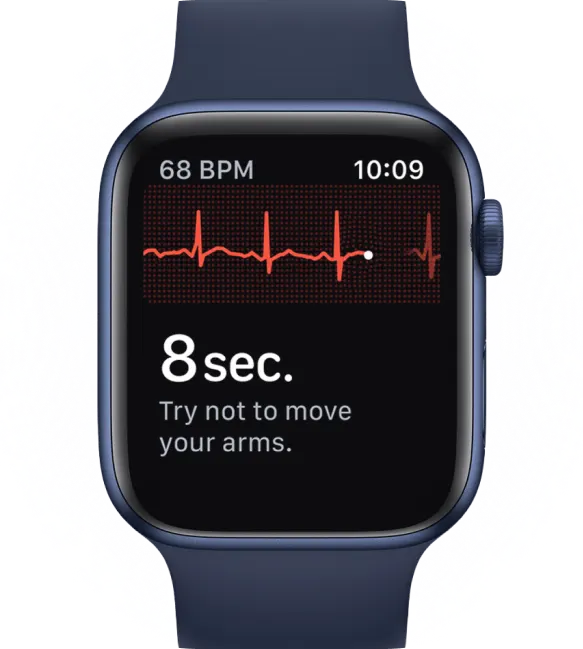
This is where your decision to keep tabs on your own heart health really starts to pay off. Let’s be perfectly clear: your wearable device, whether it's a smartwatch or a handheld monitor, cannot measure your ejection fraction. That’s a job for the imaging tests we covered earlier.
But the data your device can give you is a massive piece of the puzzle. It offers a window into your heart's electrical system, which is intimately tied to its mechanical pumping function. By tracking your heart’s rhythm, you're gathering clues about its overall well-being.
Think of it like this: your heart's rhythm is the spark plug, and the pumping action is the engine itself. A bad spark plug can eventually lead to big problems for the whole engine. In the same way, a persistent electrical issue in the heart can, over time, put a strain on the heart muscle.
From Electrical Signals to Pumping Strength
Your wearable ECG is fantastic at spotting irregularities in your heart's rhythm, those "spark plug" issues that warrant a closer look.
When you monitor these patterns, you’re collecting hard data that can sometimes show up long before changes in heart function become obvious. Some of the most common rhythms people track with their devices include:
- Atrial Fibrillation (AFib): A rapid, chaotic rhythm in the heart's upper chambers. If left uncontrolled, a consistently fast heart rate from AFib can weaken the heart muscle, a condition called tachycardia-induced cardiomyopathy.
- Frequent PVCs (Premature Ventricular Contractions): These are extra, abnormal beats coming from the lower chambers. While a few PVCs here and there are often no big deal, a very high number can sometimes affect the heart's pumping efficiency and lead to a lower EF.
- Other Arrhythmias: Any new or persistent irregular rhythm is worth documenting. It provides a real-time glimpse into your heart's electrical stability.
By monitoring these electrical patterns, you are no longer a passive patient. You are an active participant, gathering personalized data that can help guide a more productive and specific conversation with your healthcare provider.
This is a powerful shift. Instead of just telling your doctor, "I feel like my heart is fluttering," you can show them a log of ECGs with the exact timing and nature of the irregularity.
Empowering Your Doctor's Visit
We get it. Feeling dismissed or unheard in a doctor's office is a genuine fear, and many people are looking for better ways to manage their health. Bringing your own data can completely change that dynamic. The information from your device helps your doctor see the complete picture, connecting your symptoms to tangible evidence.
This allows them to investigate potential issues more effectively, maybe even before they start to impact your heart’s pumping strength or your normal ejection fraction. For a deeper dive into making the most of your device, you can read more in A Cardiologist’s Guide to the Smartwatch ECG.
Ultimately, your wearable ECG empowers you. It gives you the proof you need to advocate for yourself, ensuring your concerns are taken seriously and that your heart health is managed proactively, not just reactively.
Symptoms to Monitor and When to Speak with Your Doctor

Your body has its own language, and learning to listen when it speaks is one of the most important things you can do for your health. It's easy to brush off subtle changes when life gets busy, but persistent symptoms can be your heart's way of signaling that something needs a closer look.
Trust what you're feeling. You know your body better than anyone else. If you notice a shift, even a small one, it's always a valid reason to get some clarity.


Key Physical Symptoms to Watch
Certain physical clues are directly tied to how efficiently your heart is pumping blood. Things like sudden fatigue or swelling can be early warning signs, and understanding common symptoms like what causes shortness of breath is a crucial first step.
Keep an eye out for these specific changes:
- Increasing Shortness of Breath: Do you find yourself getting winded from activities that used to feel effortless, like climbing stairs or carrying groceries in from the car? This is a significant signal.
- Persistent Fatigue: We're not talking about just feeling tired after a long day. This is a deep, lasting exhaustion that doesn't seem to improve, even after a full night's rest.
- Swelling in Your Legs or Ankles: If you notice new or worsening swelling (known as edema), it can mean your heart is struggling to circulate blood effectively, causing fluid to pool in your extremities.
- A Persistent Cough or Wheezing: Sometimes, when the heart can't keep up, fluid can back up into the lungs. This can cause a nagging cough that often gets worse when you lie down.
If you want to dive deeper into that particular symptom, our guide on what causes shortness of breath is a great resource.
Pairing Symptoms with Your ECG Data
This is where your proactive monitoring really shines. The ECG data from your wearable device provides the objective evidence that backs up what you're feeling physically.
Trust yourself. Pairing your physical symptoms with the objective data from your device creates a clear and compelling story for your doctor. It ensures your concerns are heard and taken seriously, shifting the conversation from "I think something is wrong" to "Here is the evidence of what's happening."
When you walk into your doctor's office, you’re no longer just describing a vague feeling. You're presenting a powerful combination of your personal experience and concrete data points. You can show them a log of irregular heartbeats that happened on the same days you felt unusually tired or breathless.
This combination helps your doctor connect the dots much faster. It validates your concerns and gives them the specific information they need to investigate your heart's pumping function, including whether your once normal ejection fraction might have changed. You’re not just a patient; you're an informed partner in your own health.
Practical Steps for Supporting a Healthy Heart
Knowing your numbers is one thing, but the real power lies in focusing on what you can actually control. Taking small, consistent steps can make a massive difference in your heart health over time. This isn't about some restrictive, all-or-nothing approach; it's about making smart choices that empower you.
Simple changes often have the biggest impact. Think about incorporating more whole foods, finding ways to move your body that you actually enjoy, and getting a handle on stress. These are all powerful levers you can pull to support your heart and maintain a normal ejection fraction.
The journey to a healthier heart is built on small, sustainable choices, not drastic, overnight changes. Every positive step you take is a win for your long-term health and peace of mind.
And if you're already managing conditions like high blood pressure or diabetes, staying on top of them with your doctor is absolutely crucial for protecting your heart muscle.
Building a Heart-Healthy Lifestyle
Creating a routine that supports your heart doesn't have to feel like a chore. The trick is to start with a few manageable adjustments that you can stick with.
- Nourish Your Body: Instead of thinking about what to cut out, focus on what you can add in. More fruits, vegetables, and whole grains will naturally crowd out the less healthy stuff.
- Find Joy in Movement: You don't have to become a marathon runner. A brisk walk, a dance class, or even just gardening can get your heart pumping. The key is finding a mix that works for you. To build a routine you'll love, it helps to understand How to Balance Cardio and Strength Training.
- Manage Stress Mindfully: Chronic stress really does a number on your heart. It's so important to carve out time for things that quiet your mind, whether that's meditation, a hobby you love, or just spending some time in nature.
These aren't just one-off fixes. They're the building blocks for a stronger, healthier heart for years to come.
Frequently Asked Questions About Ejection Fraction
Navigating heart health can bring up a lot of questions, and that's perfectly okay. Feeling uncertain is a normal part of the journey. Here, we'll walk through some of the most common questions we hear, giving you clear, straightforward answers to build your confidence.
Can My Ejection Fraction Improve Over Time?
Yes, it absolutely can. Your ejection fraction isn't set in stone. For many people, a low EF can improve, sometimes significantly, once the underlying cause is managed.
Think of it like rehabbing an injury. With the right combination of medical treatments and heart-healthy lifestyle changes, the heart muscle can often recover some of its strength. This recovery leads to a measurable improvement in your EF number, reflecting a stronger, more efficient pump.
Does a Normal Ejection Fraction Guarantee My Heart Is Healthy?
A normal ejection fraction is a great sign of your heart's pumping strength, but it's just one piece of the puzzle. It's actually possible to have heart failure symptoms even with a completely normal EF.
This condition is known as Heart Failure with Preserved Ejection Fraction (HFpEF). It happens when the heart muscle becomes too stiff to fill up with blood properly between beats, even though it can still pump out what it receives just fine. This is a perfect example of why listening to your body, and keeping an eye on your heart rhythm, is so important.
An ejection fraction number is a vital piece of data, but it doesn't tell the whole story. Your symptoms are real and deserve to be investigated, regardless of what any single test shows.
How Often Should I Have My Ejection Fraction Checked?
The right timing for EF checks really depends on your individual health situation. If you have a known heart condition, your doctor will likely set up a regular schedule to monitor how things are going and track your progress on any treatments.
On the other hand, if you're generally healthy but start noticing new symptoms or seeing unusual patterns on your wearable ECG, that's your cue to talk with your doctor. They can determine if measuring your EF is the right next step. Always be open about what you're feeling and share your data, it’s the best way to get the care you need.

When you need clarity on what your heart rhythm is doing between doctor's visits, Qaly provides expert ECG interpretations in minutes. Get peace of mind by having your smartwatch ECGs analyzed by certified professionals.



.png)
.png)