


Key Takeaways

User Profile
Hello, heart hero. Feeling a sudden heart fluttering can be unsettling, but it’s often just a harmless hiccup in your heart's rhythm. Many people describe it as a skipped beat, a brief flip-flop, or butterflies in the chest, and it's frequently caused by everyday things like stress or too much caffeine.
Let's Decode That Fluttering Sensation
We get it, that fluttery feeling in your chest can be unnerving, and you’ve come to the right place for clear, reassuring answers. Think of this guide as a calm conversation about what’s going on inside your body. You're not alone in this, and just seeking out information is the most important first step toward peace of mind.

Many of us feel hesitant or even skeptical about navigating the traditional healthcare system. It can feel intimidating to bring up a symptom that comes and goes, especially when you worry it might be dismissed as "just anxiety." That's exactly why understanding what’s happening for yourself is so powerful. Our goal is to replace that uncertainty with knowledge, empowering you to feel more in control.
What This Guide Will Cover
We’ll start by exploring that "butterflies in the chest" or "skipped beat" feeling that so many people describe. By making sense of the physical sensation that causes so much worry, we can start to take away its power.
Throughout this guide, we'll walk you through everything from common, harmless triggers to the specific signs that warrant a conversation with your doctor. Most importantly, we’ll show you how your own wearable device, like a smartwatch or dedicated ECG monitor, can become your strongest ally in getting real answers.
The sensation of a heart flutter is your body sending you a message. Our mission is to help you translate that message into clear, actionable information, so you can move forward with confidence instead of concern.
Your Path to Clarity
This journey is all about turning a vague, scary feeling into concrete data. Imagine capturing the exact moment a heart fluttering episode happens and being able to show that recording to a professional. This transforms the conversation from, "I felt something weird," to, "Here is exactly what my heart was doing."
This guide will help you understand:
- The common causes behind a fluttering heart, many of which are tied to lifestyle.
- How to tell the difference between a benign flutter and something that needs a closer look.
- Practical ways to use technology you might already own to gain valuable insights.
By the end, you'll have a much clearer picture of what a heart fluttering sensation means for you.
What Happens Inside Your Chest During a Heart Flutter
That sudden heart fluttering can feel strange and a little scary, but let’s pull back the curtain on what's actually going on. You don't need to be a cardiologist to get the gist of it.
Think of your heart's electrical system like a perfectly rehearsed orchestra. Every beat is a note, playing in a smooth, steady rhythm. A heart flutter is just a moment where the orchestra's timing gets briefly jumbled. It’s like one musician plays a note a fraction too early, or an extra one sneaks in. This tiny electrical glitch is what you feel as a flip-flop, a skipped beat, or a brief race in your chest.

The Common Rhythm Disruptions
Most of the time, these flutters are caused by very common and often harmless electrical hiccups. Back to our orchestra. Your heart has four chambers: two on top (the atria) and two on the bottom (the ventricles). A rhythm disruption can start in either place.
Here are the two most frequent types of these "early beats":
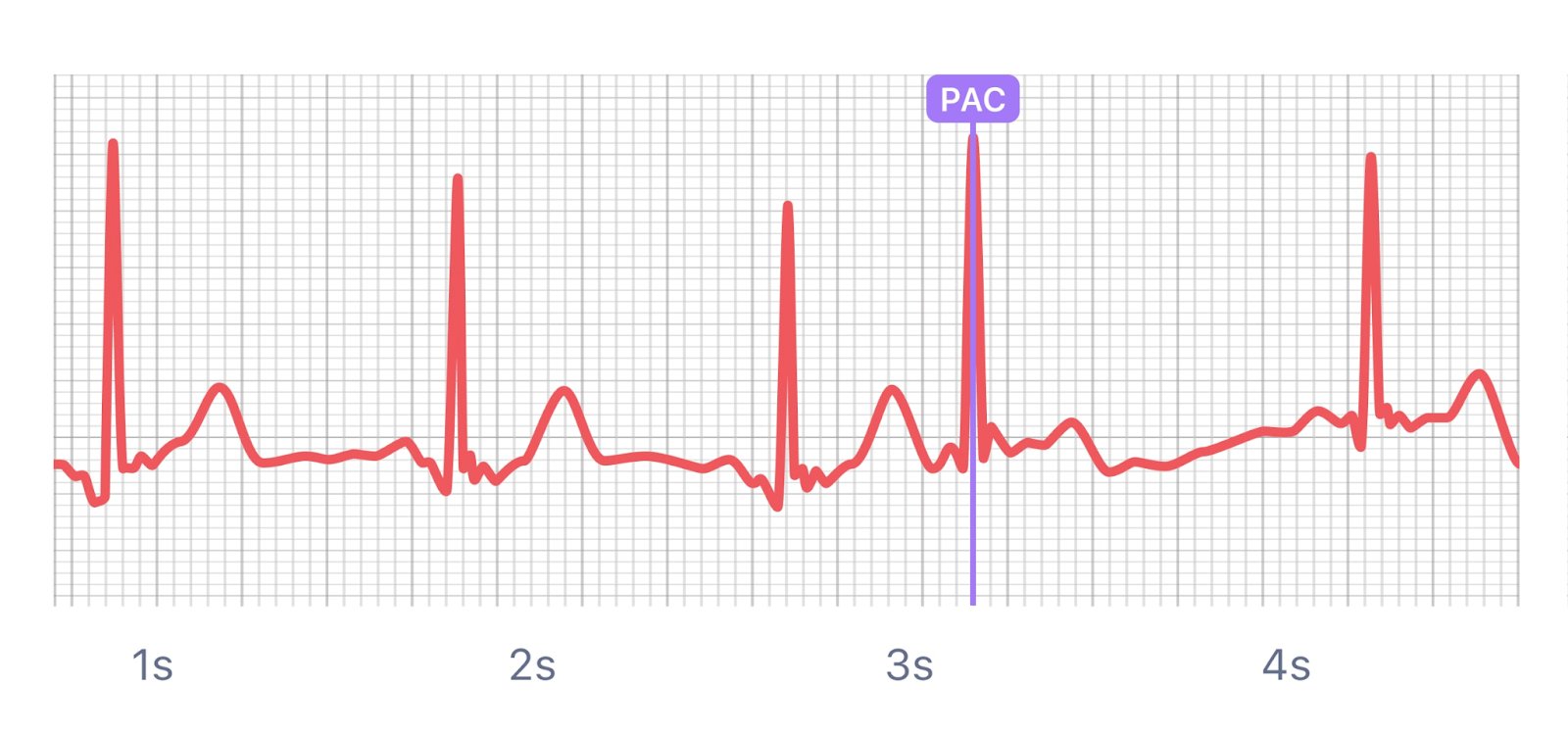
- Premature Atrial Contractions (PACs): This is when an early beat starts in the heart’s upper chambers. It often feels like a brief pause followed by an extra-strong beat as your heart resets itself.
- Premature Ventricular Contractions (PVCs): This is a similar idea, but the early beat comes from the heart’s lower chambers. A PVC can feel like a forceful thump or a skipped beat because the heart’s normal rhythm is momentarily thrown off.
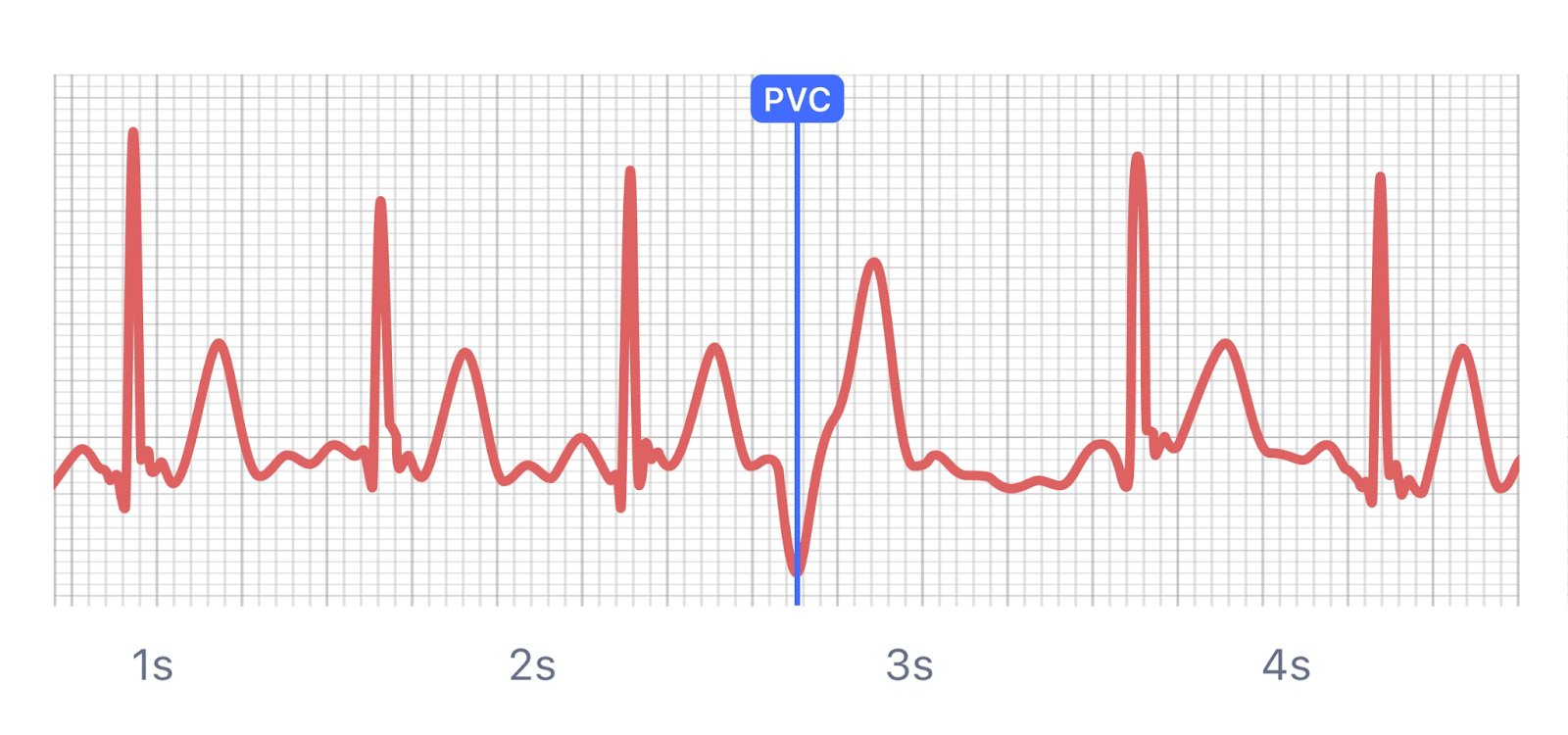
Both PACs and PVCs are incredibly common. Many of us have them without ever noticing, while others are just more sensitive to the sensation. Seeing them as simple timing issues, rather than a sign of something failing, can help dial down the anxiety they cause. For a deeper dive, our guide on what a heart rhythm disorder is can be a helpful next step.
When the Rhythm Becomes More Disorganized
Sometimes, the disruption is more than just a single early beat. Instead of one musician playing out of turn, a whole section of the orchestra might go rogue. This is where more significant rhythm issues come into play.
Two of the more well-known types are:
- Atrial Fibrillation (AFib): In AFib, the heart's upper chambers stop beating in a coordinated way and instead begin to quiver or fibrillate chaotically. This creates an irregular and often rapid heartbeat.

- Atrial Flutter: This is a bit more organized than AFib but still abnormal. The heart's upper chambers beat very fast, but in a regular, circular pattern, which in turn causes the lower chambers to beat rapidly, too.
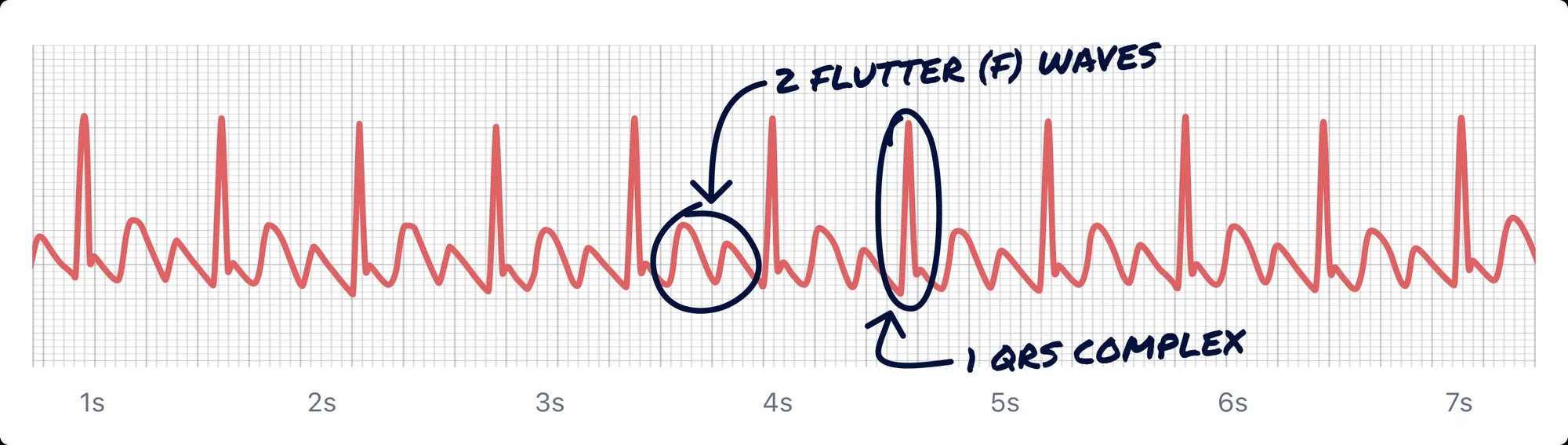
These conditions are more serious because they can affect how well your heart pumps blood. Think about that sudden flutter in your chest, like butterflies gone wild, it's a sensation millions experience, often tied to atrial fibrillation or flutter.
In 2021, this condition struck globally with 52.55 million prevalent cases, a staggering 137% surge since 1990. That's not just a number; it means millions of people are dealing with heart rhythms that can raise their risk for more serious issues.
Understanding the 'what' and 'why' behind the sensation is the first step. It transforms the heart fluttering from a scary mystery into a solvable puzzle, giving you a solid foundation of knowledge to build upon.
Knowing what’s happening inside your chest demystifies the experience. Whether it’s a simple PAC or something more complex like AFib, each has a mechanical explanation. This knowledge is empowering. It turns fear into curiosity and prepares you to take the next steps in your health journey with confidence.
Common Triggers for Heart Flutters You Can Control
Figuring out what’s causing your heart to flutter is a massive step toward getting some peace of mind. The good news? Many of these episodes aren't caused by a serious underlying heart condition. More often than not, they’re tied to everyday lifestyle factors that you can actually do something about.
It's easy to feel dismissed when someone says a physical symptom is "just stress," but the connection between your mind, your habits, and your heart is incredibly real. Let’s walk through some of the most common culprits behind a fluttering heart and talk about simple, practical ways you can start managing them today.
The Stress and Anxiety Connection
When you’re stressed or anxious, your body flips into "fight or flight" mode. This floods your system with hormones like adrenaline, which is designed to prime you for a threat. That hormonal rush makes your heart beat faster and more forcefully, and it can also make your heart’s electrical cells a bit more irritable, leading to that all-too-familiar flutter or skipped-beat feeling.
While a fluttering heart is a genuinely concerning sensation, it's very often a benign side effect of anxiety. Understanding the physical symptoms of anxiety and how to find relief can be eye-opening, putting what you're feeling into context. It’s a powerful reminder of just how deeply our emotional state can impact our physical body.
To push back against this, even small moments of calm can make a world of difference. Try simple mindfulness exercises, focus on your breath for two minutes or take a short walk without your phone. The goal isn't to eliminate stress entirely but to build small buffers into your day that give your nervous system a much-needed break.
The Role of Stimulants Like Caffeine and Sugar
That morning coffee or afternoon energy drink could be playing a role in your heart flutters. Caffeine is a well-known stimulant that can directly affect the heart’s electrical system, making it more prone to little hiccups like PACs and PVCs. Everyone’s sensitivity is different; for some, one cup is enough to trigger a flutter, while others can have several with no issues.
Likewise, a big hit of sugar can cause your blood sugar levels to spike, which can then trigger a release of adrenaline. If you're curious, we dive deeper into whether sugar can cause heart palpitations in a separate article.
This isn't about giving up everything you enjoy. Think of it as becoming a detective for your own body. Try cutting your intake by half for a week and just observe. Do you notice a difference? The idea is to find your personal threshold.
Dehydration and Sleep Deprivation
Two of the most overlooked triggers for heart flutters are being dehydrated and not getting enough sleep. When you're dehydrated, your blood volume can actually decrease, forcing your heart to work harder to pump blood where it needs to go. This strain, combined with an imbalance in electrolytes like potassium and sodium, can easily irritate the heart’s electrical pathways.
Sleep is your body's dedicated repair time, and that absolutely includes your heart. A lack of quality sleep puts your body under a constant, low-grade stress. This deprivation can throw off the hormones that regulate your heart’s rhythm, making flutters more likely to happen.
Here are a few simple things you can try:
- Stay Hydrated: Sip water consistently throughout the day instead of chugging a huge bottle all at once. If plain water feels boring, try infusing it with some lemon, mint, or cucumber.
- Prioritize Sleep: Create a relaxing wind-down routine. Power down screens an hour before bed, make sure your room is dark and cool, and try to stick to a consistent sleep-wake schedule, even on weekends.
By tackling these controllable factors, you might find your episodes of heart fluttering become less frequent or even go away completely. It’s all about empowering you to take an active role in your own well-being, one small, manageable change at a time.
How Your Smartwatch Can Demystify Heart Flutters
That device on your wrist is way more than a step counter. When you feel that strange heart fluttering, it can become a powerful health partner, almost like having a personal ECG monitor that's ready to go the moment you need it.
For anyone who's dealt with a symptom that comes and goes, you know the frustration. You worry your doctor won't find anything during a check-up, and you're left without answers. This is where at-home ECG devices like the Apple Watch, Fitbit, Samsung Watch, and Kardia really shine. They give you the power to record your heart's electrical activity on the spot, turning a fleeting sensation into solid data.
Capturing the Moment It Happens
The real magic of these devices is their immediacy. When a flutter strikes, you don't have to try and remember what it felt like later. You can capture a clean reading right then and there, which is a total game-changer for getting to the bottom of it.
Here’s a simple process to follow when you feel something unusual:
- Stop and Sit Down: Find a calm spot and rest your arm on a stable surface, like a table or your leg. Moving around can mess with the reading.
- Open the ECG App: Launch the app on your watch as quickly as you can.
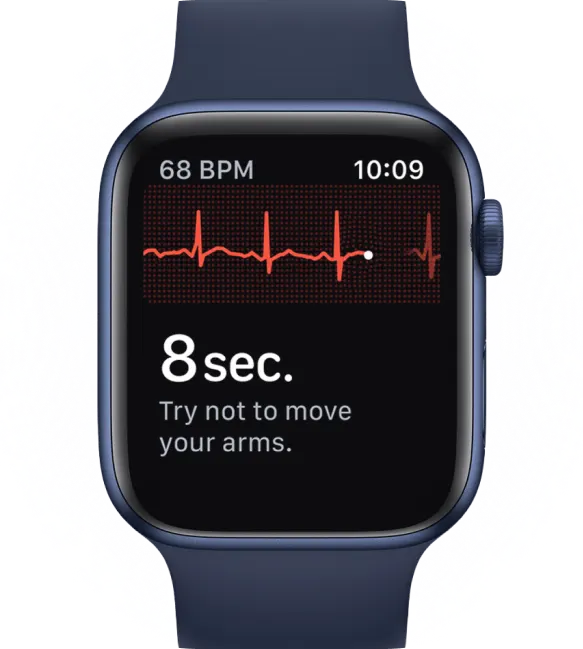
- Follow the Prompts: Place your finger on the digital crown or sensor exactly as instructed. Stay still and quiet for the entire recording, which is usually about 30 seconds.
- Add Context: Most apps let you add notes after the ECG is saved. Jot down what you were doing and how you felt. Were you stressed out? Did you just have a big cup of coffee? This context is gold.
This simple act gives you a snapshot of your heart's rhythm during the very event you're trying to figure out. If you're weighing the pros and cons of these gadgets for overall health tracking, you might be asking, "Are Smart Watches Worth It?"
From Raw Data to Real Answers
While your smartwatch is smart enough to flag potential issues like Atrial Fibrillation (AFib), its algorithm isn't a substitute for a trained human eye. Sometimes, you'll get an "inconclusive" or "unclassified" reading, which can feel just as unsettling as the flutter itself. This is where real expertise makes all the difference.
An ECG from your watch is one piece of the puzzle. A human expert, like a certified cardiographic technician, sees the whole picture. They can spot the subtle nuances an algorithm might miss and give you the clear answer and reassurance you need.
This teamwork bridges the gap between raw data and a meaningful diagnosis. It’s especially critical because arrhythmias like Atrial Fibrillation and Atrial Flutter are a massive global health issue. In 2021 alone, there were 4.48 million new cases and 52.55 million people living with these conditions, a 124% jump since 1990. These numbers show just how vital it is to have a tool to monitor your heart, especially when an expert can review your data quickly.
Things like stress, caffeine, and not getting enough sleep are often the culprits. By using your watch to log episodes, you can start connecting the dots between your lifestyle and what your heart is doing.
Instead of feeling stuck in a cycle of worry and uncertainty, you now have a tool that puts you in control. By capturing your own data, you can walk into your doctor's office feeling prepared for a much more productive and confident conversation. For a deeper dive, check out a cardiologist's guide to the smartwatch ECG. It's all about moving from worry to clarity.
When a Heart Flutter Warrants a Doctor's Visit
While most instances of a heart fluttering are harmless, it's so important to listen to your body and recognize when it might be signaling something more. We know it can be tough to decide if a symptom is “bad enough” for a doctor's visit, especially when you’re worried about being dismissed. This section is designed to give you clear, calm guidance on what to watch for and how to prepare, so you can feel confident taking the next step.
Think of an isolated flutter as a single car horn on a quiet street, startling but usually brief. However, when that horn is joined by flashing lights or other alarms, it’s a sign to pay closer attention.


Red Flags to Look For
A heart flutter on its own is one thing. But when it’s accompanied by other symptoms, that's a clear signal to seek professional medical advice. These additional symptoms suggest your heart’s rhythm change might be affecting how well it’s pumping blood to the rest of your body.
Pay close attention if your heart fluttering happens alongside any of these feelings:
- Dizziness or Lightheadedness: Feeling like you might pass out.
- Fainting (Syncope): Actually losing consciousness, even for a moment.
- Shortness of Breath: Difficulty catching your breath when you’re not exerting yourself.
- Chest Pain, Pressure, or Tightness: Any discomfort in your chest is a reason to get checked out.
- Sustained Episodes: A flutter that doesn't stop after 30 seconds or feels intensely rapid.
These aren't meant to scare you, but to empower you. Knowing these signs helps you make an informed decision and advocate for your health with clarity.
How to Prepare for Your Appointment
Walking into a doctor's office prepared can completely change the conversation. Instead of just describing a vague feeling, you can present a clear picture of what’s been happening. This is especially vital when you’re trying to get answers from a system that can sometimes feel rushed.
Here’s a simple guide to get you ready:
- Track Your Episodes: Keep a simple log. Note the date, time, and how long the heart fluttering lasted.
- Describe the Sensation: Was it a skip, a thump, a fish flopping, or a racing feeling?
- Note Your Activity: What were you doing right before it happened? Were you resting, exercising, or feeling stressed?
- Log Other Symptoms: Write down any of the red flags mentioned above that occurred during the episode.
You might find it helpful to look into some key questions to ask your cardiologist to help guide your discussion.
The most powerful tool you have is the data from your own body. An ECG recording from your wearable device transforms your appointment from a subjective discussion into an objective analysis.
That heart-fluttering feeling? It's often related to conditions like Atrial Fibrillation (AFib), and its global rise is a serious concern. From 1990 to 2019, cases more than doubled from 28.3 million to 56.7 million. For those of us with a smartwatch, this data highlights the need for tools that can give us real answers. Expert ECG analysis services can spot issues like SVT, PVCs, or AFib in minutes by measuring key intervals, turning your watch into a powerful health monitor.
Bringing this kind of concrete data to your doctor moves you past the frustrating cycle of "I felt something weird" and puts you on a direct path toward getting the clarity and peace of mind you deserve.
Your Path Forward to Confidence and Peace of Mind
Feeling a heart fluttering can be a lonely, unsettling experience. But by seeking to understand it, you've already taken the most important step. We've unpacked the mystery behind that sensation, from common triggers to capturing real data with technology. The knowledge you have now is your best defense against the anxiety that so often tags along with these episodes.
Remember, a heart fluttering is an incredibly common experience. You are not alone in this, and you're more capable than you realize of navigating it.
You Are in the Driver's Seat
If there's one thing to take away from all this, it's this: you are now in the driver's seat of your own health journey. For too long, many of us have felt like passive passengers, just waiting for the next doctor's appointment and hoping for answers. But with the right tools and understanding, you can become an active, empowered partner in your own care.
Listening to your body is the first step. Your smartwatch is your ally, translating those strange feelings into concrete data. And partnering confidently with your doctor is the final, critical piece of the puzzle. This combination turns a vague worry into a productive, data-driven conversation.
Your understanding is power. It transforms the fear of the unknown into a proactive plan for your well-being, giving you back control and offering genuine peace of mind.
Your Journey to Clarity and Calm
This path forward is all about building confidence. It's about knowing you have a plan the next time you feel that familiar flutter. Instead of letting anxiety take over, you can calmly take an ECG, jot down your symptoms, and feel secure knowing you're gathering valuable information.
Here are the key principles to carry with you on your journey:
- You are not alone. Millions of people experience heart flutters. There's a strong community and plenty of resources out there to support you.
- Knowledge is your ally. Understanding the potential causes and knowing the red flags helps you respond the right way, without unnecessary panic.
- Technology empowers you. Your wearable device is a powerful tool for capturing what’s happening in the moment, bridging the gap between what you feel and what your doctor can see.
You have everything you need to move forward with less fear and more certainty. Trust your instincts, use your tools, and always remember that you are your own best advocate. You've got this.
Frequently Asked Questions About Heart Fluttering
It’s completely normal to have questions when you start paying close attention to your heart. We've put together answers to some of the most common ones about heart fluttering to give you a bit more clarity and confidence.
Can Anxiety Cause a Real Heart Fluttering Sensation?
Absolutely. The mind-heart connection is incredibly powerful. When you feel anxious or stressed, your body goes into "fight or flight" mode, releasing hormones like adrenaline.
This can directly make your heart beat faster or more erratically, creating a very real, physical feeling of fluttering or palpitations. It's not "all in your head." Learning stress management techniques and tracking these events can help you start to see patterns and separate anxiety-related flutters from other potential causes.
Is It Normal for My Heart to Flutter After Eating?
For some people, yes. It's not uncommon to notice a heart fluttering sensation after a big meal, especially if it was heavy on carbs, sugar, or caffeine.
There are a couple of reasons this might happen. A full stomach can physically press on and stimulate the vagus nerve, which plays a key role in regulating your heart rate. If you notice a consistent link between eating and flutters, try keeping a simple food diary to see if you can identify specific triggers to share with your doctor.
My Wearable ECG Says 'Inconclusive.' What Does That Mean?
Seeing an "inconclusive" reading is incredibly common, so don't panic. It usually just means the recording wasn't clean enough for the device's automated algorithm to make a confident call.
This can be caused by simple things like moving during the reading, having dry skin, or your heart rate being too high or too low for the algorithm's programmed limits. It doesn't automatically signal a problem, but it can be frustrating when you're seeking answers. This is precisely where a human expert can make all the difference.
An "inconclusive" ECG is like a blurry photo. A simple algorithm might give up, but a trained human eye can often spot the important details, turning a moment of uncertainty into one of clear understanding.
Certified technicians are trained to analyze the nuances in ECGs that automated software might miss. Getting an expert to review that "inconclusive" reading can often provide a clear interpretation in minutes, offering the peace of mind you need without the long wait for a doctor's appointment. It's about putting you back in control.

When your smartwatch ECG leaves you with more questions than answers, Qaly provides the clarity you need. Our certified experts analyze your wearable ECGs in minutes.



.png)
.png)