


Key Takeaways

User Profile
Hello Heart Hero. Have you ever settled in with a piece of chocolate, only to feel your heart start to flutter, race, or skip a beat? It’s a confusing and often unsettling feeling. If you’re wondering whether that simple treat could be the cause, you’re asking the right question. Many people feel dismissed or unheard when they bring up concerns like this, but your body's signals are valid and worth exploring.
The short answer is yes, for some people, chocolate can trigger heart palpitations. The reason often comes down to a few key ingredients found naturally in cocoa, like caffeine and theobromine.
Your Guide to Chocolate and Heart Palpitations
When your own body sends a signal you don't understand, it's easy to feel a bit lost. That sudden thump or racing pulse can make you second-guess everything, especially something as common as chocolate. It's a situation many people find themselves in, trying to connect the dots between what they eat and how their heart feels, especially when they feel like they have to find answers on their own.
This guide is here to help you do just that. We're not here to offer one-size-fits-all advice or to raise alarms. Instead, we want to give you a clear map to understand your body’s unique reactions, turning that feeling of uncertainty into one of confidence.
What You Will Learn
We’ll dig into the science behind why chocolate affects heart rhythm and what you can do about it. Think of this as a practical toolkit for listening to your body.
Here’s what we’ll cover:
- The specific compounds in chocolate that can act as stimulants.
- Why some people are more sensitive than others, and how much is too much.
- Practical steps for monitoring your heart to pinpoint your personal triggers.
This is about learning to interpret your body's signals so you can make informed choices. By understanding the link between your diet and your heart, you can regain a sense of control and peace of mind.
Ultimately, the goal isn't to take away things you enjoy. It's to empower you with the knowledge to manage your health wisely. By the end, you'll be better prepared to tell the difference between a minor flutter and a sign you should talk to your doctor, and you'll have your own data to share when you do.
If you’ve ever felt a sudden flutter or racing sensation after enjoying a bit of chocolate, you’re not alone. It can be a confusing and even unsettling experience, especially when you’re trying to connect the dots of your own health journey.
So, can chocolate cause heart palpitations? The short answer is yes, for some people, it absolutely can. It usually comes down to a few natural stimulants found in cocoa, like caffeine and theobromine.
In this guide, we'll get straight to the heart of this connection. We'll go beyond the generic advice and give you a practical look at why this happens, who might be more sensitive, and what you can do about it. The goal is to give you the clarity you need to understand your body's signals and feel in control.
Understanding How Chocolate Affects Your Heartbeat
When you eat chocolate, your body reacts to more than just the delicious taste. Behind the scenes, a few key ingredients get to work, and for some, this can lead to a noticeable change in their heartbeat. Let's break down exactly what's going on in a way that makes sense.
At its core, chocolate contains natural compounds that act as stimulants. Think of your heart as having a natural, steady rhythm. These compounds can signal your central nervous system to speed things up, a bit like a conductor suddenly telling the orchestra to play faster.
The three main culprits responsible for this effect are caffeine, theobromine, and sugar. Each one plays a unique role, and when they team up, their effects can feel much more pronounced.
The Stimulant Trio in Chocolate
Let's take a closer look at each of these ingredients. You're probably familiar with caffeine, but theobromine is a lesser-known compound that’s just as crucial for understanding why chocolate might trigger palpitations.
- Caffeine: The most well-known stimulant of the bunch. It's helpful to compare the caffeine in cocoa vs coffee, as many people know how coffee affects them. Caffeine delivers a quick, sharp energy boost that can directly increase your heart rate.
- Theobromine: Think of this as caffeine's gentler cousin. It’s also found in cocoa, but its effects are milder and last longer. This provides a more sustained stimulation that can also contribute to a faster heart rate.
- Sugar: As a quick source of energy, sugar can cause a spike in your blood sugar levels. This rush can trigger the release of hormones like adrenaline, which in turn can make your heart beat faster. You can learn more about this in our guide on how sugar can increase heart rate.
Imagine enjoying a square of dark chocolate, only to feel your heart start to race a few minutes later. A typical 1-ounce (28-gram) serving of dark chocolate (70% or higher) can pack around 20 to 40 mg of caffeine and up to 250 mg of theobromine. Together, these compounds can rev up your nervous system, sometimes leading to that noticeable flutter or pounding sensation.
The natural triggers in chocolate directly stimulate your system, which can result in the feeling of palpitations for those who are sensitive.
When these three stimulants, caffeine, theobromine, and sugar, work together, they can create a perfect storm for a sensitive system. It’s not necessarily a sign of a serious problem, but rather your body's clear response to what you’ve eaten.
Understanding this process is the first step toward empowerment. It's not about fearing chocolate, but about recognizing how its ingredients interact with your unique biology. With this knowledge, you can start to figure out your own tolerance and enjoy your favorite treats without the worry.
The Link Between Chocolate and Heart Rhythms
The connection between chocolate and your heart can feel complicated. On one hand, we hear all about the heart-healthy antioxidants in dark chocolate. But on the other, you might have felt that strange little flutter yourself after indulging. It’s a common point of confusion, leaving many of us wondering if chocolate is ultimately "good" or "bad" for our hearts.
The truth is, it's not that black and white. It’s less about the chocolate itself and more about understanding your body's unique response to it. For most people, a little bit is perfectly fine. For others, it can be a trigger for palpitations.
When Chocolate Becomes a Trigger
For some people, especially in larger quantities, chocolate can absolutely cause heart palpitations. Those stimulants we talked about, caffeine and theobromine, can sometimes push the heart's electrical system out of its normal rhythm. This can lead to a more serious type of palpitation called a heart rhythm disorder, or arrhythmia.
These arrhythmias can include conditions like:
- Atrial Fibrillation (AFib): A fast, chaotic rhythm originating in the heart's upper chambers.
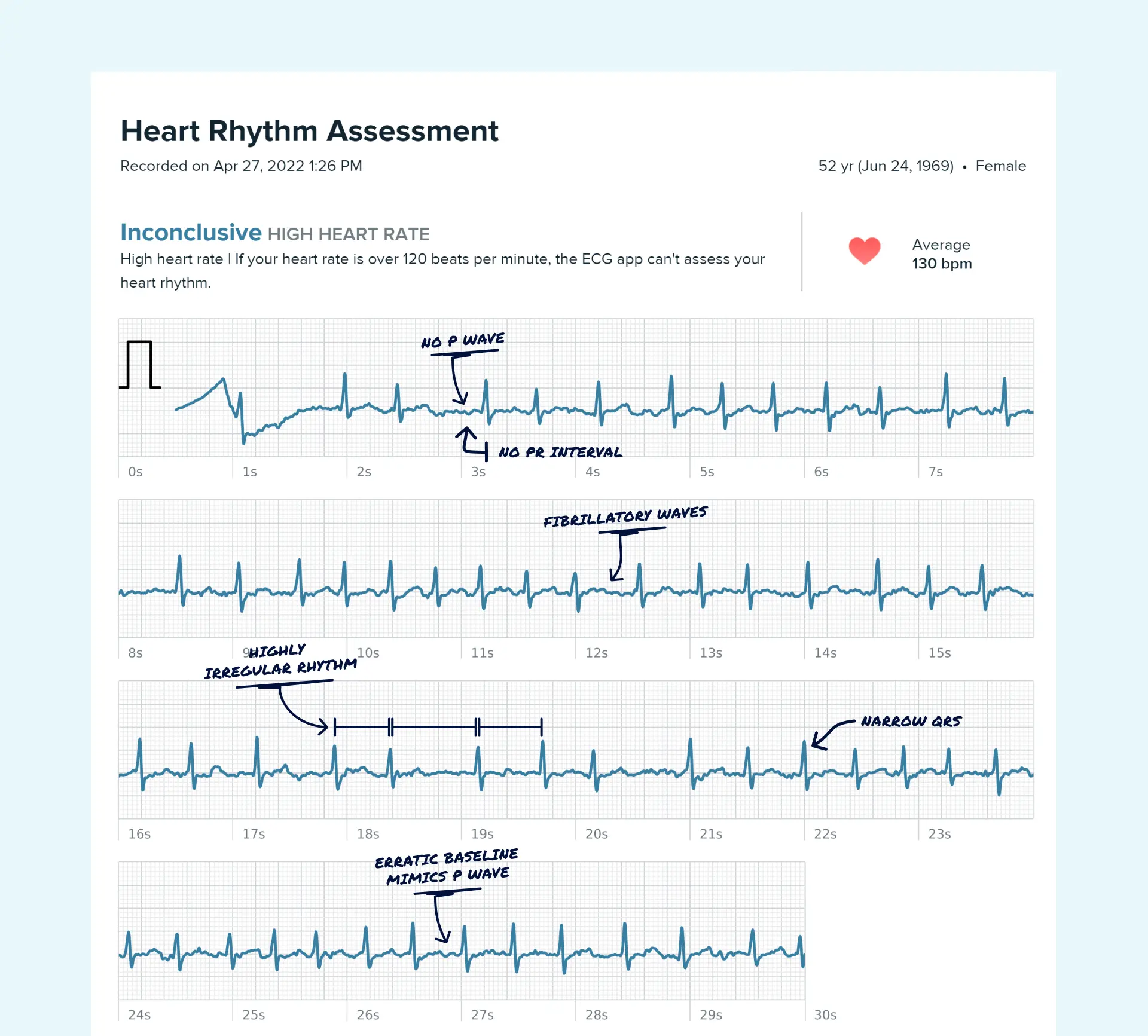
- Supraventricular Tachycardia (SVT): A very rapid heartbeat that starts above the heart's lower chambers.
_kardia.webp)
The idea that a simple treat could trigger a formal arrhythmia can be unsettling. But clinical evidence shows it's a real possibility for sensitive individuals, particularly when a lot of chocolate is consumed.
The key takeaway here is that dose and your personal biology are everything. What feels fine for one person might be way too much for another.
For example, while big population studies often praise chocolate for its heart benefits, individual case reports can tell a different story. One review pointed out how eating huge amounts of cocoa acted as a trigger for serious arrhythmias, including one case of AFib and another of SVT after a massive chocolate binge. To get into the specifics of these cases, you can read the full review on cocoa overconsumption and cardiac rhythm.
Finding a Balanced Perspective
Despite these potential risks, it’s just as important to look at the other side of the coin. Plenty of studies have suggested that regular, moderate chocolate consumption might be linked to better long-term heart health, largely thanks to the flavonoids in dark chocolate that can improve blood flow and even lower blood pressure.
So, what’s the right way to approach this? It all comes down to listening to your own body. Chocolate isn’t the enemy, but it’s a food that deserves a bit of respect and self-awareness. It's about finding what works for you, whether that means choosing milk chocolate over dark, or simply enjoying a smaller portion.
Understanding the difference between a simple palpitation and a potential arrhythmia is a crucial first step. You can learn more about what constitutes a heart rhythm disorder in our detailed guide. This knowledge gives you the power to make informed choices that feel right for your body and bring you peace of mind.
Who Is More Sensitive to Chocolate Induced Palpitations
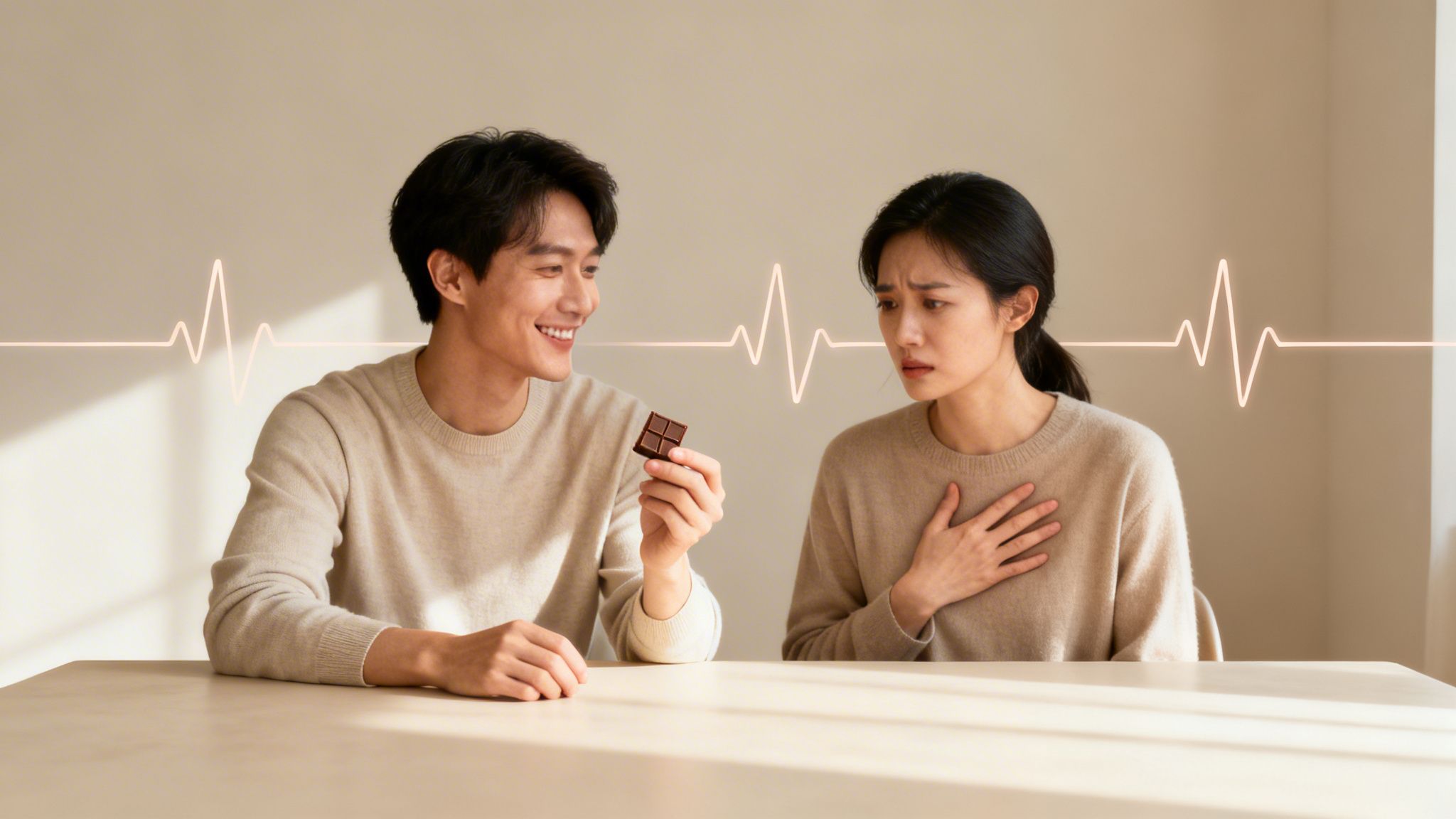
It can feel bewildering when your friend polishes off a chocolate bar with no issue, but a single square sends your heart into a flutter. This difference usually boils down to individual sensitivity. Your unique body chemistry dictates how you respond to the stimulants in chocolate, and a few key factors can make you more likely to feel those palpitations.
The goal here isn't to cause alarm. It's about giving you the self-awareness to understand your own body. Recognizing why you might be more sensitive is the first step toward making choices that support your health and put you back in control.
Factors That Increase Sensitivity
Several things can turn up the volume on your body's reaction to stimulants like those found in chocolate. If you're feeling palpitations, it could be a sign that one or more of these are at play.
- Underlying Anxiety: If you live with anxiety, your nervous system is already on high alert. Tossing stimulants from chocolate into the mix can easily push it over the edge, turning a slight increase in heart rate into very noticeable and unsettling palpitations.
- Existing Heart Rhythm Issues: People who already have a known arrhythmia, such as atrial fibrillation or SVT, are often more susceptible. For them, the stimulants can act as a direct trigger, sparking an episode of an irregular heartbeat.
- Hormonal Fluctuations: Hormones can have a huge influence on your heart's sensitivity. Many people notice more palpitations during their menstrual cycle, pregnancy, or perimenopause because these hormonal shifts can make the heart's electrical system more excitable.
Your personal sensitivity isn’t just in your head. It’s a real, physical response tied to your biology. Paying attention to these factors helps you connect the dots between how you feel and what’s happening in your body.


The Role of Dosage and Context
Understanding how much chocolate sets off a reaction is just as crucial as knowing why.
In one striking case study, a patient landed in the ER with a heart rate of 152 beats per minute after bingeing on chocolate. All their tests came back normal, and the symptoms vanished once the chocolate was out of their system, a clear case of overstimulation. You can discover more insights about these documented cases and learn how dietary triggers are often missed by doctors.
These reports show that while some people can enjoy chocolate freely, others can experience serious arrhythmias like supraventricular tachycardia from a large amount. Knowing your personal triggers helps you find your own balance, so you can still enjoy a treat without the worry.
How to Monitor Your Heart's Rhythm at Home
When you feel that sudden flutter in your chest, it's easy to worry. Thankfully, you no longer have to just guess what's going on. With today's technology, you can take control and get real answers about what your body is experiencing, bypassing the frustration of trying to explain a feeling to someone who isn't listening.
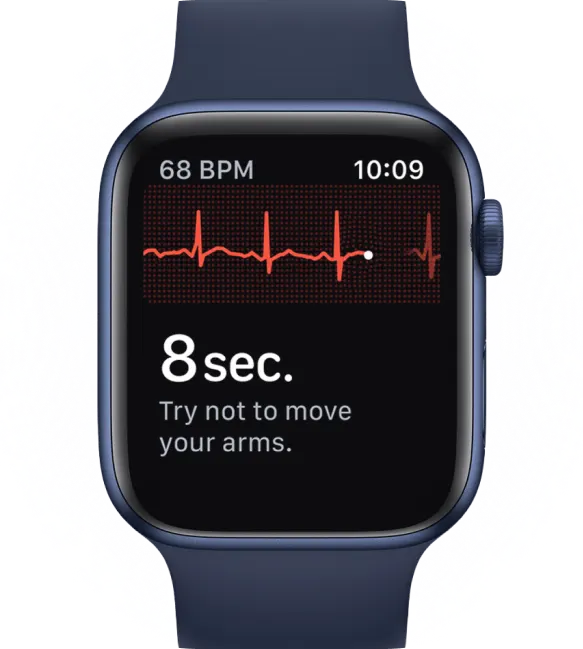
At-home ECG monitoring is now incredibly simple thanks to personal devices like the Apple Watch, Fitbit, or KardiaMobile. These aren't just gadgets; they're powerful tools that let you capture your heart's electrical activity the very moment you feel a palpitation. Finally, you can catch those fleeting events and see exactly what your heart rhythm is doing.
Turning Data into Answers
Recording an ECG is a fantastic first step, but let's be honest, those squiggly lines can be pretty confusing on their own. This is where a service like Qaly comes in. The Qaly app takes the ECGs from your watch or other device and sends them straight to certified cardiac technicians who are ready to help, 24/7.
Within minutes, you get a human-reviewed analysis of your heart rhythm. It transforms a confusing graph into a clear insight from a trained expert, offering clarity and peace of mind. For more on this, check out our guide on how to check heart health at home.
By tracking these events, you start to build a personal health story. You can see patterns and connect the dots between a piece of chocolate and a heart flutter, helping you identify your own triggers.
This process helps you learn the difference between a harmless skip and a rhythm that might warrant a chat with your doctor.
From Monitoring to Understanding
For the 10 to 20% of people prone to palpitations from stimulants, even a small amount of chocolate during times of stress or hormonal change can make that fluttery feeling more noticeable. If you use your Apple Watch or KardiaMobile to capture these moments, an analysis service like Qaly lets technicians spot rhythms like sinus tachycardia or PVCs. This is how you can figure out if chocolate truly causes heart palpitations for you and then share professional reports with your doctor.
Your Path Forward to Peace of Mind
So, we've untangled the connection and found that the answer to "can chocolate cause heart palpitations?" is a definite yes for some people. But that doesn't mean your journey ends here, or that you have to banish chocolate from your life forever.
For many, a little chocolate in moderation is perfectly fine and can even be a healthy treat. The most important thing is learning to listen to your body and pinpoint your personal triggers. It’s all about shifting from a place of uncertainty to one of confidence.
From Worrier to Active Participant
This is where you go from being a passive worrier to an active participant in your own health. And honestly, this simple change makes all the difference, especially when you feel like you have to be your own biggest advocate.
Using tools like a wearable ECG, paired with an expert analysis service like Qaly, empowers you with real answers. When you feel a palpitation, you can get clarity instead of anxiety. This proactive approach also transforms your conversations with your doctor, you can show them specific data, not just describe a vague feeling. For more on managing these sensations, check out our guide on how to stop heart palpitations with our top relief tips.
Your heart health is a deeply personal journey, and there is no one-size-fits-all answer when it comes to diet. The goal is not to eliminate everything you enjoy but to understand how things affect you personally.
Ultimately, taking control leads to better health outcomes and, just as importantly, peace of mind. You now have the knowledge and the tools to navigate your health with confidence, making informed choices that are right for you and your body.
Your Top Questions About Chocolate and Heart Palpitations
To wrap things up, let's tackle some of the most common questions people have when trying to figure out the connection between that delicious piece of chocolate and that unnerving flutter in their chest.
Is Dark Chocolate More Likely to Cause Palpitations?
Yes, it often is. The reason is simple: dark chocolate has a much higher concentration of cocoa solids. And more cocoa means more of the stimulants caffeine and theobromine.
A chocolate bar with 70% cocoa or more can pack two to three times the stimulants of a standard milk chocolate bar. If you’re sensitive to these compounds, you're much more likely to notice that fluttery feeling after indulging in darker varieties.
How Do I Know if Palpitations Are From Chocolate or Something More Serious?
This is the question that worries most people, and it’s a very valid concern. Palpitations triggered by chocolate are usually mild and don't last long. They tend to pop up shortly after you've eaten it and might feel like a quick flutter, a skipped beat, or a brief racing sensation that fades away.
But if your palpitations come with other symptoms like dizziness, chest pain, shortness of breath, or feeling like you might faint, it's time to seek medical attention right away. The same goes for any sensation that feels chaotic, lasts for a long time, or is uncomfortably fast.
The stimulants in dark chocolate, like its 12 to 20 mg of caffeine and 150 to 250 mg of theobromine per ounce, can certainly get your heart rate up. For most, this is just a heightened awareness of their own heartbeat, not a dangerous arrhythmia. You can dive deeper into the science behind these effects if you're curious.
The single best thing you can do when you feel a palpitation is capture it. Using a wearable ECG like an Apple Watch or KardiaMobile gives your doctor invaluable information, turning a vague description into concrete data they can actually use.
Do I Have to Give Up Chocolate Completely?
Probably not! It’s reassuring to know that for most people, the answer isn't total elimination, it's moderation. You might discover you can handle a small square of milk chocolate just fine, while dark chocolate is a consistent trigger for you.
Keep in mind that your sensitivity can also change day to day, depending on factors like how much sleep you got, your stress levels, or what else you've eaten. The best approach is to become a detective of your own body. Try a smaller piece, switch to a lower cocoa percentage, and just pay close attention to how you feel.

Wondering if it's an irregular heartbeat? On the Qaly app, human experts will interpret your ECGs for PAC, PVC, and PJC within minutes. Get started today.



.png)
.png)