


Key Takeaways

User Profile
Hello Heart Hero. It feels strange, doesn't it? You sit down to find peace, but your heart starts fluttering or racing. You're not alone, and this experience is often just a sign of your body adjusting, not a red flag.
Why Your Heart Flutters During Meditation

It seems like a total paradox. You start meditating to calm your mind, only for your heart to kick off a frantic rhythm of its own. This can feel unsettling, especially if you came to meditation to deal with stress or anxiety in the first place.
We get how confusing and even scary this can be. It’s a much more common experience than you might think. Many people feel that first flutter and immediately wonder if they’re doing something wrong or if a medical issue is lurking.
The truth is, these sensations often point to something positive happening inside your body. Experiencing meditation heart palpitations is frequently a sign that you’re becoming more in tune with your body's signals, not that your heart is in trouble.
Heightened Awareness and Your Heartbeat
Think of your body as a bustling city and your mind as being constantly stuck in the noisy traffic of daily thoughts. When you meditate, you're essentially turning down the volume on all that chaos. For what might be the first time, you start hearing the subtle, background sounds of the city, like the quiet, steady rhythm of your own heartbeat.
This heightened awareness means you're simply noticing the normal, everyday work your heart does. The flutters and skipped beats you feel might have been there all along, just drowned out by all the mental noise.
This new level of internal focus can be surprising. You’re not used to paying such close attention to your heart’s rhythm, so every little hiccup can feel magnified and alarming.
The Nervous System's Shift
Another key piece of the puzzle is how your nervous system adjusts. Meditation works to guide your body out of a state of stress (the "fight or flight" response) and into a state of rest and recovery. But this transition isn't always a perfectly smooth ride.
As your body shifts gears, it can sometimes "lurch" a bit, causing temporary changes in your heart rate. This is especially true if you live with chronic stress or anxiety, since your nervous system is more accustomed to being on high alert.
The link between anxiety and palpitations is a strong one. You can learn more about how anxiety can cause heart palpitations in our detailed guide. Understanding this connection can help you see that what you're feeling is often just a normal part of the journey toward inner peace.
The Link Between a Quiet Mind and a Racing Heart
It seems counterintuitive, doesn't it? You sit down to quiet your mind, but suddenly your heart is pounding. Let's get into the surprising connection between stillness and a racing heart.
Think of your nervous system as having two main gears. There’s the “fight-or-flight” system, which is your body’s built-in alarm, readying you for action. Then there's the “rest-and-digest” system, the crew that brings calm and promotes relaxation.
The whole point of meditation is to shift from that high-alert gear into the calm-down gear. But just like a manual car, that shift isn't always smooth. Sometimes, the transition can feel a bit clunky, and your body might sputter a bit as it changes gears.
The Hyper-Awareness Feedback Loop
For a lot of people, especially if you're already prone to anxiety, the simple act of sitting in silence and turning your attention inward is a totally new experience. As you start focusing on your body or your breath, you might suddenly tune into every single beat, flutter, and pause of your heart for the first time.
This intense, newfound focus can be misinterpreted by your brain. It might start asking, "Why are we paying so much attention to the heart all of a sudden? Is something wrong here?" That thought alone is often enough to send a little jolt of anxiety through your system, which in turn tells your heart to beat a little faster or harder.
You’ve just stumbled into the meditation palpitation feedback loop: you notice your heart, you get anxious about what you’re feeling, and your heart responds directly to that anxiety by beating faster or more forcefully. It’s a classic case where the tool for calm, quiet focus, briefly becomes a source of stress.
This doesn't mean meditation isn't working or that it's bad for you. It's simply a sign that your nervous system is adjusting to a new skill. You're becoming more in tune with your body’s internal landscape, even if that first introduction feels a bit bumpy.
Your Heart on High Alert
Here's another way to look at it: your nervous system might be used to running on high alert for a long, long time. It’s constantly scanning your environment for potential threats. When you start to meditate, you take away all the outside noise and distractions. So, where does that vigilant nervous system turn? Inward.
Your heartbeat becomes the loudest, most obvious signal for it to lock onto. It’s looking for something to monitor, and your heart is right there.
The good news is that this response is usually temporary. As your body gets more and more comfortable with stillness, your nervous system starts to learn that paying attention to your heart isn't an alarm bell, it's just an observation. This process is key to improving your body's ability to self-regulate, a major benefit you'll unlock as you stick with your practice.
In fact, a consistent meditation practice can actually improve your heart's resilience to stress over time. To dig deeper into this, you can learn more about heart rate variability and its link to your health. This metric is a fantastic way to see how well your heart adapts to all of life's ups and downs.
How Meditation Helps Reduce Palpitations Long-Term
It's completely understandable to feel a little defeated if starting meditation has suddenly made you more aware of your heart palpitations. But here’s the good news: even with those initial flutters, a gentle and consistent meditation practice is one of the best long-term tools you have to actually reduce them.
Think of it like training a muscle, but for your nervous system. Each time you sit down and gently guide your body toward a state of calm, you're strengthening your "rest-and-digest" response. This is the part of your nervous system that hits the brakes, slowing your heart down and bringing a sense of peace.
Over time, this regular practice builds a kind of resilience. Your nervous system becomes less jumpy and gets much better at handling stress without sounding your heart's internal alarm bells.
Building a Stronger, Calmer Heart
One of the biggest wins from long-term meditation is an improvement in heart rate variability (HRV). HRV simply measures the tiny, natural variations in time between each of your heartbeats. A higher HRV is a fantastic sign. It means you have a healthy, adaptable heart that can shift between stress and relaxation with ease.
When you meditate consistently, you're helping improve your HRV. This essentially makes your heart more flexible and far less reactive to the things that might normally trigger a palpitation. You'll probably also notice your resting heart rate getting lower, which means your heart doesn't have to work quite so hard just to get you through the day.
This cycle, where you notice your heart, get anxious about it, and cause even more palpitations, is exactly what long-term meditation helps you dismantle. It teaches your brain not to overreact to the sensation.
The Science of a Calmer Pulse
The powerful effects of meditation on heart health aren't just wishful thinking; they’re backed by solid science. Take a 2020 study on Chan meditation, for example. Researchers found that after just a single session, participants' average heart rate dropped from 76 to 70 beats per minute.
Even more impressive was the change in their HRV age, which is a way of measuring nervous system health. It improved from an average of 46.1 years all the way down to 33.6 years. In other words, their hearts started functioning like those of people much younger. You can dig into the full study on how meditation impacts heart health yourself.
This shows that meditation isn't just a mental game. It creates real, measurable physiological changes that lead to a calmer, more stable heartbeat over the long haul.
By sticking with a gentle practice, you can transform your relationship with your heart from one of anxious monitoring to one of peaceful partnership. While meditation is a fantastic primary tool, you might also explore complementary practices, like using healing crystals for emotional wellness and the heart, to support your journey. The real goal is to build a personal toolkit that nurtures both your mind and your body.
Adjusting Your Practice for a Calmer Heartbeat

If you’ve felt your heart flutter or pound during meditation, your instinct might be to stop completely. But it doesn't have to be that way. Experiencing meditation heart palpitations often just means your current approach isn't the right fit, and a few simple adjustments can make all the difference.
Think of it not as forcing calm, but as creating the right conditions for it to arise naturally. You're in the driver's seat of your practice. Let’s walk through some practical changes you can make to create a more soothing experience for both your heart and mind.
Choose a Gentler Style of Meditation
Not all meditation techniques are created equal. Some practices, particularly those that require intense, narrow focus on the breath, can sometimes amplify anxiety instead of reducing it. If that sounds familiar, it might be time to explore a gentler style.
- Body Scan Meditation: This practice guides you to bring a soft, curious attention to different parts of your body, moving from your toes all the way to your head. It diffuses your focus, which can feel much less intense than zeroing in on a racing heartbeat.
- Loving-Kindness Meditation: Here, the focus shifts to generating feelings of warmth and compassion, sending well-wishes to yourself and then to others. This can be incredibly soothing for an overstimulated nervous system, turning the focus outward rather than inward.
Soften Your Focus on the Breath
If you enjoy breath-focused meditation but find it triggers anxiety, you don’t have to abandon it. The key is to change how you pay attention. Instead of concentrating intensely on every single inhale and exhale, try letting your breath be like soft background music. Notice it's there, but don't make it the star of the show.
You can also experiment with your breathing pace. A slower, more rhythmic breath is a powerful signal of safety to your body. Some structured breathing techniques, like those found in guides such as Mastering 6 Breaths Per Minute for Pain, Sleep, and Calm, can offer a framework for regulating your nervous system.
The goal is to let go of any sense of “striving” or trying to breathe perfectly. Your only job is to be gently aware. This shift from controlling to noticing can make all the difference.
Modify Your Environment and Duration
Sometimes the most effective changes are the simplest ones. When your body is feeling sensitive, the physical details of where and how you meditate matter more than you might think.
Here are a few adjustments to consider:
- Change Your Position: Sitting bolt upright can feel formal and even a bit rigid. Try meditating while lying down or reclined in a comfortable chair. Giving your body more physical support can help it relax right from the start.
- Start with Shorter Sessions: You don't need a 30-minute session to see benefits. Begin with just 5-10 minutes. A short, peaceful practice is far more valuable than a long one filled with stress.
- Reduce Other Stimulants: Things like caffeine can make anyone’s heart more prone to palpitations, whether you're meditating or not. It might be interesting to read up on the impact of coffee on your heart in our related article to see how it all connects.
By making these small, intentional tweaks, you're learning to listen to your body. You're building a practice that truly supports you, giving your system exactly what it needs to find stillness and peace.


When to Listen to Your Heart and Talk to a Doctor
Most of the time, feeling your heart flutter during meditation is just your body getting used to the practice. But your peace of mind is the top priority. Knowing when to get a professional opinion isn't about creating alarm. It's about giving you the power to take charge of your own health.
It's completely normal to feel a bit skeptical about the traditional healthcare system. Still, getting a check-up can be a powerful act of self-care. Think of it as simply gathering information so you can make the best, most confident decisions for your heart and your meditation practice.
Signs That Warrant a Conversation
Meditation is all about listening to your body, but some signals are too important to ignore. It’s a good idea to chat with a doctor if your palpitations show up with other symptoms.
Consider seeking a medical opinion if you experience:
- Significant dizziness or feeling like you might faint
- Chest pain or discomfort
- Noticeable shortness of breath that isn't just from your breathing exercises
- A feeling that your heart is beating chaotically or far too quickly
It's also smart to get checked out if the palpitations last for a long time or happen frequently, even when you're not meditating.
Getting a professional opinion can help rule out other potential causes for your palpitations. This confirmation often provides the exact peace of mind you need to return to your practice without fear.
Ultimately, meditation is proven to have incredible long-term benefits for your heart. Researchers have found that people who meditate regularly can dramatically lower their cardiovascular risks. One major study found that after 5.4 years, meditators had a 48% lower risk of heart attack, stroke, or death. This is because meditation helps lower key stress markers like cortisol and adrenaline. You can learn more about meditation's heart benefits from Harvard experts.
Knowing when to trust the process and when to seek support is a skill in itself. Always trust your gut. If your heart is telling you something feels off, listening is the wisest form of self-care there is.
Using Your Wearable ECG to Find Peace of Mind

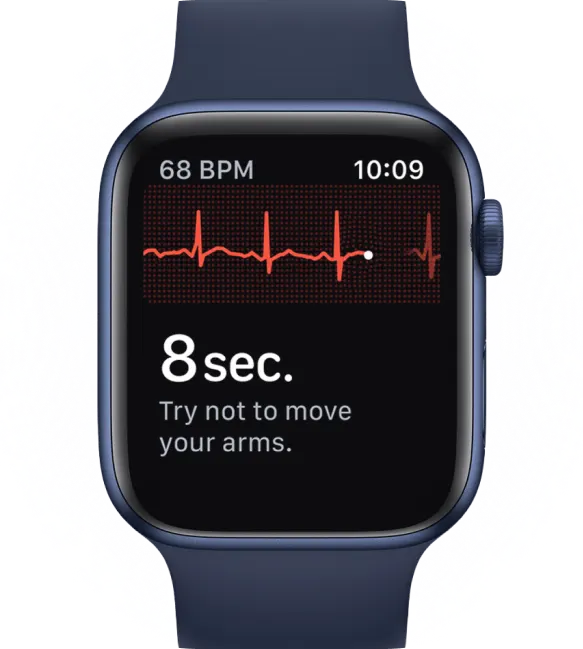
It’s a frustrating spot to be in: you’re trying to find your calm, but your heart feels like it’s doing anything but. This is where the wearable on your wrist, whether it's an Apple Watch, Fitbit, or Kardia, can shift from being a source of anxiety to a genuine tool for peace of mind.
Instead of just worrying about what that flutter or thump might mean, you can start gathering real data. This puts you back in the driver's seat, giving you tangible proof of how your meditation practice is actually affecting your heart.
A Simple Method for Tracking Progress
Getting started with this is surprisingly straightforward. Think of it as creating a personal "before-and-after" snapshot of your heart's activity around your meditation sessions.
Here’s a simple way to do it:
- Record a Baseline ECG: Before you start meditating, take a moment to sit quietly and record an ECG with your watch.
- Meditate as Usual: Go through your practice, focusing on the techniques we've talked about.
- Record a Post-Meditation ECG: A few minutes after you’ve finished and feel settled, take another ECG recording.
By doing this regularly, you’ll start to build a picture of your progress. Over time, you might see your resting heart rate trending down or notice your heart rhythm becoming more stable and regular after each session.
This simple act of tracking turns your wearable from an anxiety-trigger into an instrument of empowerment. It provides you with clear, objective feedback that your efforts are making a real, positive difference.
Making Sense of the Data
Of course, collecting ECGs is one thing; understanding what they’re showing you is another. While you might spot the occasional ectopic beat or harmless flutter, the goal is to also see the positive changes. This is where a service like Qaly can be an invaluable partner on your journey.
You can share your pre- and post-meditation ECGs to have them analyzed by a certified human expert. They can give you clear insights, helping you understand not just the occasional meditation heart palpitations, but also the bigger picture of improvement in your heart’s rhythm. You can learn more about how to identify different kinds of ectopic beats on your Apple Watch ECG here.
The science backs this up. Research shows meditation can have a powerful effect on heart rhythms. One study, for example, found that during meditation, not only did the average heart rate decrease, but the pattern of beats shifted from irregular to smooth and steady. Just 10 minutes of daily Heart Rhythm Meditation was linked to a 5.69 ms rise in RMSSD, a key indicator of better heart health. Discover more insights about these meditation findings. Seeing this kind of data in your own recordings can build the confidence you need to stick with your practice and find that lasting sense of calm.
Your Questions About Meditation and Your Heart, Answered
As you start exploring meditation to manage your heart palpitations, it's natural for questions to pop up. This path is unique to you, and getting clear answers can give you the confidence to keep going. Let's tackle some of the most common questions we hear.
Can Meditation Stop My Palpitations Completely?
Meditation is an incredibly powerful practice for calming palpitations, especially when they're triggered by stress or anxiety. However, it's not a silver bullet for palpitations that stem from an underlying medical condition.
Meditation's real power lies in its ability to retrain your nervous system to be less reactive. Over time, this can make a huge difference in how often you experience stress-induced episodes.
It's less of a "cure" and more about building your heart's resilience for the long haul. With consistent practice, you're teaching your body not to overreact to triggers, which often means fewer and less intense meditation heart palpitations down the road.
How Long Until I See a Difference in My Heart Rate?
This is one of those "it depends" answers, because everyone's body responds differently. While some people feel calmer after their very first session, creating lasting, measurable change in your heart rate and rhythm all comes down to consistency.
Most research points to several weeks of daily practice to see significant, lasting benefits. The key is to start small, even just 5-10 minutes a day, and be patient. Your body will find its own rhythm.
Should I Meditate With My Eyes Open or Closed?
Honestly, you should do whatever makes you feel the safest and most comfortable. There's no right or wrong here.
If closing your eyes makes you turn your focus inward and become more anxious about your heartbeat, then try meditating with your eyes softly open. You can just rest a gentle, unfocused gaze on the floor a few feet ahead of you. The goal is to feel at ease, so don't be afraid to experiment and find what works for you.

For a deeper, human-reviewed look at what your heart is doing before and after meditation, see how your ECGs can tell a story of progress with Qaly.



.png)
.png)