





Key Takeaways

User Profile
Hello, heart hero. We understand that starting a new heart medication can bring up a lot of questions and maybe a little uncertainty. Taking nadolol is a proactive step for your health, and this guide is here to walk with you through it. Think of this as a simple, clear conversation about the nadolol beta blocker, where we'll skip the confusing medical jargon.

Understanding Nadolol and Your Heart Health
Let's start with the basics: what nadolol is and how it gently helps your heart, especially for conditions like high blood pressure or angina. Our goal here is to make everything as clear as possible so you feel confident and informed on your treatment journey.
Taking control of your heart health is a big deal, and knowing your medications is a key part of that. Nadolol is what's known as a non-selective beta blocker. That might sound technical, but the idea behind it is pretty straightforward.
Imagine your heart is like an engine that can get revved up by stress hormones, particularly adrenaline. Nadolol works like a cruise control for that engine, helping it run more smoothly and efficiently without working so hard.
What Does Nadolol Do?
By blocking the effects of that adrenaline rush, nadolol helps your heart in a few important ways. It allows your heart to beat a bit slower and with less force, which brings some major benefits to your cardiovascular system.
This calming effect is especially useful for a couple of key things:
- Lowering High Blood Pressure: By easing the force of each heartbeat and helping blood vessels relax, nadolol makes it easier for blood to flow throughout your body. This helps bring your blood pressure numbers down into a healthier range.
- Preventing Angina: Angina, which feels like chest pain, often happens when the heart isn't getting all the oxygen it needs. By slowing things down, nadolol reduces the heart's demand for oxygen, which helps prevent those painful episodes from happening.
This gentle, steadying action is the core of how a nadolol beta blocker works. It’s not about shocking the system but rather about creating a more stable and less strained environment for your heart to do its job.
Effectively managing your heart's workload is a cornerstone of long-term health, helping reduce the risk of more serious issues down the road.
How Nadolol Works to Calm Your Heart
Let's break down what nadolol, a beta blocker, is actually doing inside your body. It helps to think of your heart as a powerful, hardworking engine. Sometimes, especially when you're stressed or anxious, certain hormones can push this engine to run too fast and work too hard, which puts a lot of strain on it over time.

The main stress hormone we're talking about here is adrenaline. When your body releases it, it's basically shouting orders at your heart to pump faster and with more force. This is where nadolol steps in, acting like a gatekeeper to manage these signals.
Blocking Stress Signals
Nadolol belongs to a class of medications called non-selective beta blockers. This fancy term just means it blocks specific landing spots, known as beta receptors, that are found in your heart and other parts of your body. When adrenaline tries to connect with these receptors to rev things up, nadolol is already there, blocking the message from getting through.
By dialing back these intense signals, nadolol brings a sense of calm to your cardiovascular system. This has two major benefits for your heart:
- Slower Heart Rate: Your heart starts to beat more slowly and steadily.
- Reduced Pumping Force: Each pump of the heart is less forceful, which eases the pressure on your heart muscle and arteries.
Think of it like turning down the volume on a speaker that's blasting too loudly. Nadolol doesn’t shut the music off entirely; it just brings the intensity down to a more comfortable and sustainable level.
This simple, steadying action is incredibly effective. It helps lower your overall blood pressure and takes a significant load off your heart's daily workload. This makes it easier for that vital engine to do its job without all the unnecessary strain. It's a key concept in understanding how beta blockers affect your heart and ECG.
The end result is a cardiovascular system that's more stable and less stressed. This calming effect isn't just about managing symptoms in the moment. It's about supporting your long-term heart health and giving you a foundation of stability you can count on.


Understanding Your Nadolol Dosage and Uses
The first step toward feeling in control of your health is knowing exactly why your doctor has prescribed a medication like nadolol. Most often, it's used to manage two key conditions that affect the heart: high blood pressure (hypertension) and chest pain, also known as angina.
When you understand the purpose behind your treatment, you can have much better conversations with your doctor and feel more confident in the path you're on.
Common Reasons for Taking Nadolol
While hypertension and angina are the main reasons you might be prescribed this nadolol beta blocker, its calming effect on the heart and blood vessels makes it a solid choice for other conditions, too. Your doctor might also consider it for:
- Migraine Prevention: For some, nadolol can be a game-changer, helping to reduce how often and how severely migraine headaches strike.
- Managing Tremors: It can help bring a sense of steadiness to essential tremors, which are those involuntary shaking movements that can be so disruptive.
- Arrhythmia Control: In certain situations, nadolol helps manage irregular heart rhythms by keeping the heart rate slow and steady.
These are what doctors call “off-label” uses. It simply means the medication has been found to be effective for conditions other than what it was originally approved for, based on solid clinical evidence and experience.
Your doctor’s approach to dosage is typically a “start low, go slow” method. This isn't a sign of uncertainty; it's a careful, personalized strategy to find the exact amount that works best for your body.
Starting with a low dose gives your system a chance to adjust to the medication gently. This is a smart way to minimize potential side effects while still working toward the health goal. Your doctor will then gradually increase the dose if needed, keeping a close eye on how you're responding. For instance, a common starting dose for high blood pressure is 40 mg once a day, which might be adjusted over time.
How You'll Know It's Working
The signs that nadolol is doing its job really depend on why you're taking it. If it's for high blood pressure, you won't necessarily "feel" a difference from one day to the next. The real proof is in the numbers. Your blood pressure readings should start to come down into a healthier range over a couple of weeks.
If you're taking nadolol for angina, the change should be more noticeable. You'll likely experience fewer episodes of chest pain, particularly when you're active. The whole point is to improve your quality of life, letting you do more without discomfort.
Navigating Side Effects and Drug Interactions
Starting a new medication can feel a little uncertain. It's totally normal to wonder how your body will react, and being prepared is the best way to feel in control. Most people find that the nadolol beta blocker is very manageable, but let’s walk through what you might experience so nothing catches you by surprise.
Many of the most common side effects are actually signs that nadolol is doing its job. It's slowing down your heart rate and easing its workload. You might feel more tired than usual, especially when you first start. Some people also notice a bit of dizziness, particularly when standing up too quickly, or find that their hands and feet feel colder than normal. These feelings often fade as your body gets used to its new, calmer rhythm.
Common and Serious Side Effects
While mild side effects are pretty common, it's just as important to know which signs need a closer look. The key is to listen to your body.
Here’s a simple breakdown of what to watch for:
- Common Sensations: This group includes things like fatigue, a slower-than-usual pulse, or feeling a bit lightheaded. Simple tricks, like getting up slowly from a chair, can make a big difference in managing these day-to-day.
- Signs to Report to Your Doctor: If you experience persistent dizziness, extreme fatigue that just won’t quit, sudden weight gain, or swelling in your legs and ankles, it’s time to check in with your healthcare provider. These could be clues that your dose needs a tweak.
- When to Seek Urgent Care: Difficulty breathing, wheezing, or significant chest tightness are not typical side effects and require immediate medical attention. These are rare, but it's crucial to recognize them right away.
Understanding Drug Interactions
Nadolol can also interact with other medications, even some you can buy right off the shelf. This is why it’s so important to give your doctor a complete list of everything you take, from daily supplements to the occasional over-the-counter cold medicine.
Certain drugs, like other blood pressure medications, some anti-inflammatories (like ibuprofen), or even certain allergy medications, can change how nadolol works. Being open with your doctor ensures they can create the safest and most effective plan for you.
Our deep understanding of nadolol’s safety and potential interactions comes from rigorous clinical trial data analysis. This kind of research is what helps create the guidelines that keep you safe. Many beta blockers share similar side effect profiles; you can learn more about what to expect by reading our guide on Metoprolol beta blocker side effects. Staying informed makes you a true partner in your own healthcare journey.
Monitoring Your Heart's Rhythm on Nadolol
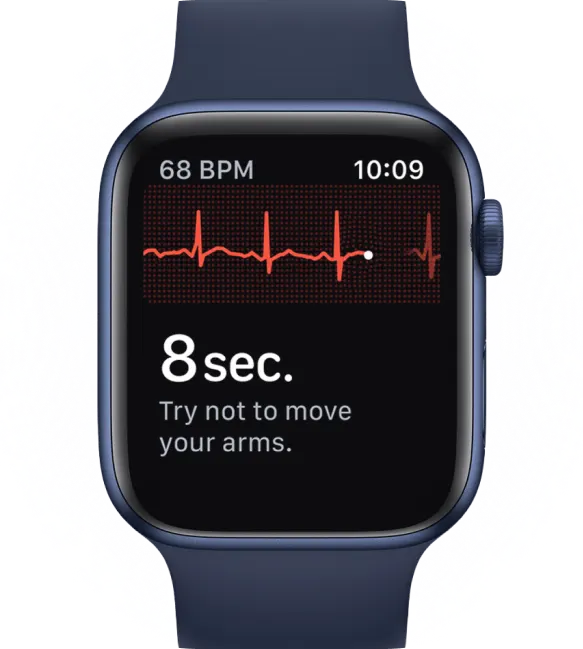
If you use a wearable ECG at home, it’s completely normal to wonder how a new medication might affect your readings. When you start taking a nadolol beta blocker, you'll likely see some changes, and understanding them can bring a lot of peace of mind.
These shifts are usually a sign the medicine is doing exactly what it's supposed to do.
Nadolol's main job is to slow your heart rate down, which eases your heart's overall workload. On an ECG, this often shows up as a slightly longer PR interval. This interval is simply the time it takes for an electrical signal to get from the top chambers of your heart (the atria) to the bottom ones (the ventricles). Seeing a small increase here is expected and perfectly normal.
What to Look for on Your Home ECG
While a longer PR interval is typical, you might also wonder about other parts of your ECG, like the QTc interval. The good news is that nadolol generally doesn't have a major impact on the QTc. Still, keeping an eye on it can provide an extra layer of reassurance.

This is where checking your own ECG becomes so powerful. You're not looking for trouble; you're confirming that your heart is responding to the medication in a safe and healthy way. If you want to learn more about this, our guide on what is cardiac monitoring is a great place to start.
Monitoring your ECG isn’t about looking for problems; it’s about confirming that your treatment is on track. Seeing these expected changes can help you feel more connected to your health journey and confident in your medication plan.
This is also where a service that provides expert ECG analysis can make a real difference. Having a professional look over your readings helps distinguish between a normal, medication-related change and something that might need your doctor's attention. That human touch turns confusing data into clear, actionable insight, giving you the confidence you need while on nadolol.
Common Questions About Taking Nadolol
When you start a new medication like the nadolol beta blocker, it’s natural to have questions. Let's walk through some of the most common ones we see, so you can feel clear and confident about managing your heart health.
Can I Stop Taking Nadolol Suddenly?
This is a big one, and the answer is a firm no. You should never stop taking nadolol cold turkey. Suddenly stopping can trigger a rebound effect, potentially causing a sharp, dangerous spike in your heart rate and blood pressure.
Think of it this way: your body gets used to the medication helping to manage your heart's workload. If you and your doctor decide it's time to stop, they'll set up a plan to taper your dose down slowly. This gradual reduction, usually over one to two weeks, lets your body adjust safely without a shock to your system.
Always talk to your healthcare provider before changing anything about your medication. Your safety is the priority, and a guided taper is the only safe way to come off nadolol.
What Should I Do If I Miss a Dose?
Forgetting a dose happens to the best of us. If you realize you've missed your nadolol, the general advice is to take it as soon as you remember.
But, if it's already getting close to the time for your next dose, it's better to just skip the missed one entirely and get back on your regular schedule. Do not take a double dose to catch up. Taking too much at once can cause your heart rate and blood pressure to drop too low, leaving you feeling dizzy or even causing you to faint.
Consistency is really the key with beta blockers, so using a daily alarm or a pill organizer can make a world of difference in staying on track.
How Long Does It Take for Nadolol to Work?
You might start to feel some of the initial effects, like a slightly slower heart rate, within just a few hours of your first dose. That's a good sign the nadolol beta blocker is getting to work.
However, to see the full benefit, especially for lowering blood pressure, it can take a bit more time. It often takes up to two weeks of consistent daily use for the medication to reach its full effect in your system. For other conditions like angina, you might notice relief from chest pain even sooner.
Patience is key here. Your doctor will be checking in on your progress during follow-up appointments to make sure the dose is right for you.
Can I Drink Alcohol While Taking Nadolol?
It’s best to be cautious here. The common recommendation is to either limit or avoid alcohol while you're taking nadolol. Alcohol can intensify the medication's blood-pressure-lowering effects.
This combination can make side effects like dizziness, lightheadedness, or fatigue feel much stronger, increasing your risk of falls. If you do decide to have a drink, do so in moderation and pay close attention to how you feel.
The safest move is always to have an open chat with your doctor about drinking. They can give you advice that's specific to your health and treatment plan.

With the Qaly, you can get your wearable ECGs reviewed by certified experts in minutes, any time of day.



.png)
.png)