


Key Takeaways

User Profile
Hello Heart Hero. Taking control of your health by looking for clear, honest information is a powerful first step, especially when you're starting a new medication. When it comes to Ozempic, you've probably heard about the common digestive issues like nausea and diarrhea, but what about the less-discussed topics, like heart palpitations? Those are a valid concern, too.
Understanding Ozempic Side Effects for Women
Think of this as your trusted guide for your journey with Ozempic. We know that finding straightforward answers about your health isn't always easy, especially when you feel like your concerns aren't being fully heard. This guide was created to be that resource for you, offering an empathetic and direct look at Ozempic side effects, specifically for women.
Our goal is to arm you with knowledge. We want you to feel reassured about what's happening in your body and confident in knowing when it's time to ask for more support. Understanding the "why" behind these reactions can help you feel much more in control of your treatment and your overall well-being.
Why Do Women Experience Side Effects Differently?
You're not imagining it; your experience with a medication can be completely different from a man's. Women often report more frequent gastrointestinal symptoms like nausea, vomiting, and diarrhea. This isn't just a coincidence, it often comes down to biology.
Hormonal fluctuations, differences in body composition, and even how quickly our stomachs empty can all play a big role in how a medication is processed. This guide will explore these differences to help validate what you might be feeling. Understanding this context is the first step toward managing your experience effectively.
Ozempic belongs to a class of medications called GLP-1 agonists, and learning a bit more about how they work can give you a wider perspective.
We want you to feel seen and heard. Recognizing that your body may react differently is crucial. This guide is designed to provide clarity, not alarm, and to support you in having more informed conversations with your healthcare provider.


From Digestive Issues to Heart Health
While most of the conversation around Ozempic focuses on digestion and weight management, it’s just as important to address other potential side effects. For instance, some women experience sensations like a racing or fluttering heart, which can be pretty unsettling.
We will cover the full spectrum of potential ozempic side effects in females, including:
- Common Digestive Discomfort: Why it happens and strategies to help manage it.
- Heart Palpitations: Exploring the connection between Ozempic and changes in heart rate.
- Female-Specific Concerns: How the medication can impact menstrual cycles and fertility.
- Actionable Monitoring: How to track your symptoms and gather useful data for your doctor.
Navigating heart-related symptoms can be particularly stressful, and it's essential to remember that women can experience heart issues differently than men. Being aware of the signs of heart problems in women provides foundational knowledge that every woman should have, regardless of the medications she is taking. This guide will help you understand what's normal and when to pay closer attention, putting the power back in your hands.
Why Women May Experience More Ozempic Side Effects
If you’ve ever felt like medications just hit you differently, or wondered if your side effects are more intense than what other people describe, you're not imagining things. When it comes to Ozempic, many women report that gastrointestinal issues like nausea, vomiting, and diarrhea feel especially rough. It's a common experience, and there are real biological reasons behind it.
Understanding these differences isn’t about causing alarm. It’s about arming you with knowledge about your own body, so you can feel validated in your experience and better equipped to manage it.
The Role of Hormones and Biology
One of the biggest players here is hormones, specifically, estrogen and progesterone. These powerful messengers do a lot more than just run your menstrual cycle; they have a hand in nearly every system in your body, including your digestive tract.
Hormone fluctuations can change how quickly food moves through your gut, a process called gastric motility. Ozempic’s job is to slow this process down to make you feel full longer. For women, whose baseline motility already ebbs and flows with hormonal shifts, this extra slowdown can pack a bigger punch, leading to more intense nausea or bloating.
On top of that, hormones can also affect gut sensitivity. This means the nerves in your digestive system might just be more reactive to the changes Ozempic brings, making any discomfort feel amplified. It's a huge reason why the exact same dose can feel completely different from one person to the next.
Pre-existing Conditions and Increased Sensitivity
Another piece of the puzzle is that women are simply diagnosed with certain GI conditions more often than men. Irritable Bowel Syndrome (IBS), for example, is far more common in women.
If you’re starting with an already sensitive digestive system or a condition like IBS, adding a GLP-1 medication that directly targets gut function can sometimes stir things up. Your body's starting point really matters, and a system prone to sensitivity might naturally have a stronger reaction.
The data backs this up. Research consistently shows women on GLP-1 drugs like Ozempic report gastrointestinal side effects at much higher rates than men. One analysis found that women experience nausea and vomiting at 2.5 times the rate of men. You can dig into the specific data behind Ozempic side effects in females to see just how significant this gender difference is.
Your experience is real and backed by data. Acknowledging that your body is biologically wired to react differently is the first step toward finding effective management strategies and having more productive conversations with your doctor.
Body Composition and Medication Dosing
Finally, basic differences in body composition between men and women can play a part. Things like body fat percentage, water content, and even metabolic rate all influence how a drug is absorbed, distributed, and processed in the body.
Standard dosing doesn't always account for these subtle but important physiological differences. This can mean that women may end up with a stronger concentration of the drug relative to their body, which could dial up the intensity of side effects. This also connects to conditions like thyroid disorders, which are more common in women and can impact metabolism. Getting a clearer picture of the link between thyroid disorders and your heart can help you understand your overall health more completely.
Connecting Ozempic to Heart Palpitations
Have you noticed your heart doing something a little... different since starting Ozempic? A sudden flutter, a racing feeling, or the strange sensation of a skipped beat can be really unsettling, especially if it's new to you. You're not alone in feeling this way, and it's a topic worth exploring calmly.
Let's connect the dots. It's a known side effect that GLP-1 medications like Ozempic can sometimes cause a slight increase in resting heart rate. For some women, this change is more noticeable and can show up as palpitations.
This doesn't automatically signal a problem, but it's absolutely something to pay attention to. The key is to understand what's happening in your body without jumping to worst-case scenarios.
Direct and Indirect Causes of Palpitations
The link isn't always a straight line from the injection to your heart. Ozempic can create a few different situations that might lead to palpitations, some more direct than others.
The medication itself directly stimulates GLP-1 receptors, which are found not just in your gut but also in your heart. This stimulation can bump up your heart rate by a few beats per minute. While often minor, this change can be enough for sensitive individuals to feel it as a flutter or a racing sensation.
But there are also indirect causes to think about, which often tie back to the more common gastrointestinal side effects.
The Role of Dehydration and Electrolytes
If you're dealing with vomiting or diarrhea, two of the most common ozempic side effects in females, you can become dehydrated very quickly. Dehydration is a major trigger for heart palpitations.
When your body loses fluids, it also loses critical electrolytes like potassium and magnesium. These minerals are essential for keeping your heartbeat steady and regular. You can think of them as the electrical conductors for your heart muscle.
An electrolyte imbalance can disrupt your heart’s electrical signals, causing it to beat irregularly. This is why staying well-hydrated and replenishing electrolytes is incredibly important, especially if you’re dealing with digestive issues.
The Impact of Stress and Anxiety
Finally, let’s not underestimate the power of anxiety. Starting a new medication, dealing with unexpected side effects, and simply worrying about what you're feeling can create a cycle of stress.
Stress and anxiety are well-known triggers for palpitations. When you're anxious, your body releases adrenaline, which can make your heart beat faster and harder. Sometimes, the fear of having a palpitation can actually be enough to cause one.
It’s completely normal to feel worried when your body is doing something new. The goal is to separate the physical sensation from the anxiety it causes, which is much easier said than done. That's why having clear, reliable information is so important. For more guidance, you can learn about heart palpitations and when to see a doctor in our detailed guide.
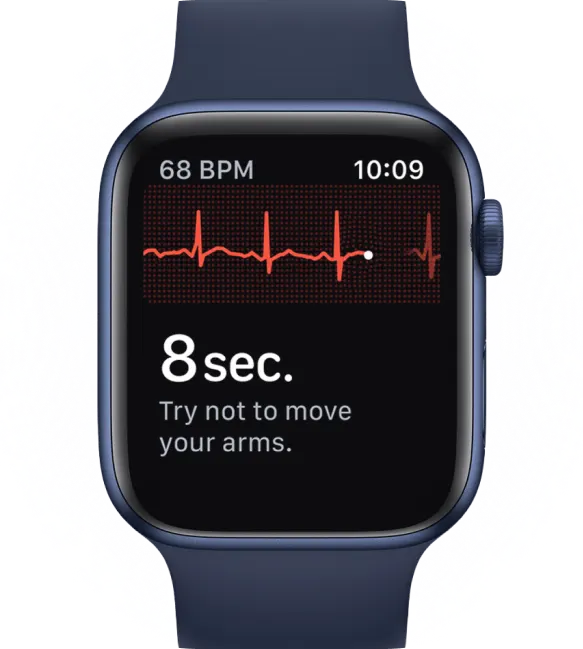
This is exactly where technology can give you back a sense of control. Instead of just worrying about a strange feeling, you can actually capture it. A tool like the Qaly app, used with a wearable ECG device like an Apple Watch or Fitbit, lets you record these events the moment they happen.
Within minutes, you can have that recording analyzed by a certified technician. This transforms a scary, unknown flutter into a tangible piece of data. It provides peace of mind and gives you concrete information to confidently share with your doctor, turning worry into a productive conversation about your health.
Serious But Rare Side Effects to Watch For
While the everyday side effects are often manageable, it's smart to be aware of the more serious, though much rarer, potential risks. The goal here isn't to scare you, but to empower you. Knowing what to look for is one of the best ways to be an advocate for your own health.
Think of this as your safety checklist. It's here to help you tell the difference between a typical, passing side effect and a real signal from your body that it's time to call your doctor.
Understanding Pancreatitis and Gallbladder Issues
Two of the most talked-about serious side effects are pancreatitis and gallbladder problems. Pancreatitis is when the pancreas, an organ that helps with digestion and blood sugar, gets inflamed. Gallbladder issues can mean gallstones or an inflamed gallbladder.
The big red flag for both of these is severe abdominal pain that doesn’t go away. We're not talking about the mild nausea you might feel right after your injection. This is a persistent, often sharp pain in your upper stomach, which might even feel like it’s spreading to your back.
If you ever feel this kind of pain, especially with vomiting, a fever, or a yellow tint to your skin or eyes (jaundice), it’s critical to get medical help right away. Don't just try to "wait it out."
The Risk of Thyroid C-Cell Tumors
You’ve probably seen the boxed warning about thyroid tumors on Ozempic’s label, which can sound pretty alarming. It’s really important to understand the context. This warning comes from studies where rodents developed a specific kind of thyroid cancer called medullary thyroid carcinoma (MTC) after being given very high doses.
Here's the key part: it’s still not known if Ozempic causes these tumors in humans. The risk is thought to be very low, but the warning is in place out of an abundance of caution.
What this means for you is you should be aware of a few things. First, your personal and family medical history matter. If you or a close family member have a history of MTC or an endocrine condition called Multiple Endocrine Neoplasia syndrome type 2 (MEN 2), Ozempic isn't the right choice for you. Second, you should know the warning signs. Keep an eye out for any new lump or swelling in your neck, hoarseness, trouble swallowing, or shortness of breath. Any of these should be a signal to call your doctor for an evaluation.
The main takeaway here is pretty clear: any severe and lasting symptoms in your abdomen or any new changes in your neck are worth a conversation with your healthcare provider.
Are Women at a Higher Risk for These Serious Side Effects?
This is a really important question. We know women tend to report more of the common GI issues, but what about these rarer, more serious problems? As it stands, the data doesn't suggest that women are at a higher risk than men for these specific events.
While common Ozempic side effects skew toward females, serious long-term risks like pancreatitis, gallbladder disease, or thyroid issues appear equally likely between genders, though reporting biases may amplify women's voices.
Research has consistently shown that when it comes to severe adverse events, there doesn't appear to be a gender gap. Problems like pancreatitis, diabetic retinopathy, kidney issues, and serious allergic reactions seem to pop up at similar rates in both men and women. You can read more about the data on gender and serious side effects to get a deeper dive into the research.
Simply being informed about these rare possibilities is a powerful tool. It helps you listen to your body and act with confidence if something feels off. Remember, these issues are not common, but being prepared and aware is a huge part of taking charge of your health journey.
How to Proactively Monitor Your Heart Health on Ozempic
Starting a new medication can feel like you're a passenger, but taking an active role in your health is one of the most empowering things you can do. If you've been noticing palpitations or other strange heart rhythms on Ozempic, you don't have to just sit back and worry. There are simple, practical steps you can take to keep an eye on your heart's response.
This isn't about replacing your doctor; it's about becoming a better partner in your own healthcare. When you can collect clear data on what you're feeling, you turn a vague concern into a focused, productive conversation. Instead of just saying, "I think my heart felt funny last week," you can show them exactly what happened, right when it happened.
Simple Lifestyle Tweaks for Heart Stability
Before we even get to the tech, let's talk basics. Simple habits can make a huge difference, especially since dehydration and electrolyte imbalances are often the culprits behind palpitations, particularly if you're dealing with common ozempic side effects in females like diarrhea or vomiting.
Your heart's rhythm depends on a delicate balance of minerals. You can support this balance with a few small changes:
- Stay Hydrated: This is non-negotiable. Make sure you're drinking plenty of water throughout the day, not just when you feel thirsty.
- Replenish Electrolytes: If you're losing fluids, think about adding an electrolyte drink. You can also get a boost from foods rich in potassium (like bananas or avocados) and magnesium (like nuts and leafy greens).
- Eat Mindfully: Large, heavy meals can sometimes be a trigger for palpitations. Smaller, more frequent meals can ease the load on your digestive system and, in turn, your heart.
These small adjustments help create a more stable internal environment for your heart, potentially dialing down the frequency or intensity of any palpitations.
Leveraging Technology for Peace of Mind
This is where you can truly take charge. Modern wearables like the Apple Watch, Fitbit, or Samsung Watch have put some seriously powerful health tools right on our wrists. These devices can take an electrocardiogram (ECG) the moment you feel a symptom, capturing your heart's electrical activity in real-time.
But let's be honest, a bunch of squiggly lines on a screen doesn't mean much to most of us. That's where a service like the Qaly app comes in. It acts as the bridge between the data from your wearable and a real, certified cardiac technician who knows how to read it.
Imagine this: you feel a flutter, you take an ECG on your watch, and within minutes you get a report back from a human expert analyzing that exact heart rhythm. That’s technology transforming anxiety into clear, actionable information.
Using the Qaly app with your device allows you to track your rhythm over time, get instant readings, and receive expert reports. For example, you can start to see patterns, like whether palpitations happen after certain meals or at a certain time of day. The app immediately analyzes key metrics like your PR, QRS, and QTc intervals, which are the same numbers your doctor looks at to assess heart function. Finally, certified technicians review your ECGs and can identify over 30 types of arrhythmias, giving you a detailed report.
This creates a detailed log of your heart's behavior that you can share directly with your doctor. It shifts the conversation from subjective feelings to objective evidence, leading to a much more efficient and accurate look at your health. You can learn more about different ways to keep tabs on your cardiovascular wellness in our guide on how to check heart health at home. Being proactive is a powerful way to advocate for yourself.
Common Questions About Ozempic Side Effects in Women
Starting any new medication brings up a ton of questions. It's totally normal to feel a bit uncertain, and getting clear, straightforward answers is key to feeling in control of your health. Honestly, it shows you're being a smart and proactive patient.
We've pulled together some of the most common questions women ask about Ozempic's side effects. Our goal here is to cut through the noise and give you reassuring, direct answers to help you feel more empowered on your health journey.
Do Ozempic Side Effects Go Away for Females
This is a great question, and one we hear all the time. For most women, the answer is a big yes. The usual suspects, nausea, diarrhea, that sort of thing, tend to be most intense right when you start Ozempic or after your doctor bumps up your dose.
Think of it like an adjustment period for your body. Your system is figuring out how to work with the medication, especially with how it slows down digestion. Give it a few weeks or months, and your body usually gets the hang of it. Those early symptoms often fade away or disappear completely.
The best way to ease into it is to follow your doctor's titration schedule. That's just a fancy way of saying "start low and go slow." This gives your body the time it needs to adapt. Of course, if the side effects are really hanging on or feel severe, you need to talk to your healthcare provider. They've got options, like tweaking your dose or suggesting other ways to manage the symptoms.
Can Ozempic Affect Your Menstrual Cycle or Fertility
This is a really important topic and deserves a crystal-clear answer. Because Ozempic often leads to significant weight loss, it can absolutely have an impact on your menstrual cycle. It's usually not the drug itself causing the change, but rather how weight loss affects your hormone balance.
Some women find their periods become irregular. For others, particularly women with conditions like Polycystic Ovary Syndrome (PCOS) who might not have had regular periods, weight loss can actually bring them back. It's a powerful reminder of how connected all our body's systems are.
When it comes to fertility and pregnancy, the advice is very direct and non-negotiable.
Ozempic is not recommended if you're pregnant or actively trying to get pregnant. The manufacturer is clear: you should stop taking the medication at least two months before you plan to start trying to conceive. This gives it enough time to fully clear out of your system.
Always have an open conversation with your doctor about your family planning goals before starting or continuing Ozempic. This makes sure both your health and your future plans are kept front and center.
When Should I Worry About Heart Palpitations on Ozempic
It makes perfect sense to be concerned about any new feeling you get in your chest. While a slight increase in heart rate can be a known side effect of Ozempic, it’s vital to know when palpitations might be more than just a minor issue.
You should definitely get in touch with your doctor if your heart palpitations are persistent or frequent. This means they are happening a lot or sticking around for a long time. You should also see a doctor if they are paired with other symptoms. For example, if you also feel dizzy, lightheaded, short of breath, or have any chest pain or discomfort.
These other symptoms could be a sign that something more is going on. This is where you can become your own best health advocate by gathering real data. Using a monitoring tool like the Qaly app is incredibly useful here.
Instead of just telling your doctor, "I felt a flutter," you can capture an ECG on your smartwatch the moment it happens. The Qaly app lets a certified technician review that ECG, providing you and your doctor with concrete data to figure out if it's a harmless palpitation or an arrhythmia that needs medical attention. This turns vague worry into a clear, actionable plan.

If you're experiencing palpitations while taking Ozempic, don't just guess what's going on. Get clear, expert-reviewed insights from your wearable ECG in minutes.



.png)
.png)