




Key Takeaways

User Profile
Hello Heart Hero. If you're here because a racing heart, shaky hands, or a trembling voice feel all too familiar in high-stakes moments, you're not alone. It's completely understandable to look for a solution that calms these physical feelings, especially if other options have left you feeling skeptical or let down.
This guide is for you.
A Heartfelt Welcome to Calmer Moments

We're going to talk about propranolol, a medication that approaches anxiety from a different angle than most. Instead of directly targeting anxious thoughts, it helps quiet the body's 'fight or flight' response, that internal alarm system that sometimes feels like it’s stuck on high alert.
It’s exhausting when your body reacts so strongly, even when your mind knows you’re perfectly safe. That disconnect is where a lot of frustration builds. Many people feel like they’ve tried everything, only to find solutions that don't address the physical storm happening inside.
You’re in the right place if you're looking for clear, empathetic information. Our goal is to empower you, helping you feel more in control on your path to wellness.
Understanding Your Body's Reaction
When you face something stressful, like a big presentation or a job interview, your body doesn't always distinguish it from a real, physical threat. It jumps into action, releasing hormones like adrenaline that prime you to either fight or flee.
This ancient survival response is responsible for:
- A rapidly pounding heart that you can feel in your chest.
- Shaky hands or a trembling voice that betrays your nervousness.
- Sweaty palms and a feeling of intense inner tension.
These symptoms often create a vicious cycle. Your heart races, which makes you feel more anxious, which in turn makes your heart race even faster. It can feel like you’re losing control over your own body, which is a deeply unsettling experience. Using propranolol for anxiety is all about interrupting this specific physical cycle.
Propranolol essentially turns down the volume on these physical fear signals. By blocking the effects of adrenaline, it gives your mind the space to stay clear and focused, without the distraction of a panicked physical response.
A New Path to Feeling Grounded
This guide will walk you through how propranolol works, particularly for performance or situational anxiety. We’ll cover what it is, how it’s used, and what you need to know to decide if it could be a helpful tool in your wellness kit.
We want to arm you with the knowledge to have informed, confident conversations with your doctor and find the path that leads you to calmer, more centered moments.
How Propranolol Calms Your Body's Alarm System
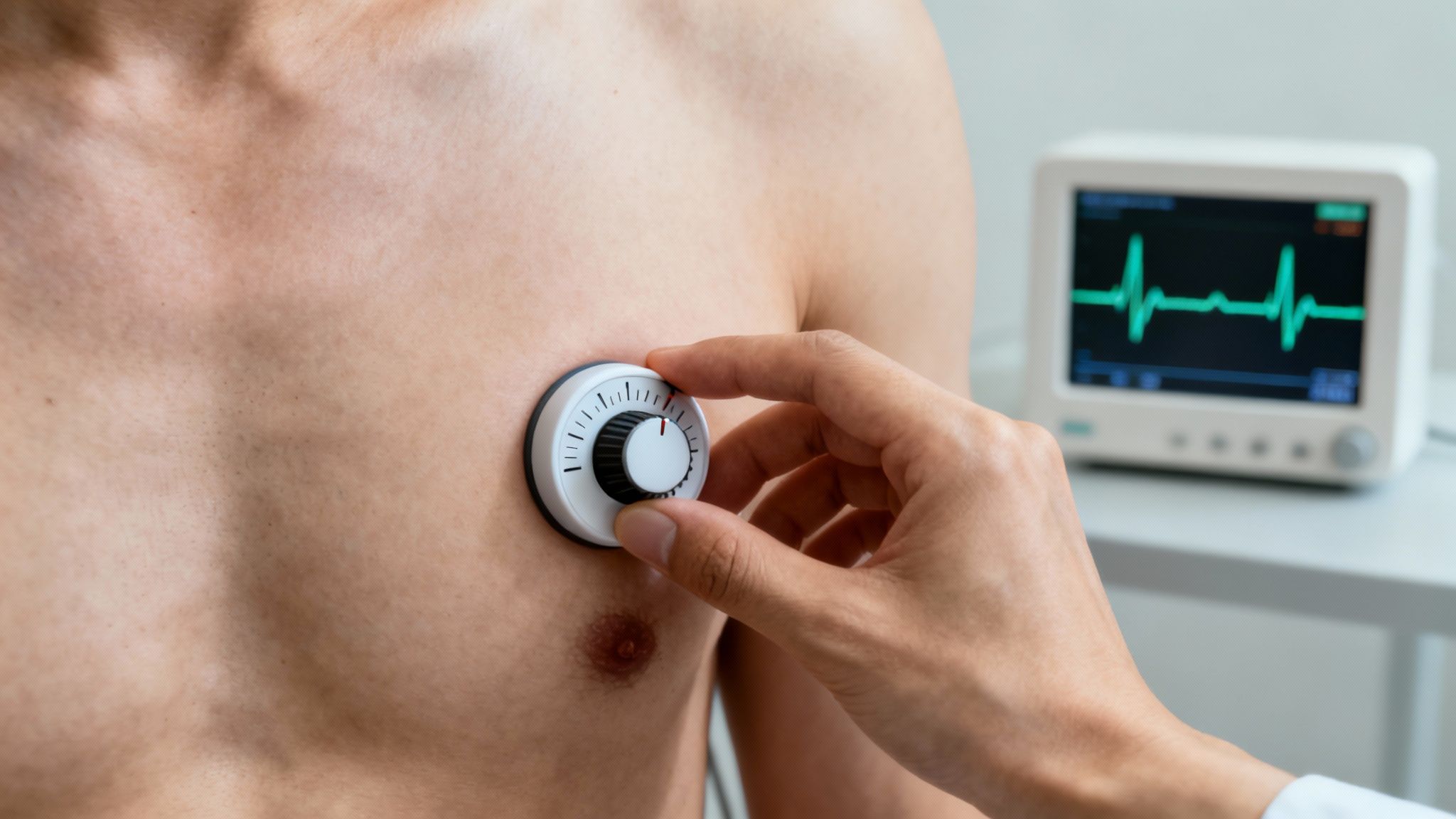
Imagine your body has an overly sensitive car alarm. The slightest breeze sets it off, blaring loudly and drawing unwanted attention. For many people dealing with anxiety, especially in specific situations, this is exactly what the body’s “fight or flight” response feels like.
This whole alarm system is fueled by a hormone called adrenaline. When you face a stressful event, like giving a big speech or walking into a crowded room, your brain floods your system with it. Adrenaline is what causes your heart to pound, your hands to shake, and your breathing to go shallow.
Propranolol acts like a skilled technician who can turn down the sensitivity of this alarm. It doesn't disable it completely, you still recognize the stressful situation, but it stops the loud, physical overreaction.
The Adrenaline Blocker
Propranolol belongs to a class of medications known as beta-blockers. Think of adrenaline as a key and certain parts of your body, especially your heart, as having special locks called beta receptors. When the adrenaline "key" fits into the beta receptor "lock," your heart rate and blood pressure shoot up.
So, what does propranolol do? Something simple, yet incredibly effective. It gets to those beta receptors first and gently covers them. This means when adrenaline comes rushing through, it has nowhere to "dock." The physical alarm signals are intercepted before they can trigger that overwhelming panic sensation.
This is a huge reason why using propranolol for anxiety feels different from other treatments. It focuses squarely on the body, not the mind.
By blocking adrenaline's path, propranolol prevents the physical chain reaction of anxiety. Your heart stays calmer, your hands remain steadier, and your body doesn't get hijacked by panic, allowing your rational mind to stay in control.
From Heart Health to Performance Anxiety
Here’s a fun fact: propranolol wasn't originally designed for anxiety at all. It was first approved for medical use way back in 1964, primarily to treat cardiovascular conditions like high blood pressure and angina.
But doctors and patients soon noticed an unexpected side effect: it was fantastic at calming the physical symptoms of stress. In fact, by the late 1960s, a surprising number of patients, 513 out of 725 in one report, were being treated for anxiety syndromes with propranolol.
Because it works so quickly, often within an hour, it became a trusted tool for situational anxiety. Performers, speakers, and professionals started using it to manage stage fright and high-pressure moments, earning it a reputation as a "performance pill."
Its focus on physical symptoms is a major part of its appeal. It directly tackles the very sensations that can make anxiety feel so debilitating. And since it is a beta-blocker, it has a direct effect on your heart's rhythm and rate. If you'd like to understand this better, check out our guide on how beta-blockers affect your heart and ECG.
This journey from a heart medication to a reliable option for performance anxiety really highlights its unique mechanism. It offers a targeted solution for those whose biggest struggle is the intense, physical storm that anxiety can bring on, giving them a way to stay grounded when it matters most.
When Propranolol Works Best for Anxiety
Anxiety isn't a single, uniform experience. It shows up differently for everyone, which is why it's so important to find the right tool for your specific situation. Propranolol isn't a cure-all, but for certain types of anxiety, it can be a game-changer, restoring a sense of calm and control when you need it most.
Think of it this way: you wouldn't use a hammer to fix a leaky faucet. Understanding where propranolol for anxiety truly shines helps you see if it's the right tool for the job. Its main strength is tackling the physical side of anxiety, especially when those bodily symptoms are the biggest part of the problem.
Let's dive into the specific scenarios where propranolol really makes a difference.
The Ideal Match: Performance and Situational Anxiety
Propranolol's sweet spot is performance anxiety, that intense, situational stress that spikes during a specific, high-stakes event. For many people, the most terrifying part isn't the event itself, but the fear of their own body's runaway reaction.
It’s that paralyzing fear of your heart pounding so loudly that everyone can hear it during a speech, or your hands shaking so badly you can't hold your notes.
This is precisely where propranolol steps in. It's most effective for these predictable, event-based anxieties because you can take it about an hour beforehand, heading off the physical storm before it even starts.
Common situations where it can be incredibly helpful include:
- Public Speaking or Presentations: Keeping your voice steady and your heart from racing out of your chest.
- Job Interviews: Helping you stay calm and collected so you can present your best self.
- Stage Fright: A lifeline for musicians, actors, or athletes who need to perform under pressure.
- Social Gatherings: Easing the physical symptoms that can make big social events feel overwhelming.
By calming the body, propranolol often allows the mind to follow. When you aren't distracted by a panicked physical response, you have the mental space to focus on the task at hand.
Its Role in Phobias and PTSD
Beyond performance jitters, propranolol is also being explored for its potential in other areas where fear triggers a powerful physical reaction, like specific phobias and Post-Traumatic Stress Disorder (PTSD).
For someone with a fear of flying, for example, propranolol can help manage the intense physical panic that kicks in during takeoff. It doesn't erase the fear itself, but it can make the experience physically bearable.
Interestingly, emerging research suggests it may even help weaken the emotional charge of traumatic memories. Studies have found that when propranolol is given shortly after a fear memory is reactivated, it can significantly blunt the body's fear response when encountering that trigger again. This suggests it might help soften the sharp edges of traumatic experiences over time, a promising idea you can learn more about from these findings.
The key takeaway is that propranolol intervenes in the body's reaction to a fear trigger. Whether that trigger is a memory, a specific object, or a situation, the medication works to dampen the physical alarm bells.


Understanding Its Limitations
It's just as important to understand where propranolol is not the first-choice solution. Its limitations are tied directly to how it works. Because it only targets the physical symptoms of adrenaline, it's generally less effective for conditions where the root of the anxiety is cognitive or emotional.
For Generalized Anxiety Disorder (GAD), which involves persistent, excessive worry about a wide range of things, propranolol is not a primary treatment. While it can help manage the physical fallout of GAD, like a constantly elevated heart rate, it doesn't address the underlying anxious thoughts that define the condition.
Think of it this way: with GAD, the "engine" of worry is always running in the background. Propranolol can muffle the sound of that engine, but it can't turn it off. For that, treatments like therapy (especially CBT) and other medications (like SSRIs) that work on brain chemistry are typically much more effective. Knowing this distinction is crucial for setting realistic expectations and finding the right path forward.
Navigating Doses, Side Effects, and Safety
Starting a new medication can bring up a lot of questions, and you deserve clear, straightforward answers, not a list of scary warnings. So let's talk openly about what to expect with propranolol for anxiety, from how it's used to what you should keep an eye on to stay safe.
When it comes to dosage, the goal is simple: find the smallest amount that helps you feel in control. For performance anxiety, clinicians often start with a very low dose, sometimes just 10 mg to 20 mg, taken about an hour before a nerve-wracking event.
This "as-needed" approach is what makes it so useful for many people. You don't have to take it every day. Instead, you can use it strategically for those specific moments, like a big presentation or a flight, giving you a reliable tool right when you need it most.
Common and Manageable Side Effects
Like any medicine, propranolol can have side effects. The good news is that most are mild and directly tied to what the drug is designed to do. By slowing down your body's adrenaline response, it can sometimes leave you feeling a bit tired or sluggish, especially as your system adjusts.
Other things you might notice include:
- Cold Hands or Feet: The medication can slightly affect circulation, so you might notice your fingers and toes feel a bit chilly.
- Dizziness or Lightheadedness: This can happen if your blood pressure drops a little, particularly when you stand up too quickly.
- Fatigue: Feeling a little more tired than usual is one of the most common side effects.
These effects usually aren't a big deal and often fade as your body gets used to the medication. But if they're bothering you or feel concerning, that's your cue to check in with your doctor.
Understanding Who Should Be Cautious
Here's a really important point: propranolol isn't the right choice for everyone. Because it works directly on the heart and circulatory system, there are certain health conditions where it should be avoided or used with extreme care.
An honest conversation with your doctor about your complete medical history is absolutely essential before starting.
Propranolol is generally not recommended for individuals with certain pre-existing conditions. These include asthma, very low blood pressure (hypotension), an unusually slow heart rate (bradycardia), or specific heart rhythm problems like heart block.
The reason is simple: the drug's main job is to slow the heart and lower blood pressure, which could make these conditions worse. For someone with asthma, it can also cause the airways to tighten, making it harder to breathe. This is why a thorough discussion with your clinician is non-negotiable.
This flowchart helps visualize where propranolol fits into the anxiety puzzle.
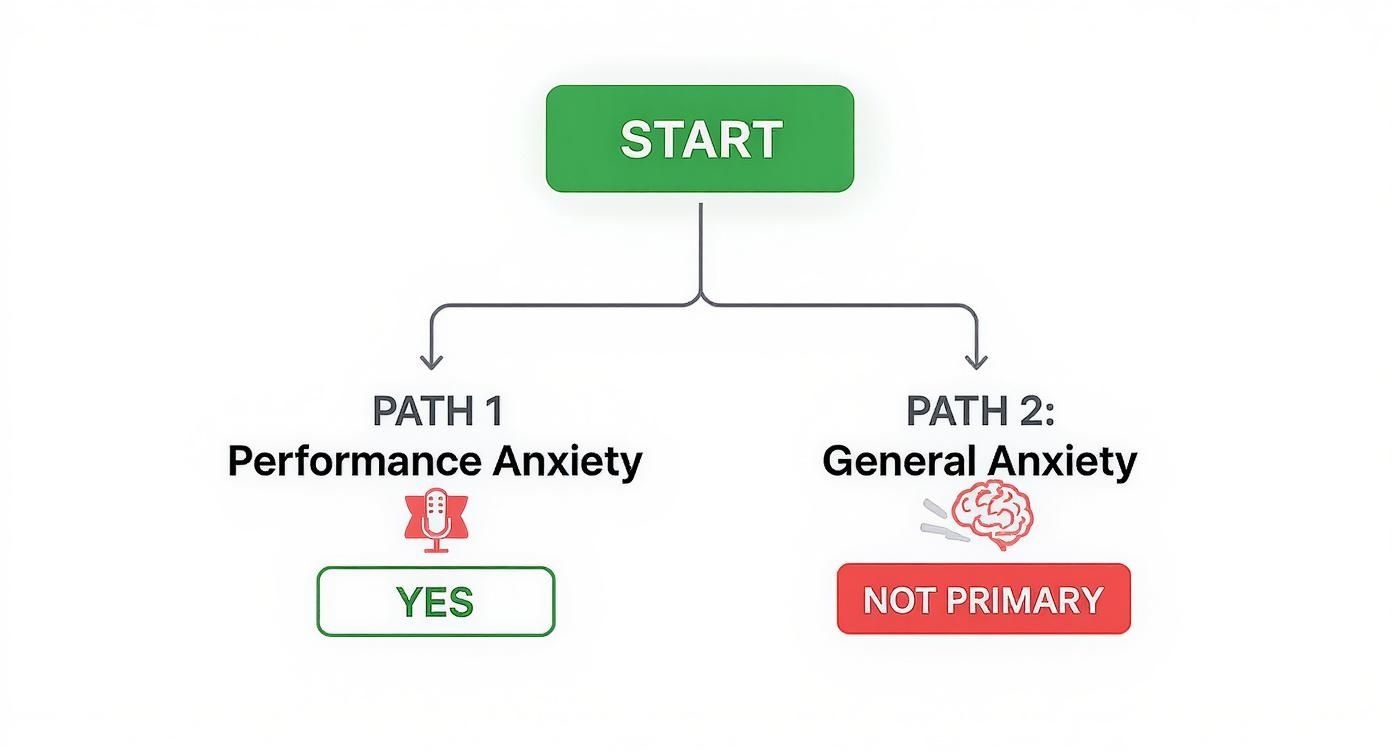
As you can see, its real strength is tackling the physical symptoms of performance-based anxiety. It's not the go-to solution for the constant, underlying worry that comes with generalized anxiety.
Long-Term Considerations and Safe Use
While propranolol is often used for one-off events, some people and their doctors might discuss daily use. If that's something you're considering, it’s good to know what that entails. Our guide on beta-blockers and their long-term effects dives deeper into what to expect with continued use.
One final, critical safety tip: if you've been taking propranolol regularly, never stop it suddenly. Your body gets accustomed to its effects, and stopping abruptly can trigger a rebound, like a sudden spike in your heart rate and blood pressure. Always work with your doctor to taper off gradually and safely.
Partnering with Your Doctor and Exploring Options
Think of your journey to feeling better as a partnership, and your voice is the most important one in the room. Knowing when to check in with your doctor is a key part of making this work. It’s never about being a bother; it’s about working together to find what truly helps you.
Clear signs that it’s time to reach out are side effects that get in the way of your life, or simply feeling that your anxiety isn't getting better like you’d hoped. This is all valuable feedback that helps your doctor fine-tune the plan so it works for you, not against you.
Looking Beyond a Single Solution
It’s also incredibly empowering to remember that propranolol for anxiety is just one tool in a much larger toolkit. If it turns out not to be the right fit, or if you’d rather try something that addresses both your mind and body, there are so many other effective paths to explore.
Feeling better isn't about finding one magic pill. It's about building a personalized toolkit that gives you support from multiple angles, which can reinforce your own sense of control and resilience.
Here are some of the most effective alternatives and complementary strategies out there:
- Cognitive Behavioral Therapy (CBT): This is a powerhouse form of therapy that teaches you how to spot, challenge, and reframe the anxious thought patterns that kick off the physical response. It gives you practical, hands-on skills to manage anxiety from the inside out.
- Other Medications: For more persistent or generalized anxiety, medications like SSRIs (Selective Serotonin Reuptake Inhibitors) work directly on brain chemistry to create a more stable foundation of calm. They're often a go-to treatment for conditions like GAD.
- Supportive Lifestyle Changes: Never, ever underestimate the power of simple, consistent habits. Things like mindfulness practices, regular exercise, and solid stress-management techniques can dramatically lower your baseline anxiety levels. For those who struggle when the lights go out, learning how to calm anxiety at night with straightforward tips can make a huge difference in getting restful sleep.
Your wellness journey is yours alone. There is no "right" way to manage anxiety, only the way that works best for you. Combining different strategies often yields the most powerful and lasting results.
Having a Confident Conversation
Walking into your doctor's office with a clear idea of what you want to discuss can change everything. You are the expert on your own body and your experiences, so don't forget that. Preparing a few notes ahead of time can help you feel more confident and make sure you cover all your bases.
This can be especially helpful when you're discussing a heart-related medication like propranolol. To help you feel ready, we've put together a resource on the best questions to ask your cardiologist or any doctor about your heart health.
Ultimately, the goal is to find a sustainable path that helps you feel safe, calm, and back in control. Whether that involves propranolol, therapy, lifestyle shifts, or a mix of all three, speaking up for your needs is the most powerful step you can take. You deserve a solution that honors your whole self.
Common Questions About Using Propranolol
Starting a new medication always comes with questions, and that's a good thing. It means you're being proactive and thoughtful about your health. Let’s walk through some of the most common questions people have when they're thinking about using propranolol for anxiety.
How Quickly Does Propranolol Work for Anxiety?
When you’re staring down a specific, nerve-wracking event, like giving a big speech, propranolol acts fast. Most people start to feel its effects on those tell-tale physical symptoms, like a racing heart or shaky hands, within just 30 to 60 minutes.
This quick onset is exactly why it's so popular for performance anxiety. It provides relief right when you need it most, without a long lead time.
Will It Help With My Anxious Thoughts?
This is a really important question because it gets right to the core of what propranolol does. It mainly works on the physical symptoms of anxiety by blocking adrenaline's "fight or flight" signals. It doesn't directly quiet the worried thoughts or the mental chatter of anxiety.
But here’s the interesting part: there's a powerful feedback loop between our bodies and our minds. Many people find that once their heart stops pounding and their body feels calm, their mind follows suit. By dialing down the body's physical alarm bells, propranolol often makes the mental side of anxiety feel far more manageable.
By calming the body's alarm system, propranolol can give your mind the breathing room it needs to stay focused and clear. This can be especially true when you're concerned about how physical anxiety might affect your heart, a common worry that can lead to more stress.
Can I Take Propranolol Every Day for Anxiety?
More often than not, propranolol is prescribed on an "as-needed" basis for specific, predictable situations. Think of it as a tool you use for targeted relief, rather than something you take daily.
However, in some situations where physical anxiety symptoms are a constant issue, a doctor might suggest a low daily dose. This is something that requires a careful discussion with your healthcare provider, as taking it every day means keeping a closer eye on your heart rate and blood pressure. A common concern here is whether anxiety can trigger heart palpitations, and you can explore this topic further in our detailed guide.
Is Propranolol Addictive?
Propranolol isn't considered addictive in the classic sense, like some other anti-anxiety medications. You won’t develop cravings or a psychological dependence on it.
That said, if you take it regularly, your body does get used to it. That's why you should never stop taking it suddenly without talking to your doctor first. Stopping abruptly can cause a rebound effect, like a sudden jump in your heart rate or blood pressure, as your body readjusts.

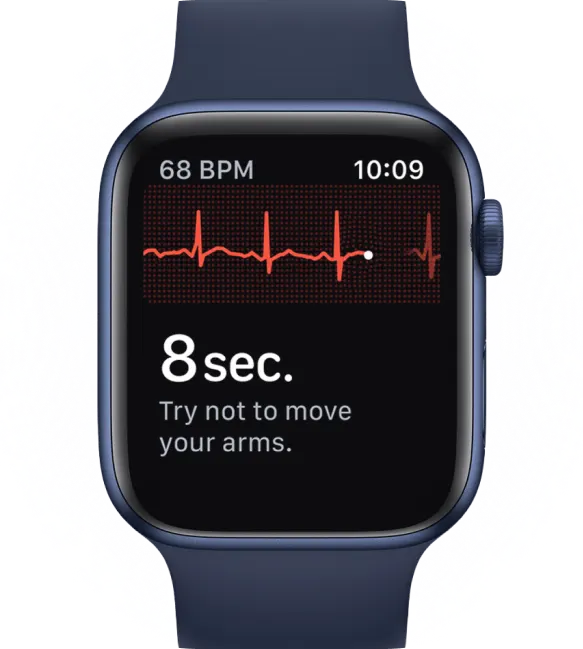
At Qaly, we understand that peace of mind comes from clear answers. If you're monitoring your heart's rhythm, get expert reviews of your ECGs from certified technicians in minutes.



.png)
.png)