





Key Takeaways

User Profile
Hello Heart Hero. We get it, starting a new medication like propranolol can bring up a lot of questions, especially when you see that long list of potential side effects. Feeling a bit of uncertainty is completely normal, and it's smart to look for clear, straightforward information. We're here to help you understand the most common propranolol side effects in a simple, reassuring way.
Your Guide to Propranolol Side Effects

Think of this guide less like a technical manual and more like a conversation. We'll walk through the side effects of propranolol in a way that makes sense, explaining what you might expect, what’s common, and when it’s important to reach out to your doctor. Our goal is to replace any anxiety with confidence, helping you become an active partner in your own health journey. You're looking for more than just a list of facts, and we're here to provide the detailed, empathetic information you deserve.
Why Understanding Side Effects Matters
Starting a new medication is an act of trust. You're trusting your doctor and the medicine to help, but it's natural to feel a little skeptical, especially if you've had confusing experiences with healthcare before. This is where being informed becomes your superpower. It puts you back in the driver's seat.
Knowing about potential side effects isn't about creating fear. It's about preparation. It helps you recognize what your body is telling you and gives you the language to talk about it clearly with your healthcare team.
This knowledge empowers you to tell the difference between a minor adjustment your body is making and a signal that you need to seek advice. It's the difference between worrying and being proactive.
What to Expect in This Guide
We've structured this guide to build your understanding step-by-step, without the dry, academic jargon. For those interested in the broader context of how doctors make decisions about medications, it can be helpful to review established clinical practice guidelines. But here, our focus is on what you truly need to know right now.
We will cover:
- Common Side Effects: The mild, temporary adjustments many people feel as their body gets used to the medication.
- Serious Side Effects: The less common signs that mean you should get in touch with your doctor right away.
- Monitoring and Management: Practical steps for tracking your health at home and staying on top of things.
- Drug Interactions: What other medications or supplements to be mindful of while taking propranolol.
Together, we'll navigate this topic with clarity and care.
What Most People Experience with Propranolol
When you start a new medication like propranolol, it's pretty normal for your body to need a little time to adjust. You might notice a few changes, and the good news is that most of them are mild and tend to fade away as your system gets used to the new normal. It's a bit like breaking in a new pair of shoes; they might feel a little stiff at first, but they soften up with time.
Let's walk through some of the most common propranolol side effects people run into. Just knowing what's happening and why can make the whole process feel a lot less strange.
Feeling Tired or a Little Dizzy
One of the first things people often notice is feeling more tired than usual. Propranolol's main job is to put a gentle brake on your heart, slowing it down to a calmer, more regular rhythm. This, in turn, lowers your blood pressure and eases the workload on your heart.
Since your body is used to running at a higher gear, this new, more relaxed pace can feel like fatigue at first. You might also get a bit dizzy or lightheaded, especially when you stand up too quickly. This is just your circulatory system getting the hang of operating with a new, lower blood pressure. Taking an extra moment to get up slowly usually does the trick.
Cold Hands and Feet
Ever notice your fingers or toes feeling a bit chilly since starting? That’s another common one. Propranolol works on beta-receptors all over your body, not just in your heart, and these receptors also help manage blood flow to your arms and legs.
By dialing down these receptors, the medication can slightly narrow the blood vessels in your hands and feet. This just means a little less warm blood is reaching them. It's usually just a minor thing and not something to worry about.
A lot of these initial adjustments are simply signs that the medication is doing exactly what it's supposed to do. Your body is an amazing system that's always adapting, and these feelings are often just part of that process.
Digestive and Sleep Changes
It’s also not unheard of to have some digestive quirks. Some people feel a bit of nausea or an upset stomach when they first start taking propranolol. A simple fix that often helps is to take your dose with a meal or a snack.
Your sleep might get a little weird for a bit, too. Some people report having more vivid dreams or finding it a bit harder to fall asleep. These sleep issues are often one of the first side effects to get better as your body adjusts. In fact, while it can be annoying, it's usually very manageable. For instance, research in pediatric populations showed that while severe sleep disturbance was the main reason for stopping the medication, this only happened in a very small fraction of cases, highlighting how most people adapt well.
Practical Tips for Managing Common Effects
Getting through these first few days or weeks is much easier with a few simple tricks. The idea is to give your body a little support while it gets settled.
- Take it with food: If your stomach feels off, try taking your propranolol with a meal or a small snack.
- Move slowly: To keep dizziness at bay, avoid jumping up from a chair or out of bed. Give your body a second to catch up.
- Stay hydrated: Drinking plenty of water is great for maintaining healthy blood pressure and can help with any lightheadedness.
- Create a sleep routine: If vivid dreams are bothering you, setting up a calming bedtime routine, like reading a book instead of scrolling on your phone, can help you get more restful sleep.
Remember, these common side effects are usually your body's short-term reaction to a helpful change. They typically don’t stick around for long, and with a few small adjustments, you can navigate this initial period with confidence.
Serious Side Effects and When to Seek Help
While the common side effects are usually just your body adjusting, it’s also smart to know about the less frequent but more serious signs. This isn't meant to cause alarm. It's about empowering you to listen to your body and act confidently, so you can tell the difference between a minor hiccup and something that needs attention.
We get that the healthcare system can feel confusing. Trusting your own instincts is a powerful tool, so let's walk through what these more serious propranolol side effects actually look and feel like.
Significant Drops in Blood Pressure or Heart Rate
Propranolol is meant to lower your heart rate and blood pressure, but every now and then, it can do its job a little too well. This can lead to hypotension (very low blood pressure) or bradycardia (a very slow heart rate).

Forget the numbers on a cuff for a second. Here’s how this might actually feel in your body:
- Extreme lightheadedness: That feeling like you might faint the moment you stand up.
- Serious dizziness: A persistent sense that you're off-balance or the room is spinning.
- Unusual fatigue: Feeling so drained or weak that it’s a struggle to get through your day.
- Fainting: Actually losing consciousness, even for just a moment.
If you experience these symptoms, it’s a clear signal from your body that your levels may have dropped too low. This is your cue to contact your doctor right away. You can learn more about how beta-blockers affect your heart and ECG to get a deeper insight into these changes.
Breathing Difficulties
One of the most important serious side effects of propranolol involves your breathing. Propranolol can sometimes cause the airways in your lungs to tighten up, a condition known as bronchospasm.
This is especially critical for anyone with a history of asthma or other lung conditions. You should be on high alert for:
- Shortness of breath that is new or getting worse.
- Wheezing or a whistling sound when you breathe.
- Chest tightness that makes it feel hard to take a full, deep breath.
Any new or worsening trouble with breathing is a reason to seek immediate medical help. It’s a side effect that needs to be taken very seriously.
Your body is your best advocate. If something feels genuinely wrong or different in a way that worries you, that is always reason enough to check in with a healthcare professional. Trusting that feeling is a key part of staying safe.
The key takeaway here is to assess whether a side effect feels mild or severe, which will guide your next steps in managing your health with confidence.
Signs of a Severe Allergic Reaction
Although it's rare, a severe allergic reaction to propranolol is possible and is a medical emergency. This is your body's immune system overreacting to the medication in a big way.
The signs are usually sudden and can escalate quickly. Here’s what to watch for:
- Hives or a severe skin rash that appears out of nowhere.
- Swelling of your face, lips, tongue, or throat, which can interfere with breathing.
- Trouble breathing or swallowing.
- Severe dizziness or fainting.
If you notice any of these signs, you should seek emergency medical care immediately. This is not something to wait on.
Knowing these signs is empowering. It helps you stay in tune with your body and ensures you can take the right action at the right time. Most people will never have to deal with these serious effects, but being prepared is the best way to protect your health.


Understanding Propranolol Overdose Risks
When you’re prescribed a medication like propranolol, it’s vital to respect its power. This isn’t a topic to take lightly, so we're going to talk about it with the seriousness it deserves. Understanding why sticking to your prescribed dose is so critical is the foundation of using this medication safely and getting the benefits you need.
It's a common mistake to think an overdose only happens when someone takes a massive amount of a drug. But with medications like propranolol, the line between a helpful dose and a dangerous one can be thinner than many people realize. The goal here isn’t to scare you, but to give you clear, straightforward information so you can appreciate both the medication's strength and the importance of following your doctor's instructions to the letter.
How an Overdose Affects the Body
In the right dose, propranolol gently slows your heart and brings down your blood pressure. But in an overdose, these effects become extreme and life-threatening. The medication's intended action is pushed to a critical level, overwhelming the very systems it's supposed to help manage.
Think of it like adjusting the thermostat in your house. A small tweak makes the room comfortable, but a drastic drop could freeze the pipes. In the same way, too much propranolol can cause the heart rate to plummet to dangerously low levels (severe bradycardia) and blood pressure to crash (severe hypotension). This drastically cuts down blood flow to your vital organs, including your brain.
When the brain isn't getting enough blood, and with the medication's direct impact on the central nervous system, serious neurological symptoms can kick in.
- Profound Confusion: Having trouble thinking clearly or becoming completely disoriented.
- Extreme Drowsiness: This can quickly progress to a total loss of consciousness.
- Seizures: These are uncontrolled electrical storms in the brain.
Any of these symptoms are a clear signal of a medical emergency that needs immediate help.
Recognizing the Lethality at Lower Doses
It's absolutely crucial to understand that a fatal overdose of propranolol can happen at doses that might seem surprisingly low. This has become a significant public health concern, with some worrying trends emerging over the last decade. One analysis showed that between 2012 and 2017, deaths linked to propranolol overdose shot up by 33%.
More recent data from 2022 to 2023 revealed that out of 318 documented overdose cases in a single year, 12 were fatal. Tragically, fatalities have been reported from doses as low as 2,000 mg. You can read more about the findings on propranolol's risks to get a fuller picture of just how serious this is.
The single most important safety measure is taking your medication exactly as prescribed. Never, ever adjust your dose or take an extra pill unless your doctor explicitly tells you to. Your specific dose was calculated for your body and your health needs.
What to Do in Case of an Overdose
If you even suspect that you or someone else has taken too much propranolol, treat it as a medical emergency. Don't wait around to see if symptoms get better on their own.
- Call for emergency medical help immediately. This is the first and most critical step.
- Give them clear information. Be ready to tell the emergency responders the person's age, weight, the medication name (propranolol), and if you know, how much was taken.
- Do not try to make the person vomit unless you are specifically told to do so by a poison control center or a medical professional.
Accidents happen, particularly when routines change or if you're juggling multiple medications. Simple precautions, like keeping your pills organized and stored safely away from children or vulnerable adults, are essential. By treating propranolol with the respect it requires, you ensure it can do its job of helping you, safely.
Managing Side Effects and Your Heart Health

Dealing with the side effects of propranolol isn’t something you just have to put up with. It's an active process, and taking a proactive role is the best way to stay on top of your health. Think of it as a partnership between you, your doctor, and your own body.
Your body gets used to running at a certain speed. When propranolol slows things down, your system naturally needs some time to adjust. That's why managing your medication is a collaborative effort, not just following a list of instructions.
Why You Should Never Stop Propranolol Suddenly
This is probably the single most important rule when taking propranolol. Stopping it cold turkey is like slamming on the brakes after cruising down the highway. Your body has adapted to the medication's calming effect, and yanking it away can cause a serious overreaction.
This can kick off what’s called rebound symptoms. Your heart rate might suddenly shoot up, your blood pressure could spike, and you might even feel chest pain. It’s a jarring shock to your system, which is why any change to your dose, especially stopping it, has to be done slowly and only with your doctor's supervision.
Think of it like a volume knob on a stereo. Instead of cutting the music off abruptly, your doctor will help you turn it down gradually. This gives your body a chance to get used to the quieter setting without a sudden shock.
Simple Lifestyle Tweaks That Make a Difference
While your body is getting used to propranolol, a few simple lifestyle changes can make a huge difference in managing the common propranolol side effects. These small, practical steps can go a long way in minimizing discomfort.
Here are a few strategies that can help:
- Stay Hydrated: Drinking plenty of water helps keep your blood pressure stable, which can cut down on feelings of dizziness or lightheadedness.
- Rise Slowly: When getting up from a chair or out of bed, take your time. This gives your circulatory system a moment to adjust, helping prevent that head-rush feeling.
- Time Your Meals: If you notice any stomach upset, try taking your propranolol with food. This can often buffer the medication and ease any digestive issues.
These aren't complicated fixes, but they are surprisingly effective. They put you in the driver's seat, allowing you to support your body as it adapts.
Monitoring Your Heart Health at Home
Not too long ago, figuring out what your heart was doing between doctor's appointments was mostly guesswork. You had to rely on describing feelings like a "flutter" or a "pounding" in your chest. Today, powerful tools are available right on your wrist.
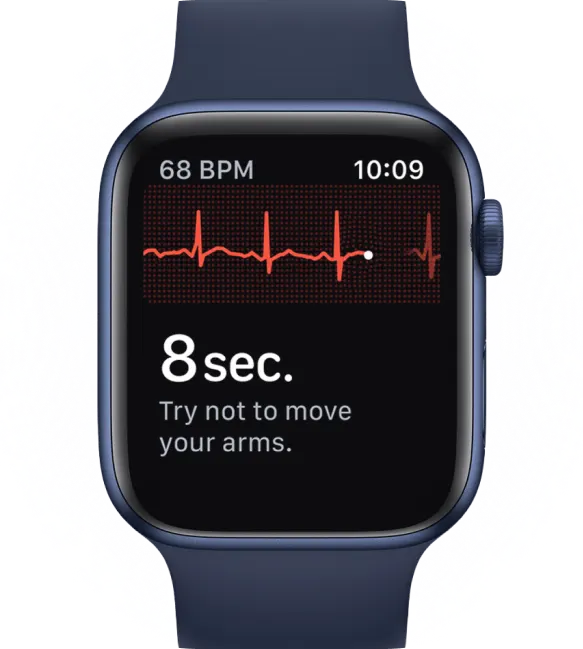
Modern smartwatches can record an electrocardiogram (ECG) whenever you need one. This technology is a game-changer, giving you the power to capture your heart's electrical activity at the exact moment you feel a symptom.
Instead of just telling your doctor you felt dizzy, you can show them the actual heart rhythm data from that moment. It completely transforms the conversation from subjective feelings to objective, concrete data that you and your doctor can analyze together. This kind of information is invaluable for making smart decisions about your treatment.
Services like Qaly take this a step further, connecting you with certified technicians who can interpret your wearable ECGs in minutes. This can help you track not just your rhythm but also key ECG intervals over time, painting a clear picture of how propranolol is affecting your heart. To learn more about how these medications can impact your heart over the long haul, check out our guide on the long-term effects of beta-blockers.
By actively monitoring your health, you become a true partner in your own care. It’s the ultimate way to feel empowered and ensure your treatment is perfectly tuned to your body's needs.
Drug Interactions and Important Precautions
Taking any new medication is about more than just that one pill. Your body is a finely tuned system, and it's vital to understand how propranolol fits into your personal health picture, including any other medications you take or conditions you have. This isn't about memorizing a long list of scary warnings; it's about giving you and your doctor the full context to keep you safe.
It can sometimes feel like the healthcare system treats symptoms in isolation instead of looking at you as a whole person. Being informed about these potential interactions empowers you to be your own best advocate, ensuring your treatment plan is the right one for you.
When Propranolol Might Not Be the Best Choice
In medicine, a "contraindication" is just a term for a situation where a specific treatment isn't recommended because it might do more harm than good. When it comes to propranolol, there are a few key health conditions where your doctor will be extra cautious or might suggest a different approach.
These include:
- Severe asthma or other lung conditions: Propranolol can sometimes cause airways to constrict, which is a risk if you already have trouble breathing.
- A very slow heart rate (bradycardia): Since propranolol’s main job is to slow the heart, starting with an already low heart rate could cause it to dip to an unsafe level.
- Certain types of heart failure: While propranolol is helpful for some heart conditions, it can make others worse, especially if your heart's ability to pump is already significantly weakened.
Navigating Interactions with Other Substances
Propranolol can also have surprising interactions with many other medications, supplements, and even simple over-the-counter products. Think of it like mixing ingredients for a recipe; some combinations are great, but others can alter the final result in unexpected ways.
That's why it's so important to give your doctor a complete list of everything you take, no matter how small it seems. Some common substances that can interact with propranolol are:
- Certain antidepressants, particularly SSRIs like fluoxetine.
- Allergy medicines, especially some types of antihistamines.
- Other drugs for blood pressure or heart conditions.
- Non-steroidal anti-inflammatory drugs (NSAIDs) like ibuprofen.
- Even some herbal supplements or antacids that contain aluminum.
Being mindful of potential interactions is a critical part of medication safety. And it’s not just about propranolol; it’s always wise to be aware of the implications of any treatment. For example, you can learn more about understanding medication risks with other types of drugs.
A Special Note for People with Diabetes
If you have diabetes, this is a really important conversation to have with your doctor. One of the more subtle propranolol side effects is its ability to hide the tell-tale signs of low blood sugar (hypoglycemia). Normally, when your blood sugar drops, your body sounds the alarm with symptoms like a racing heart, sweating, or feeling shaky.
Propranolol can mute these adrenaline-driven warnings, especially the fast heartbeat. This means you might not realize your blood sugar is dangerously low until more serious symptoms, like confusion, begin to appear.
Propranolol’s wide-ranging effects mean it requires careful management, especially for individuals with other health conditions. Its ability to mask hypoglycemia in people with diabetes is a prime example of why a complete health profile is essential for safe treatment.
This doesn't automatically mean you can't take propranolol if you have diabetes. It just means you'll need to be extra careful about monitoring your blood sugar levels and learn to recognize other, more subtle signs of a dip. Keeping an open line of communication with your doctor will help you navigate this safely.
Answering Your Questions About Propranolol
We've covered a lot of ground, but it's natural to still have a few questions rolling around. Taking charge of your health means being curious. This section is here to give you quick, clear answers to some of the things people ask us most.
How Long Do Propranolol Side Effects Last?
Many of the common propranolol side effects, like feeling tired or a bit dizzy, are usually your body’s way of getting used to the new medication. Think of it like a brief adjustment period.
These feelings often fade within the first few weeks. If a side effect hangs on, gets worse, or just makes your day-to-day life difficult, it’s important to talk to your doctor. You don’t have to just tough it out; they might adjust your dose or help you manage the symptom.
Is It Safe to Drink Alcohol with Propranolol?
It's generally best to avoid or at least limit alcohol when you're taking propranolol. Alcohol can amplify the drug's blood pressure-lowering effect, which can crank up feelings of dizziness and lightheadedness, or even lead to fainting. It can also make you feel more drowsy than usual.
Your personal health profile is what really matters here, so have an open conversation with your doctor about what’s safe for you.
Your body's response is unique. What works for one person might not be right for another, which is why open conversations with your healthcare provider are so crucial.
What Happens If I Forget an Inderal Dose?
If you miss a dose of Inderal (a common brand name for propranolol), just take it as soon as you remember. But if it's already getting close to the time for your next dose, simply skip the missed one and get back on your normal schedule.
Whatever you do, don't take two doses at once to "catch up." This can really increase your risk of side effects. If you're curious how propranolol stacks up against other beta-blockers, our guide on metoprolol and its side effects is a helpful read. When in doubt, a quick call to your doctor or pharmacist is always the safest bet.

Qaly provides expert analysis of your wearable ECGs from certified technicians, helping you understand your heart's rhythm and track changes over time, all from the comfort of your home.



.png)
.png)