


Key Takeaways

User Profile
Hello Heart Hero. We get it. You're looking for ways to take charge of your heart health that go beyond the usual advice. If you've ever felt that standard healthcare advice doesn't quite fit your personal goals, you're in the right place. We're here to explore this journey with you, offering reassurance and clear information.
Your Guide to Sauna and a Healthier Heart
Let's explore the science behind using a sauna and how it can be a surprising ally for your cardiovascular wellness. We'll skip the dense medical jargon and break down how this ancient practice can support your heart. Think of this as your personal guide to understanding the connection, helping you decide if it’s a good fit for your wellness plan.
What Is a Sauna Anyway?
At its simplest, a sauna is a heated room designed to make you sweat. This isn't just about feeling relaxed; it's about setting off a chain of positive responses in your body, many of which directly benefit your heart and blood vessels.
You'll generally come across two main types:
- Traditional Saunas: Also known as Finnish saunas, these use a heater and hot rocks to raise the air temperature to around 160°F to 200°F. This creates an intense, dry heat that warms your body from the outside in.
- Infrared Saunas: These use special panels that emit infrared light to warm your body directly, rather than just heating the air. This happens at lower temperatures, typically 120°F to 140°F, which many people find more comfortable for longer periods.
No matter the type, the main goal is to raise your core body temperature. This heat stress gently mimics the effects of a moderate workout by increasing your heart rate and improving blood flow, all without putting any strain on your joints. You might also want to learn how to interpret your risk score for cardiovascular disease to get a fuller picture of your heart health.
The Science Behind Sauna Benefits
So, what does the research say? It can feel like a big step to trust something outside of the typical medical system, but the science here is encouraging. One of the most compelling reasons people are turning to saunas is their proven impact on heart health.
Long-term studies have shown that men who used a sauna four to seven times per week had a noticeably lower risk of fatal cardiovascular events compared to those who only went once a week.
This gentle, consistent heat exposure helps your blood vessels relax and widen, which improves circulation. Over time, these sessions can help condition your cardiovascular system, supporting healthy blood pressure and arterial flexibility.
For a deeper dive into how infrared saunas, in particular, support heart wellness, you can review this article on infrared sauna benefits for heart health. Understanding these mechanisms is the first step toward making empowered decisions for your health journey.
How Saunas Give Your Heart a Gentle Workout
Ever wondered what's really going on inside your body when you step into the comforting warmth of a sauna? It's much more than just a way to unwind. Think of it as a passive workout for your heart and blood vessels.
Let's use a simple analogy. Imagine your circulatory system is a huge network of flexible garden hoses. The heat from the sauna helps these "hoses" relax and expand, allowing blood to flow more freely with less effort.
This is the starting point for a cascade of positive changes in your cardiovascular system.
Your Heart’s Response to Heat
As soon as you settle into the sauna's heat, your body’s main mission is to cool itself down. To do this, your heart starts pumping more blood to the surface of your skin to help release that extra heat.
This natural response makes your heart rate climb, often rising to between 100 and 150 beats per minute. That’s a similar heart rate to what you might see during a brisk walk or a light jog. You can learn more about how your heart adapts to physical activity by exploring how to decode ECG changes during exercise and recovery.
As you can see, the core idea is that the sauna prompts positive cardiovascular responses, which is a fantastic piece of any proactive wellness strategy.
Blood Vessels Relax and Widen
While your heart rate is picking up, something amazing is happening to your blood vessels. The heat encourages them to open up, a process called vasodilation. When your blood vessels widen, it’s like turning a narrow one-way street into a multi-lane highway.
This widening effect has a few key perks for your heart health:
- Improved Circulation: With more room to move, blood can deliver oxygen and nutrients to your muscles and organs more efficiently.
- Reduced Resistance: Wider vessels mean your heart doesn't have to pump as hard to move blood around your body.
- Lower Blood Pressure: Over time, this relaxing effect on your arteries can help promote healthier blood pressure levels. It's a gentle way to train your vascular system to be more flexible.
This passive "exercise" for your blood vessels is one of the biggest reasons behind the powerful link between regular sauna use and a healthier heart.
Making Your Workout Work Harder: Combining Sauna and Exercise
What if you could get even more heart-healthy benefits out of the exercise you’re already doing? It’s a compelling thought, especially when you’re already putting in the work to stay active. As it turns out, following up your workout with a sauna session can create a powerful team-up for your cardiovascular health.
Think of it as a "one-two punch" for a healthier heart. You do the hard work during your exercise, and then the gentle, passive heat of the sauna steps in to help your body recover while boosting the positive changes you just kickstarted.
This isn’t about pushing yourself harder; it’s about recovering smarter. The goal is to get more heart-healthy returns from the effort you're already making.
A Powerful Combination for Your Heart
When you exercise, your heart rate climbs, your blood vessels open up, and your body gets to work delivering oxygen where it's needed most. A post-workout sauna session keeps this process going in a passive, relaxing way, which may lead to even better long-term benefits than exercise alone.
This very combination has been shown to improve key markers of heart health. A recent study looked at this exact pairing in people with cardiovascular risk factors like high blood pressure and cholesterol, and the results were impressive.
The group that combined exercise with post-workout sauna sessions saw significant improvements in their cardiorespiratory fitness, a drop in systolic blood pressure, and lower total cholesterol compared to the group that only exercised.
This research, available on journals.physiology.org, really highlights how a sauna can complement an active lifestyle. It's not about replacing your workout, but making it even more effective.
How to Safely Combine Sauna and Exercise
Getting started is simple, but it’s crucial to do it safely to get the most out of the experience. The key is to listen to your body and treat this as a restorative practice, not an extension of your workout.
Here are a few practical tips to keep in mind:
- Cool Down First: Don't jump straight from an intense workout into a hot sauna. Take 5 to 10 minutes to let your heart rate settle down a bit. A gentle walk or some light stretching is a perfect transition.
- Hydrate, Hydrate, Hydrate: You lose a lot of fluid during exercise and even more in the sauna. Be sure to drink plenty of water before, during (if you feel you need it), and especially after your session.
- Start with Shorter Sessions: If you're new to this combination, begin with just 5 to 10 minutes in the sauna after your workout. You can gradually add a few minutes as your body gets more comfortable with the routine.
Remember, the goal is to help your body recover, not push it to its limits. This approach ensures you’re supporting your heart in a gentle, sustainable way. If you’re building your fitness routine from the ground up, our guide to cardiac rehab exercises you can do at home is a great place to start. It’s all about finding what feels right for your personal health journey.
Monitoring Your Heart Health During Sauna Use
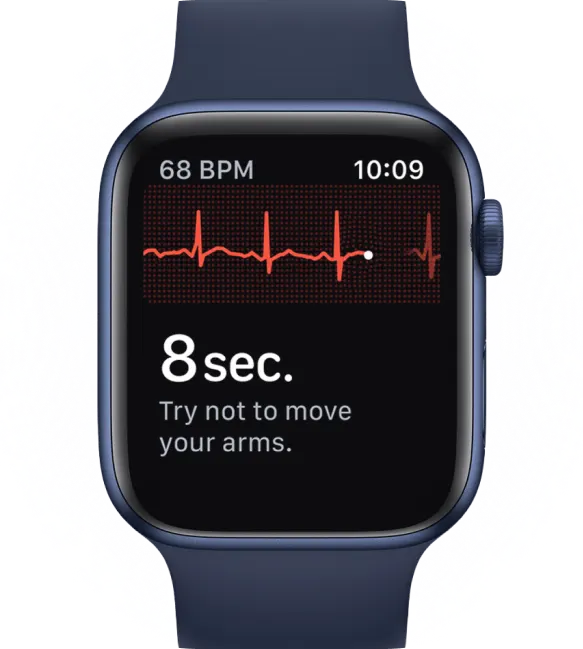
If you have a smartwatch like an Apple Watch, Fitbit, or even a dedicated device like Kardia, you’ve got an incredibly powerful tool right on your wrist. It can help you move from simply guessing how your body handles the heat to truly understanding it. Think of this as your guide to using that technology to track your sauna and heart health journey with confidence.
This isn't about nervously looking for problems. It’s about gathering your own personal data to see the benefits for yourself, which can be incredibly reassuring.
What to Watch for on Your Wearable
Your watch can become your personal health logbook. By keeping an eye on a few key numbers before, during, and after your sauna sessions, you can build a clear picture of how your heart is adapting over time.
To start, just focus on these simple data points:
- Resting Heart Rate (RHR): Make a mental note of your RHR before you step into the sauna. Once you're out and have cooled down for about 30 minutes, check it again. Over several weeks of regular sauna use, you might notice your baseline RHR starts to creep down, which is a fantastic sign of a more efficient heart.
- Heart Rate During the Sauna: Don't be alarmed when your heart rate climbs. It's totally normal for it to reach a level similar to a brisk walk, often somewhere between 100 and 150 beats per minute. This is the gentle "workout" we've been talking about. Seeing this number simply confirms your body is responding exactly as it should to the heat.
- Heart Rate Recovery: This one is a great indicator of cardiovascular fitness. Pay attention to how quickly your heart rate drops back toward your resting baseline after you leave the sauna. A faster recovery is a big win.
When you track these trends, you're not just hoping for the best. You're seeing real evidence of your body getting stronger.
Understanding Palpitations and Heart Rate Variability
It’s completely understandable to feel a bit anxious if you notice your heart flutter or skip a beat, especially when it’s already beating faster in the heat. These sensations, called palpitations, can happen whenever your heart rate is elevated. More often than not, it's just a normal response to the increased work your heart is doing.
This is where your watch's ECG function becomes so valuable. If you feel a weird flutter, that’s the perfect moment to take a quick ECG reading. You'll often find it just shows a normal sinus rhythm that's simply fast, which can provide immediate peace of mind.
Another powerful metric to follow is Heart Rate Variability (HRV). Think of HRV as a snapshot of your body's resilience and its ability to handle stress, both physical and mental.
A higher HRV is generally a sign of a well-balanced, adaptable nervous system. Interestingly, consistent sauna use has been shown to improve HRV over time, suggesting it helps nudge your body into that relaxed, "rest-and-digest" state.
Tracking your HRV trends over weeks and months can be one of the most reassuring parts of this process. You can learn more about what heart rate variability is to get a deeper sense of this powerful metric. This knowledge helps you see the long-term, positive impact of your sauna routine, turning any initial anxiety into confidence in your heart's health.
Understanding Who Should Be Cautious with Saunas
While the science linking sauna use and heart health is promising, it’s not a one-size-fits-all therapy. Your well-being is the top priority, and it's crucial to understand that what’s beneficial for one person might pose a risk for another. This isn’t to cause alarm, but to give you the knowledge to make a smart, informed choice for your own body.
Think of it this way: a brisk walk is fantastic for most people, but someone just out of major surgery needs to rest. In the same way, the mild heat stress from a sauna can be a great tool, but for certain heart conditions, it's wise to proceed with caution or not at all.
When to Absolutely Avoid Sauna Use
For some active and unstable heart conditions, the shifts in heart rate and blood pressure that happen in a sauna can create too much strain. Your heart is already working overtime, and adding more demand isn't the right move.
It's strongly recommended to steer clear of saunas if you have any of the following:
- Unstable Angina: This is chest pain that's unpredictable or getting worse, a clear signal your heart isn't getting a steady supply of oxygen.
- A Recent Heart Attack: Your heart muscle needs time to heal and get stronger. It’s vital to follow your doctor’s advice on when it’s safe to resume activities that get your heart rate up.
- Severe Aortic Stenosis: This condition means a key valve in your heart has narrowed, making it much harder for your heart to pump blood out to your body.
The idea is always to support your heart, not to put it through a major challenge when it’s already vulnerable.
Situations That Require a Doctor’s Guidance
Beyond those clear-cut cases, there are other health scenarios where having a conversation with your doctor is a must before you start a sauna routine. This isn't about asking for permission. It's about partnering with your doctor to create a plan that's both safe and effective for you.
Make sure to check in with your healthcare provider if you have:
- Low Blood Pressure (Hypotension): Since saunas can lower blood pressure even more, you'll want to be sure you aren't at risk for getting dizzy or fainting.
- Arrhythmias: If you have a known heart rhythm disorder, it's important to understand how the heat might affect it.
- Kidney Disease: Your kidneys are masters of fluid balance, and the heavy sweating in a sauna can throw that system off.
- Pregnancy: The effects of a high core body temperature on a developing fetus aren't fully understood, so caution is always the best path here.


Smart Sauna Habits for Everyone
Even if you’re in perfect health, a few common-sense habits will make every session safer and more enjoyable.
First, stay hydrated. Drink plenty of water before you go in and after you get out. It’s also a good idea to skip alcohol before a sauna session, as it can worsen dehydration and cloud your judgment.
The most important rule is to listen to your body. If you ever feel dizzy, nauseous, or just "off," it’s time to step out. There's no prize for staying in longer than feels comfortable.
Finally, start slow. Your first few sessions should be short, maybe just 5 to 10 minutes at a slightly lower temperature. This lets your body acclimate. Just as it's vital to know when to be cautious with saunas, it's equally important to be informed about other intense thermal therapies, including who should avoid ice baths, as different health conditions warrant different precautions.
Your Path Forward with Confidence
Taking proactive steps for your heart health is one of the most powerful things you can do for yourself. The goal of this journey isn't to create anxiety, but to build confidence through understanding. It’s about weaving gentle, supportive habits into your life that align with your wellness goals.
The link between sauna use and heart health is a perfect example. Regular, moderate sessions can be a fantastic, low-stress addition to your routine. Think of it less as a standalone solution and more as a helpful partner to the other smart choices you're making, like staying active and managing stress.
Trusting Your Body and Your Tools
Ultimately, the most important lesson here is to listen to your body. You are the world's foremost expert on you. Pay close attention to how you feel before, during, and after a sauna session. This self-awareness is your single most reliable guide.
When you combine that intuition with hard data from tools like your wearable ECG, you get an even clearer picture of what's going on. Monitoring trends in your heart rate, recovery time, and HRV isn't about anxiously searching for problems. Instead, it’s about gathering reassuring evidence that your body is adapting and getting stronger. This is how you build genuine peace of mind.
Remember, your journey with sauna and heart health is a marathon, not a sprint. Consistency and moderation are far more powerful than intensity. Every session is another positive step toward supporting your cardiovascular wellness for the long run.
In the end, this is all about building confidence. By staying informed, listening to your body’s signals, and using the resources available to you, you can feel in control of your health. You are your own best advocate, and every small, intentional step you take is a win for your heart. Move forward with the assurance that you have the knowledge and tools to guide you.
Your Sauna and Heart Health Questions, Answered
It's natural to have questions as you start exploring the benefits of saunas. Getting curious is a huge part of taking charge of your own health. Let's tackle some of the most common ones to give you clarity and confidence.
How Often Should I Be Using a Sauna for Heart Benefits?
When it comes to sauna use, think consistency over intensity. The big, headline-grabbing studies on heart health point to people who used a sauna four to seven times per week.
But don't let that number intimidate you. Even hitting the sauna for two to three sessions per week has been shown to provide some serious cardiovascular support. The best routine is the one you can stick with without it feeling like a chore.
Is an Infrared Sauna Better Than a Traditional One?
This is a fantastic question, and the simple answer is that both are great for your heart. A traditional Finnish-style sauna gets the air temperature much higher, giving you that classic intense heat that gets your heart rate up and blood pumping. An infrared sauna achieves a similar physiological response but works by heating your body directly, so the air temperature can stay much lower and more comfortable for some people.
The "better" sauna is whichever one you'll actually use consistently. If you find intense, hot air a bit much, an infrared sauna might be a more enjoyable way to get started.
At the end of the day, both can lead you to the same heart-healthy destination.
Can I Use a Sauna if I Have High Blood Pressure?
This is one of those times where the first, most important step is to talk to your doctor. For many people with stable and well-managed high blood pressure, saunas can be a great addition to their wellness routine. The heat encourages your blood vessels to relax and open up, which can cause a temporary drop in blood pressure that sometimes even has a lasting effect.
However, your doctor knows your specific health situation and needs to give you the green light. They can help you create a plan to do it safely. That plan might include things like:
- Starting off with shorter sessions at a lower heat setting.
- Making absolutely sure you're well-hydrated before and after.
- Skipping the quick, dramatic cool-downs like a cold plunge, which can cause rapid changes in blood pressure.
Your safety is always priority number one, and a quick conversation with your doctor is the best way to make sure you're on the right track.

If you're using a wearable device to keep an eye on your heart around your sauna sessions, our certified professionals can review your ECGs in minutes.



.png)
.png)