





Key Takeaways

User Profile
Azithromycin is a go-to antibiotic for many common bacterial infections. But like any medication, it's worth knowing about its potential side effects. Most are mild, think stomach upset or diarrhea, but there are rare yet serious risks, including heart rhythm problems, that you should be aware of.
Getting familiar with these effects is the first step toward taking charge of your health while you're on the medication.
Understanding Azithromycin and Your Health
We get it. Starting a new prescription can stir up a mix of hope and anxiety, especially when you're already committed to keeping your heart healthy. It's perfectly normal to feel a bit overwhelmed when navigating the healthcare system, and you've come to the right place for clear, supportive information.
This guide is here to walk you through what you need to know about azithromycin side effects with empathy, not alarm. Our goal is to cut through the medical jargon and empower you with knowledge you can trust.
What Is Azithromycin and How Does It Work?
Think of azithromycin as a construction manager that brings a bacterial building project to a grinding halt. It’s part of a class of antibiotics called macrolides. Instead of killing bacteria outright, it blocks their ability to create the proteins they need to grow and multiply.
This simple action stops the infection from spreading, giving your body's own immune system the advantage it needs to clear things up. That’s why it’s prescribed for everything from sinus infections to pneumonia.
Why Awareness of Side Effects Is So Important
Knowing about potential side effects isn't about bracing for the worst, it's about being prepared. When you understand what your body might go through, you can spot the difference between a minor, temporary reaction and a sign that you need to call your doctor.
Being informed transforms you from a passive patient into an active partner in your own healthcare. It allows you to listen to your body’s signals and communicate them effectively, ensuring you get the best and safest care possible.
For anyone who keeps a close eye on their heart health, this awareness is even more vital. While the vast majority of people take azithromycin without any issues, its rare link to heart rhythm changes makes proactive monitoring a smart move. We’ll get into the specifics of this later, showing you exactly what to look for and how to stay ahead of any potential concerns.
This guide will give you the tools and confidence to manage your treatment. You'll learn about:
- The most common and mild side effects you might run into.
- The specific, though rare, heart-related risks and what they really mean.
- How to use your wearable ECG to keep an eye on your heart at home.
- Practical steps for talking about your health with your doctor.
Our mission is simple: to replace uncertainty with knowledge. Let's start this journey together, putting you firmly in control of your health.
Navigating Common Azithromycin Side Effects

Starting any new medication comes with a bit of uncertainty. "How will my body react?" is a question we all ask. When it comes to azithromycin, the side effects you're most likely to run into are digestive ones. While that's often reassuring, meaning they're typically not serious, we know that things like nausea, diarrhea, or an upset stomach can throw a real wrench into your day.
It's frustrating enough dealing with an infection. Adding tummy troubles on top of it all can feel like a lot. Let's walk through what you might expect and cover some simple, practical ways to manage these symptoms so you feel more prepared and in control.
Tummy Troubles: The Usual Suspects
For many people, taking azithromycin means dealing with some sort of gastrointestinal complaint. This happens because antibiotics are designed to target bad bacteria, but in the process, they can also disrupt the friendly bacteria that live in your gut and keep your digestion running smoothly. It's this imbalance that often causes the discomfort.
These digestive issues aren't just a slight possibility; they are the most common side effects of azithromycin. In a review of nearly 4,000 patients, 12% experienced side effects, and the vast majority of those were related to the stomach and gut.
The most frequent complaints include:
- Nausea or an upset stomach: You might feel a bit queasy, especially shortly after taking a dose.
- Diarrhea or loose stools: This is a classic reaction to many different antibiotics.
- Abdominal pain or cramping: Your stomach might just feel sore or unsettled.
- Vomiting: While less common than nausea, it can still happen.
These symptoms can be unsettling, but just knowing they are a normal and usually temporary part of the process can bring some peace of mind.
It's helpful to view these side effects not as a sign something is wrong, but as your body adjusting to a powerful medicine that is working to make you well. The key is to manage them gently and listen to what your body needs.
How to Soothe Your System
If you start to experience these common digestive issues, there are some simple yet effective things you can do to feel better. The main goals are to be kind to your stomach and to make sure you're staying hydrated.
Here are a few practical tips to try at home:
- Eat Simple Foods: Stick with bland, easy-to-digest options. The classic BRAT diet with bananas, rice, applesauce, and toast is your friend here. Try to avoid spicy, fatty, or heavy meals that could irritate your stomach even more.
- Stay Hydrated: This is absolutely critical, especially if you have diarrhea. Dehydration can sneak up on you and make you feel much worse. Sip on water, clear broths, or drinks with electrolytes throughout the day to replenish what you've lost.
- Consider Timing: Check with your doctor or pharmacist about taking azithromycin with food. For some, having a small meal or snack with their pill makes a world of difference in preventing nausea.
For a broader perspective on how different medications can affect you, it can be helpful to explore resources on understanding medication side effects.
The Connection Between Your Gut and Your Heart
While digestive issues are usually just a temporary nuisance, it’s important to know how severe symptoms can sometimes connect back to your heart. For instance, persistent, severe diarrhea can lead to serious dehydration and throw off your body's balance of electrolytes like potassium and magnesium.
These electrolytes are vital for keeping your heart rhythm stable. When their levels drop too low, it can sometimes trigger that feeling of a racing or fluttering heart, also known as palpitations. Recognizing the early signs of dehydration and managing diarrhea quickly is a great way to protect both your gut and your heart.
Listening closely to your body's signals is always the best approach. If any side effect feels severe or just isn't getting better, it’s time to check in with your doctor.
Understanding Azithromycin's Impact on Your Heart Rhythm
Alright, let's get to the heart of the matter. While stomach troubles are the most common complaint with azithromycin, the main reason it gets so much attention is its rare but serious potential to affect your heart's rhythm. We get it, that can sound pretty scary, especially when you're already focused on your cardiac health.
Our goal here isn’t to cause alarm. It’s to arm you with clear, calm information. Understanding why this risk exists is the single most powerful tool you have. It moves you from a place of fear to a position of knowledge, making you an informed, proactive partner in your own healthcare.
Your Heart's "Recharge Time": The QT Interval
Let’s start with a core concept that’s central to this whole discussion: the QT interval. Think of your heart like a camera with a flash. After taking a picture, the flash needs a quick moment to recharge before it can fire again.
Your heart’s electrical system works in a very similar way. After each beat, it needs to “recharge” or reset itself to get ready for the next one. On an ECG, this recharge period is called the QT interval. It’s a tiny fraction of a second, but it's absolutely crucial for maintaining your heart’s steady, reliable rhythm.
A normal, healthy QT interval means your heart has a smooth, efficient recharge cycle, keeping your heartbeat consistent and strong.
What Is QTc Prolongation?
Sometimes, certain things can make this recharge time take a little longer than it should. This is called QTc prolongation. That little "c" just means the measurement has been corrected for your heart rate, which gives doctors a more accurate picture of what's going on.
When the QTc interval is prolonged, it means your heart’s electrical system is taking too long to reset between beats. Going back to our camera flash analogy, if the flash takes too long to recharge, you can't snap pictures at a steady pace. A prolonged QTc leaves your heart in a vulnerable state for a slightly longer window, creating an opportunity for its rhythm to get thrown off.
This extended "recharge time" is the main reason why certain azithromycin side effects are a concern for heart health. It creates an unstable electrical environment in the heart, which, in very rare cases, can lead to serious rhythm problems.
Understanding this mechanism is key. It’s not some random, unpredictable effect; it’s a specific electrical change that we can monitor and manage.


The Real Risk: Torsades de Pointes
So, what's the actual danger of a prolonged QTc? In rare instances, this lengthened recharge time can set the stage for a dangerous type of fast, chaotic heartbeat called Torsades de Pointes (TdP). This is a serious arrhythmia that can cause dizziness, fainting, and can be life-threatening if it's not corrected quickly.
It's vital to put this risk in perspective. This is not a common side effect of azithromycin. For the vast majority of people taking it, this will never be an issue. The risk becomes more significant, however, for people who already have certain risk factors.
These risk factors include a personal or family history of Long QT Syndrome, existing heart conditions like heart failure or a previous heart attack, low levels of electrolytes in your blood, especially potassium or magnesium, or taking other medications that also prolong the QT interval.
This is exactly why being aware is so important. If any of these apply to you, it's a conversation you must have with your doctor before you start taking this antibiotic. Plenty of other drugs that cause prolonged QT interval exist, and your doctor needs the complete picture to keep you safe.

This isn’t just a theoretical worry. Research has confirmed the link, showing that azithromycin can increase the risk of cardiovascular problems compared to other antibiotics. One study found an approximately 2-fold increased risk of cardiovascular death within five days of starting azithromycin when compared to amoxicillin. This knowledge empowers you to ask the right questions and be your own best advocate.
Using Your Wearable ECG to Monitor Your Heart Health
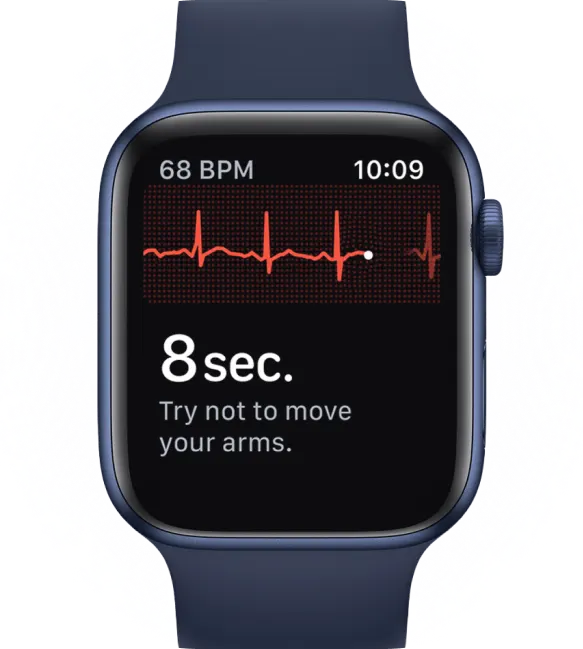
Now that we've covered the "why" behind the heart-related side effects, let's talk about how you can stay on top of it. This is where knowledge truly becomes power. Your wearable device, whether it’s an Apple Watch, Fitbit, or another ECG-enabled gadget, can be an incredible ally. It's time to see it as more than just a step counter, but as a personal health monitor that offers genuine peace of mind.
It's completely normal to feel a little uneasy about potential side effects, especially when they involve your heart. But having a tool right on your wrist lets you stay informed instead of just worrying. You can gather real, tangible data to share with your doctor, making you an active partner in your own healthcare.
How to Take a Meaningful ECG Reading
Taking an ECG with your watch is simple, but doing it with a clear purpose makes all the difference. When you're monitoring for potential medication effects, a little routine goes a long way.
Here’s how to get the most out of your at-home ECGs:
- Establish a Baseline: Before you take your first dose of azithromycin, take an ECG or two. This gives you a clear snapshot of your heart's normal rhythm and QTc interval before the medication is introduced. Think of it as your personal benchmark.
- Be Consistent: Try to take your ECG at the same time each day, preferably when you're calm and resting. Sit down, relax for a few minutes, and then hit record. Consistency helps you spot true changes, not just fluctuations from stress or your morning coffee.
- Stay Still and Quiet: During the 30-second reading, try to stay still and avoid talking. Rest your arm on a table or your lap to prevent muscle "noise" from interfering with the signal. This is key to getting the clearest, most accurate tracing possible.
This simple routine helps you build a reliable log of your heart's activity, making it much easier to notice any subtle shifts that might be related to the side effects of azithromycin.
What to Look For in Your ECGs
Once you have a reading, you might wonder what you're actually looking at. The good news is you don't need to be a cardiologist to spot important trends, especially with the right tools.
Here are the key things to pay attention to:
- Changes in Heart Rhythm: Does your rhythm look different from your baseline? Are you seeing new episodes that your watch labels "Atrial Fibrillation" or even "Unclassified" that weren't there before?
- New or Increased Palpitations: If you're feeling palpitations like fluttering, skipping, or racing, try to capture an ECG right when it's happening. This gives your doctor invaluable data to work with.
- Your QTc Interval Reading: This is the most important metric when monitoring for azithromycin effects. You're looking to see if this "recharge time" is getting longer after you've started the medication.
Trying to interpret these complex graphs and numbers on your own can feel overwhelming. That’s where a service like Qaly comes in handy.
You shouldn't have to carry the burden of interpreting medical data alone. Getting expert analysis of your ECGs provides clarity and confidence, turning raw data into actionable information you can trust.
Making Sense of the Data with Qaly
This is where everything comes together. Instead of staring at a squiggly line and a QTc number, wondering what it all means, you can get a clear, human-reviewed answer in minutes. An app like Qaly connects you with certified cardiographic technicians who analyze your wearable ECGs.
The process is straightforward: you take an ECG on your device and share it with the Qaly app. A trained professional reviews it and sends back a detailed report in plain English, explaining not just your precise QTc interval but what it actually means.
This service transforms your device into a truly powerful monitoring tool, bridging the gap between simply collecting data and actually understanding it. For anyone worried about their QTc, knowing whether it's a real concern is crucial. You can learn more about whether a long or short QTc is cause for worry in our detailed guide.
By getting an expert analysis, you gain two critical things. First, the reassurance of a professional interpretation, which can dramatically reduce health anxiety. Second, you get credible, documented reports you can confidently share with your doctor, leading to more productive conversations about your treatment. This is how you take charge of your health journey.
How to Discuss Your Concerns with Your Doctor
You’ve been diligently monitoring your heart while taking azithromycin, and now you have real data from your own wrist. That's a huge step. But the next part, turning that data into a productive conversation with your doctor, is the most critical. We get it, this can feel intimidating, especially when you're worried your concerns might be brushed aside.
This guide is here to give you a simple framework for that talk. The goal is to help you present your findings not just as an anxious patient, but as an informed partner in your own healthcare.
Preparing for Your Appointment
Walking into your doctor's office prepared can make all the difference. Instead of vaguely saying you "feel off," you can show them exactly what's been happening. A little prep work can transform the entire conversation.
Before you go, take a few minutes to gather your thoughts and your data. This helps ensure you cover every important point and don't leave feeling like you forgot something critical.
Here’s a quick checklist to get you ready:
- Organize Your ECGs: Have your Qaly reports ready to go, either printed out or on your phone. The fact that they're technician-reviewed adds an extra layer of credibility to what you're showing them.
- List Your Symptoms: Jot down any symptoms you’ve felt since starting the medication. Note when they happened, how long they lasted, and what they felt like. Details are your friend here.
- Compile a Medication List: Make a complete list of everything you take. This means prescriptions, over-the-counter drugs, vitamins, and even herbal supplements. Drug interactions are a major factor in the side effects of azithromycin.
This simple prep helps you walk in feeling confident and clear.
Each step, from capturing the ECG to getting an expert-reviewed report, empowers you with solid information to share with your doctor.
Structuring the Conversation
Once you're in the room, how you start the discussion matters. You want to come across as a proactive partner, not someone who's already jumped to conclusions.
Try opening with something collaborative:
"Doctor, I've been monitoring my heart with my watch since I started the azithromycin, since we talked about its potential heart effects. I have a few ECGs I'd like to show you, along with some symptoms I've noticed."
This kind of opening works perfectly. It shows you’re engaged, respects their expertise, and gets right to the point with clear, actionable information.
From there, walk them through your findings step-by-step:
- Present Your Baseline: Start with the ECG you took before the medication. "This was my baseline QTc reading before my first dose."
- Show the Changes: Then, bring up the ECGs you've taken since. "On day three, I noticed my QTc had increased to this level in the report from Qaly. I also felt some palpitations around that same time."
- Connect to Symptoms: Clearly link the data to how you've been feeling. "When I felt dizzy yesterday morning, I took this ECG, and the report noted this change in my heart rhythm."
- Discuss Your Full Medication List: Hand over that list you prepared. "Here is everything else I'm currently taking, just so we can be sure there aren't any interactions adding to these side effects."
This structured approach helps your doctor see the whole picture, quickly and efficiently. For more ideas on making your visit as productive as possible, check out our guide on questions to ask your cardiologist. Having the right questions ready can make a world of difference.
Frequently Asked Questions About Azithromycin
Learning about the potential side effects of a new medication can bring up a lot of questions. That’s perfectly normal. Getting clear answers is the best way to feel confident and in control of your health. Let’s walk through some of the most common questions people have about azithromycin.
How Soon Can Azithromycin Side Effects Appear?
The timing can really vary from person to person. More common issues, like an upset stomach or nausea, often show up within the first day or two as your body gets used to the medication.
Heart-related side effects, though much less common, are something to be aware of throughout your entire course of treatment. This is why it’s so important to pay attention to how you’re feeling from the very first dose.
If you ever feel severe symptoms like fainting, extreme dizziness, or a very fast and forceful heartbeat, you need to get medical help right away. A smart, proactive step is to take a baseline ECG with your watch before starting azithromycin and then continue checking it daily. This simple habit helps you and your doctor catch any significant changes early on.
Are Some People at Higher Risk for Side Effects?
Yes, absolutely. Certain health histories can make someone more susceptible to azithromycin's side effects, especially the cardiac ones. Your personal and family medical history is a huge piece of this puzzle.
Individuals who might be at a higher risk include those with a known history of Long QT Syndrome, either for themselves or in their family, previous issues with heart rhythm problems, also known as arrhythmias, low levels of electrolytes like potassium or magnesium that haven’t been corrected, a naturally slow heart rate (bradycardia), or certain types of heart failure or other underlying heart conditions.
It's critical to have a completely open conversation with your doctor about your health history before you start the prescription. This allows them to make the safest call for you, which might mean picking a different antibiotic without the same cardiac risks.
Your health history isn't just a formality; it's a vital safety check. Sharing it fully ensures your treatment plan is actually right for your body's unique needs.
What if My Wearable ECG Shows a Long QTc?
Seeing a "prolonged QTc" alert from your watch can be jarring. The key is not to panic, but to take calm, deliberate action. This is exactly why you're monitoring in the first place.
Your very first step should be to share that ECG reading with your doctor immediately. If you're using an app that provides a technician-reviewed analysis of your ECG, that added layer of credibility can help your doctor act with more confidence. Do not stop taking your medication unless your doctor tells you to do so.
Your doctor will want to verify the reading from your watch. They’ll likely ask you to come in for a standard 12-lead ECG in the clinic or may direct you to an urgent care or ER for a quicker evaluation. Your at-home data serves as the crucial first alert, paving the way for fast and safe adjustments to your care plan.
Should I Avoid Alcohol While Taking Azithromycin?
It’s a very good idea to steer clear of alcohol while you're on a course of azithromycin. While it doesn't typically cause a severe, dangerous interaction, it can definitely make you feel worse and complicate your recovery.
Alcohol is a known stomach irritant, so it can make common side effects like nausea and stomach pain even more unpleasant. It can also lead to dehydration, which is the last thing you need if you’re also dealing with diarrhea from the antibiotic.
And for anyone keeping an eye on their heart, remember that alcohol itself can trigger palpitations or other rhythm changes in some people. To give your body its best shot at fighting the infection without any extra stress, stick to water and other hydrating drinks until you’ve finished your medication and are feeling back to 100%.

When you need clarity on your heart's rhythm, Qaly is here to help. Get your wearable ECGs reviewed by certified experts in minutes, turning confusing data into clear, actionable insights you can share with your doctor.



.png)
.png)