





Key Takeaways

User Profile
Hello Heart Hero. Starting a new medication like citalopram can bring a mix of hope and uncertainty. It's completely normal to have questions about the side effects for citalopram.
Most people notice things like nausea, drowsiness, or a dry mouth at first. The good news? These usually fade as your body gets used to the new routine.
Understanding Citalopram Together

We get it. Navigating the healthcare world can feel like a lot, especially when appointments feel rushed. You're here because you want clear, reliable information, and taking the time to understand your treatment is a huge step in owning your health journey. This guide is here to walk you through it with straightforward, empathetic answers.
Citalopram belongs to a class of antidepressants called selective serotonin reuptake inhibitors, or SSRIs. Think of its job as helping to rebalance a natural chemical in your brain called serotonin, which is a major player in regulating your mood. By making more serotonin available, citalopram can help lift the weight of depression and anxiety.
What We Will Explore
Throughout this guide, we'll break down several key topics in a simple, easy-to-follow way:
- Common Initial Reactions: We'll cover what to expect in the first few weeks as your body adjusts to the medication.
- Heart-Specific Concerns: A close look at how citalopram can affect your heart's rhythm, explained without all the confusing jargon.
- Using Your Smartwatch: Practical tips on how you can use your wearable ECG to keep an eye on your heart and share useful data with your doctor.
- Important Interactions: A clear breakdown of how citalopram might interact with other medications, supplements, or health conditions.
Your decision to learn more about the potential side effects for citalopram isn't a sign of fear. It's a sign of strength. It shows you're taking an active role in your own well-being, and that's something to be proud of.
We’ll tackle each topic in manageable pieces, so you have the information you need, right when you need it. Let's start this journey together, armed with clarity and confidence.
Common Side Effects in the First Few Weeks
Starting any new medication like citalopram can feel a little uncertain, and it's completely normal to wonder what's ahead. Think of it like breaking in a new pair of hiking boots. There might be some initial discomfort while your body gets used to the change, but it often smooths out with a little time.
Most of the common side effects of citalopram tend to pop up in the first week or two and are usually on the milder side. These aren't red flags; they're simply signs that your body is adapting to how the medication works. Your system is just learning a new rhythm, and these feelings are part of that adjustment.
Your Body's Initial Adjustment Period
When you first begin taking citalopram, you might notice a few physical shifts. This is very common, and these feelings often fade on their own as your body acclimates. The best thing you can do is keep an open line of communication with your doctor about what you're experiencing.
Some of the most frequently reported initial side effects include:
- Nausea or Upset Stomach: This is one of the most common experiences. A simple trick is to take your medication with food, which can often help settle your stomach.
- Drowsiness or Fatigue: It's not unusual to feel more tired than normal. This feeling typically lessens over time, but it’s smart to be cautious with activities like driving until you know how citalopram affects you personally.
- Dry Mouth: A persistently dry or sticky feeling in your mouth is common. Sipping water throughout the day, chewing sugar-free gum, or using over-the-counter saliva substitutes can really help.
- Trouble Sleeping (Insomnia): While some people feel sleepy, others find it hard to fall or stay asleep. If this happens to you, your doctor may suggest taking your dose in the morning instead of at night.
- Increased Sweating: You might notice that you're sweating more than usual, even when you aren't warm or exercising.
Remember, for most people, these experiences are temporary. The key is to give your body a little patience and stay in touch with your healthcare provider.
Changes in Appetite and Sexual Health
Beyond the initial "getting-to-know-you" phase, there are a couple of other important side effects to be aware of because they can affect your daily life and well-being. These are often the ones people feel hesitant to bring up, but talking to your doctor is the most direct path to finding a solution.
First, you might see a change in your appetite, which can go either way. Some people find their appetite shrinks a bit, while others notice it increases, which could lead to weight changes over time. Keeping a quick note of these shifts can give your doctor useful information.
It's incredibly important to know that you are not alone in these experiences. Many people navigate these same adjustments, and there are ways to manage them effectively without sacrificing your quality of life.
Another significant topic is sexual health. This is a very sensitive and personal area, but it's one of the most important to talk about openly. One of the most common side effects of citalopram is sexual dysfunction. Clinical data shows that issues like decreased libido, erectile dysfunction, and ejaculation disorders occur in up to 10% of patients. However, in real-world surveys, it's often the most frequently reported side effect and can be the most burdensome, sometimes leading people to stop treatment. You can read the full research about SSRI side effects to understand more.
If you notice any changes in this area, please know it's a valid and common concern. Your doctor has heard it all before and can discuss options, which might include adjusting your dose or exploring other strategies. Your emotional and physical well-being are both equally important on your path to feeling better.
Citalopram and Your Heart Beat: A Closer Look at QTc Prolongation
Now, let's talk about something that might sound a little intimidating but is really important to understand: how citalopram can affect your heart's rhythm. You may have heard the term QTc prolongation pop up when looking into the side effects of citalopram. It’s normal to feel a bit worried when you see complex medical words connected to your heart.
My goal here isn’t to cause alarm. It’s to give you clear, simple information so you feel prepared and empowered. Knowing about this specific effect is a key part of being an active partner in your own healthcare.
What Is QTc Prolongation in Simple Terms?
Think of your heart's electrical system like a perfectly timed orchestra. Each heartbeat has a distinct rhythm, a period of action (contracting to pump blood) and a period of rest (recharging for the next beat). The QT interval is simply the measurement of time it takes for your heart's lower chambers to contract and then fully recharge.
The "c" in QTc just means it's been "corrected" for your heart rate, which gives a more accurate picture regardless of whether your heart is beating fast or slow. So, QTc prolongation means this recharging phase is taking a tiny fraction of a second longer than it should.
Imagine a camera flash. After it goes off, it needs a moment to recharge before it can flash again. QTc prolongation is like that recharge time being slightly delayed. It’s a very small change, but it's important to keep an eye on because a consistent delay can, in rare cases, lead to an unstable heart rhythm.
This side effect is well-documented and is one of the main reasons there are very clear guidelines about the maximum recommended doses for citalopram. It’s a predictable effect that doctors know how to manage.
Why Doses of Citalopram Matter So Much
Years of research and clinical experience have shown that the risk of QTc prolongation with citalopram is dose-dependent. This simply means that the higher the dose you take, the more likely it is to affect your heart's electrical timing.
This is precisely why health authorities, like the FDA in the United States, have set specific dosage limits.
- For most adults, the maximum recommended dose is 40 mg per day.
- For individuals over 60 years old or those with certain liver conditions, the maximum dose is even lower, at 20 mg per day.
These aren't just arbitrary numbers. They are safety guardrails put in place to give you the benefits of the medication while significantly minimizing the risk to your heart. Sticking to these guidelines is the single most effective way to stay safe.
Who Might Be at a Higher Risk?
While anyone taking a high dose could be affected, some people have underlying factors that make them more susceptible to QTc prolongation. Being aware of these can help you and your doctor make the best decisions for your health.
You might be at a greater risk if you have:
- Pre-existing Heart Conditions: This includes a personal or family history of heart rhythm problems, especially a condition known as congenital long QT syndrome.
- Electrolyte Imbalances: Low levels of potassium or magnesium in your blood can interfere with your heart's electrical stability. These imbalances can be caused by certain medical conditions or other medications like diuretics (water pills).
- Other Medications: Taking citalopram with other drugs that also affect the QT interval can have a cumulative effect. It’s important to know that many different types of drugs can do this, which is why your doctor needs a complete list of everything you take. To learn more, you can explore this detailed list of drugs that cause QT prolongation.
Knowing this isn't about creating fear. It's about being proactive. If you fall into any of these categories, it doesn't automatically mean you can't take citalopram. It just means your doctor will be extra careful, likely starting you on a lower dose and perhaps monitoring your heart more closely.
This information gives you the power to have a more meaningful conversation with your doctor, ensuring your treatment plan is tailored specifically to you. Understanding these heart-related side effects for citalopram helps you become the hero of your own health story.
How to Use Your Smartwatch to Monitor Your Heart on Citalopram
Taking charge of your health is about more than just your annual check-up. When you're starting a new medication like citalopram, it's completely normal to want a closer look at how your body is responding day-to-day, especially when the healthcare system can feel a bit impersonal.
The good news? The technology you wear on your wrist can be a powerful partner in your health journey. Smartwatches from Apple, Fitbit, or Samsung that have electrocardiogram (ECG) capabilities give you a whole new way to be an active participant in your own care.
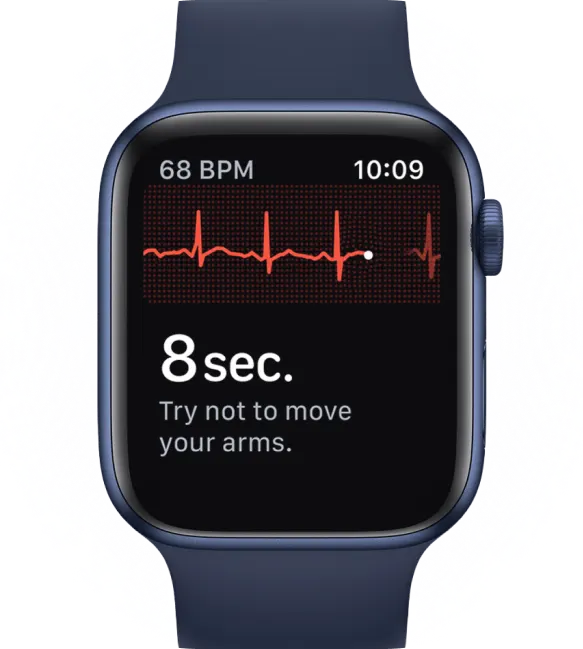
These gadgets do more than just count your steps. They let you capture a snapshot of your heart's electrical activity the moment you feel something unusual, like palpitations or a fluttery feeling. This turns a vague sensation of "feeling off" into real, concrete data you can share with your doctor.
Taking a Clear and Useful ECG Reading
Getting useful information from your smartwatch starts with taking a clear, high-quality ECG. Think of it like taking a photograph. A blurry, shaky picture won't tell you much. A crisp, clean one, on the other hand, gives your doctor the best possible view of what's happening with your heart.
To get a good reading, find a quiet spot where you can sit still for 30 seconds. Rest your arm on a table or your lap to keep muscle movement from creating noise in the signal. Just try to relax, breathe normally, and stay quiet during the recording.
For more detailed steps, this guide on how to take an ECG with your Apple Watch is a great resource. The basic principles apply to most devices and can make a huge difference in your recording quality.
The image below shows how a medication like citalopram might affect your heart’s rhythm, causing a slight delay in its electrical cycle.
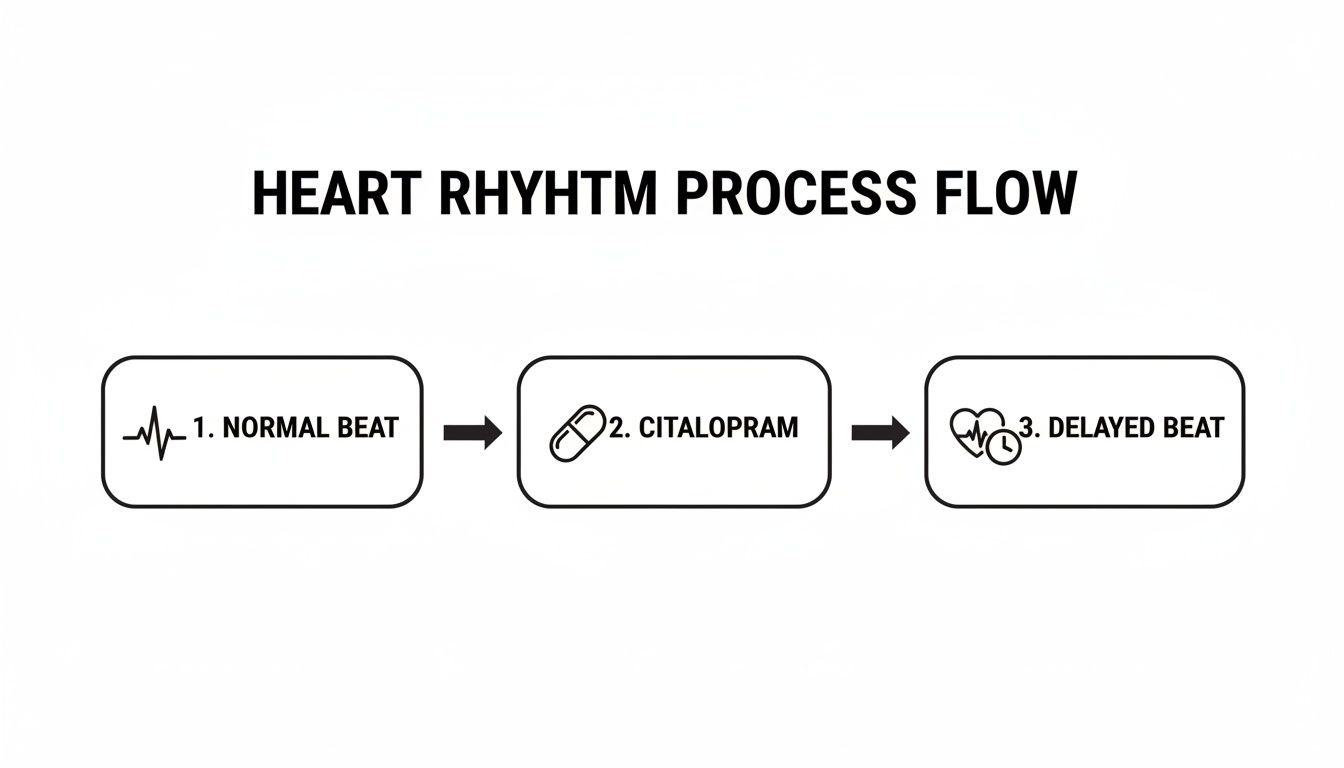
This is a perfect example of why keeping an eye on things is such a proactive step, especially when it comes to potential side effects for citalopram and your heart's timing.


What to Look For in Your Readings
Now, you're not expected to be a cardiologist when you look at your ECGs. Your job is to be a careful observer, to notice patterns and connect them with how you're feeling.
Here are a few things to keep track of:
- Your Heart Rhythm: Does the watch label your reading as "Normal Sinus Rhythm"? Or does it flag something else, like "Atrial Fibrillation" or give you an "Unclassified" result?
- Your Heart Rate: What's your heart rate during the reading? Is it faster (tachycardia) or slower (bradycardia) than you'd expect for what you're doing?
- Your Symptoms: This part is critical. Each time you take an ECG, jot down why. Were you feeling lightheaded? Short of breath? Did you feel palpitations?
By consistently logging your symptoms alongside your ECG readings, you create a powerful health journal. This log provides your doctor with a rich, detailed context that is far more valuable than memory alone. It connects the dots between what your body is feeling and what your heart is actually doing.
Turning Data into Action with Professional Insight
Collecting ECGs is a great first step, but the real value comes from understanding what they actually mean. Your smartwatch is good at flagging some common issues, but it can't always interpret more subtle changes, like shifts in your QTc interval.

This is where a service like Qaly can be incredibly helpful. You can send your smartwatch ECGs directly to certified cardiac technicians and often get a detailed report back in minutes. They can measure your PR, QRS, and QTc intervals and identify over 30 different arrhythmias, a level of detail that an automated algorithm just can't match.
Using a service like this helps you track trends over time. You can see if your QTc interval is staying stable or starting to change, and you can finally get a professional take on those confusing "unclassified" readings that might otherwise cause you worry.
This process transforms you from a passive patient into an informed advocate for your health. The next time you see your doctor, you won't just be saying, "I've been having some weird heart feelings." You'll be able to show them a log of well-documented ECGs with professional analysis, giving them specific, actionable data to work with. It’s a truly collaborative approach that ensures you and your clinician are working together to manage any potential side effects for citalopram safely and effectively.
Key Drug and Health Interactions with Citalopram
Taking citalopram isn't just about swallowing one pill a day; it's about understanding how that pill fits into your unique body chemistry. Think of it like adding a new ingredient to a complex recipe. For the best result, you need to know how it will mix with everything else already in the bowl.
The same is true for citalopram. It can interact with other medications, supplements, and even pre-existing health conditions. Getting a handle on these interactions isn't about creating a list of things to fear. It's about being an informed, active partner in your own healthcare to make sure your treatment is as safe and effective as it can be.
Common Medications That Can Increase Risks
One of the most important conversations to have with your doctor is about everything else you're taking. That means prescriptions, over-the-counter drugs, and even herbal supplements. Some common medications can amplify the risk of heart-related side effects, like QTc prolongation, when taken with citalopram.
It’s like two people singing slightly off-key in a choir. One might not be noticeable, but together, they can create a sound that's jarringly out of tune. The same cumulative effect can happen with your heart's rhythm.
Keep an eye out for these key medication types:
- Certain Antibiotics: Especially a class known as macrolides (like azithromycin) and fluoroquinolones.
- Antifungal Medications: Drugs like fluconazole can increase citalopram levels in your system.
- Other Psychiatric Drugs: Many other antidepressants, antipsychotics, and mood stabilizers can also affect the QT interval.
- Heart Rhythm Medications: Taking citalopram with drugs designed to manage arrhythmias requires very careful supervision.
This is why giving your doctor and pharmacist a complete medication list is so critical. They're trained to spot these potential pile-ups and find the safest path forward for you.
How Your Health History Plays a Role
Your personal health history is the other crucial piece of this puzzle. Certain pre-existing conditions can change how your body processes citalopram, potentially impacting both its effectiveness and your risk of side effects.
Your body has its own unique story. Sharing that full story with your doctor allows them to tailor your citalopram treatment specifically to you, turning potential risks into a well-managed care plan.
Conditions that require special attention include:
- Liver or Kidney Issues: Your liver and kidneys are your body's main filters. If they aren't working at full capacity, citalopram can build up, increasing the risk of side effects. Your doctor might start you on a lower dose.
- Electrolyte Imbalances: As we've touched on, low levels of potassium and magnesium can make the heart more vulnerable to rhythm changes. To learn more about how this works, you can read our detailed guide on electrolyte imbalance and your ECG.
- History of Heart Rhythm Disorders: If you or a close family member have a history of conditions like Long QT Syndrome, it is absolutely essential to tell your doctor. This information is critical for your safety.
Being completely open about your health history and everything you take isn't just helpful. It's the foundation of safe and personalized care. It empowers you and your doctor to work together as a team, making sure your journey to feeling better is a secure one.
When You Need to Seek Medical Help Immediately
Part of taking control of your health is knowing the difference between a minor hiccup and a true red flag. While most side effects from citalopram are mild and fade with time, some signs are your body's way of shouting for immediate medical help.
This isn't meant to scare you, but to give you a clear and simple safety plan. Knowing what to watch for means you’re prepared to act fast if a critical situation ever arises.
Critical Heart-Related Symptoms
Your heart has a way of letting you know when something is seriously wrong. If you experience any of the following symptoms, don't wait it out. It's time to call for emergency help.
- Fainting or Loss of Consciousness: Any sudden fainting spell is a medical emergency, period.
- Severe Dizziness or Lightheadedness: This isn't just a fleeting dizzy moment; it's the intense feeling that you're about to pass out.
- A Very Fast or Chaotic Heartbeat: This is when your heart feels like it’s pounding out of control or beating in a completely disorganized rhythm.
- Sudden Chest Pain or Shortness of Breath: These are classic distress signals from your heart that require urgent attention.
- Seizures: While rare, this is an extremely serious side effect that demands immediate medical care.
These symptoms could point to a dangerous heart rhythm, and getting help quickly is absolutely vital. For a bit more context, you might find it helpful to read about when to see a doctor for heart palpitations.
Understanding Serotonin Syndrome
Another rare but very serious condition to keep on your radar is Serotonin Syndrome. It happens when serotonin levels in your brain get dangerously high, often from mixing medications that both boost serotonin. This is a true medical emergency.
Think of Serotonin Syndrome as a "serotonin overload" that throws your body’s systems into chaos. It can escalate quickly, so catching the signs early is incredibly important.
Be on the lookout for a combination of these symptoms that develop over just a few hours:
- Mental Changes: Feeling agitated, confused, restless, or even having hallucinations.
- Physical Symptoms: A high fever, heavy sweating, shivering, and a racing heart rate.
- Muscle Issues: Severe muscle stiffness, twitching, or a sudden loss of coordination.
If you start experiencing a mix of these symptoms, especially a high fever paired with agitation and rigid muscles, call for emergency help right away. Your medical team is there to support you, and making that call is the safest, most proactive step you can take for your well-being.
Frequently Asked Questions About Citalopram Side Effects
Starting a new medication always comes with questions. It's totally normal to wonder about the day-to-day experience, and getting solid answers is part of feeling in control of your health. Let’s tackle some of the most common questions we see about citalopram side effects.
How Long Do the Initial Side Effects of Citalopram Usually Last?
For most people, the initial bumpy period, things like nausea, grogginess, or an upset stomach, tends to be most intense in the first one to two weeks. You can think of it as an adjustment phase while your body gets used to the new medication.
Often, these early side effects fade significantly or disappear entirely as you continue treatment. But if they hang around or become a real nuisance, the best move is always to have a chat with your doctor.
Can I Drink Alcohol While Taking Citalopram?
It’s strongly recommended that you avoid alcohol, or at the very least limit it, while taking citalopram. Alcohol can make side effects like drowsiness and dizziness much worse, which can make simple daily tasks feel harder and potentially unsafe.
Even more importantly, alcohol is a depressant. That means it can directly counteract what the medication is trying to do, possibly making the anxiety or depression you're treating even worse. For your own safety and the effectiveness of your treatment, talking honestly with your doctor about your alcohol use is the smartest path forward.
Your health is a delicate balance. Mixing substances like alcohol and citalopram can disrupt this balance in unpredictable ways, making it harder to achieve the stability you're working toward.
What Happens If I Miss a Dose of Citalopram?
If you realize you’ve missed a dose, go ahead and take it as soon as you remember. There’s one exception: if it’s already getting close to the time for your next dose, just skip the missed one and get back on your regular schedule.
Whatever you do, don't double up to "catch up." Taking a double dose can ramp up your risk of side effects. Consistency is what makes the medication work best, but don't panic. A single missed dose isn't a disaster.
Will the Side Effects Go Away if I Stop Taking Citalopram?
This is a really important one: never stop taking citalopram suddenly or without your doctor's guidance. Quitting cold turkey can lead to withdrawal-like symptoms, often called discontinuation syndrome. This can show up as dizziness, nausea, headaches, and feeling irritable.
Your doctor will help you map out a tapering plan to slowly lower your dose over a period of time. This gradual approach gives your body a chance to adjust, which helps minimize any rough discontinuation symptoms and makes for a much smoother and safer transition off the medication.

With Qaly, you can get your smartwatch ECGs reviewed by certified experts in minutes. This helps you make sense of palpitations, keep an eye on your QTc interval, and share clear, professional reports with your own doctor.



.png)
.png)