





Key Takeaways

User Profile
Hello Heart Hero. Starting any new medication, including nortriptyline, naturally brings up some questions. It's completely normal to wonder how it will affect your body.
When you first begin, the most common side effects for nortriptyline are usually pretty mild. Think of things like drowsiness, dry mouth, dizziness, and constipation. These often pop up as your body is just getting used to the new treatment.
Navigating Your Nortriptyline Journey

We get it. Beginning a prescription like nortriptyline can feel like a big step, especially if you're already managing other health issues or feel a bit wary of the traditional healthcare system. This guide is here to be a trusted partner on that journey. Our goal is to give you clear, honest information, not to cause any alarm.
We want you to feel prepared and confident. Understanding what to expect ahead of time empowers you to have better, more informed conversations with your doctor and take an active role in your own health.
What We Will Cover Together
Think of this guide as your roadmap. We'll walk you through the potential side effects of nortriptyline, breaking down even the complex topics into simple, easy to understand terms. We'll explore:
- Common, everyday adjustments your body might make as it gets used to the medication.
- Less common but more serious risks, particularly those related to your heart health.
- Practical tips and strategies for managing any side effects you might experience.
Knowing the terrain helps you navigate it safely and effectively.
Your well being is always the top priority. Being informed about both the benefits and potential side effects of any medication is the first step toward taking an active role in your own care.
We're here to help you understand what might happen, so you can feel ready for the path ahead. Together, we'll make this journey feel a little less uncertain.
Common Side Effects: What to Expect Day to Day

Starting nortriptyline is a bit like your body adjusting to a new routine. It needs some time to get acquainted with the medication, and you might notice a few changes during this break in period. The good news is that most of these initial experiences are mild and tend to fade as your body gets used to the treatment.
It’s completely normal to feel a little uneasy about potential changes. Let’s walk through the most common side effects for nortriptyline, so they feel less intimidating and more manageable.
The Most Frequent Adjustments
When you first start, you might run into what doctors call “anticholinergic effects.” It sounds technical, but it’s really just your body’s reaction to how the medication works. These effects are quite common and often the first things people notice.
Here’s what you might experience:
- Dry Mouth: This is often one of the first and most noticeable effects. You might feel like you constantly need a sip of water.
- Drowsiness or Fatigue: Feeling more tired than usual is common, especially during the first few days or weeks.
- Constipation: The medication can slow down your digestive system a bit, which can lead to less frequent bowel movements.
- Dizziness: You might feel a little lightheaded, particularly when standing up too quickly from a sitting or lying position.
These adjustments are very common, but that doesn't make them any less annoying. Fortunately, there are simple, practical ways to find some comfort.
Practical Tips for Managing Common Side Effects
Having a few strategies ready can make a world of difference. Instead of just waiting for side effects to pass, you can take small, active steps to make yourself more comfortable.
For a dry mouth, try keeping a water bottle handy and sipping throughout the day. Chewing sugar free gum or sucking on sugar free hard candies can also help stimulate saliva and bring relief.
To combat drowsiness, many people find it helpful to take their nortriptyline dose in the evening. This way, the peak sleepiness hits when you're already in bed. And if you’re feeling dizzy, just remember to move slowly. Give yourself an extra moment before standing up to let your body adjust.
Clinical sources confirm that dry mouth, drowsiness, dizziness, and constipation are indeed the most frequent side effects. It's also good to know that changes in weight or sexual function can be common, so you can be aware of these possibilities as you move forward.
Other Possible Changes to Be Aware Of
Beyond the most common adjustments, a few other side effects for nortriptyline are worth mentioning, even if they don't affect everyone.
- Blurred Vision: Some people experience temporary changes in their vision. This usually goes away on its own but is something to keep an eye on.
- Changes in Appetite or Weight: Nortriptyline can sometimes tweak your appetite, leading to either weight gain or loss.
- Heartbeat Awareness: You might occasionally become more aware of your heartbeat. This can feel like a brief flutter or what some call skipped heart beats.
It's important to remember that experiencing a side effect doesn't mean you're having a bad reaction. It's often just a sign that your body is adapting to the medication.
For a broader perspective on what to expect with various medications, you can find some great insights on managing medication side effects. The key is to listen to your body, be patient, and keep an open line of communication with your doctor.
Understanding the Cardiac Risks of Nortriptyline
Let’s talk about nortriptyline and your heart. It’s completely normal to feel a little uneasy when you hear about potential cardiac side effects, but please know that serious issues are not common. Being aware of them is simply part of being an informed advocate for your own health.
Our goal isn't to cause alarm, but to empower you with knowledge. We'll break down the technical jargon into simple, clear concepts. That way, you can have a more confident and productive conversation with your doctor about what’s best for you.
That Head Rush Feeling: Orthostatic Hypotension
Ever stand up too quickly and get that sudden wave of dizziness or lightheadedness, like the room is spinning for a moment? That sensation is known as orthostatic hypotension. It’s a temporary drop in blood pressure when you change positions, and it's one of the more common cardiac related side effects of nortriptyline.
So, why does it happen? Nortriptyline can sometimes relax your blood vessels a bit too much. When you get up, gravity naturally pulls blood down to your legs. Your body is supposed to adjust instantly, pumping that blood right back up to your brain. If the medication slows down this rapid response, your blood pressure can dip for a second, causing that dizzy "head rush."
While it's usually just a brief annoyance, it can increase the risk of feeling unsteady or even fainting. It’s something to be mindful of as you move through your day.
Demystifying Your Heart's Electrical Rhythm
To understand the other cardiac risks, let's use an analogy. Imagine your heart's electrical system is a perfectly timed orchestra. Every heartbeat is a note, and for the music to sound right, each note has to be played at the exact right moment. An electrocardiogram, or ECG, is like the sheet music, showing us the timing of every electrical event in your heart.

A critical part of this "sheet music" is the QT interval. This measurement tells us how long it takes for your heart's lower chambers (the ventricles) to contract and then fully recharge for the next beat. Think of it as the tiny pause a musician takes to get ready for the very next note.
In some people, nortriptyline can make this pause a little longer. This is called QTc prolongation (the 'c' just means the measurement is "corrected" for your heart rate).
When the QTc interval gets too long, it’s like a musician holding a note for too long. It can throw off the orchestra's rhythm. In rare cases, this slight delay can increase the risk of a serious, fast, and chaotic heart rhythm called an arrhythmia.
It’s crucial to know that a small change in this timing isn't automatically a problem. Lots of things can affect your QTc interval, and your doctor monitors it to make sure it stays in a safe range. Nortriptyline is one of many medications that can have this effect. You can learn more about other drugs that cause a prolonged QT interval to get the full picture.


Other Potential Heart Rhythm Changes
Beyond QTc prolongation, nortriptyline can occasionally affect the heart's "wiring" in other ways. Think of the electrical signals in your heart traveling along specific pathways, just like electricity flowing through the wires in your home.
Sometimes, the medication can slow these signals down as they move through different parts of the heart. This is called a conduction delay. For most people, this change is so subtle they would never feel it. But for someone with a pre existing heart condition, even a small delay might be more significant.
These potential changes are exactly why your doctor needs to know your full medical history, especially anything related to your heart. They might recommend an ECG before you start nortriptyline, and maybe again during your treatment, just to keep a close eye on your heart's rhythm and make sure everything is humming along smoothly.
Being informed about these less common but more serious side effects of nortriptyline helps you be a better partner with your doctor. Your awareness, combined with their expertise, is the best formula for a safe and successful treatment.
Factors That Can Increase Your Risk
Ever wonder why one person can take a medication without a single issue, while someone else gets hit with a bunch of side effects? It’s a great question, and the answer is rarely simple. When it comes to the side effects of nortriptyline, your personal risk isn't just random chance. It's a unique mix of your own biology, age, and other life factors.
Getting a handle on these factors is key. It allows you and your doctor to work together to dial in the right approach, making sure the treatment is not only effective but also as safe as possible for you.
Let's break down what can tilt the scales.
Your Age and Other Medications
As we get older, our bodies just don't process medications the way they used to. It's a normal part of aging. Older adults are often more sensitive to nortriptyline's effects, meaning a standard dose might feel stronger and be more likely to cause side effects like dizziness or confusion. This is something your doctor will definitely keep in mind.
Another huge piece of the puzzle is "polypharmacy," a fancy term for taking several medications at once. If you're managing a few different health conditions, you probably have a few different prescriptions. Some of these drugs can interact with nortriptyline, altering how it works in your system and bumping up the risk of side effects. This is why it's absolutely critical that your doctor knows every single thing you take, including over the counter pills and supplements.
The medication may cause orthostatic hypotension (dizziness when standing up) and affect your heart's rhythm, highlighting the importance of monitoring your heart health.
Your Unique Genetic Makeup
Now for the really fascinating part: your genetics. Think of your liver as a busy factory with specialized workers, enzymes, that process medications. For nortriptyline, one of the most important workers on the line is an enzyme called CYP2D6.
But here's the catch: not everyone's CYP2D6 enzyme works at the same speed. Thanks to natural genetic variations, some people are "poor metabolizers." Their CYP2D6 enzyme is incredibly slow.
Picture a slow moving assembly line. If new parts (nortriptyline) keep getting sent down the line but the workers can't keep up, those parts start to pile up. For poor metabolizers, the drug can build up in the bloodstream to much higher levels than expected, even on a totally normal dose.
This buildup is a major reason why some people are more vulnerable to side effects. Your personal metabolic speed can essentially turn a standard dose into a high dose for your body, increasing the risk of cardiac or nervous system issues.
It's well established that your dose, age, and genetic metabolic status are all major players in how you'll react. Since nortriptyline is primarily handled by the CYP2D6 enzyme, individuals with "poor metabolizer" genes can end up with much higher concentrations of the drug in their blood. This is exactly why experts often suggest that doctors start these patients on lower doses.
Other health conditions you already have can also play a role. For instance, if you have a pre existing heart condition or an electrolyte imbalance, your heart might be more susceptible to nortriptyline's effects. It can be helpful to learn more about the link between electrolyte imbalance and your ECG to see the full picture. By putting all these pieces together, you and your doctor can create a much safer and more personalized treatment plan.
How Side Effects Impact Balance and Daily Safety
Some of nortriptyline's side effects, like drowsiness and dizziness, are more than just minor annoyances. They can have a real impact on your physical safety as you move through your day.
It's important to talk about this honestly. Understanding these risks is the first step toward preventing accidents and staying safe on your feet.
Feeling a bit unsteady might not seem like a big deal, but it can seriously increase the risk of a fall. This is a well known concern, especially for older adults who might already have challenges with balance or mobility. The goal here isn't to cause alarm, but to empower you with awareness.
Dizziness, Fainting, and the Risk of Falls
One of the key things to watch for is a lightheaded feeling, especially when you stand up too quickly. This sensation is known as orthostatic hypotension.
Sometimes, it can be strong enough to cause a brief blackout or fainting spell, which doctors call syncope. This happens when your blood pressure drops suddenly upon standing, and it's a primary reason why fall risk can increase with this medication.
This isn't just a story people tell; large studies have put numbers to this risk. Research shows nortriptyline use is associated with a higher risk of both falls and fractures. One major study found that users had a 53% higher risk of falls compared to non users. This was even more pronounced in the oldest age groups, highlighting just how crucial it is to be cautious. You can dig into the specifics of this study on the connection between nortriptyline and fall risks.
Your safety is paramount. Recognizing that a side effect like dizziness can have real world consequences allows you to take simple, effective steps to protect yourself from potential harm.
Knowing this helps you see these side effects not as a weakness, but as an important signal from your body to move with a little more intention and care.
Proactive Strategies to Keep You Safe
The good news is that you can take simple, practical steps to dramatically lower these risks. It’s all about creating a safer environment for yourself and tweaking a few daily habits.
Think of it as setting yourself up for success. By being mindful of how the medication affects you, you can stay in control and maintain your independence.
Here are a few actionable tips to help you stay steady and secure:
- Rise Slowly: When getting up from a chair or out of bed, take a moment. Pause at the edge of the bed before you stand up fully. This gives your blood pressure a chance to catch up.
- Clear Your Path: Take a quick scan of your home for tripping hazards. Secure any loose rugs, tidy up clutter in walkways, and make sure rooms are well lit, especially for those nighttime trips to the bathroom.
- Use Support: There's no shame in steadying yourself. Don't hesitate to hold onto a sturdy piece of furniture, a countertop, or a handrail as you move around.
- Know Your Limits: Until you're sure how nortriptyline affects you, it's wise to avoid activities that demand sharp focus and coordination, like driving or using machinery. Listen to your body and give it time to adjust.
These small adjustments can make a huge difference in your daily safety, helping you get the benefits of the medication while minimizing the potential side effects for nortriptyline.
When to Contact Your Doctor or Seek Urgent Care
Knowing when a side effect is something to monitor versus something that needs a doctor's attention is a huge part of feeling safe and in control. Most of the common side effects of nortriptyline are manageable and often fade with time, but some symptoms are your body's way of sending up a flare. This is your quick guide to telling the difference.
Think of it like this: mild, persistent issues like a dry mouth or slight constipation are worth bringing up at your next scheduled appointment. But certain red flags demand immediate attention. Your health always, always comes first.
Symptoms That Require an Immediate Call
If you run into any of the following, it’s time to call your doctor’s office. Don't wait for your next checkup. They need to know what's going on to give you the right advice.
- A sudden, severe headache that feels nothing like your usual ones.
- Significant confusion or feeling like you can't think straight.
- Blurred vision that doesn’t clear up.
- Unusual muscle stiffness or twitching that you can't control.
These symptoms might mean your body is having a stronger reaction to the medication, and your doctor can help you figure out what to do next.
When to Seek Urgent Medical Care
Some situations are more serious and can't wait. Don’t hesitate to go to an urgent care clinic or the emergency room if you experience any of these. Acting quickly is key.
Here are the signs that mean you need help right away:
- Signs of an allergic reaction: This could be a skin rash, hives, intense itching, or swelling of your face, lips, tongue, or throat. Swelling is particularly dangerous because it can make it hard to breathe.
- Heart related symptoms: If you feel a very fast, pounding, or irregular heartbeat, severe dizziness that makes you feel like you might pass out, or if you actually faint, get help immediately. For a deeper dive, check out our guide on heart palpitations and when to see a doctor.
- Neurological symptoms: Any seizure, no matter how brief, requires an immediate medical evaluation.
- Severe mood changes: This is critical. Any new or worsening thoughts of self harm or suicide are an emergency.
Your intuition about your own body is powerful. If something feels seriously wrong, it’s always better to be cautious and seek professional medical help immediately.
By knowing these specific warning signs, you can take the guesswork out of a stressful situation. It empowers you to act confidently and get the right care, right when you need it most.
Common Questions About Nortriptyline Side Effects
It's natural to have questions when you start a new medication. Feeling a bit uncertain is a normal part of the process, especially when you're trying to do what’s best for your body while being careful.
Let's clear up some of the most common worries people have about nortriptyline side effects. Getting straight, simple answers can help you feel more confident and in control of your treatment.
How Long Do the Common Side Effects Last?
This is one of the first things most people want to know. Many of the most common side effects, like drowsiness or a dry mouth, tend to be at their worst right when you start taking nortriptyline. Think of it as an adjustment period for your body.
For many people, these initial effects start to fade or even go away completely within the first few weeks as your system gets used to the medication. Some effects, like constipation, might linger a bit longer, though.
If any side effect is really bothering you or just doesn't seem to be getting better, it’s always a good idea to chat with your doctor. They might have some simple tricks to manage it or could consider tweaking your dose.
Can I Drink Alcohol While Taking Nortriptyline?
The strong recommendation here is to avoid or at least seriously limit alcohol while you're on nortriptyline. This isn't just a friendly suggestion; it's about your safety.
Alcohol can ramp up the drowsiness and dizziness that are already potential side effects of the medication. This combination can mess with your coordination and judgment, making accidents or falls much more likely. For some, mixing the two can also make feelings of depression worse. Be sure to have an open, honest talk with your doctor about your alcohol use. It's a key part of staying safe.
Will Nortriptyline Cause Weight Gain?
Changes in weight, both gaining and losing, are a possible side effect of nortriptyline. This can happen because the medication sometimes cranks up your appetite or leads to cravings for certain foods, especially carbs.
It's important to remember that this doesn't happen to everyone. Many people take nortriptyline without seeing any big change on the scale.
If you're concerned about potential weight changes, the best move is to be proactive. Talk to your doctor about your worries. They can give you practical advice on diet and exercise to help you manage your weight. It's all about finding a good balance between this potential side effect and the important benefits the medication is providing for your health.

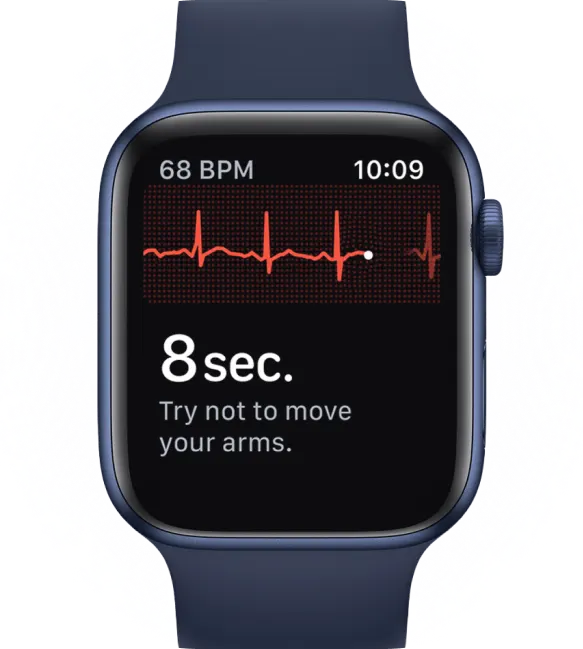
With Qaly, you can track your ECG from your wearable device and get an expert analysis in minutes, giving you clear insights and peace of mind.



.png)
.png)