


Key Takeaways

User Profile
Hello Heart Hero. Starting any new medication can bring up a lot of questions, and if you've been prescribed quetiapine, it's natural to wonder what to expect. We get it. Navigating healthcare can feel overwhelming, and finding clear, trustworthy information is a big deal. Our goal is to help you feel confident and in control of your health journey, right from the start.
Understanding Quetiapine and Its Role
Starting quetiapine often brings a mix of hope for relief and a bit of uncertainty. You're probably asking yourself what it does, why your doctor chose it for you, and what changes you might feel. Let's break it down without all the confusing medical jargon.
Quetiapine, also sold under the brand name Seroquel, belongs to a group of medications called atypical antipsychotics. While that name might sound a little intense, it’s prescribed for a wide range of conditions, not just psychosis. Doctors use it to manage bipolar disorder, schizophrenia, and sometimes add it to a treatment plan for major depressive disorder. It's also commonly used "off-label" often in lower doses to help with things like sleep, anxiety, or PTSD.
How Quetiapine Works in Your Brain
Think of your brain as a massive communication hub that uses chemical messengers, called neurotransmitters, to manage everything from your mood to your thoughts and energy levels. Two of the most important messengers involved here are dopamine and serotonin.
When these chemicals fall out of balance, it can cause symptoms like severe mood swings, racing thoughts, or a deep sense of depression. This is where quetiapine comes in. It acts like a skilled traffic controller for dopamine and serotonin, helping to regulate their flow and bring them back into balance.
By blocking certain receptors where these chemicals send their signals, quetiapine helps calm the entire system. This action can ease manic symptoms, quiet anxious thoughts, and even cause the drowsiness that makes it an effective sleep aid for some people.
This rebalancing act is precisely why quetiapine can be so helpful for many different issues. But because it's adjusting your brain's fundamental chemistry, it also comes with a range of potential side effects of quetiapine. Knowing both the benefits and the possible downsides is the first step toward having an informed conversation with your doctor and taking an active role in your own care.
Common Side Effects You Might Experience

Starting a new medication can feel a little unnerving. We're often handed a long list of potential side effects, and it's easy to get worried. But talking about the side effects of quetiapine isn't about causing alarm. It’s about empowerment. Knowing what to expect puts you in control of your own health journey.
Remember, every person's body is different, and your response to quetiapine will be uniquely yours. Some people might notice a few side effects, while others barely notice any at all. The goal here is to give you a clear, honest heads-up so you can feel prepared for what might come.
The Most Frequent Companions
When you first begin taking quetiapine, there's a handful of common side effects that many people run into. The good news is that these often fade as your body adjusts to the medication over a few weeks.
One of the most well-known is drowsiness. Because quetiapine has a calming effect on brain activity, it can make you feel sleepy, especially right after you take it. In fact, this sedative quality is why it's sometimes prescribed in low doses for sleep. Most doctors will suggest taking it in the evening to keep daytime sleepiness to a minimum.
You might also feel dizzy or lightheaded, particularly when getting up from a sitting or lying position. This is often tied to how the medication can affect your blood pressure. Simply taking your time when you change positions can make a huge difference.
Another common sidekick is dry mouth. While it can be a bit of a nuisance, it's usually easy to manage. Keeping a water bottle nearby, chewing sugar-free gum, or using special mouthwashes can bring a lot of relief.
Navigating Weight and Appetite Changes
It’s also common to experience changes in appetite and weight with quetiapine. You might notice your hunger ramp up, which can sometimes lead to weight gain. Studies have confirmed this is a very real and valid concern for many people, even at lower doses.
It helps to be mindful of this possibility right from the start. Focusing on nutritious foods, staying as active as you can, and keeping an open line of communication with your doctor about any big shifts can help you manage it proactively. This isn't about being hard on yourself; it's about practical self-care.
Your experience with a medication is your own valid story. If a side effect is bothering you, it's worth talking about. It doesn't matter how "common" it is; what matters is how it impacts your quality of life.
Other Side Effects to Be Aware Of
Beyond the most frequent effects, there are a few other things that might pop up. These are generally less common, but knowing about them helps you have the full picture.
- Constipation: Changes in your digestive rhythm can happen. Upping your fiber and water intake usually gets things moving again.
- Elevated Heart Rate: You might feel your heart beating faster than usual, a sensation also known as tachycardia. This is an important one to keep an eye on.
- Feeling Weak or Fatigued: A general sense of tiredness or physical weakness can occur, which feels different from just being drowsy.
- Nightmares or Unusual Dreams: Since quetiapine influences sleep cycles, it can sometimes lead to more vivid or strange dreams.
While these experiences can be unsettling, they aren't automatically a sign of a major issue. Think of them as pieces of information. Keeping a simple log about what you're feeling, when it happens, and how intense it is can be incredibly helpful for your doctor's appointments. It turns your personal experience into useful data, empowering you to work together to find the perfect balance for your well-being.
Quetiapine's Impact on Your Heart Health
Beyond the more common side effects like drowsiness, it's really important to talk about how quetiapine can affect your heart. This isn't a subject to fear, but one to be aware of so you can be proactive, especially if you're already keeping an eye on your heart health. Let's have a straight-up conversation about these risks so you can feel confident and informed in your own care.
Many people who start taking quetiapine notice their heart beating a little faster or more forcefully. This feeling is known as palpitations, and a racing heart is called tachycardia. While it can feel unsettling and is often temporary, it's a signal from your body that's worth paying attention to and mentioning to your doctor. These symptoms are a good reminder that what affects our mind can also affect our body, right down to our heart's rhythm.
Understanding QT Prolongation
One of the more serious, though less common, cardiac side effects of quetiapine involves something called the QT interval. This might sound a bit technical, but the idea is actually pretty simple.
Think of your heart's electrical system needing a "recharge" moment between each beat. The QT interval is just the measurement of that recharge time.
Analogy: Your Heart's Recharge Time
Imagine your heart is like a camera flash. After it flashes (beats), it needs a brief moment to recharge before it can flash again. The QT interval is that recharge time. Quetiapine can sometimes make this recharge period a little longer than it should be. This is called QT prolongation.
So, why does this matter? A significantly prolonged QT interval can, in rare instances, increase the risk of a dangerous and chaotic heart rhythm. It’s a key reason why monitoring your heart health while taking this medication is so vital. Quetiapine isn't the only medication with this risk; you can check out our guide on drugs that cause prolonged QT interval to see a broader list.
Not everyone who takes quetiapine will experience this, but a few factors can increase your risk:
- Taking higher doses of the medication.
- Having a pre-existing heart condition.
- Low levels of electrolytes like potassium or magnesium in your blood.
- Taking other medications that also affect the QT interval.
What the Data Shows About Cardiac Risks
It’s one thing to talk about potential risks, but seeing the real-world data helps put things in perspective. While many people use quetiapine without any serious heart issues, the potential is real and well-documented. This information isn’t meant to scare you, but to empower you with knowledge.
A wide-ranging analysis of global data brought some of these concerns into focus. It flagged 1,004 cases of cardiac-related adverse events connected to quetiapine use worldwide. What’s alarming is that 86.35% of these cases were classified as serious, including 143 deaths and 116 life-threatening incidents. The researchers also uncovered several unexpected cardiac signals that doctors should be aware of. You can read the full research about these cardiac findings to get a deeper look at the data.
These numbers show that while the risk for any single person might be low, the potential severity of these events makes it a crucial conversation to have with your doctor.
Becoming an Active Partner in Your Cardiac Care
This is where you come in. You're the expert on your own body, and today's technology gives you incredible tools to monitor your heart health right from home.
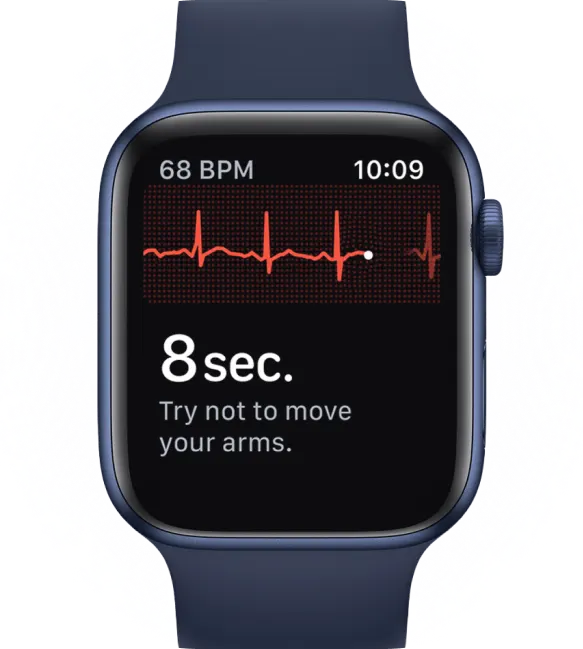
Wearable devices like an Apple Watch, Samsung watch, Fitbit, or Kardia can record an electrocardiogram (ECG) anytime you feel symptoms like palpitations, dizziness, or a racing heart. This isn't just for the doctor's office anymore; you can capture what's happening in the exact moment you feel it.
And that’s where a service like Qaly becomes so valuable. Instead of looking at that squiggly line on your watch and wondering what it means, you can send your ECG to be reviewed by a certified cardiographic technician, 24/7. In just minutes, you get an expert interpretation of your heart rhythm, including a measurement of your QTc interval (the corrected QT interval).

By tracking your ECGs and QTc interval over time with Qaly, you build a personal record of how quetiapine is affecting your heart. This turns vague feelings into concrete data that you can share with your doctor, leading to much more informed and productive discussions about your treatment. It’s all about moving from a place of worry to one of confident, proactive partnership in your health journey.
Managing Weight and Metabolic Changes
Let's talk about one of the most common concerns with quetiapine: the potential for weight gain and other metabolic changes. If you've experienced this, you know it can be a frustrating and personal journey. It’s not just about the number on the scale, but about feeling good in your own body and protecting your long-term health.
Quetiapine can sometimes tinker with your body's internal engine. It might rev up your appetite, making you feel hungry more often. At the same time, it can dial down your metabolism, which is the speed at which your body burns calories for energy. This one-two punch can make it tough to maintain your weight, even if your daily habits haven't changed much.
Why This Matters for Your Health
This isn't just a cosmetic concern. Over time, significant weight gain can open the door to other health issues. We often call these metabolic changes, and they can throw off your body's system for managing sugar, fats, and energy.
Specifically, these shifts can raise your risk for:
- High Blood Sugar (Hyperglycemia): Your body may become less sensitive to insulin, the hormone that acts like a key to let sugar into your cells for energy.
- High Cholesterol (Dyslipidemia): The balance of fats in your blood, like cholesterol and triglycerides, can be thrown off.
- Increased Cardiovascular Risk: Together, these metabolic changes can put extra strain on your heart and blood vessels over the long haul.
Simply understanding this connection is a powerful first step. It allows you to be proactive and partner with your doctor to stay ahead of these potential side effects and safeguard your wellness. If you want to dive deeper into how cholesterol fits into this picture, you can learn more about the role of cholesterol in heart health in our article.
What the Research Shows
The link between quetiapine and weight gain isn't just something you might have heard about; it's well-documented in research. Even the lower doses sometimes prescribed for things like insomnia can have a noticeable impact.
A retrospective study looking at quetiapine for insomnia found that patients gained an average of 2.2 kg (about 4.8 pounds) over just 11 months, even on doses under 200 mg. This added weight can contribute to insulin resistance and high cholesterol, which in turn can increase heart-related risks.
This number isn't here to scare you. It's here to validate your experience and reinforce why taking a proactive stance is so important.
Proactive Strategies to Stay Ahead
Here’s the good news: you are not powerless against these changes. There are many practical steps you can take to manage your weight and metabolic health while taking quetiapine. The most important thing is to build a plan with your doctor.
Here are a few strategies to get that conversation started:
- Eat Mindfully: Try to fill your plate with nutrient-rich foods like fruits, veggies, lean proteins, and whole grains. These foods help you feel full and satisfied, which can naturally help manage calorie intake.
- Move Regularly: Find physical activity you actually enjoy. Whether it's walking, dancing, yoga, or swimming, making movement a consistent part of your routine is key.
- Monitor Your Numbers: Talk to your doctor about getting regular blood tests to keep an eye on your blood sugar, cholesterol, and triglycerides. Catching any changes early is the best way to manage them.
- Structure Your Diet: Since quetiapine can increase appetite and affect weight, having a structured approach can make a big difference. A calorie deficit meal plan, for example, can be a helpful tool for weight management.
By taking these steps, you put yourself in the driver's seat. It's all about finding a healthy balance and empowering yourself with a solid plan to counteract the metabolic side effects of quetiapine.
How to Proactively Monitor Your Heart
Learning about the potential heart-related side effects of quetiapine is one thing, but taking action is how you truly get back in the driver's seat. This is where you can shift from feeling worried to feeling empowered. Instead of just wondering about risks like QT prolongation or palpitations, you can build a solid plan to monitor your heart health right from home.
After all, you're the number one expert on your own body. You know better than anyone when something just feels "off." The problem has always been how to capture that feeling and turn it into something your doctor can actually use. Thankfully, today’s technology puts some incredibly powerful tools right on your wrist.


Your Personal Heart Monitor
Modern smartwatches and personal ECG devices have totally changed the game for at-home heart monitoring. Gadgets like the Apple Watch, Samsung Galaxy Watch, KardiaMobile, and Fitbit now come with the ability to record an electrocardiogram (ECG) whenever you feel the need.
This means that the next time you feel a strange flutter, a racing heartbeat, or a dizzy spell, you don't just have to try and describe it later. You can capture a medical-grade ECG of your heart's electrical activity in that exact moment, turning a subjective feeling into concrete, clinical data.
This is especially vital when you're on a medication like quetiapine, which can sometimes have subtle effects on your heart's rhythm. Being able to track these changes provides an invaluable window into how your body is responding. To learn more about the tools out there, you might find it helpful to check out our guide on how to check heart health at home.
Making Sense of Your ECGs with Qaly
Recording an ECG is a fantastic first step, but it often brings up another big question: what do these squiggly lines actually mean? Trying to interpret an ECG on your own can be confusing and even a little scary, which is the exact opposite of what we're aiming for.
This is where a service like Qaly becomes your trusted partner. Qaly is an app that connects you directly with certified cardiographic technicians, 24/7. When you take an ECG on your watch or device, you can instantly send it through the app for an expert analysis.
Within minutes, you receive a detailed interpretation of your heart rhythm, including your specific QTc interval measurement. Imagine the peace of mind that comes from getting a human expert's eyes on that flutter you just felt, any time of day or night.
This completely removes the guesswork and anxiety from monitoring at home. Instead of spiraling into worry, you get clear, professional insights delivered right to your phone.
Tracking Your Heart's Story Over Time
One of the most powerful things about proactive monitoring is seeing trends. A single ECG is just a snapshot in time, but a series of ECGs tells a story. With Qaly, you can easily track your QTc interval and other heart metrics over weeks and months.
This lets you see if there are any gradual changes happening after you start or adjust your quetiapine dose. This data is incredibly valuable. It helps you and your doctor understand your unique response to the medication, leading to smarter, more informed decisions about your treatment plan.
By building this personal health record, you’re no longer just a passive patient. You become an active collaborator in your own health journey. And as we've discussed, managing your metabolic health is also crucial. Diet and exercise can help to actively reduce insulin resistance, which is another key piece of your overall well-being.
Turning Your Data into Action
So, what do you do with all this amazing information? The final, and most important, step is to share it with your doctor. The Qaly app makes it simple to bundle your ECGs and their interpretations into a clear, organized report.
Before your next appointment, you can generate a PDF that shows:
- Specific Events: ECGs you captured when you felt symptoms like palpitations or dizziness.
- Rhythm Analysis: Expert interpretations of what your heart rhythm was doing during those moments.
- QTc Trends: A history of your QTc interval measurements over time.
Walking into your doctor's office with this report completely changes the conversation. You're no longer just saying, "I sometimes feel like my heart is racing." You're presenting documented proof, turning subjective feelings into objective data that can guide real clinical decisions. This makes you an invaluable partner in your own care, ensuring your treatment plan is truly the best fit for you.
When to Call Your Doctor Immediately
It’s one thing to deal with a side effect that’s a minor nuisance, but it's another thing entirely to know when a symptom is a real warning sign. This isn't about causing alarm; it's about being prepared. Think of it as a safety checklist so you know exactly when to act if something feels seriously wrong.
At the end of the day, you know your body best. Trusting your gut is crucial, and this guide will help you recognize the signals that mean it's time to listen to that inner voice and call for help.
Some side effects are more than just uncomfortable, they are your body’s emergency signals. While rare, knowing how to spot them is a key part of taking charge of your health.
Signs That Need Urgent Attention
If you notice any of the following symptoms, it’s time to call your doctor or head to an emergency room right away. Don’t wait or try to downplay what you're feeling. Your safety is always the top priority.
- Fainting, Severe Dizziness, or Loss of Consciousness: This could be a sign of a sharp drop in your blood pressure or even a serious heart rhythm problem.
- A Very Fast, Pounding, or Irregular Heartbeat: A slightly faster heart rate can sometimes happen, but a chaotic or extremely rapid heartbeat needs immediate evaluation. You can learn more about when to see a doctor for heart palpitations to better understand these signals.
- Uncontrolled Muscle Movements: Pay close attention to any twitching, tremors, or stiffness you can't stop, especially in your face, tongue, or jaw. This could be a symptom of a condition called tardive dyskinesia.
- High Fever with Stiff Muscles, Sweating, and Confusion: These are the classic signs of a rare but life-threatening reaction known as Neuroleptic Malignant Syndrome (NMS).
- Signs of a Severe Allergic Reaction: Watch out for a rash, hives, intense itching, difficulty breathing, or any swelling of the face, lips, tongue, or throat.
Acting quickly on these symptoms is an act of self-advocacy. You are the number one expert on your own body. If something feels dangerously off, it probably is.
Knowing these signs empowers you to be an active, informed partner in your own care. It replaces uncertainty with a clear action plan, ensuring you can use your medication as safely as possible.
Frequently Asked Questions About Quetiapine
Starting any new medication brings up questions, and it's smart to get clear answers, especially when it comes to quetiapine. Let's walk through some of the most common concerns so you can feel more in control of your health journey.
Can I Take Quetiapine for Sleep if I Have a Heart Condition?
This is a critical question, and the only person who can answer it for you is your doctor. Since quetiapine can affect your heart's electrical "recharge" time known as the QTc interval it requires very careful thought if you have any history of heart issues.
Your doctor has to weigh the potential sleep benefits against any risks to your heart. They might start you on a very low dose or ask for more frequent heart monitoring. This is exactly where a service like Qaly becomes so helpful. Tracking your ECG and QTc interval at home gives you and your doctor real-world data to make the safest possible decision together.
How Quickly Do Side Effects of Quetiapine Start?
Everyone's body is different, so the timing can really vary. Some side effects, like drowsiness or dizziness, can pop up within hours or days of your first dose. These are usually the first things people notice.
Others, however, can be more gradual. Things like weight gain or changes to your metabolism tend to develop over weeks or even months of taking the medication. A great tip is to keep a simple log of any new feelings or symptoms and when they started. This gives your doctor a clear picture during your follow-up visits.
Your body has its own unique adjustment period. Some of those early side effects might fade away, but others could stick around. Tracking what you feel gives you a concrete record to share with your healthcare provider.
Will the Side Effects of Quetiapine Go Away?
Some of them, yes. That initial feeling of drowsiness, for instance, often gets much better as your body gets used to quetiapine over a few weeks. Your system simply adapts.
However, other side effects might be there to stay as long as you're on the medication. What's most important is that you never stop taking quetiapine suddenly. Doing so can trigger some pretty uncomfortable, and sometimes serious, withdrawal symptoms.
If any side effect is bothering you, always talk to your healthcare provider before changing anything. They can help you manage it or, if needed, find a different treatment that works better for you.

Qaly provides expert analysis of your wearable ECGs in minutes, giving you the peace of mind you deserve.



.png)
.png)