





Key Takeaways

User Profile
Hello Heart Hero.
You start metformin, or increase your dose, and then one day your chest does something odd. A flutter. A hard thump. A brief run of fast beats. It lasts seconds, but your mind keeps replaying it for hours. That reaction makes sense. Heart symptoms feel personal and urgent, and many people don't feel fully heard when they bring up medication concerns.
If you're asking can metformin cause heart palpitations, the honest answer is nuanced. Generally, metformin is not a likely trigger and may even be protective for heart rhythm. But there are rare situations where it might play a role, directly or indirectly. The key is context.
A lot of confusion starts when a new symptom appears around the same time as a new medication. Timing matters, but timing alone doesn't prove cause. If you're also weighing treatment options more broadly, it may help to compare Metformin and Ozempic so you're looking at the full picture instead of one symptom in isolation. And if you've been on metformin for a while, another useful angle is vitamin B12 and heart palpitations, since low B12 can sometimes muddy the picture.
Your Guide to Understanding Metformin and Heart Flutters
Palpitations are a sensation, not a diagnosis. That's one of the first places people get tripped up. A palpitation can be a harmless skipped beat, a stress response, a brief rhythm change, or something that deserves faster medical attention.
Imagine hearing a strange noise in your car. The sound is real. Your concern is valid. But the sound alone doesn't tell you whether the issue is a loose water bottle in the back seat or a brake problem. Your heart works the same way. The feeling matters, but the cause takes a little detective work.
What people usually mean by palpitations
Some people say their heart is racing. Others feel a pause, a flip, or pounding in the throat. Two people can use the same word and mean completely different experiences.
Common descriptions include:
- Fluttering: A brief shaky feeling in the chest
- Skipping: A pause followed by a stronger beat
- Racing: A faster rhythm that may feel regular or irregular
- Pounding: Strong beats that are more noticeable than usual
Palpitations can be scary even when they turn out to be benign. Fear doesn't mean you're overreacting.
Why metformin gets blamed quickly
Metformin is often started around a stressful time. You may be adjusting to a new diagnosis, changing your diet, checking your glucose more often, and paying closer attention to every sensation in your body. That makes it easy to connect the dots in a straight line: started metformin, felt fluttering, therefore metformin caused it.
Sometimes that story is true. Often it isn't. The rest of the answer comes from understanding what metformin usually does for the heart, and the unusual exceptions.
The Surprising Truth About Metformin and Your Heartbeat
The common assumption is simple: if a medication is new and your chest feels strange, the medication must be hurting your heart rhythm. With metformin, the broader evidence points in a different direction.
Large cohort studies involving over 645,000 people with diabetes found that metformin users had a lower incidence of atrial fibrillation, a common cause of palpitatio Using metformin was linked to a hazard ratio of 0.81, indicating a lower risk when compared to those who didn't use it, according to this review of metformin and arrhythmias. That same review explains that metformin activates AMP-activated protein kinase, or AMPK, which helps regulate the heart's energy use and electrical stability.
Why that matters in plain English
Your heart is both a pump and an electrical system. It needs a steady fuel supply and clean electrical timing. If either gets messy, the rhythm can become more vulnerable.
AMPK acts a bit like a cell-level energy manager. When metformin activates it, the effect appears to support healthier heart cell function. The simplest way to think about it is this: metformin usually behaves less like a spark that sets off rhythm trouble and more like maintenance that helps the system run smoothly.
Why the answer still feels confusing
People don't experience population data. They experience their own body.
So if you felt palpitations after starting metformin, it's reasonable to wonder whether your experience is one of the exceptions. But it helps to begin from the right baseline. For most users, metformin has a heart-protective profile rather than a rhythm-disrupting one.
That doesn't mean you should ignore symptoms. It means you shouldn't assume the worst from the first flutter.
Practical rule: If a symptom starts after a medication change, treat that timing as a clue, not a verdict.
Another source of confusion is that low blood sugar can also make your heart feel fast or shaky, and people sometimes mix that up with an arrhythmia. If that sounds familiar, this piece on whether hypoglycemia can cause palpitations can help you separate those sensations.
A more balanced takeaway
If you're searching can metformin cause heart palpitations, the most accurate summary is this:
- Usually no: metformin is more often linked with lower arrhythmia risk than higher risk
- Rarely yes: a small number of people may have unusual reactions or contributing factors
- Always worth checking: the feeling in your chest still deserves attention, even if the medication isn't the cause
That middle point matters. Rare doesn't mean impossible. It means you need context, not panic.
When Metformin Might Indirectly Cause Palpitations
There is a documented rare case where metformin appeared to be involved. A 2016 case report described a patient who developed recurrent atrial fibrillation after starting metformin, and the rhythm problem resolved when the drug was stopped. The suspected reason was subclinical lactic acidosis, a rare metformin side effect reported at about 4.3 cases per 100,000 patient-years, which may create an acidic environment that makes arrhythmias more likely, as described in this case report on metformin-induced atrial fibrillation.
The rare direct pathway
Lactic acidosis sounds abstract, so here's a simpler way to think about it. Your body prefers a narrow chemical balance. If that balance shifts too far acidic, heart cells may become more irritable, a bit like piano keys that start responding too easily to the wrong touch.
The important part is that this is rare, not routine. Individuals taking metformin rarely face this problem. But if someone is susceptible, especially if they become unwell or develop conditions that affect how the body handles the drug, the possibility becomes more relevant.
The indirect pathway people often miss
Metformin can also be part of the story in a less direct way. Some people on longer-term metformin develop low vitamin B12. Low B12 can contribute to anemia, and anemia can make the heart work harder to deliver oxygen. That extra strain can feel like pounding, racing, or fluttering.
So the chain may not be:
metformin leads straight to arrhythmia.
It may be:
metformin affects B12 in some people, low B12 contributes to anemia, and anemia contributes to palpitations.
If that possibility fits your situation, it's worth reading about whether anaemia can cause heart palpitations.
Situations that deserve extra caution
Some people should be more alert when palpitations happen on metformin:
- Kidney or liver concerns: These can affect how the body processes medication
- Dehydration: Illness, vomiting, diarrhea, or poor fluid intake can change how you feel and how medications affect you
- Recent dose changes: A new timing pattern can offer clues, even if it doesn't prove cause
- Feeling generally unwell: Palpitations that come with weakness, nausea, breathing trouble, or confusion deserve faster attention
If a medication might be involved, the pattern matters. When did symptoms start, what changed, and what else was happening in your body at the same time?
Ruling Out Other Common Culprits for Palpitations
Metformin is only one suspect, and often not the main one. Palpitations are common, and everyday triggers cause them far more often than people expect.
The most useful question isn't just, "Did metformin do this?" It's, "What else was happening that day?"
The usual non-medication triggers
Run through these first:
- Caffeine: Coffee, energy drinks, pre-workout powders, and even strong tea can make your heartbeat more noticeable
- Stress and anxiety: A tense nervous system can produce very real chest sensations
- Alcohol: Some people notice flutters after drinking, especially later at night
- Dehydration: Even mild fluid loss can make the heart feel jumpy
- Poor sleep: A rough night can make your body more sensitive to normal rhythm changes
Stress deserves special respect here because it affects both appetite and body sensations. If stress has been high lately, BodyBuddy's guide to stress and weight offers a helpful explanation of how stress hormones can ripple through the body in ways that feel surprisingly physical.
Other health issues that can mimic a medication side effect
People often overlook basic body chemistry. If your potassium is low, for example, your heartbeat may feel off. This guide to symptoms of low potassium is useful if you've had sweating, stomach illness, poor intake, or other reasons your electrolytes may be off.
Other common contributors include:
- Thyroid problems: Too much thyroid hormone can make the heart feel fast or forceful
- Other medications: Decongestants, stimulants, and some supplements can trigger fluttering
- Blood sugar swings: Feeling shaky can be mistaken for a rhythm problem
- Underlying arrhythmias: Sometimes the medication gets blamed for a rhythm issue that was already there
A simple way to think about timing
If palpitations started the same week as metformin, that matters.
If they only happen after two coffees, a stressful meeting, poor sleep, or dehydration, that matters too.
If they happened occasionally before metformin but you're noticing them more now because you're watching your body more closely, that matters as well.
A good health detective doesn't fixate on the first explanation. They gather clues until a pattern emerges.
How to Become Your Own Heart Health Detective
When palpitations happen, the hardest part is that they often disappear before you can describe them clearly. By the time you think about calling someone, your heart feels normal again. That's where tracking helps.
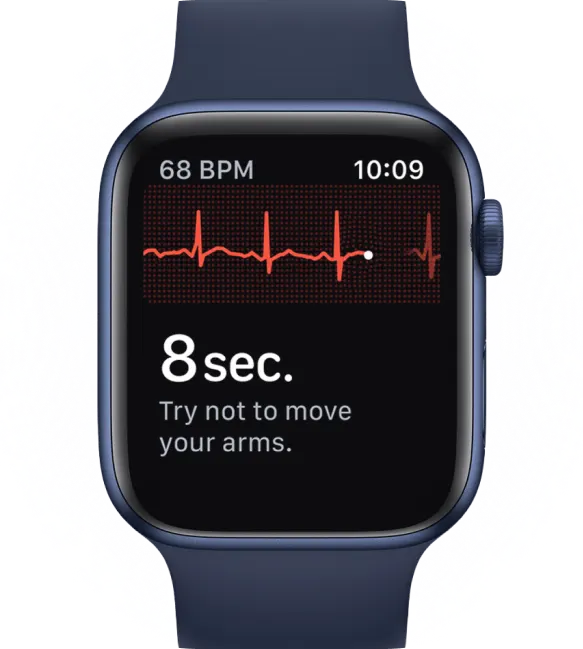
For people using wearable ECG devices, at-home monitoring can bridge the gap between a fleeting symptom and something a clinician can evaluate. One review notes that wearable-based monitoring and services that review these recordings can help quantify symptom burden, and it mentions that Qaly has analyzed over 500,000 ECGs, helping users track intervals and rhythm patterns over time in the context of palpitations and medication questions, as noted in this discussion of wearable monitoring and risk stratification.
Keep a symptom log that actually helps
A good log is short and specific. You don't need a diary. You need clues.
Write down:
- The exact time you felt it
- What it felt like such as fluttering, pounding, skipping, or racing
- How long it lasted
- What you were doing like resting, walking, eating, arguing, or trying to sleep
- Anything you took that day including metformin timing, caffeine, alcohol, or cold medicine
- Any other symptoms such as dizziness, chest discomfort, nausea, or shortness of breath
That record can reveal patterns you won't remember accurately later.


Use the device you already have
If you own an Apple Watch, Fitbit, Samsung device, Kardia, or another at-home ECG tool, capture a tracing when symptoms happen. One clean recording taken during the episode is often more helpful than a perfect memory afterward.
If ECGs feel intimidating, this plain-language guide on understanding your ECG can make the basics less mysterious.
The best time to record a palpitation is during the symptom, not an hour later when everything feels normal again.
Bring useful information to your appointment
Instead of saying, "My heart felt weird a few times," you'll be able to say something much more concrete:
- Timing: It started three days after a dose increase
- Pattern: It happens mostly at night, not with exercise
- Context: It follows missed meals or dehydration
- Evidence: I captured this rhythm strip during the episode
That changes the conversation. It gives a clinician something to work with instead of a vague description.
When to See a Doctor and Your Path to Peace of Mind
Some palpitations can wait for a routine discussion. Some cannot.
Get urgent medical care if palpitations come with chest pain, severe shortness of breath, fainting, or significant dizziness. Those are not symptoms to watch casually at home.
When a regular appointment makes sense
If the sensation is brief, you're otherwise stable, and it keeps happening, schedule a visit soon. Bring your symptom log, your medication list, and any wearable ECG recordings you captured.
This is also the right move if:
- Symptoms began after starting or changing metformin
- You have kidney, liver, or hydration concerns
- You suspect anemia, low B12, or another health issue may be involved
- The episodes are becoming more frequent or more noticeable
The reassuring big picture
The broad safety picture for metformin is encouraging. In a retrospective study of over 80,000 patients, metformin users had a 24% lower risk of atrial arrhythmias than users of other common diabetes drugs, and a 34% reduction in ventricular tachycardia or fibrillation versus sulfonylureas, according to this summary of metformin and palpitations evidence. That doesn't erase your symptoms, but it does mean the default assumption shouldn't be that metformin is harming your heart rhythm.
A grounded answer to the question
So, can metformin cause heart palpitations?
Yes, rarely, and sometimes indirectly. But generally, metformin is more likely to be neutral or protective than harmful from a rhythm standpoint.
Your next step isn't to panic or ignore it. It's to notice the pattern, gather evidence, and bring clear information to a clinician who can help you sort out whether you're dealing with a benign sensation, a non-medication trigger, or a rhythm issue worth deeper evaluation.
That path usually leads to more clarity and less fear.

Palpitations keeping you guessing? Qaly makes sense of your ECG data with human-reviewed analysis.



.png)
.png)