


Key Takeaways

User Profile
Hello Heart Hero. Maybe you're here because your watch buzzed and said your rhythm looked irregular. Maybe you've felt a flutter in your chest at bedtime, a hard thump when you stand up, or a racing heartbeat that made you stop and wonder, “Was that anxiety, or is something wrong?”
That kind of uncertainty can feel lonely. A lot of people leave appointments with a new term like structural heart disease and still don't feel like anyone translated it into normal human language. If you've felt brushed off, overwhelmed, or stuck piecing things together on your own, you're not overreacting. You're trying to understand your body.
Structural heart disease sounds intimidating, but the phrase is simpler than it appears. It refers to a problem with the heart's physical parts. Once you see it that way, the whole topic becomes much easier to understand.
This guide is here to make that diagnosis less mysterious. We'll keep the language plain, connect symptoms to what's happening inside the heart, and discuss openly how tools like wearable ECG devices can help you feel more informed between appointments.
Welcome to Your Heart Health Journey
In this situation, you might often find yourself thinking, "I sensed something was off, but I wasn't sure if it was serious enough to rely on." It's a relatable experience.
You might notice palpitations while folding laundry. Or you get short of breath climbing stairs you normally handle fine. Then the internet gives you two extremes. One side says it's nothing. The other makes it sound catastrophic. Neither response is helpful when you're sitting there trying to decide what your own body is telling you.
When the name feels scarier than the reality
The words structural heart disease can land hard. They sound permanent, severe, and confusing all at once. But a name is just a starting point. It doesn't tell your whole story, and it doesn't mean you're helpless.
Many structural heart problems are well understood. Some are present from birth. Others develop over time because of aging, high blood pressure, valve wear, heart muscle changes, or damage after a heart attack. Doctors have many ways to evaluate them, monitor them, and treat them.
You don't need to understand everything at once. You just need the next clear step.
What you deserve right now
If you're newly diagnosed, three things are generally needed first:
- Plain explanations: Not jargon piled on jargon.
- Context for symptoms: Why the flutter, dizziness, fatigue, or chest discomfort might be happening.
- A sense of control: What to track, what to ask, and when to seek help.
That last part matters a lot if you're skeptical of the healthcare system. Many people are. Short visits can leave important questions unanswered. That's one reason wearable heart devices have become so meaningful. They let you capture what your body is doing in real time instead of trying to remember it later in an exam room.
What Is Structural Heart Disease
Structural heart disease means there is a problem with the heart's physical framework. That can involve the valves, the chambers, the walls between chambers, or the major blood vessels attached to the heart.
For many people, that phrase sounds bigger and scarier than it needs to. A clearer way to understand it is to picture the heart as a working pump with parts that must open, close, hold pressure, and move blood in the right direction. If one of those parts changes shape, stiffens, stretches, thickens, or leaks, the issue is structural.

The simplest way to picture it
Each part of the heart has a job:
- The walls: These include the heart muscle and the tissue that separates one chamber from another. They may become too thick, too weak, or develop an opening.
- The valves: These act like one-way gates. They can become narrow and stiff, or they can fail to close tightly and let blood leak backward.
- The chambers: These are the spaces that fill with blood and pump it forward. They can enlarge, become stiff, or lose pumping strength.
- The major vessels: These are the large blood vessels connected to the heart. If they are abnormal, blood flow and pressure can change.
If you have been told you might have a murmur or a valve issue, this plain-language guide to valvular heart disease can help make those terms easier to follow.
A structural problem is different from a rhythm problem. Structure is the heart's built-in design. Rhythm is the electrical timing system that tells that design when to squeeze.
That distinction is helpful because symptoms often begin with something you can feel or record, such as skipped beats, a racing pulse, shortness of breath, or unusual fatigue. A wearable device might catch an irregular rhythm first. That does not diagnose a valve problem or a weakened chamber by itself, but it can give you a useful clue to bring to a clinician.
In real life, structure and rhythm often affect each other. A stretched chamber can make rhythm problems more likely. A diseased valve can put extra strain on the heart and change how it beats over time.
So if you are using a tool like Qaly, it helps to think of it as one piece of the puzzle. It can help you track what happens during symptoms, spot patterns, and bring more concrete information to an appointment. The wearable shows what the heartbeat is doing in the moment. Your medical evaluation looks at whether the heart's physical parts are contributing to it.
Simple rule: Structural heart disease means a problem with the heart's physical parts or shape, not only the heartbeat's timing.
Plenty of people have palpitations with a heart that is structurally normal. Still, if symptoms keep returning, it makes sense to look at both the rhythm and the structure so you get a fuller answer.
Exploring the Main Types of Heart Structure Problems
Many people hear “structural heart disease” and picture one single diagnosis. It is a group of problems. A better way to sort it out is to look at which part of the heart's built-in design has changed: the valves, the muscle, the walls between chambers, or the areas injured by poor blood flow.
That difference matters in real life. If you are tracking palpitations, shortness of breath, or a drop in exercise tolerance with a wearable, the pattern you record can help start the conversation. The wearable shows what your heart is doing during symptoms. Imaging and other medical tests show which physical part may be causing that pattern.
Valve disease and sticky doors
Heart valves work like one-way doors. They should open wide enough to let blood move forward, then close firmly so it does not slip backward.
Problems usually fall into two buckets. A valve can become narrow and stiff, which is called stenosis. Or it can become leaky, which is called regurgitation. Both force the heart to work harder than it should.
One of the best-known examples is aortic stenosis, a narrowing of the valve that sends blood from the heart to the body. The American College of Cardiology explains that this condition becomes much more common with age and is now one of the most frequent valve problems seen in older adults in its review of aortic stenosis in the older adult. If you have been told you have a murmur, calcium on a valve, or a “tight” valve, a plain-language guide to valvular heart disease can make those terms easier to follow.
Muscle problems and stretched or thickened walls
Some structural conditions affect the heart muscle itself. The muscle may become thick, enlarged, weak, or stiff. When that happens, the heart may have trouble filling fully, squeezing strongly, or both.
Doctors often group these conditions under cardiomyopathy. The word sounds technical, but the basic idea is simple. The pump muscle has changed shape or strength.
This can feel different from person to person. One person notices getting winded on stairs. Another feels their heart pounding during exercise. Someone else first picks up unusual heart rate patterns on a smartwatch and only later learns that the rhythm changes may be happening alongside a muscle problem.
Congenital defects and the original blueprint
Some people are born with a heart that formed differently before birth. That is congenital heart disease. It can involve a small hole between chambers, a valve that did not form normally, or a more complex combination of changes.
The Centers for Disease Control and Prevention notes that congenital heart defects affect nearly 1% of births in the United States, making them the most common type of birth defect, according to the CDC page on congenital heart defects. Many children now do very well because screening, surgery, and lifelong follow-up have improved so much.
That improved survival has changed the day-to-day picture of care. The American Heart Association reports that there are now more adults living with congenital heart disease in the United States than children, reflecting major gains in diagnosis and treatment, as described in its overview of congenital heart defects in adults. For patients and families, that means this is often a long-term condition people live with and monitor, not only a childhood diagnosis.
Ischemic changes and plumbing damage
Reduced blood flow can also reshape the heart. After a heart attack, part of the heart muscle may scar. Over time, the chamber can stretch, weaken, or pump less efficiently.
That is a structural problem with real rhythm consequences. Scarred or enlarged areas can interfere with the heart's electrical pathways, which is one reason some people notice palpitations or rhythm alerts after a prior cardiac event. A wearable cannot show scar tissue, but it can help you capture what your heartbeat is doing during those episodes so you have something concrete to bring to your clinician.
At the population level, these changes matter because heart disease remains a major global health burden. The American Heart Association reports that cardiovascular disease caused 19.8 million deaths worldwide in 2022, representing 32% of all global deaths, in its 2025 Statistics At-a-Glance update. Structural injury after reduced blood flow is one piece of that larger picture.
The short version is reassuringly simple. Structural heart disease is not one mystery condition. It is a set of problems that affect specific parts of the heart, and each type leaves its own clues. The more clearly you can notice and record those clues, whether that is breathlessness, swelling, chest discomfort, or rhythm changes on a device like Qaly, the easier it is to connect your lived symptoms with the right medical evaluation.
Common Symptoms and When to Listen to Your Body
Symptoms don't always arrive in a dramatic way. Often they're subtle first. You get winded doing ordinary things. Your heart feels jumpy at night. Your shoes feel tighter because your ankles are swelling. You start wondering whether you're just tired, stressed, or getting older.
Those body signals count.
What symptoms can feel like in real life
A structural problem can show up in many ways:
- Shortness of breath: A valve problem or weakened pumping chamber can make blood back up, especially during activity or when lying flat.
- Fatigue: If the heart isn't moving blood efficiently, everyday tasks can feel heavier than usual.
- Chest discomfort: This may feel like pressure, tightness, aching, or just “something isn't right.”
- Swelling in the legs or feet: Fluid can build up when the heart is under strain.
- Palpitations or skipped beats: The heartbeat may feel fast, uneven, fluttery, or forceful.
Yale Medicine notes symptoms such as chest pain and irregular heartbeats among the possible signs of structural heart disease in its patient guide to structural heart disease.
The symptom that confuses people most
Palpitations can be especially unsettling because they come and go. A person may feel completely normal one hour and very aware of every heartbeat the next. That unpredictability can make you doubt yourself.
A good way to think about it is this: a symptom doesn't need to be constant to be meaningful. Intermittent symptoms are still real symptoms. If your wearable catches an episode, or if you can write down what you were doing when it happened, that information matters.
Practical rule: If a symptom repeats, gets stronger, or starts affecting daily life, it's worth bringing to a clinician with as much detail as you can gather.
When to seek urgent help
Some symptoms deserve immediate care rather than watchful waiting.
Seek urgent medical attention if you have:
- Chest pain that doesn't settle
- Fainting or near-fainting
- Severe shortness of breath
- New confusion or extreme weakness
- A racing or irregular rhythm with dizziness, chest discomfort, or trouble breathing
For milder but persistent symptoms, scheduling a visit is reasonable. If you've felt dismissed before, bring notes. Bring your symptom log. Bring screenshots from your wearable if you have them. Clear details often turn a vague complaint into a focused conversation.
How Doctors Find Structural Heart Problems
Most diagnostic work starts in a very ordinary way. A clinician asks questions, listens carefully, and decides which test best answers the next question. It isn't usually a one-test mystery solve. It's more like putting together a puzzle with the right pieces.
The first clues often come from the story
Your story matters more than many people realize. A doctor may ask when symptoms started, whether they happen with exercise or rest, if you notice swelling, whether family members have heart problems, and what your watch or home device has shown.
Then comes the physical exam. A clinician may listen for a murmur, check your legs for swelling, look for signs of fluid buildup, and assess blood pressure and pulse. Even before imaging, those basics can point strongly toward a valve problem, a weakened heart muscle, or another structural issue.
What common tests are really looking for
An ECG records the heart's electrical activity. It doesn't directly show the structure, but it can offer clues. Changes in heart rhythm, conduction delays, or interval changes may suggest the heart is under strain.
An echocardiogram is often the key structural test. It's an ultrasound movie of the heart. It lets doctors watch the valves open and close, see how the chambers move, and measure how well the heart pumps. If you're not sure what happens during this test, this explanation of a transthoracic echocardiogram can make the process feel much less mysterious.
Doctors may also use other tools, depending on the situation:
- Chest X-ray: Can show heart size or fluid in the lungs.
- Cardiac MRI: Gives a more detailed look at heart muscle and tissue.
- Stress testing: Helps evaluate symptoms that appear with exertion.
- Monitoring over time: Useful when symptoms come and go.
The goal of testing isn't to put you through hoops. It's to match the right test to the question your symptoms are asking.
Why repeat testing sometimes happens
People often get frustrated when they hear they need another study. That's understandable. But the reason is usually practical, not dismissive. A heart problem may be mild at first, may only show up during symptoms, or may need follow-up to see if it's stable or changing.
That's also why timing matters. If your wearable captures an episode close to when you felt symptoms, that can add useful context to the bigger picture.
The Link Between Your Heart's Structure and Its Rhythm
You feel your watch buzz. It says your rhythm may be irregular. A moment later, the questions start. Is this stress, too much coffee, a bad night of sleep, or could something deeper in the heart be affecting the signal itself?
Structure and rhythm are closely connected. Your heart muscle, valves, and chambers form the physical shape of the heart. The electrical system sends the timing signals that tell that structure when to squeeze and rest. When the heart is stretched, thickened, scarred, or dealing with a valve problem, those signals may travel less smoothly. That can lead to palpitations, skipped beats, racing episodes, or a rhythm that feels uneven.
A house comparison helps here. The walls and doors are the structure. The wiring carries the current. If the building changes shape over time, the wiring may not behave the same way it once did.
Why palpitations can be the first clue
Some people learn about a structural heart problem only after they notice rhythm symptoms. They may feel fluttering in the chest, a hard thump, brief racing, or a pause that makes them catch their breath. Structural changes can raise the chance of rhythms such as atrial fibrillation, supraventricular tachycardia, or extra beats like PVCs. In adults living with congenital heart disease, rhythm problems are a common long-term issue, as described in the European Society of Cardiology review on arrhythmias in congenital heart disease.
%2520(1).webp)
That said, not every odd rhythm points to structural heart disease. Dehydration, alcohol, stimulant use, stress, poor sleep, thyroid issues, and some medications can all play a role. The pattern matters. Repeated episodes, symptoms with exertion, or rhythm changes paired with shortness of breath, swelling, chest discomfort, or fainting deserve a closer look.
What wearable ECGs can add
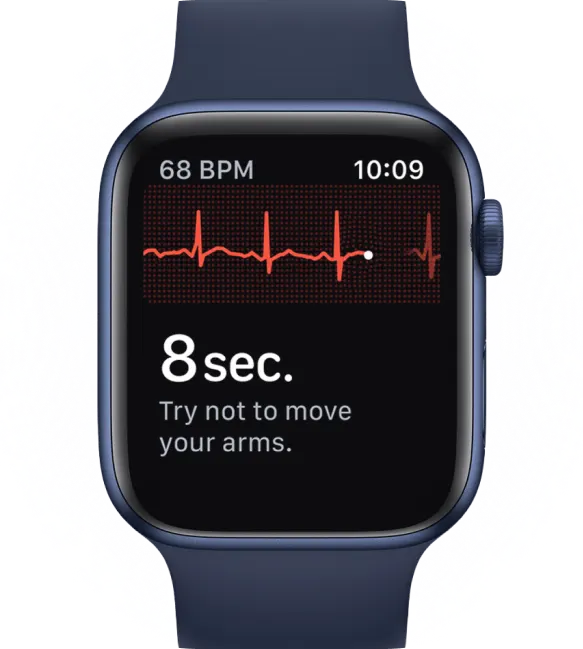
A wearable ECG does not show valve motion or chamber shape. It does something different, and often very useful. It captures what the rhythm was doing when you felt the symptom.
That can fill an important gap. Many rhythm episodes are brief. By the time you sit in an exam room, the sensation is gone and the office ECG looks normal. A wearable record can help connect your lived experience to clinical data, which is especially helpful if you have felt dismissed before or are trying to understand whether a symptom is a one-off event or part of a pattern.
Some people also notice changes over time in measurements such as PR, QRS, or QTc. Those numbers do not diagnose a structural condition by themselves, but they can offer clues when a clinician reviews them alongside symptoms, exam findings, and imaging. If you want a clearer picture of the doctors who study these rhythm patterns, this guide to cardiac electrophysiology specialists and testing is a helpful place to start.


Don't ignore related health issues
Sleep is one of the easiest pieces to overlook. Yet poor sleep and breathing interruptions at night can increase strain on the heart and make rhythm problems more likely. If you snore loudly, wake up choking, or feel exhausted during the day, reading about the long term effects of untreated sleep apnea may help you see why sleep belongs in the same conversation as palpitations and structural heart concerns.
A rhythm alert is sometimes the first breadcrumb. It may not explain the whole story, but it can give you something concrete to track, save, and bring into a larger discussion about what your heart may be dealing with.
Taking Control with Monitoring and Management
The day after a new heart diagnosis can feel strangely ordinary. You still have laundry, work emails, groceries, and a body that may or may not feel different than it did last week. That mismatch is unsettling. Many people ask the same question at this point: What can I do now?
A helpful way to organize it is to picture three layers of care. The first is what you do at home each day. The second is the treatment plan your clinician builds with you. The third is monitoring, which helps connect your symptoms in real life to what your heart is doing in that moment. That last piece matters a lot if you have ever left an appointment thinking, "I know something happened, but I could not prove it."

The part you do at home
Even if the problem involves the heart's structure, your daily routine still affects how hard your heart has to work. Small choices add up like adjusting the load on a pump.
Regular activity often helps, but the safe amount depends on your diagnosis. Some people need clear limits, especially with certain valve problems or an enlarged aorta. Others do better when they stay active in a steady, moderate way instead of avoiding movement out of fear.
Food and fluid habits matter too. If your condition causes swelling, fluid buildup, or shortness of breath, your team may ask you to watch sodium and pay attention to sudden weight changes. Blood pressure control also matters because high pressure can place extra strain on heart muscle and valves over time.
Keep a simple symptom log. Write down palpitations, dizziness, breathlessness, swelling, chest discomfort, and how much activity you could do before symptoms started. A few lines on your phone can be more useful than trying to remember details weeks later.
If the cost or complexity of care is weighing on you, practical planning helps too. For people handling coverage questions around a diagnosis, this guide to pre-existing condition health insurance can be a useful starting point.
Medications and procedures
Treatment depends on the specific structural problem. Some people need medicines to help the heart pump more efficiently, control blood pressure, reduce extra fluid, or lower the chance of rhythm trouble. Others need a procedure to repair or replace a valve, close a defect, or treat another mechanical problem.
That can sound intimidating, especially at first. It may help to know that many structural heart procedures are much less invasive than people expect. For severe aortic stenosis, transcatheter aortic valve implantation, also called TAVI, has become a widely used option, and large clinical reports from major heart centers show high procedural success in appropriately selected patients. The larger point is reassuring. Treatment for structural heart disease is no longer limited to open surgery in every case.
Why monitoring matters between visits
Many patients start to feel more grounded at this point. Symptoms do not wait for office hours. A fluttering episode might happen while you are walking the dog, lying awake at 2 a.m., or climbing stairs with groceries. By the time you are sitting in a clinic room, the moment has passed.
A wearable device can help fill that gap. It works like a notebook that records what your heart was doing when you felt the symptom. That does not replace an echocardiogram, a stress test, or your clinician's judgment. It gives context. If you are skeptical of the healthcare system, or you have felt brushed off before, having a saved rhythm strip and a time-stamped symptom note can make the conversation more concrete.
Apple Watch, Kardia, Samsung, Fitbit, and similar tools can be especially helpful for spotting patterns. Maybe your symptoms cluster after poor sleep. Maybe they happen during exertion. Maybe your rhythm looks normal during one episode but irregular during another. That kind of pattern tracking helps you ask better questions and helps your care team decide what needs more formal testing.
If you want a clearer sense of how these tools fit into care, this overview of cardiac monitoring explains how tracking can support conversations with your care team and help you use your own data more effectively.
Clear records often lower anxiety because they replace guesswork with something you can review, save, and bring to the next appointment.
Your Questions About Structural Heart Disease Answered
Can I live a normal life with structural heart disease
Often, yes. “Normal” may look a little different depending on your diagnosis, but many people work, exercise, travel, raise families, and enjoy full lives with structural heart disease. The key is knowing your specific condition, following up appropriately, and responding early if symptoms change.
A diagnosis is important, but it isn't an identity. It's information.
What should I do if my watch detects an irregular rhythm
Start by staying calm and checking how you feel. If you have chest pain, fainting, severe shortness of breath, or feel very unwell, seek urgent medical care.
If you feel okay, save the tracing if your device allows it. Write down the time, what you were doing, what symptoms you felt, and anything that may have contributed, like caffeine, alcohol, poor sleep, or intense exercise. That small log can be very useful later.
If my ECG looks odd, does that mean I have a structural problem
Not necessarily. Some rhythm findings happen in healthy hearts. Others deserve a closer look. The point isn't to jump to the worst conclusion. The point is to use the tracing as one clue, then pair it with symptoms, history, and proper follow-up testing.
What if I don't feel heard in the healthcare system
That's a painful experience, and it's common enough that many patients already expect it. If that has happened to you, it doesn't mean your concerns are minor. It means you may need more structure in how you advocate for yourself.
Try bringing:
- A symptom timeline
- Any wearable ECG recordings
- A medication list
- A short list of questions you want answered before the visit ends
What's the next best step after reading this
Choose one practical action. Schedule the follow-up. Start a symptom log. Save your rhythm strips. Ask for an echocardiogram if your clinician says it's appropriate. Learn your diagnosis in plain language, one piece at a time.
You don't need to become your own cardiologist. You just need enough understanding to take part in your care with confidence.

Confused by your ECG recordings? Qaly offers human-reviewed reports with interval readings, arrhythmia insights, and results you can share with your doctor.



.png)
.png)