


Key Takeaways

User Profile
Hello Heart Hero. You might be reading this because a doctor mentioned a heart murmur, a scan showed a valve problem, or your watch keeps catching odd rhythms that make you uneasy. That can feel unsettling, especially if you've left appointments with more questions than answers.
Valvular heart disease can sound technical, but the basic idea is understandable. Your heart has valves that help blood move the right way. When one of those valves gets too stiff or too leaky, your heart has to adapt. Sometimes that causes symptoms. Sometimes it stays quiet for a long time.
If you're skeptical of the healthcare system, you're not alone. Many people want clearer explanations, more control, and practical ways to track what's happening between appointments. That's a reasonable response. Good heart care should include both expert testing and an informed patient who knows what to watch for.
Your Guide to Understanding Valvular Heart Disease
Valvular heart disease means one or more of your heart valves isn't working the way it should. That can affect how smoothly blood moves through your heart and out to your body.
This condition is not rare. Valvular heart disease affects about 2.5% of the total US population, and up to 13% of adults aged 80 and older, according to the data summarized in the video below.
Why people often feel confused
Many individuals do not grow up learning how heart valves work. So when they hear terms like aortic stenosis, mitral regurgitation, or prolapse, it can sound overwhelming.
A lot of patients also assume heart disease always causes dramatic symptoms. Valve disease often doesn't. It may develop slowly, which makes it easier to dismiss early changes as aging, stress, being out of shape, or poor sleep.
What matters most right now
You don't need to memorize every medical term. You do need to understand three practical truths:
- Valves are mechanical structures. They open and close with each heartbeat.
- Problems usually involve narrowing or leaking. That changes how hard your heart has to work.
- Monitoring matters. Symptoms, scans, and rhythm data can all help tell the story.
Practical rule: If a diagnosis sounds complicated, break it into parts. Ask which valve is involved, whether it's narrowed or leaking, how severe it is, and what follow-up is needed.
That simple framework helps many people go from panic to clarity.
Where personal tech fits in
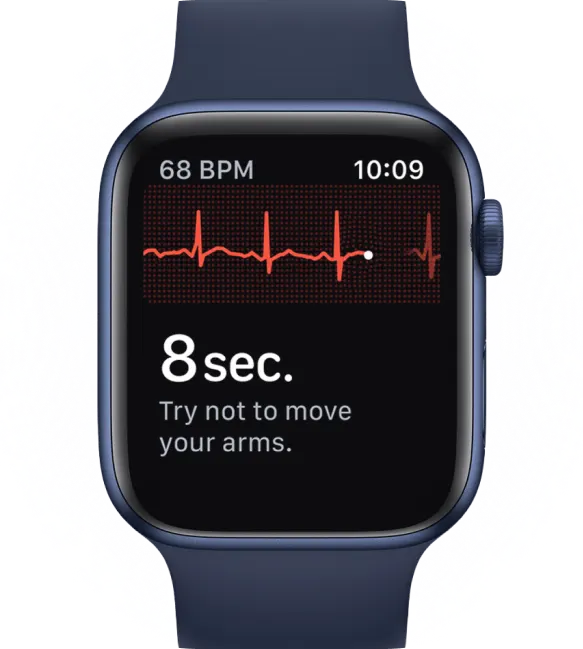
A wearable ECG from an Apple Watch, Fitbit, Samsung watch, or Kardia device can't diagnose a valve problem by itself. But it can help you notice rhythm changes, capture palpitations, and document when symptoms happen.
That information doesn't replace a clinician. It helps you show up with evidence instead of vague memories. For many anxious patients, that's a meaningful shift.
What Your Heart Valves Do and How They Can Go Wrong
Think of your heart as a pump with four one-way doors. Those doors are the valves. Their job is simple. Open at the right time, then close tightly so blood doesn't move backward.
The four valves are the aortic, mitral, tricuspid, and pulmonary valves. Each one sits between chambers or between the heart and major blood vessels.
The normal job of each valve
- Aortic valve: This valve lets blood leave the heart and go to the rest of the body.
- Mitral valve: This one guides blood from the upper left chamber to the lower left chamber.
- Tricuspid valve: It moves blood from the upper right chamber to the lower right chamber.
- Pulmonary valve: This valve directs blood from the heart to the lungs.
When valves work well, blood flows in one direction with very little resistance.
The two main ways valves fail
The first is stenosis. That means a valve has become stiff or narrow. Think of a door that only opens halfway. Blood can still get through, but your heart has to push harder.
The second is regurgitation, also called insufficiency. That's a leak. The valve doesn't close completely, so some blood slips backward when it should be moving forward.
Some people also hear the term prolapse. That usually refers to a valve leaflet bulging the wrong way when the heart squeezes. It can contribute to leaking.
A murmur doesn't tell you the full diagnosis. It suggests blood may be moving through a valve in an unusual way.
A concrete example
Calcific aortic stenosis is one of the most common types of valvular heart disease. In this condition, the aortic valve gradually narrows. Doctors judge how severe it is with ultrasound measurements. An aortic velocity of 4 m/s or higher indicates severe disease and often points toward valve replacement to avoid rapid decline, based on ACC/AHA guidance: American Heart Association Journal Article
That number matters because it helps doctors move from “we're watching this” to “we need to act.”
Why these mechanics affect how you feel
A narrowed valve can leave you breathless or lightheaded because blood can't move forward efficiently. A leaky valve can make you tired because the heart has to handle extra volume over and over again.
Over time, that extra strain can enlarge heart chambers, trigger rhythm issues, or weaken the heart muscle.
If you've been told you have a small leak, this overview of mild valve regurgitation can help you understand why “mild” often means monitoring rather than panic.
Recognizing the Signs of Valvular Heart Disease
Some people notice valvular heart disease gradually. They don't wake up one morning knowing something is wrong. Instead, life gets a little harder in quiet ways.
You may climb stairs you used to handle easily and feel more winded than expected. You may finish errands and feel strangely drained. You may lie in bed at night and notice a fluttering heartbeat that wasn't there before.
What symptoms can feel like in real life
One person notices they now pause halfway through a walk they used to enjoy. Another thinks their swollen ankles must be from sitting too long. Someone else blames stress for a pounding or racing heart.
These changes matter because valve problems can alter pressure and blood flow long before a person looks obviously ill.
Common symptoms include:
- Shortness of breath: You may feel breathless during activity, when hurrying, or sometimes when lying flat. If you're sorting through possible reasons, this plain-language guide on what causes shortness of breath can help you think broadly while still taking heart symptoms seriously.
- Fatigue: Daily tasks may feel heavier than they used to.
- Palpitations: Some people feel fluttering, pounding, skipped beats, or a racing rhythm.
- Swelling: Ankles, feet, or lower legs may retain fluid.
- Dizziness or chest discomfort: These can happen with more advanced strain.
Why symptoms can be easy to dismiss
The body adapts. You may unconsciously slow down, avoid hills, take more breaks, or stop certain activities. That can hide the progression of a valve problem from both you and the people around you.
Some people also have very few symptoms for years, even when the valve disease is meaningful. That's one reason routine follow-up matters.
If a symptom is new, repeatable, or getting in the way of normal life, it's worth writing down. Specific examples help doctors far more than saying “I just feel off.”
Try logging what you felt, when it happened, what you were doing, and whether your wearable captured an ECG. That record can turn a vague concern into a useful clinical conversation.
How Doctors Find and Diagnose Valve Problems

Most valve problems aren't diagnosed from symptoms alone. Doctors piece the story together from what they hear, what you report, and what imaging shows.
It often starts with a murmur
A clinician may hear a murmur through a stethoscope. That's an unusual sound caused by turbulent blood flow. It can be an important clue, but it isn't the final answer.
Some murmurs are harmless. Others point to narrowing or leaking across a valve.
The echocardiogram is the key test
The main test for valvular heart disease is an echocardiogram, which is an ultrasound of the heart. It shows the valves opening and closing in real time.
An echo can answer questions such as:
- Which valve is involved
- Whether the issue is narrowing, leaking, or both
- How severe it appears
- Whether the heart chambers are enlarging or weakening
If you're not sure what happens during that test, this overview of a transthoracic echocardiogram explains the basics in patient-friendly terms.
Where wearable ECGs help and where they don't
Many people get mixed messages regarding this point. A wearable ECG is useful, but for a different reason than an echo.
Your Apple Watch, Fitbit, Samsung watch, Withings device, or Kardia recording can capture heart rhythm. It may show atrial fibrillation, premature beats, pauses, or a rapid rhythm during symptoms.
It cannot directly see whether a valve is narrowed or leaking.
To understand it most accurately, consider the following:
- Echocardiogram: This tool examines valve structure and blood flow.
- Wearable ECG: This device records heart rhythm during symptoms.
Both tools are important, as they address different aspects.


Why self-advocacy matters
Diagnostic gaps are real. Despite similar prevalence of valve issues found on scans, Black and Asian patients are less likely to receive a formal diagnosis of significant aortic stenosis compared to White and Hispanic patients, as reported here: Burden of Valvular Heart Diseases in a Racially and Ethnically Diverse Population: The Bronx‐Valve Registry
That doesn't mean every missed concern is intentional. It does mean you should be persistent if something doesn't add up.
Bring your symptom notes, your ECG captures, and your questions. Ask what valve is affected, what grade or severity was seen, and when your next echo should happen.
Patients who advocate for themselves often get clearer follow-up. That's not how the system should work, but it's often how real care gets improved.
Exploring Your Treatment and Management Options

A diagnosis usually brings one immediate question. What happens now?
The answer depends on the valve, the severity, your symptoms, and how the heart is responding.
When doctors monitor rather than intervene
Many people start with watchful follow-up. That means repeat visits and repeat echocardiograms over time.
You may also receive medicines to help with related issues such as blood pressure, fluid retention, or rhythm problems. Those medicines can improve how you feel, but they do not repair a damaged valve.
When the valve itself needs to be fixed
Once a valve problem becomes severe, treatment often shifts from symptom control to repair or replacement.
- Repair: A surgeon fixes your own valve, often by reshaping or supporting it.
- Replacement: The old valve is replaced with a mechanical or tissue valve.
- Catheter-based treatment: Some patients can have minimally invasive procedures such as transcatheter valve replacement instead of open-heart surgery.
The right option depends on anatomy, age, symptoms, surgical risk, and the valve involved.
Timing matters
Waiting too long can let the heart stretch or weaken in ways that may not fully reverse. In severe mitral regurgitation, guidelines recommend surgery or intervention when symptoms appear or when the heart's main pumping chamber weakens, defined as ejection fraction below 60%, because further delay can lead to permanent harm: Valvular Heart Disease Epidemiology
That can feel frustrating if you don't feel terrible yet. But valve care is often about acting before permanent harm sets in.
A treatment plan may sound cautious, but that doesn't mean nothing is happening. It often means your team is choosing the right moment instead of the earliest possible moment.
Living Well and Monitoring Your Heart Health
Living with valvular heart disease isn't just about procedures and follow-up appointments. It's also about how you manage daily life between visits.
Many people stay active and engaged for years with careful monitoring and sensible habits. The challenge is consistency.
What helps day to day
Small routines matter more than dramatic overhauls.
- Activity: Follow your clinician's guidance about exercise intensity. Many people can remain active, but new symptoms during exertion should be taken seriously.
- Food and fluid habits: A heart-supportive eating pattern and awareness of fluid retention can help you notice changes sooner.
- Stress management: Anxiety can amplify palpitations and make every sensation feel dangerous. A written symptom log can reduce that uncertainty.
- Medication review: If you're on heart medicines, know what each one does and what side effects to report.
For broader daily habits that support heart health, this guide on lifestyle changes for heart disease is a practical starting point.
Why proactive monitoring makes sense
Many patients with valvular heart disease remain asymptomatic for years, and no drugs exist to halt progression. Long-term monitoring for rhythm complications, including atrial fibrillation that often accompanies mitral or tricuspid regurgitation, is an important part of management, as described here: Challenges and Opportunities in Valvular Heart Disease
That changes the job of a wearable device. Its real value isn't proving your valve is normal or abnormal. Its value is helping you capture rhythm data when your body feels different.
A useful routine looks like this:
- Notice the moment
If you feel fluttering, pounding, skipped beats, unusual fatigue, or breathlessness, pause and note the time. - Record an ECG if your device allows it
Apple Watch, Kardia, Fitbit, Samsung, and similar tools can sometimes capture a rhythm strip during symptoms. - Save context
Write down whether you were walking, stressed, lying down, or recovering from exercise. - Share patterns, not just isolated events
Clinicians can often do more with repeated examples than with one vague episode.
One option some wearable users choose is Qaly, which provides human-reviewed interpretation of wearable and at-home ECG recordings and reports interval readings such as PR, QRS, and QTc. That can be useful when you're trying to document palpitations between appointments and bring organized rhythm data to your clinician.
Keep perspective when reading about heart health online
Your watch is a notebook, not a cardiologist. Use it to capture evidence, not to make a final diagnosis on your own.
That mindset keeps wearables helpful instead of overwhelming.
Your Path Forward with Confidence
Valvular heart disease is serious, but it isn't a reason to panic. It's a reason to get informed, pay attention, and stay engaged.
You've already taken an important step by learning how valves work, what symptoms deserve attention, how diagnosis happens, and why timing matters in treatment. That knowledge empowers you in a system that can sometimes feel rushed or confusing.
Keep asking direct questions. Keep records of symptoms and rhythm events. Keep your follow-up appointments, especially if you've been told to monitor a valve over time.
If you've already had a valve procedure or surgery, it can also help to understand possible recovery concerns and warning signs. This overview of post heart surgery complications may give you helpful context for those conversations.
A calm, organized patient often gets better care. Not because you should have to fight for it, but because clear information changes what your clinicians can act on. Your role matters, and so does your voice.
If you use an Apple Watch, Fitbit, Samsung watch, Kardia, or another wearable ECG device and want help making sense of rhythm recordings between appointments, Qaly is one option to consider. It connects wearable ECGs with certified cardiographic technicians for human-reviewed analysis, which can help you organize symptom-related recordings and share clearer information with your healthcare team.

Understand your ECG data. Get expert analysis on your wearable recordings within minutes.



.png)
.png)