


Key Takeaways

User Profile
Hello Heart Hero. If you’ve just been told you have mild valve regurgitation, it’s completely normal to feel a mix of confusion and concern. This diagnosis often comes as a surprise during a routine checkup, leaving you with a lot of questions about what it really means for your heart and your future.
Demystifying Your Diagnosis

It can be unsettling to hear that something isn't working perfectly in your heart, especially when doctor's appointments don't always leave enough time to get all your questions answered. We understand you might be feeling skeptical or overlooked by the healthcare system, and you're searching for clear, trustworthy information. We're here to provide just that. This guide is designed to walk you through everything you need to know, translating confusing medical terms into simple, reassuring language.
Let's start with an easy analogy. Think of your heart's four valves as a set of perfect, one-way doors. Their job is to swing open to let blood move forward and then snap shut, preventing any of it from flowing backward. This keeps traffic moving in the right direction, ensuring your whole body gets the oxygen-rich blood it needs.
What “Mild Regurgitation” Really Means
When you’re told you have mild valve regurgitation, it simply means one of those doors isn’t closing completely flush. A tiny, almost insignificant amount of blood is leaking backward through that small gap each time your heart beats.
The most important word here is "mild." It signals that the leak is very small, so small that in most cases, it doesn't put any extra strain on your heart or impact its ability to do its job. It’s an incredibly common finding, often discovered by accident, and for many people, it's just a normal variation or a minor change that comes with age.
The key takeaway is this: A diagnosis of mild valve regurgitation is typically a call for observation, not alarm. It's a prompt to become more aware of your heart health, not a sign that something is immediately wrong.
This guide will help you understand:
- What’s happening inside your heart, without the confusing jargon.
- Why this condition is often asymptomatic and what to look for.
- How doctors monitor it and what you can do to manage it proactively.
You’re not alone on this journey. Understanding your diagnosis is the first and most powerful step toward feeling in control. This isn’t a story about a faulty heart; it's about becoming an informed and active partner in your own wellness, ready to have meaningful conversations with your doctor and make the best choices for your life.
What Is Happening Inside Your Heart

So, you've got this diagnosis. Let's pull back the curtain on what that actually means for your heart, using simple terms instead of intimidating medical jargon.
Your heart is a powerful pump with four chambers, and it has a clever system to keep blood moving in the right direction: four specialized, one-way gates.
These are your heart valves, and they are masters of timing and coordination.
The Four Valves of Your Heart
Each valve has a specific job, guiding blood through your heart and out to your body. Think of them as working in pairs to keep the whole operation running smoothly.
- Tricuspid and Mitral Valves: These are your "inflow" gates. They control blood moving from the upper chambers (atria) down into the lower chambers (ventricles).
- Aortic and Pulmonary Valves: These are the "outflow" gates. They manage blood as it's powerfully pumped out of the lower chambers to your lungs and the rest of your body.
In a perfectly working heart, these valves open wide to let blood through and then snap shut, forming a tight seal to prevent any of it from flowing backward. It's this perfect seal that keeps your circulation efficient, like a well-oiled machine.
Understanding the "Leaky Valve" Concept
When a doctor tells you that you have valve regurgitation, it simply means one of those gates isn't closing all the way.
Picture a door that doesn't quite latch, leaving a tiny gap. Each time your heart beats, a small amount of blood can sneak backward through that opening.
That backward flow is the "regurgitation." It’s really just a mechanical issue. It doesn't mean your heart is weak or failing. It's just a small imperfection in how one of the valve seals works.
It's also important to know that heart valves generally don't heal themselves like a cut or a broken bone. Once a valve becomes a little leaky, it usually stays that way. This is exactly why monitoring becomes the central part of your long-term health plan.
Your heart is a strong and resilient organ. With mild valve regurgitation, it can easily compensate for the tiny backward leak without any noticeable effect on its overall performance.
This is where the word "mild" is so incredibly important. It’s the official medical term for "a very small amount." This distinction is what separates a common, often harmless finding from a more serious valve problem. A mild leak is usually too small to make your heart work any harder or cause any strain.
Why This Is More Common Than You Think
Hearing you have any kind of heart condition can feel isolating, but mild valve regurgitation is remarkably widespread. Many people are walking around with a slight leak in one of their valves and live their entire lives without ever knowing it. It’s often found by accident during tests for something else entirely.
In fact, research shows just how prevalent it is, especially as we get older. One major study found that among older adults, mild forms of valve regurgitation are very common. When researchers screened Americans aged 65 to 85, a significant 10.7% had tricuspid regurgitation, and many others had mitral regurgitation. This suggests millions of people have some form of valve condition, with most being completely unaware. You can read more about these findings on valvular heart disease.
This isn't to downplay your diagnosis, but to reassure you. You are part of a very large group of people whose hearts have minor imperfections that rarely cause trouble. Understanding this can help shift your perspective from worry to watchful wellness. The goal now is simply to keep an eye on it over time.
Common Causes and Symptoms You Should Know
It’s completely natural to wonder, "Why me?" when you get a new health diagnosis. You're probably asking yourself what caused this and whether you should be feeling something different in your body. Let's dig into the common reasons behind mild valve regurgitation and what, if anything, you might actually feel.
One of the first things to understand is that this condition is often not your fault. For many people, it’s simply a consequence of the natural aging process. Just like our skin and joints change over time, so do our heart valves. They can lose a bit of their flexibility or develop tiny structural changes that lead to a small leak.
What Causes a Mildly Leaky Valve
Beyond just getting older, a few other common factors can play a role in mild valve regurgitation. It's helpful to know these, not to place blame, but to better understand your own health story.
Common contributing factors include:
- Changes from High Blood Pressure: Think of high blood pressure as making your heart work in overdrive for years. All that extra strain can subtly stretch and change the shape of your heart chambers and valve structures, eventually causing a mild leak.
- Mitral Valve Prolapse (MVP): This is a very common and usually harmless condition where the mitral valve flaps are a bit "floppy," bulging backward slightly when the heart contracts. Sometimes, this can cause a small amount of backflow.
- Conditions You're Born With: Some people are simply born with slight variations in their heart valve anatomy. A bicuspid aortic valve, for instance, has two leaflets instead of the usual three, which can sometimes lead to a mild leak over time.
- Previous Heart Infections or Damage: Illnesses like rheumatic fever (which is rare these days in developed countries) or damage from a previous heart attack can sometimes affect the valve tissue.
It's clear that aging plays a huge part here. As populations have gotten older, the incidence of mild valve regurgitation has gone up right alongside it. For instance, degenerative mitral disease affects 2 to 3% of people in the U.S., but that number jumps to 9% in those over age 75. A major European study found that the odds of developing valve disease increase by about 1.07 times for each year of age, making it a common part of the aging journey.
The Surprising Truth About Symptoms
Now for the big question: what should you be feeling? The most common symptom of mild valve regurgitation is absolutely nothing.
That’s right. The vast majority of people with a mild leak have no idea it’s there because it simply doesn't produce any noticeable symptoms. The leak is too small to affect your heart’s overall function or how you feel day-to-day.
That said, a small number of people might notice subtle sensations. It’s important to recognize these so you can keep track of them, but also to remember that they don't automatically signal a problem.
For most people, a diagnosis of mild regurgitation is an observation, not a limitation. The absence of symptoms is the norm, and the focus is on awareness and long-term wellness, not on waiting for something to go wrong.
If symptoms do appear, they are often mild and can come and go. They might include:
- Heart Flutters (Palpitations): You might feel a brief sensation of a skipped beat, a flutter, or your heart pounding. This is a common experience and is often benign, but it's a key signal to log with your wearable ECG.
- Occasional Shortness of Breath: Maybe you feel a little winded after significant exertion, like climbing several flights of stairs. This can happen because the heart has to work slightly harder, but with mild regurgitation, it's typically not severe. You might be interested in learning more about what causes shortness of breath.
- Fatigue: Feeling more tired than usual can be linked to countless things, but in some cases, it can be related to the heart working a bit less efficiently.
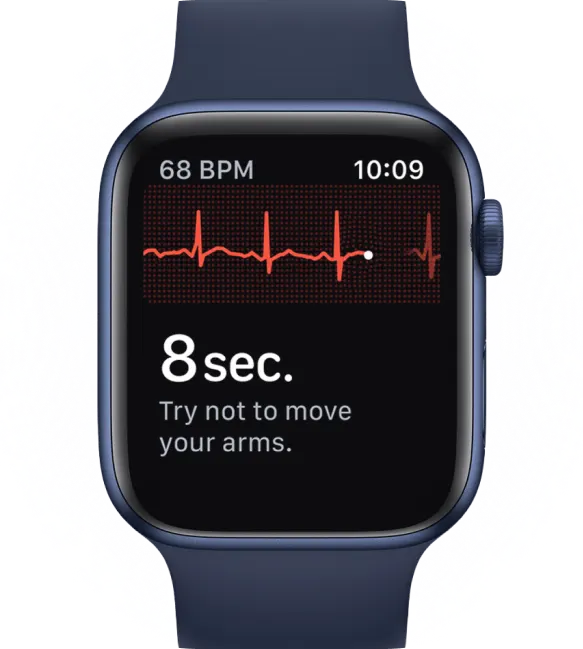
If you use a smartwatch, you have a powerful tool in your pocket. The next time you feel a flutter, you can take an on-the-spot ECG. This doesn't measure the valve leak itself, but it captures the electrical rhythm at that exact moment. Logging these events gives you valuable data to share with your doctor, helping them see the full picture of your heart's activity between visits. It's a fantastic way to stay in tune with your body and be proactive about your health.
How Doctors Diagnose and Monitor Your Heart
Understanding how doctors figure out you have mild valve regurgitation can take a lot of the mystery and anxiety out of the process. When you feel like an informed partner in your own healthcare, it’s much easier to make sense of a new finding. Luckily, the path to diagnosis is usually pretty straightforward.
It often starts simply, during a routine checkup. Your doctor places a stethoscope on your chest, listening carefully to your heart. If they hear a specific whooshing or swishing sound between heartbeats, they might tell you that you have a heart murmur.
That term sounds more alarming than it often is. A heart murmur isn’t a condition itself; it's simply the sound of blood flowing in a turbulent or unusual way. For mild valve regurgitation, that sound is created by the tiny puff of blood leaking backward through the valve. Think of it as the sound of water flowing through a slightly bent hose rather than a perfectly straight one. Hearing this murmur is the first clue that prompts your doctor to investigate.
The Gold Standard for Diagnosis: Echocardiogram
To confirm what’s causing the murmur and actually see your heart in action, your doctor will order a test called an echocardiogram. This is the most definitive tool we have for diagnosing valve issues.
An echocardiogram is essentially an ultrasound of your heart. It’s a completely painless, non-invasive procedure where a technician glides a handheld wand (a transducer) over your chest. This device sends out sound waves that bounce off your heart’s structures, creating a detailed, moving picture on a screen.
This live video lets your doctor see:
- The size and shape of your heart chambers.
- How well your heart is pumping.
- The structure and movement of all four heart valves.
- The exact location and amount of any blood leaking backward.
This test is how they can confidently say the regurgitation is "mild" and not something more significant. Getting a closer look at this process can be very helpful; you can learn more about what to expect in our detailed guide to the transthoracic echocardiogram.


ECG vs. Echocardiogram: A Key Distinction
Here’s a critical point that can be confusing, especially for those of us who use wearable devices like an Apple Watch or Fitbit. It's vital to understand the difference between an ECG (electrocardiogram) and an echocardiogram. They measure two completely different things about your heart.
An ECG tracks your heart's electrical activity, telling you about your rhythm. An echocardiogram creates a visual image of your heart's physical structure, telling you about its shape and function.
Think of it this way:
- An ECG is like listening to a car engine's timing and ignition system. It’s perfect for spotting rhythm problems like atrial fibrillation or palpitations.
- An echocardiogram is like looking at a blueprint or an X-ray of the engine itself. It shows the physical parts, like the valves (doors) and chambers.
Your smartwatch ECG is an incredible tool for monitoring your heart's rhythm and tracking symptoms like flutters in real-time. However, it cannot see your heart valves or detect a leak. Only an imaging test like an echocardiogram can diagnose mild valve regurgitation. Knowing this difference empowers you to have much clearer, more productive conversations with your healthcare team, ensuring you understand exactly what each test is telling you.
Living Well with Mild Valve Regurgitation
Getting a diagnosis of mild valve regurgitation is the first step. The next, and most important one, is understanding how to live well with it. This isn't about feeling limited or afraid. Think of it as a powerful new reason to tune into your body and build heart-healthy habits that will benefit you for years to come.
For most people, a "mild" diagnosis doesn't mean jumping into medications or procedures. Instead, the focus shifts to something much more empowering: proactive monitoring and positive lifestyle choices. This approach puts you right in the driver's seat of your own health.
Your Action Plan for a Heart-Healthy Life
Consider this your personal blueprint for supporting your heart. These are practical, everyday strategies that make a huge difference, not just for your valve, but for your overall energy and vitality. The goal is simple: create an environment where your heart doesn't have to work any harder than it needs to.
Here are a few simple, effective places to start:
- Eat a Balanced Diet: Zero in on whole foods. Think fruits, vegetables, lean proteins, and whole grains. Cutting back on salt, heavily processed foods, and unhealthy fats is a great way to help manage blood pressure and support your heart's overall function.
- Move Your Body Regularly: Find an activity you actually enjoy. It could be anything from brisk walking and swimming to cycling or dancing. Aim for around 30 minutes on most days of the week. Consistent exercise strengthens your heart muscle and keeps your circulation in top shape.
- Manage Blood Pressure: High blood pressure puts extra strain on your heart and its valves, period. A healthy diet, regular exercise, and finding ways to manage stress are your best tools here. Keeping your blood pressure in a healthy range is one of the most impactful things you can do.
- Avoid Smoking: If you smoke, quitting is the single best decision you can make for your cardiovascular system. Smoking damages blood vessels and makes your heart work overtime.
These steps are all about building a solid foundation of health that supports you from the inside out. For more ideas, check out our guide on how to check your heart health at home.
A Global Perspective on Staying Proactive
While your diagnosis feels personal, it's sometimes helpful to zoom out and see the bigger picture. Globally, the numbers around valve regurgitation show some interesting trends.
A major review, for example, found that while the global rate of moderate to severe mitral regurgitation was 0.67%, it was noticeably higher in North America at 1.11%. Projections even suggest these cases could double in the U.S. by 2030. This really underscores how important early monitoring and positive lifestyle changes are for slowing down any potential progression. You can discover more insights about these global trends right here.
A diagnosis of mild valve regurgitation is not a finish line; it’s a starting point. It’s an invitation to become the CEO of your own health, making conscious choices that promote strength and resilience from the inside out.
Living well with this condition is all about celebrating what your body can do and giving it the best possible support. Every healthy meal, every walk you take, and every mindful moment is a deposit in your long-term health bank. You have the power to turn this diagnosis into a catalyst for positive, lasting change.
Using Your Smartwatch for Proactive Monitoring

Your wearable device, whether it's an Apple Watch, Fitbit, or another brand, is so much more than a step counter these days. It can be a powerful partner in your health journey, especially when you're keeping an eye on a condition like mild valve regurgitation. It puts valuable information right on your wrist, helping you become a more active participant in your own care.
While your watch can’t actually see your heart valves, it excels at one crucial thing: tracking your heart's electrical rhythm. This becomes incredibly useful if you experience symptoms like palpitations or a sudden flutter. Instead of just trying to remember what it felt like later, you can capture an ECG in that very moment.
This simple act transforms a fleeting feeling into concrete, shareable data. Building this personal log of your heart's activity is a game-changer, helping you and your doctor spot patterns that might otherwise be missed during a short office visit.
Turning Data into Actionable Insights
Capturing an ECG is the first step, but understanding it is what truly brings peace of mind. When you feel a flutter and record an ECG, you’re often left wondering, "Okay, what does this mean?" Was it just a harmless skipped beat, or is it something more significant like Atrial Fibrillation (AFib)?
This is where services designed for wearable ECGs become so valuable. An app like Qaly, for instance, connects you with certified technicians who can analyze your smartwatch ECGs, often in just a few minutes. This human-verified analysis helps you understand what you're feeling and provides reassurance when you need it most.
This immediate feedback loop closes the gap between feeling a symptom and understanding it, which can be a huge relief for any anxiety you might feel.
By combining your wearable ECG with an expert analysis service, you transform your device from a simple gadget into a sophisticated instrument for collaborative health management. You're no longer just collecting data; you're gathering meaningful insights.
This proactive approach makes your follow-up appointments with your cardiologist far more productive. Instead of just saying, "I think I felt some flutters last month," you can show them a detailed report of exactly when they happened and what your heart rhythm was doing. This gives your doctor a clearer, more complete picture of your heart's activity over time.
Learn more about making the most of your device in A Cardiologist's Guide to the Smartwatch ECG. This partnership between your personal monitoring and your doctor’s expertise is truly the future of managing heart health.
How to Use Your Smartwatch Effectively
To get the most out of your device, think of yourself as a detective for your own health. Here’s a simple strategy to follow:
- Capture ECGs During Symptoms: The moment you feel a palpitation, irregular pulse, or dizziness, take an ECG. Don't wait.
- Log Your Feelings: Make a quick mental or physical note of what you were doing and how you felt. Were you resting? Stressed? Exercising? This context is crucial.
- Seek Interpretation: Use a service to get a reliable analysis of the ECG. This helps you separate a benign event from something that needs medical attention.
- Share with Your Doctor: Compile these reports to share with your cardiologist. This detailed log provides a much richer view of your health than a single in-office test ever could.
This process empowers you, making you an essential and informed member of your own healthcare team.
Frequently Asked Questions About Mild Valve Regurgitation
Getting a new diagnosis can feel like opening a book with a lot of unanswered questions. It's completely natural to have concerns, so let's walk through some of the most common ones people have after learning they have mild valve regurgitation.
Will My Mild Valve Regurgitation Get Worse?
This is probably the first question that pops into most people's minds, and it's a good one. The reassuring news is that for many, many people, mild valve regurgitation stays exactly that: mild. It often remains stable for your entire life without ever causing a problem that needs fixing.
That said, for some people, it can progress over time. This is precisely why your doctor will want to keep an eye on it. Regular monitoring, usually with an echocardiogram every few years, is the standard way we check in on your valve's health and function.
You also have a powerful role to play. Simple lifestyle habits, like managing your blood pressure and maintaining a healthy weight, reduce the overall workload on your heart. Think of it as giving your heart an easier job to do, which can help slow down any potential progression.
Do I Need to Restrict My Activities or Exercise?
Here's some more good news. In nearly every case of mild valve regurgitation without symptoms, there's absolutely no need to limit your physical activity.
In fact, it's quite the opposite. Regular, moderate exercise is one of the best things you can do for your heart. Activities like walking, swimming, or cycling strengthen your heart muscle and boost your overall cardiovascular fitness. Of course, it's always smart to chat with your doctor about your specific exercise routine, but the general advice is to keep moving.
The only time your doctor might suggest pulling back is if you start developing symptoms, or if follow-up tests show the regurgitation has become more severe.
For the vast majority of people with a mild diagnosis, the message is clear: stay active. Your heart is strong and benefits from regular movement.
Can My Wearable ECG Detect Valve Regurgitation?
This is a really important distinction to make: no, a wearable ECG from a device like an Apple Watch or Fitbit cannot detect or diagnose valve regurgitation.
Your smartwatch ECG is an amazing tool for looking at your heart's electrical system. It's designed to spot rhythm problems, like atrial fibrillation (AFib) or other arrhythmias, by tracking the electrical signals that make your heart beat.
Valve regurgitation, on the other hand, is a structural issue. It is a problem with the physical "door" of the valve not closing tightly. You can't see a mechanical problem like that on an electrical tracing. It requires an imaging test, like an echocardiogram, which uses sound waves to create a live video of your heart so a doctor can actually see the valve in action.
While your wearable is incredibly useful for tracking symptoms like palpitations that can sometimes be associated with valve issues, it doesn't replace the need for proper diagnostic imaging.

Monitoring your heart's rhythm has never been easier. Qaly delivers expert ECG analysis in minutes - giving you the clarity and peace of mind you deserve.



.png)
.png)