


Key Takeaways

User Profile
Hello Heart Hero. We know that if you're using a device to monitor your heart's rhythms, you’re already being wonderfully proactive about your health. It's completely natural to wonder where things like vitamins fit into the picture, especially the link between vitamin A and heart health.
We understand it can feel like a lonely journey sometimes, especially if you're feeling a bit let down by the usual healthcare path. Please know, this article is here to support you with clear, helpful information. The current thinking is that vitamin A plays a supportive role in how your heart cells produce energy, rather than acting as a magic bullet against heart disease.
A Heartfelt Guide to Vitamin A
The world of nutrition and supplements can be really confusing, and when you’re trying to look after your heart, you just want clear, straightforward answers. We've created this guide to help cut through the noise and explain the real relationship between vitamin A and your heart in a way that makes sense.
We'll look at what the science actually says, bust a few myths, and give you practical advice. Our goal is to empower you with solid information so you can feel confident in the choices you make, which can work beautifully alongside the data you get from your ECG readings.
Understanding the Cellular Connection
At its core, vitamin A helps your heart cells work properly. It’s comforting to think of your heart as a powerful engine; vitamin A is like a key member of the maintenance crew, making sure all the tiny parts run smoothly. Its job is subtle, but it helps keep your heart tissue fundamentally healthy.
It supports the very processes that allow your heart muscle to contract and pump blood day in and day out. It's one of nature's background helpers.
Recent studies are starting to paint a clearer picture of this connection. A 2023 study, for example, suggested that a lack of vitamin A could mess with how heart cells generate energy. This is especially important for a heart that might be under stress from conditions like obesity. Discover more insights about these heart-protective findings.
Your journey to better heart health isn’t about finding a single miracle cure. It's about consistently giving your body the fundamental tools it needs to thrive.
This guide will walk you through:
- How vitamin A actually supports your heart's function.
- The big difference between getting nutrients from food versus supplements.
- Safe intake levels to make sure you're helping, not harming.
- How vitamin A might interact with common heart medications.
By the end, you'll have a much clearer understanding of where vitamin A fits into your overall wellness plan, and we hope you'll feel more at ease.
How Vitamin A Supports Your Heart's Engine
Let's pull back the curtain on how vitamin A actually works inside your body, without getting lost in complex jargon. It’s helpful to think of your heart as a high-performance engine, running nonstop, 24/7, to pump blood to every corner of your body. In this picture, vitamin A is like a specialized maintenance crew working deep inside your heart's cells.
One of its most critical jobs is to guard against something called oxidative stress. You can picture this as a kind of "cellular rust" that, over time, can build up and damage the delicate tissues of your heart. As a potent antioxidant, vitamin A helps neutralize these harmful particles, keeping the cellular machinery running clean and smooth.
Powering Your Heartbeat
Beyond just protecting the heart, vitamin A also has a hands-on role in managing the genes that control how your heart cells produce energy. Just like a car engine needs a steady, efficient fuel supply, your heart cells require a constant stream of energy to contract strongly and keep a steady rhythm.
This vitamin helps ensure your heart cells can effectively convert fuel sources, like fats and glucose, into the power they need to function. This process is absolutely fundamental for maintaining a strong, regular heartbeat. For anyone who keeps a close eye on their rhythm with a monitor, understanding this supportive role of vitamin A can be incredibly reassuring.
It’s not about finding a single magic bullet for heart problems. Instead, it's about nourishing the fundamental building blocks that create a resilient and healthy heart, one meal at a time.
Proper energy production in the heart is tied to so many aspects of cardiovascular wellness, from how efficiently the muscle contracts to how the body manages cholesterol. If you want to go deeper on that particular topic, you can learn more about the role of cholesterol in heart health in our detailed guide.
Ultimately, vitamin A contributes to the foundational health of your entire cardiovascular system. It supports the very basics of what your heart needs to do its job, day in and day out, helping to keep its engine running as smoothly as possible.
The Great Debate: Food Versus Supplements
Walking down the vitamin aisle can feel overwhelming. You see bottles shouting about vitamin A's benefits, right next to others with quiet warnings about taking too much. It’s a confusing mixed message, but the real story is simpler than you'd think. It all comes down to the source.
When it comes to your heart, getting vitamin A from whole foods is almost always the safer and more effective choice. When you munch on a carrot or a sweet potato, you’re getting beta-carotene. Your body is wonderfully smart. It only converts what it needs into the active form of vitamin A, giving you a natural, built-in safety switch that makes it very hard to get too much.
This visual breaks down how vitamin A from your food works to support your heart in three essential ways.
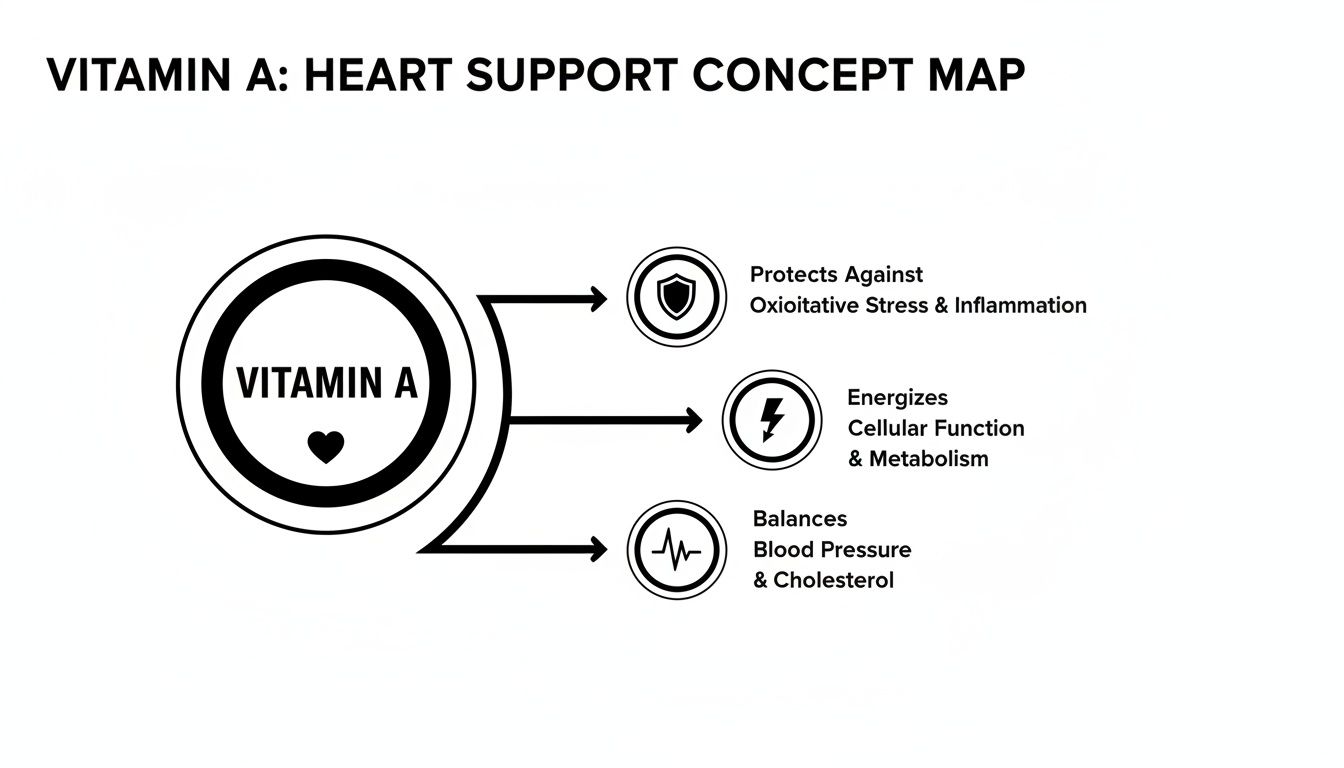
As you can see, vitamin A acts as a protector, energizer, and balancer for your cardiovascular system. These roles are all critical for keeping your heart beating steadily and healthily.
Why Supplements Are a Different Story
High-dose supplements, especially those with pre-formed vitamin A (retinol), are another matter entirely. Unlike the gentle conversion process your body uses for plant-based sources, these supplements deliver a direct, powerful hit that can easily overwhelm your system. This is where the simple narrative of vitamin a and heart health gets a lot more complicated.
Large studies have turned up mixed, and sometimes concerning, results. A major 2018 analysis of 179 different trials found that while most common vitamins didn't do much to prevent cardiovascular disease, one trial linked beta-carotene supplements to an 8% increase in deaths from ischemic heart disease. You can read the full analysis from the American College of Cardiology to dig deeper into these findings.
The key takeaway isn't that vitamin A is bad. It's that your body is designed to get this nutrient from your plate, not from a pill.
Choosing Your Source Wisely
This doesn't mean you should throw out all supplements, but it does mean you need to be careful. If you're looking into supplements, some options like cod liver oil capsules provide vitamin A along with beneficial omega-3s. Still, the golden rule should always be: food first.
A plate full of colorful, vitamin A-rich foods offers a whole symphony of nutrients that work together in ways an isolated supplement just can't match. And while this article is focused on vitamin A, it’s helpful to see the bigger picture. If you're interested, you can learn more in our guide to other supplements for heart health.
Ultimately, filling your diet with foods like spinach, bell peppers, and mangoes is a much smarter, and safer, way to nourish your heart.
Finding Your Body's Safe Vitamin A Balance
When it comes to nutrition, it’s easy to fall into the “more is better” trap. But with fat-soluble vitamins like A, balance is everything. Unlike vitamins your body simply flushes out, it squirrels away any extra vitamin A. Over time, that excess can build up and become counterproductive, especially when we’re talking about vitamin A and heart health.
It might feel like walking a tightrope, but finding that safe middle ground is simpler than you might think. It’s less about meticulous tracking and more about understanding what your body truly needs, not what a supplement bottle promises.
Knowing the Right Amount
So, how much is actually enough? For most adults, the recommended daily amount of vitamin A is a pretty manageable target. Men generally need around 900 micrograms (mcg) of Retinol Activity Equivalents (RAE) per day. Women typically need about 700 mcg RAE per day.
Think of these numbers as a friendly guide, not a strict rule you need to obsess over. A balanced diet loaded with colorful fruits and vegetables usually gets you there without any extra effort, which is reassuring to know.
The Upper Limit: What’s Too Much?
The number that really deserves your attention is the Tolerable Upper Intake Level (UL). This is the maximum daily amount that’s unlikely to cause any harm. For adults, the UL for pre-formed vitamin A, the kind in supplements and animal products, is 3,000 mcg RAE per day.
Consistently crossing this line can lead to a condition called hypervitaminosis A, or vitamin A toxicity. It’s important to know this is almost always caused by high-dose supplements, not from overdoing it on carrots.
Finding your body's safe vitamin A balance is less about meticulous tracking and more about focusing on whole-food sources. Your body knows how to handle nutrients from food far better than it handles concentrated doses from pills.
Early signs of getting too much can be subtle, like dizziness, nausea, headaches, or blurred vision. Long-term, it can create more serious problems that impact your overall well-being.
For anyone managing a heart condition or taking specific medications, being mindful of this upper limit is a key part of a smart wellness plan. It’s all about giving your heart the support it needs without accidentally creating new problems down the road. This empowers you to make confident, informed choices that keep your heart safe.
Vitamin A and Common Heart Medications
If you're managing a heart condition with medications like blood thinners or statins, it's completely normal to be extra careful about what you eat. Juggling nutrition on top of a medication schedule can feel like a lot, but this information is meant to bring you clarity and peace of mind, not create alarm.
It's smart to be aware of how nutrients, including vitamin A, might interact with your treatment plan. The real goal here is to arm you with specific questions for your healthcare provider so you can manage your heart health as a team.


Potential Interactions to Discuss
While vitamin A from your diet is generally not a concern, taking very high doses from supplements could potentially interfere with certain heart medications. This is a big reason why the "food first" approach is so important for your heart.
One key area to watch is with blood thinners, like warfarin. Because vitamin A is fat-soluble, extremely high levels could theoretically affect how your body handles these critical medications. It’s also helpful to explore the common side effects of warfarin to have a complete picture.
Interestingly, some research has shown that dietary vitamin A can affect men and women differently when it comes to heart health. One study discovered that for every significant increase in vitamin A from food, female participants had a 22% lower risk of coronary artery disease, a connection that wasn't observed in men. You can learn more about these gender-specific findings here.
Atrial Fibrillation and Your ECG Readings
If you monitor your heart rhythm for a condition like atrial fibrillation, you might be wondering if your vitamin A intake could show up on your ECG. The short answer is that a normal dietary intake of vitamin A isn't known to directly change your ECG readings.
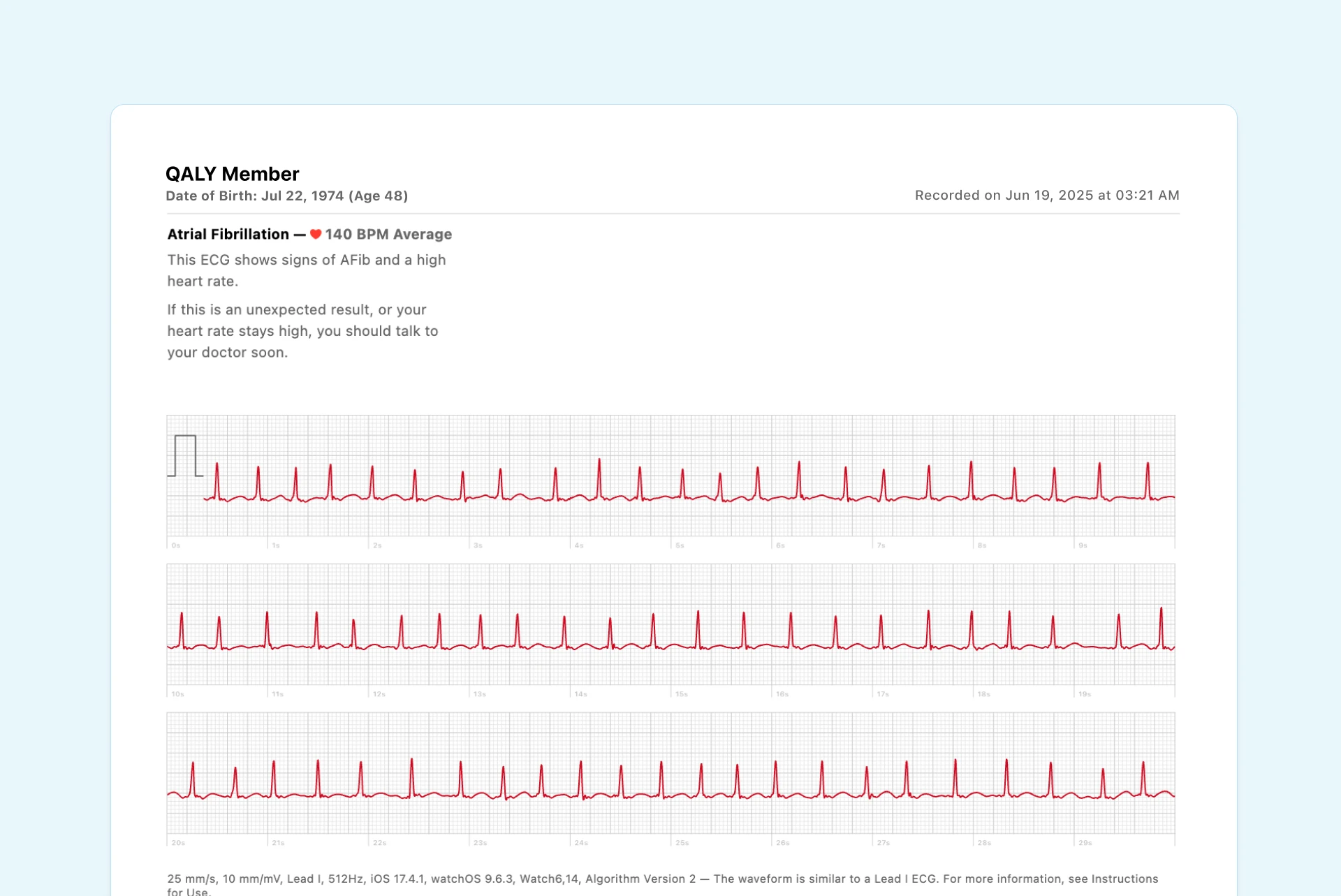
Your heart's rhythm is a complex dance involving electrolytes, your overall health, and your prescribed treatment. It's not something that vitamin A from a healthy diet is likely to disrupt.
The most important takeaway is to maintain an open dialogue with your doctor. Always, always let them know about any supplements you are taking or thinking about taking.
This knowledge isn't meant to cause worry. Think of it as building a stronger partnership with your healthcare team, where you feel confident asking the right questions and making decisions together.
A great practical skill is learning the art of deciphering food labels. Being able to spot fortified foods or understand serving sizes can empower you to stay within healthy limits and confidently manage your intake.
Simple Steps for a Heart Healthy Plate
Knowing what to do is one thing; actually doing it is what makes all the difference. All the research in the world won't help unless you can bring it into your own kitchen. This is your action plan, broken down into simple, achievable steps to nourish your heart.

Forget about complicated recipes or diets that feel impossible to stick with. We're focusing on easy additions and simple swaps that can make a real impact on your heart health over time.
Weaving Vitamin A Into Your Meals
Getting more vitamin A-rich foods onto your plate is probably easier than you think. A good rule of thumb? A colorful plate is often a heart-healthy plate.
Here are a few simple ideas to get you started:
- Boost Your Breakfast: Toss a handful of fresh spinach into your morning eggs or blend it into a smoothie.
- Swap Your Sides: Instead of regular fries, try baking some sweet potato wedges. You get that same satisfying feel with a huge nutrient boost.
- Snack Smarter: Keep baby carrots or sliced bell peppers handy for a crunchy, hydrating snack.
- Add a Topping: Sprinkle some shredded carrots over salads or soups for a bit of extra flavor, texture, and nutrition.
These small shifts, when practiced consistently, build a powerful foundation for wellness. You can explore more ideas by looking into other practical lifestyle changes for heart disease that support your journey.
When to Talk to a Professional
It’s empowering to take your health into your own hands, but it’s also wise to know when to bring in an expert. Think of your wellness journey as a partnership between you and your healthcare team.
Consider your doctor or a registered dietitian your trusted co-pilot. They can look at your personal health history, medications, and lifestyle to give you advice that’s just right for you.
You should definitely schedule a conversation if you:
- Have a pre-existing heart condition.
- Are taking any medications, especially for your heart.
- Are thinking about starting any new supplement, including vitamin A.
Taking this proactive step ensures you’re making choices that are not just effective, but also safe for your specific situation. It's the best way to move forward with confidence and peace of mind.
Common Questions About Vitamin A and Your Heart
When you're trying to do the best for your heart, figuring out vitamins can feel overwhelming. It's totally normal to have questions. Let's clear up some of the most common ones about vitamin A and your heart health.
Can a Vitamin A Supplement Prevent a Heart Attack?
This is a question on many people's minds, and the simple, honest answer is no. Current science just doesn't back up the idea of taking high-dose vitamin A supplements to prevent heart attacks.
In fact, some major studies haven't found any real benefit, and a few have even hinted at potential harm from popping high-dose pills. The safest and most effective move is to get your vitamin A from your diet. A colorful plate of fruits and vegetables brings a whole team of other heart-helping nutrients that work together. Always chat with your doctor before adding any new supplement to your routine.
What Are the Best Food Sources of Vitamin A?
Your best bet is to focus on eating a rainbow of whole foods. When you're looking for beta-carotene, which your body cleverly converts into vitamin A as needed, think bright orange and yellow.
- Vibrant Vegetables: Carrots, sweet potatoes, and colorful bell peppers are fantastic sources.
- Leafy Greens: Don’t forget about powerhouse greens like spinach and kale.
- Other Sources: You can also find pre-formed vitamin A in foods like fortified milk and eggs.
Loading up on these natural sources supports your overall heart wellness way more effectively than any pill ever could.
Your body is designed to pull nutrients from the food you eat. Trusting in a balanced diet is one of the most powerful and reassuring steps you can take for your heart.
Should I Worry About Vitamin A with Atrial Fibrillation?
For most people managing atrial fibrillation, getting vitamin A from food isn't just safe, it's good for you. The real area for caution is with very high-dose supplements, as these could potentially interfere with certain heart medications.
The smartest approach is to stick with a healthy diet and keep an open line of communication with your cardiologist. Talk to them about your nutrition and any supplements you're thinking about taking. They can offer advice that's tailored specifically to your health and treatment plan.

Keeping an eye on your heart's rhythm is a huge part of feeling in control of your health. With Qaly, you can have your wearable ECGs analyzed by a certified expert in just minutes, any time you need it.



.png)
.png)