




Key Takeaways

User Profile
Hello Heart Hero. When you're in the middle of a panic, you need straight answers, not more confusion. If you're wondering whether to take an aspirin with a heart attack, the short answer from most medical professionals is yes. Chewing one adult-strength (325 mg) non-coated aspirin while you wait for emergency services can be a life-saving move. This simple step can help stop a blood clot from getting bigger and doing more damage to your heart.
Your Quick Guide to Aspirin and Heart Attacks
If you're reading this because you're worried about yourself or someone you love, first, take a deep breath. Staring down a potential heart attack is terrifying, and it's perfectly normal to feel overwhelmed and unsure of what to do. We get that a lot of people are skeptical of standard medical advice and want to know the "why" behind any instruction. Our mission here is to give you that clarity, a calm, guiding hand through a stressful moment with information you can actually trust.
This guide is built to give you the essential knowledge you need right now, so you can act with confidence in an emergency. We aren't just telling you what to do; we're explaining exactly why it's so important.
Why Aspirin Is Often Recommended
During most heart attacks, a blood clot gets lodged in one of the arteries that delivers blood to your heart muscle. You can picture it as a major blockage in a critical pipeline. When that flow is cut off, the heart muscle is starved of oxygen and starts to die. That's what triggers the symptoms of a heart attack.
Aspirin's magic is that it makes your blood platelets less sticky. Platelets are tiny cells that normally rush to the scene of an injury to form a clot and stop bleeding, a great response for a cut, but a disastrous one inside a coronary artery.
By taking aspirin, you're essentially throwing a wrench into the clot-making machine. It's a first-response tool that helps keep the clot from growing and causing irreversible damage while you're waiting for paramedics to arrive.
Understanding the Bigger Picture
It’s absolutely critical to remember that aspirin is first aid, not a cure. It's just one part of a much larger emergency response. While this guide will walk you through what you need to know in the moment, it's also the first step toward understanding your heart health on a deeper level. A cardiac event can be a major wake-up call, raising a lot of questions about what comes next.
Your immediate actions during a suspected heart attack can make a huge difference in the outcome. This is all about giving you the confidence and knowledge to take one small but potentially life-saving step.
How Aspirin Works During a Heart Attack
To get a handle on why aspirin is so often the first move during a heart attack, it helps to picture what's actually happening inside your body.
Think of your arteries as highways, constantly busy with traffic, in this case, oxygen-rich blood, heading to a vital destination: your heart muscle. For your heart to work, these highways must stay wide open.
But during most heart attacks, a piece of fatty plaque ruptures on an artery's wall. Your body's emergency response team, tiny cells called platelets, rushes to the "injury" to form a clot. The intention is good, but the result can be a disaster. This clot can grow so big it creates a total gridlock, blocking the highway and starving the heart of blood.
This is where aspirin comes in, acting like a first responder clearing the way.
The Antiplatelet Effect Explained Simply
Aspirin's critical job in this emergency is to make your platelets less sticky. Under normal circumstances, you want platelets to clump together to stop bleeding when you get a cut. But inside a cramped coronary artery, that stickiness turns from a lifesaver into a life-threatener.
When you take an aspirin, it gets into your system fast and essentially tells the platelets to stop piling up. This is known as its antiplatelet effect. It's important to know that aspirin doesn't bust up the clot that’s already there. What it does do is prevent that clot from getting any bigger.
This simple action can keep a partial blockage from becoming a complete one, buying you precious time and potentially saving a huge amount of heart muscle from being permanently damaged. It's not a cure, but it's a powerful first line of defense.
This is why every second counts. The quicker you can get aspirin working in your body, the sooner it can halt the process that's turning a small problem into a catastrophic one.
Building Trust Through Science
We get it. Taking medication in the middle of a crisis can feel daunting. But the advice to take aspirin isn't just a folk remedy; it’s built on decades of solid scientific research.
Aspirin's role in preventing repeat heart attacks and strokes is one of the most well-established facts in cardiovascular medicine. Foundational studies from the 1970s and 1980s showed that for people who'd already had one event, regular aspirin use could slash the risk of another by about 25%. You can learn more about these foundational findings and how aspirin is used globally.
This long history shows us exactly why aspirin is a go-to tool in the fight against heart disease.
- It disrupts clot formation: By making platelets less sticky, it directly gets in the way of the process that causes a heart attack.
- It works quickly: Chewing the tablet allows it to be absorbed into your bloodstream rapidly, often starting to work within minutes.
- It is well-understood: The way aspirin interacts with platelets is one of the most studied mechanisms in modern medicine.
Understanding the clear, logical science behind how aspirin with heart attack works can be incredibly reassuring. It's not magic. It's a practical, proven tool that works with your body's own systems to protect your heart when it needs it most.
The Correct Way to Take Aspirin in an Emergency
Knowing that you should take an aspirin with heart attack symptoms is the first step. Knowing how to take it correctly is what makes that step truly effective, especially when every second feels like an eternity. We understand that in a moment of panic, you need instructions that are simple, clear, and easy to follow.
Let’s walk through this together, calmly and carefully.
The Right Dose and Type of Aspirin
The standard recommendation from most emergency medical professionals is a single, full-strength adult aspirin. Here’s what to look for:
The target dose is 325 mg. This is the standard dose for one adult aspirin tablet.
The type you need is non-enteric-coated aspirin. This is crucial because a coated tablet is designed to dissolve slowly in your intestine to protect your stomach, which is exactly what you don't want in an emergency.
You need that aspirin to get into your system as quickly as possible. Check the label for terms like "enteric-coated," "safety-coated," or "delayed-release" and avoid those bottles. A simple, plain, uncoated aspirin is your best choice.
Think of it like this: A coated aspirin is taking the scenic route through your body. In a heart attack, you need it to take the express highway straight to your bloodstream.
Chew It, Do Not Swallow It Whole
This is perhaps the most important instruction of all. Once you have the correct aspirin, you must chew the tablet before swallowing it with a small sip of water. Don't just gulp it down.
Why is chewing so critical? Chewing breaks the tablet down into small particles, allowing it to be absorbed much faster through the lining of your mouth and stomach. Swallowing it whole means your stomach has to do all the work of dissolving it first, which can waste precious minutes. Chewing can get the aspirin working in your bloodstream in as little as five minutes, compared to the 20 to 30 minutes it might take if swallowed whole.
The aspirin intervenes by making platelets less sticky, which stops them from clumping together and making a dangerous clot even bigger.
What If I Only Have Baby Aspirin?
It's a common and very practical question. If all you can find is low-dose or "baby" aspirin (typically 81 mg tablets), the recommendation is to chew four of them.
Four 81 mg tablets equal 324 mg, which is nearly identical to the standard 325 mg adult dose. The same rule applies: chew them thoroughly to ensure the fastest possible absorption. Having low-dose aspirin on hand is a perfectly good backup plan.
Here’s a quick summary of the emergency steps:
- Call for help first. This is your absolute priority.
- Find the right aspirin. Look for a 325 mg uncoated tablet.
- Use baby aspirin if needed. If you only have 81 mg tablets, take four of them.
- Chew, don't just swallow. Chew the tablet(s) for about 30 seconds before swallowing.
Remember, taking an aspirin with a heart attack is a vital first-aid measure, but it is not a replacement for professional medical care. It is a bridge to get you to the life-saving treatment that paramedics and doctors can provide. Following these steps gives you a powerful tool to protect your heart when it matters most.
When You Should Not Take Aspirin
While taking an aspirin with a heart attack can be a powerful first-aid move, it’s not the right call for everyone. True empowerment in a crisis comes from knowing not just what to do, but also what not to do. Your safety is always priority one, and that means understanding the situations where aspirin could actually do more harm than good.
This isn't about causing alarm. It's about giving you the clear, honest information you need to make the safest choice for yourself or a loved one in a critical moment. Let's walk through these important exceptions together.
The Most Important Contraindications
For some people, taking aspirin during an emergency is downright dangerous. The biggest worry is causing or worsening serious bleeding. Remember, aspirin works by thinning the blood, great for a clot-based heart attack, but a serious hazard if you're already prone to bleeding.
Here are the most critical reasons you should avoid taking aspirin:
You should not take aspirin if you have a known aspirin allergy. If you've ever had hives, swelling, or trouble breathing after taking aspirin, do not take it. An allergic reaction on top of a heart attack is a recipe for a much more severe emergency.
Avoid aspirin if you have a history of bleeding disorders. Conditions like hemophilia mean your blood doesn't clot properly. Aspirin would make this situation far more dangerous.
You should also avoid it if you are actively bleeding or have recent bleeding ulcers. If you have a bleeding stomach ulcer or have had one recently, aspirin could trigger severe gastrointestinal bleeding.
It's also crucial to avoid aspirin if you're already on prescription blood thinners like warfarin (Coumadin), apixaban (Eliquis), or rivaroxaban (Xarelto), unless a doctor has specifically instructed you to. Your doctor has carefully balanced those medications, and adding aspirin into the mix without guidance is risky.
The Stroke Dilemma: Understanding the Risk
This is a tricky but absolutely vital point. Most heart attacks are caused by clots, but not all strokes are. A specific type of stroke, known as a hemorrhagic stroke, is caused by bleeding in the brain.
If a person's symptoms are from a bleeding stroke rather than a clot-based heart attack, taking aspirin could be catastrophic, as it would increase the bleeding in the brain.
Since the symptoms of a heart attack and a stroke can sometimes overlap (like chest pain or arm numbness), this is a major reason why calling 911 immediately is the single most important thing you can do. Paramedics are trained to assess the situation and make the right call. When in doubt, always wait for the medical professionals.
The risk of bleeding is the primary concern with aspirin. While the benefits often outweigh the risks for people who've already had a heart attack, the balance is different for those who haven't. Discover more insights about this benefit vs. risk balance on thennt.com. Understanding these nuances is key to using aspirin safely.
Knowing about potential risks is an important part of managing your health. For a deeper dive into what you might experience, you can learn more about aspirin side effects in our detailed guide. Making informed decisions starts with having all the facts.


Why Calling for Help Is Your Most Important Action
We've talked a lot about the role of an aspirin with heart attack symptoms. While it’s a smart move, let's get to the single most important message in this whole guide. Taking an aspirin is a helpful step, but it is not a substitute for professional medical care.
Your first, most critical, and non-negotiable action must always be to call your local emergency number immediately. This one decision has a bigger impact on your survival than any pill you can take at home.
EMS Is More Than Just a Ride to the Hospital
It's easy to understand the hesitation to call for an ambulance. Worries about the bill, the fear of it being a false alarm, or just a general unease with hospitals are all valid feelings. But it’s crucial to reframe what emergency medical services (EMS) really are.
Think of paramedics less like a taxi service and more like a mobile emergency room that comes right to your doorstep. They are your most powerful ally in this fight, bringing life-saving expertise and equipment to you in minutes.
Their arrival is the moment you hand over the immense burden of the crisis to trained professionals. They can confirm if you're having a heart attack, provide immediate treatment, and ensure you get to the right hospital for the care you need.
The Life-Saving Tools Paramedics Bring
While chewing an aspirin is a crucial first step to slow down a blood clot, it's just one piece of a much larger puzzle. The care that paramedics provide on the spot goes far beyond anything you can do on your own.
Here's what EMS can do that you can't:
First, they can provide oxygen to ease the strain on your heart, helping to preserve precious heart muscle.
Next, they can run an ECG, an electrocardiogram, right in your living room. This test not only confirms a heart attack is happening but can even tell them which artery is blocked.
They can also administer advanced medications. Paramedics carry other powerful medications, like nitroglycerin to improve blood flow and stronger drugs to manage pain and stabilize your heart.
Finally, they can begin treatment immediately. Based on the ECG results, they can alert the hospital, so a cardiac team is assembled and waiting the moment you arrive. This saves critical, life-altering time.
Calling for help immediately is the ultimate act of taking control of the situation. It activates a system designed specifically to save your life. So while taking an aspirin with heart attack symptoms is a wise move, making that emergency call is the one that truly sets your survival in motion.
Taking Control of Your Heart Health at Home
Surviving a heart attack isn't just a single event; it's the start of a whole new chapter in your life. It's completely normal to feel a whirlwind of emotions afterward, gratitude, anxiety, and a lot of uncertainty about what comes next. Many people also feel a new, powerful urge to get more involved in their own care, especially if they feel let down by the traditional healthcare system. This is your moment to step into a more empowered, proactive role.
This new journey is all about understanding your body on a deeper level and using the tools available today that put more control right back into your hands. It’s about moving forward with confidence, armed with the right knowledge and the ability to monitor your own health from home.
The New Chapter After a Heart Attack
After a heart attack, solid follow-up care is non-negotiable. This usually means a mix of lifestyle changes and medications, including aspirin. But here’s the thing: just because a medication is prescribed doesn't mean it's consistently taken.
The underuse of aspirin for preventing a second heart attack is a long-standing and serious global issue. Studies show that a large percentage of people worldwide who had already had a heart attack were not taking a daily antiplatelet drug like aspirin. This reveals a huge gap between medical recommendations and real-world practice, and you can learn more about these important global health findings on medicine.washu.edu.
Taking an active role in your health means more than just remembering to take a pill. It's about tuning into your body, knowing your risks, and making conscious choices every single day.
Empowering Yourself with Modern Technology
It’s incredibly common to feel anxious about every little flutter or chest twinge after a heart attack. That nagging fear of, "what if it happens again?" can be totally overwhelming. This is where modern technology can step in to provide not just data, but genuine peace of mind.
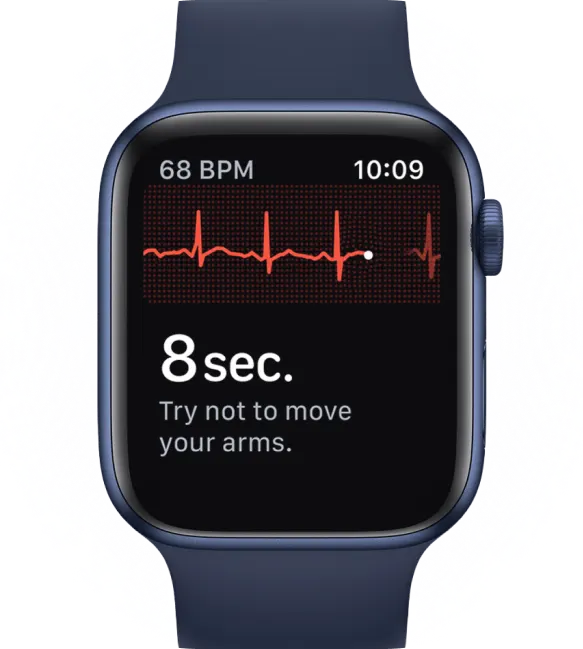
Wearable ECG monitors, like the ones on smartwatches from Apple, Samsung, or Fitbit, give you the power to check your heart's electrical rhythm anytime, anywhere. You no longer have to wait for your next doctor’s appointment to get a glimpse of what your heart is up to.
This technology shifts the power dynamic. Instead of being a passive patient, you become an active partner in your own health, collecting valuable information that can help you and your doctor make better decisions together.
Services like Qaly take this a huge step further. They connect you with certified technicians who can review your at-home ECGs in minutes. This adds a crucial human touch and expert analysis, helping you figure out if a strange rhythm is something to worry about or just a normal blip. It's a way to get real reassurance without rushing to the emergency room for every concern.
Proactive Steps for a Healthier Future
Building a heart-healthy future is about combining smart strategies. While technology is a powerful ally, it works best when paired with fundamental lifestyle changes.
For consistent monitoring, use your wearable device to track your heart rhythm, especially if you feel palpitations or other symptoms. This creates a personal health log you can share with your doctor.
In terms of lifestyle adjustments, focus on heart-healthy eating, gentle exercise (as approved by your doctor), and stress management. Every small, positive change adds up to a stronger heart.
And to understand your risks, stay informed about major threats. A big part of this is understanding the severe health risks of smoking cigarettes.
The recovery period after a heart attack is a gradual process that’s different for everyone. For a closer look at what to expect in the days, weeks, and months that follow, you might find our guide on the heart attack recovery timeline helpful. Your journey forward is a marathon, not a sprint. By taking these proactive steps and using the tools available to you, you are not just surviving, you are taking charge of your future.
Frequently Asked Questions About Aspirin and Heart Attacks
When you're dealing with a health scare, trying to sort through a mountain of information is the last thing you need. To give you some clarity and peace of mind, we've put together answers to the most common questions about using aspirin for heart attack symptoms.
Is Daily Low-Dose Aspirin the Same as Emergency Aspirin?
No, they play very different roles. Think of daily low-dose aspirin (81 mg) as a long-term maintenance plan. Doctors often prescribe it to people with known heart disease to help prevent blood clots from forming in the first place.
The emergency dose for a suspected heart attack is a completely different ballgame. It's much higher, usually 325 mg, and you need to chew it to get it working as fast as possible. This isn't about long-term prevention; it's about immediate, life-saving intervention.
Can I Take Ibuprofen or Another Pain Reliever Instead?
Absolutely not. You should never swap in other pain relievers like ibuprofen (Advil) or naproxen (Aleve) for aspirin during a suspected heart attack. These drugs, known as NSAIDs, just don't have the unique antiplatelet power that makes aspirin a lifesaver in this scenario.
In fact, some research suggests that NSAIDs could potentially interfere with aspirin's benefits, which is the last thing you want in an emergency.
What if I Take Aspirin After a Heart Attack?
After a heart attack, your doctor will almost certainly put you on a daily aspirin regimen. Often, it's paired with another antiplatelet medication like clopidogrel. This combination therapy is vital for preventing new clots, especially if you've had a stent placed.
It's critical to follow your doctor's instructions to the letter. While some people might eventually stop one of the medications after a year or so, that decision can only be made by your cardiologist.
Being an active partner in your long-term care means understanding your medications. For example, knowing the side effects of clopidogrel and how your body responds is a key part of your recovery journey.

With Qaly, you can keep a close eye on your heart's rhythm right from home. Just use your wearable ECG device, and our experts will provide an interpretation in minutes,



.png)
.png)