


Key Takeaways

User Profile
For plain Claritin, which contains loratadine, a link to heart palpitations or abnormal heart rhythm has not been scientifically established, and the risk appears to be very low, around 1 in 57,000 users. If you felt a flutter after taking it, that experience still matters. The more important question is often whether you took Claritin-D, took more than directed, or have another factor that made your heart more sensitive that day.
That Unsettling Flutter After Taking an Allergy Pill
You took an allergy pill because you wanted a normal day. Less sneezing. Less itching. Less brain fog. Then your chest did something strange. Maybe it felt like a skipped beat, a little thump, or a brief burst of racing. That kind of moment can hijack your whole day.
A lot of people get stuck right there. They search online, find scary stories, and start wondering if they've harmed their heart with something sold in every pharmacy aisle. That fear is real, especially if you already use a smartwatch and you've seen a heart rate spike at the same time your body felt "off."
Your symptoms are valid, even when the answer turns out to be less dangerous than you feared.
The tricky part is that "palpitations" is a feeling, not a diagnosis. It can come from a true rhythm issue, but it can also come from anxiety, caffeine, poor sleep, dehydration, or another ingredient hiding in the box. If you've wondered whether this is similar to what people ask about with Zyrtec and heart palpitations, you're asking the right kind of question. The name on the label matters, but the exact ingredient matters more.
The Real Story on Claritin and Your Heartbeat
Plain Claritin contains loratadine, a second-generation antihistamine. A simple way to think about it is this. Loratadine is like a key built to fit the "allergy lock" in your body. Its main job is blocking histamine signals that drive sneezing, itching, and runny nose. It isn't designed to push on the systems that normally control your heartbeat.
What regulators found
Health Canada looked closely at this question after reports of abnormal heart rhythm and QT interval prolongation linked to loratadine. Their review included 21 Canadian reports, with 4 cases further assessed, plus 81 international reports from the manufacturer and 101 cases found in the World Health Organization database. After reviewing over 200 reported cases globally, Health Canada concluded that "a link between the use of loratadine and the abnormal heart rhythm could not be established", and it also noted that scientific studies in humans did not show an association with abnormal heart rhythm. You can read that directly in Health Canada's loratadine safety review on abnormal heart rhythm and QT interval prolongation.
That's a reassuring finding, but I want to translate it into plain language. It doesn't mean nobody has ever reported symptoms after taking loratadine. It means the larger review didn't show convincing evidence that standard-dose plain Claritin causes abnormal rhythms in the general population.
Understanding Online Stories
Personal accounts can be alarming due to their relatable and memorable nature. However, when medical professionals and governing bodies assess these reports, they consider several factors. Was the right dosage taken? Were there existing heart conditions? Was another medication involved? Were there other health issues like dehydration or stimulant use?
These details are crucial because external factors can falsely implicate a medication when other elements are at play. To better understand these complexities, this guide on what causes heart palpitations may offer valuable insights.
Helpful Tip: Experiencing a single flutter after taking standard-dose plain Claritin does not equate to evidence of loratadine harming your heart.
The Important Difference Claritin-D and Other Risk Factors
If there is one place people get tripped up, it's this: Claritin and Claritin-D are not the same thing.
Plain Claritin is loratadine alone. Claritin-D adds pseudoephedrine, a decongestant. That extra ingredient changes the story because pseudoephedrine can stimulate the nervous system, increase heart rate, and raise blood pressure. That "revved up" feeling some people get from cold medicine often comes from the decongestant, not the antihistamine.

Plain Claritin versus Claritin-D
A practical comparison helps here.
- Plain Claritin: The risk of palpitations with loratadine alone is described as around 1 in 57,000 users, which is very low, in this loratadine side effects review.
- Claritin-D: That same source notes the risk rises significantly in formulations that include pseudoephedrine, because pseudoephedrine can stimulate the body, increase heart rate, and raise blood pressure.
- What this feels like: People often describe pseudoephedrine effects as pounding, jittery, wired, or racy. That can feel like a heart problem even when it's a stimulant effect.
Other reasons the timing can fool you
Sometimes the pill gets blamed because it was the most obvious thing you took. But real life is messier.
You might have taken the medicine on a day when you also had coffee, poor sleep, extra stress, dehydration, or a viral illness. Any of those can make your heart more noticeable. If you already have a history of rhythm issues, that lowers the threshold further. Some people also become more alert to every beat after one unusual sensation, which can make normal rhythm changes feel dramatic.
A smart move is to check all the ingredients on the box, especially if the label includes a "D" or says "decongestant." If medication triggers are on your radar more broadly, this list of medications that can be linked with atrial fibrillation concerns is a useful next read.
The most common confusion isn't "Can claritin cause heart palpitations?" It's "Did I actually take plain Claritin, or did I take the version with a stimulant in it?"

When Palpitations Are a Sign to Act
Most palpitations are not dangerous. But the right response isn't to ignore them or to panic. It's to notice the full pattern.

Symptoms that deserve medical attention
Contact a healthcare professional promptly if palpitations happen with any of these:
- Dizziness or lightheadedness: This can mean your rhythm change is affecting blood flow.
- Shortness of breath: Especially if it feels out of proportion to the situation.
- Chest pain or pressure: Even mild discomfort matters when it appears with a new heart symptom.
- Fainting or near-fainting: This is a strong signal to get evaluated.
If symptoms are severe, sudden, or ongoing, seek urgent care.


Why it's reasonable to stay alert
A large analysis of adverse event reports found 737 arrhythmia cases and 23,677 non-cases, and 6% of the arrhythmia patients were using non-sedating antihistamines compared with 3% of non-cases. That produced a reporting odds ratio of 2.05 (95% CI: 1.45, 2.89), meaning reports of arrhythmias were about twice as frequent in that drug class. The key word is reports, not proven causation. You can review that finding in the PMC analysis of non-sedating antihistamines and cardiac arrhythmia reports.
That kind of signal doesn't mean plain Claritin is universally dangerous. It means vigilance is sensible, especially if you already have a known rhythm condition or your symptoms are new and persistent.
If your body is giving you a symptom plus a warning sign, getting checked is not overreacting. It's good judgment.
Using Your Watch ECG to Understand Your Heartbeat
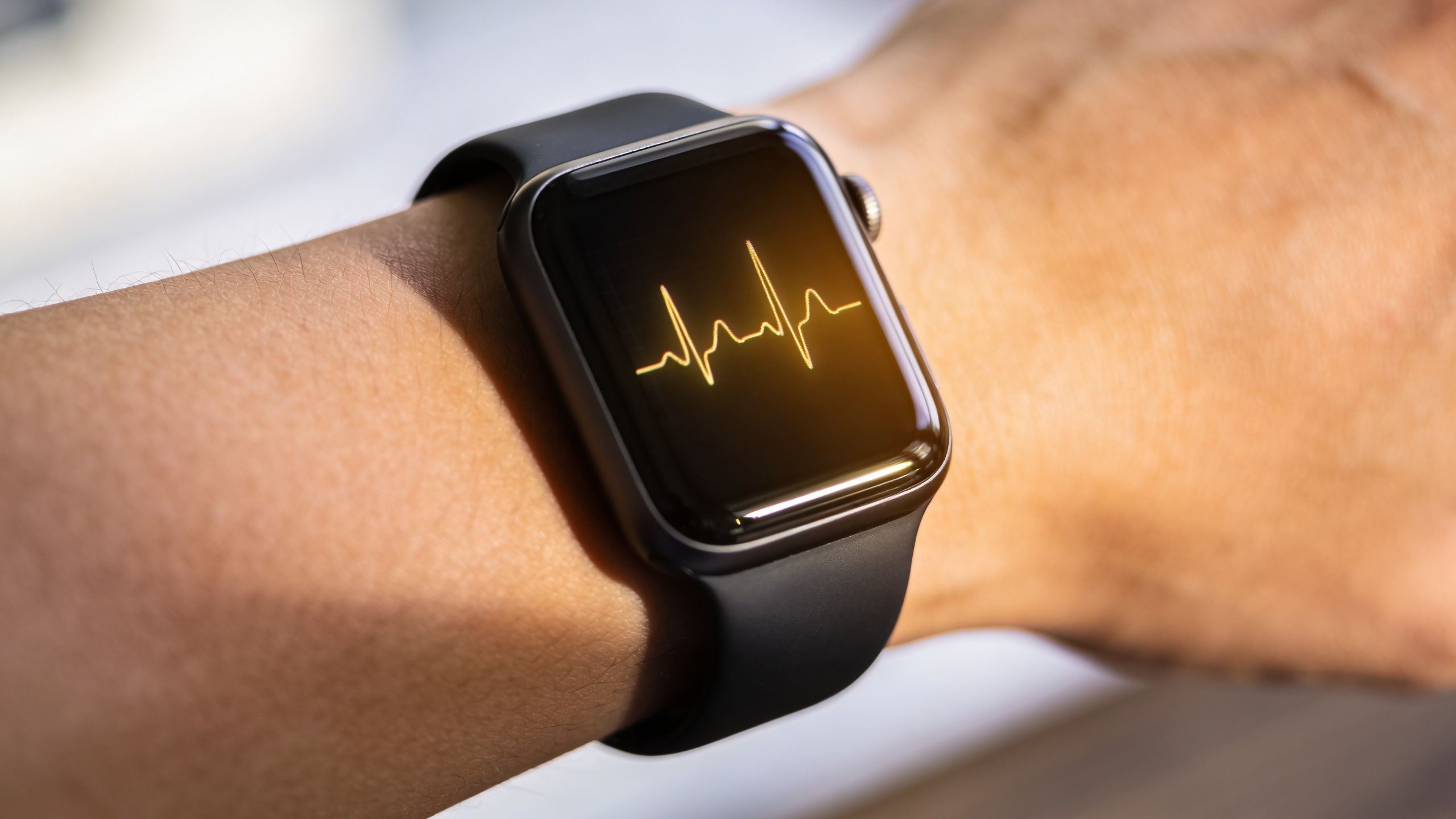
A wearable device can't replace a clinician, but it can solve one big problem. It can capture what your heart was doing while you were feeling the symptom.
What to do during the flutter
When the sensation starts, try this:
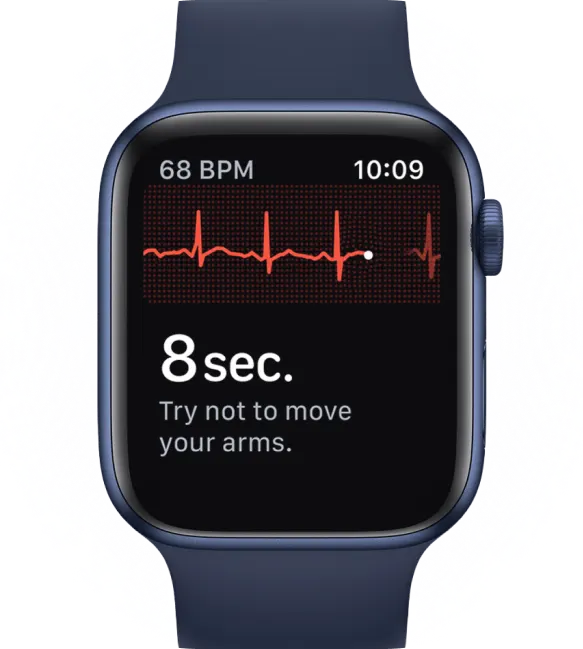
- Sit down and steady yourself. Rest your arm on a table or your lap.
- Open the ECG feature on your watch. Follow the device prompts and stay still.
- Note the timing. Write down what you were doing, what medication you took, and when you took it.
- Repeat if needed. If the feeling comes back later, capture another tracing.
That timeline matters. In a documented case report, a patient developed ventricular tachycardia after a 10 mg loratadine dose, and the ECG showed a prolonged QTc interval. The report is a reminder that ECG data can be valuable when symptoms occur after medication, especially in people with underlying risk factors. You can read the case in the Medical Journal of Australia report on ventricular tachycardia after loratadine ingestion.

What your watch can and can't tell you
Your watch may label a rhythm as sinus rhythm, high heart rate, low heart rate, or sometimes inconclusive. That is useful, but limited. A tracing can hold more detail than the simple app label shows.
Useful things to track include:
- Your symptoms: Fluttering, pounding, skipped beats, chest discomfort.
- The context: Claritin or Claritin-D, caffeine, exercise, stress, poor sleep.
- The pattern: One isolated episode versus repeated episodes over days.
- The tracing itself: Save the ECG PDF or screenshot if your device allows it.
For Apple Watch users, good technique makes a real difference. This step-by-step guide on how to take an ECG with your Apple Watch is worth bookmarking before the next symptom happens.
A wearable ECG is most helpful when you pair the tracing with a simple note about time, symptoms, and what you took.
Your Path to Peace of Mind
If you've been spiraling on the question can claritin cause heart palpitations, the evidence points in a reassuring direction. Plain Claritin is not a scientifically established cause of abnormal heart rhythm. The more common problem is confusion between plain Claritin and Claritin-D, or a mix of other triggers that happened at the same time.
Your job isn't to diagnose yourself with certainty. Your job is to notice patterns, know when symptoms cross the line into "get checked," and bring useful information to a clinician. That's where a wearable can shift you from guessing to observing.
A calm plan you can use
Keep it simple.
- Check the exact product name: If it says Claritin-D, remember you're also taking a stimulant.
- Track the episode: Write down when it happened, what you felt, and what else was in the picture.
- Save your ECGs: One clean tracing during symptoms is often more helpful than a vague memory later.
- Get support for the anxiety part too: Heart flutters can create a loop where fear amplifies body awareness. If that piece has become overwhelming, it may help to choose the right Penticton therapist or find a similar local mental health professional who understands health anxiety.
What peace of mind really looks like
Peace of mind doesn't mean pretending nothing happened. It means you know what likely matters, what probably doesn't, and what steps to take next. That's a very different feeling from doom-scrolling symptoms at midnight.
You don't need blind trust in the healthcare system to take good care of yourself. You need good questions, clean data, and a plan.

Caught a palpitation on your smartwatch? Upload the ECG to Qaly for a human-reviewed interpretation that turns confusing waveforms into clear answers.



.png)
.png)