




Key Takeaways

User Profile
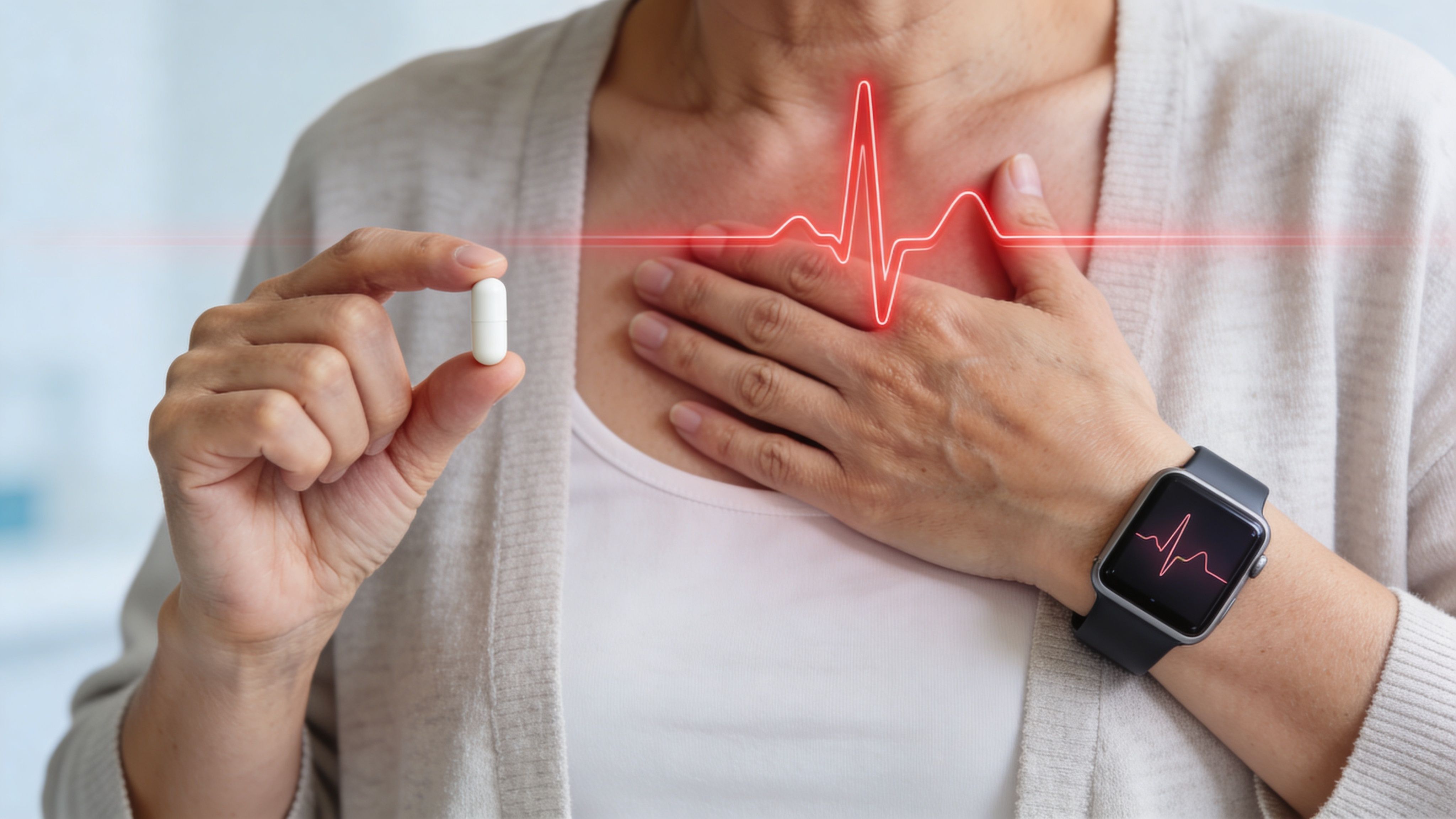
Yes, ibuprofen can cause heart palpitations in some people, but it isn't a universal side effect. In one large Danish study, recent NSAID use was linked to an 84% increased likelihood of atrial fibrillation, and ibuprofen specifically was associated with higher risk during current use.
If you're reading this because you took ibuprofen for a headache, cramps, or back pain and then felt a flutter in your chest, your concern makes sense. A skipped beat, a racing pulse, or a sudden pounding feeling can be unsettling, especially when the timing feels too close to ignore.
The good news is that a palpitation after ibuprofen doesn't automatically mean something dangerous is happening. It does mean your body is giving you a signal worth noticing. The most helpful response is neither panic nor dismissal. It's careful observation, smart tracking, and knowing when to get help.
That Fluttering Feeling After Taking Ibuprofen
You took ibuprofen, expected relief, and got something else instead. Maybe your chest felt fluttery. Maybe your heart seemed to thump harder than usual. Maybe your smartwatch buzzed and now you're wondering if the pain reliever caused it.
That question is reasonable. Can ibuprofen cause heart palpitations? Yes, it can in some cases. But the answer needs context. Palpitations can come from a harmless skipped beat, anxiety, dehydration, a fast rhythm, or a more important rhythm problem like atrial fibrillation.
What a palpitation can feel like
People describe palpitations in different ways:
- Fluttering: a quick, shaky feeling in the chest
- Skipping: one beat feels missing, followed by a stronger thump
- Racing: the heart suddenly feels fast, even at rest
- Pounding: each beat feels harder or more noticeable than normal
The sensation itself doesn't tell you the exact rhythm. That's why timing matters so much. If the feeling starts soon after a medication, that clue is useful, but it's still only one clue.
Practical rule: Treat a new symptom like a data point, not a verdict.
Why this topic confuses people
Ibuprofen is common, over the counter, and familiar. Its association is not typically with heart conditions. Instead, it's widely used for a sore knee, a fever, or a dental ache. So when palpitations show up, the connection can feel surprising.
There's also another source of confusion. A lot of people take ibuprofen during stressful moments. They might already be sick, in pain, dehydrated, short on sleep, or running on coffee. Any of those can stir up palpitations too.
So if your instinct is, "Was it the pill or something else?" that's exactly the right question.
The Link Between Ibuprofen and Palpitations Explained
Ibuprofen belongs to a group of drugs called NSAIDs, or non-steroidal anti-inflammatory drugs. These medicines work by blocking enzymes involved in prostaglandin production. That helps with pain and inflammation, but prostaglandins also help regulate blood flow, kidney function, and fluid balance.
When that system shifts, your heart may notice.

A simple way to think about it
Think of your heart rhythm like a band playing on a strict beat. Ibuprofen doesn't usually stop the music, but in some people it may nudge the timing system. That can happen through changes in:
- Fluid balance
- Blood pressure
- The heart's electrical behavior
A large Danish population study found that recent NSAID use was associated with an 84% increased likelihood of atrial fibrillation, and current users had even higher risk. Ibuprofen specifically had a current-use adjusted relative risk of 1.89 in that analysis (Danish population study in PLOS ONE).
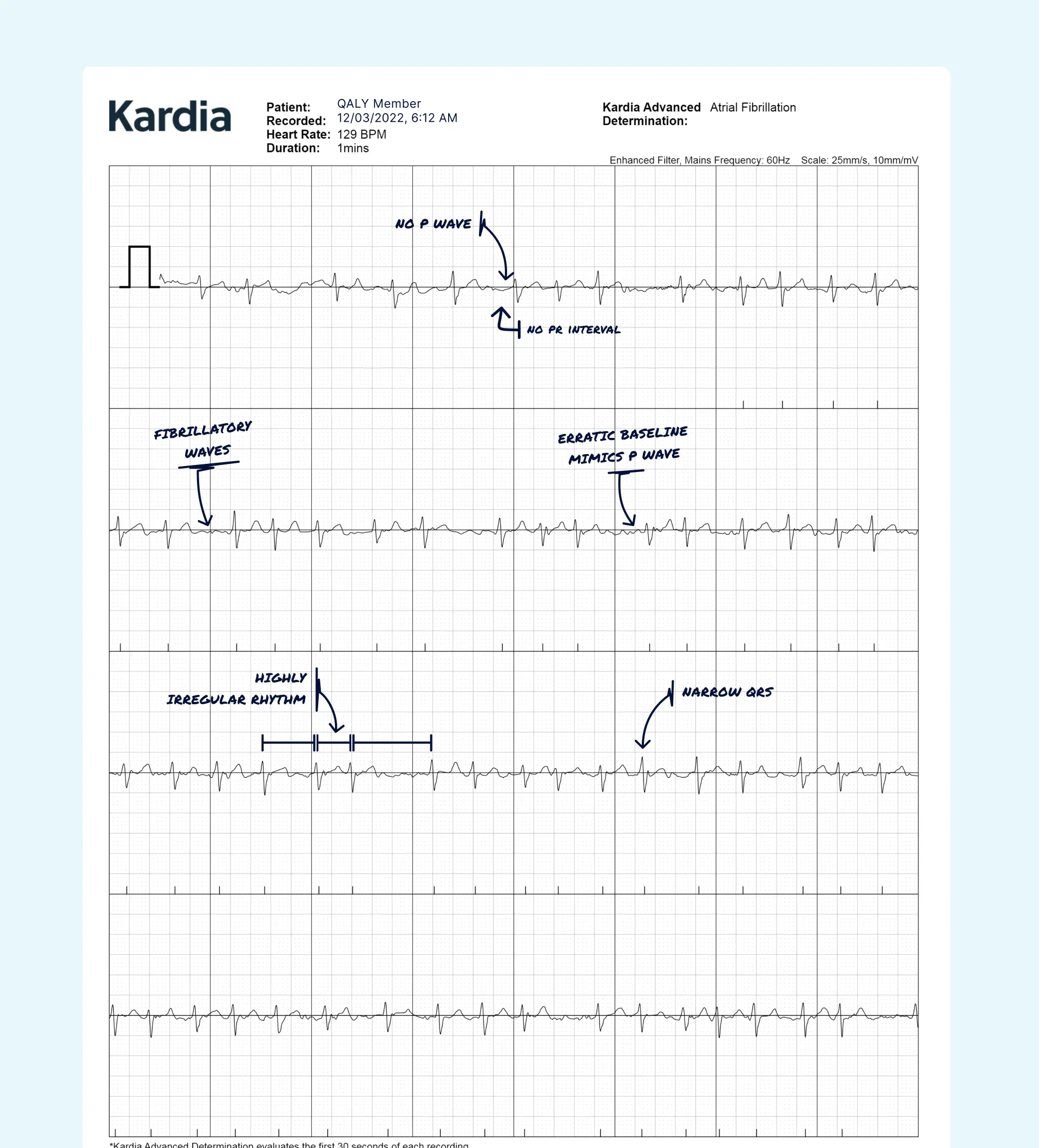
Atrial fibrillation, often shortened to AF or AFib, is one of the most common rhythm problems that people experience as palpitations. It can feel like fluttering, irregular beating, or a fast pulse that doesn't settle.
What might be happening inside the body
Some evidence suggests ibuprofen can also affect cardiac electrical properties more directly. In a report discussing mechanistic and clinical findings, researchers described dose-dependent changes in action potential duration and effective refractory period, both of which matter for how electrical signals travel through the heart. The same paper described a clinical case of a 13-year-old girl who developed palpitations after standard oral ibuprofen dosing, with symptoms resolving after stopping it (mechanistic report and case discussion).
That doesn't mean ibuprofen will trigger an arrhythmia in everyone. It means there's a biologically plausible reason the symptom can happen.
A medication can be common and still be the wrong fit for a particular person's heart rhythm.
If you're also curious about what people mean when they talk about Advil specifically, this overview of Advil's role in pain management can help clarify that Advil is a branded ibuprofen product.
For a broader medication context, this list of medications that can contribute to atrial fibrillation is useful if you're trying to see whether ibuprofen is the only possible trigger in your routine.
Who Might Be at Higher Risk
Risk isn't evenly distributed. Two people can take the same ibuprofen dose and have very different experiences. One feels nothing unusual. The other notices palpitations that evening.
Health history changes the picture
A BMJ study found that new ibuprofen users had a 17% higher risk of atrial fibrillation, and the risk was more relevant in the setting of other health issues. About 25% of AFib cases in that study also had hypertension (BMJ study summary on ibuprofen and heart flutter).
That doesn't mean hypertension plus ibuprofen equals a guaranteed rhythm problem. It means the background state of your cardiovascular system matters.
People may need to be more cautious if they already deal with:
- High blood pressure
- Heart failure
- Coronary artery disease
- Diabetes
- Prior cardiovascular disease
- A history of atrial fibrillation or other arrhythmias
Age and body stress matter too
Older adults often have less room for fluid shifts, blood pressure changes, and medication interactions. A younger person can still notice palpitations, but an older heart may be more sensitive to extra strain.
The same goes for moments when your body is already under pressure. Fever, poor sleep, emotional stress, heavy caffeine use, or being run down can lower your buffer.
If you already know your heart is sensitive, a new medication symptom deserves more respect, not more fear.
If you live with heart failure symptoms or you're trying to better understand your baseline risk, this guide on congestive heart disease can help frame the bigger picture.


Dose Duration and Drug Interactions Matter
A single occasional dose and repeated high-dose use are not the same situation. That's one of the most important things to understand when thinking about ibuprofen and palpitations.
More exposure can mean more risk
Meta-analyses and FDA warnings have highlighted that cardiovascular risk from ibuprofen rises with dose and duration, especially at doses above 2400 mg/day or with use lasting more than a week. A Taiwanese study also found 1.18 times higher odds of AFib with NSAID use, with risk peaking shortly after starting (expert reaction summary on NSAIDs and atrial fibrillation).
Consider sun exposure. A few minutes outside isn't the same as spending all day in direct sun. The longer and heavier the exposure, the more attention it deserves.
That said, occasional low-dose use doesn't automatically make palpitations likely. If you felt them, the symptom still matters. It just has to be interpreted in context.
Why combinations matter
Ibuprofen doesn't act in isolation if you're also taking other medications. It can interact with the way your body handles fluid, blood pressure, and kidney function. That can make a borderline situation less stable.
Common situations to review with a clinician or pharmacist include:
- Blood pressure medications: some combinations can complicate fluid balance or pressure control
- Diuretics: changes in hydration and electrolyte handling may matter
- Other drugs that affect rhythm: the total effect may be more important than one medication alone
- Frequent over-the-counter use: people often forget to count what they take without a prescription
A safer way to think about use
Try this quick self-check:
- Was this occasional or repeated?
- Was the dose low or was I taking it often?
- Did symptoms start soon after I began using it?
- What else was I taking at the time?
- Did I already have a heart or blood pressure issue?
If your concern includes medication effects on electrical timing, this overview of drugs that cause QT prolongation can help you think more broadly about rhythm-sensitive medications.
What Else Could Be Causing Your Palpitations
It's easy to blame the last thing you swallowed. Sometimes that's right. Sometimes it sends you in the wrong direction.
Common non-ibuprofen triggers
Palpitations often come from everyday factors that are far more common than medication-triggered arrhythmias. For example:
- Caffeine: coffee, energy drinks, pre-workout supplements
- Stress: arguments, deadlines, health worries
- Anxiety or panic: especially if the chest sensation makes you focus on every beat
- Dehydration: common during illness, exercise, travel, or hot weather
- Poor sleep: one rough night can make the heart feel louder and more erratic
- Alcohol or nicotine: both can make rhythms feel less steady in some people
A useful clue is repetition. If palpitations show up after coffee, after bad sleep, and after a stressful meeting, ibuprofen may not be the main driver.
Don't ignore the mind-body connection
Anxiety can create a powerful loop. You feel a skipped beat, then your body releases more adrenaline, then the sensation becomes even more noticeable. That doesn't make the symptom fake. It means your nervous system and heart are reacting together.
If panic symptoms are part of the picture, this guide to panic disorder treatment may help you separate a rhythm problem from an anxiety spiral in a practical, non-judgmental way.
The right question often isn't “Did ibuprofen cause this?” It's “What pattern do I see when I look at the whole day?”
Your Action Plan with a Wearable ECG
When symptoms are brief, memory is unreliable. A wearable ECG gives you something better than memory. It gives you a record.
What to do in the moment
While FDA warnings exist for high-dose ibuprofen, absolute risks for occasional low-dose use are small, and wearable ECGs help fill the gap by letting people correlate symptoms with medication timing. Services like Qaly have analyzed over 500,000 ECGs and can identify over 30 arrhythmias (wearable ECG monitoring and ibuprofen risk context).
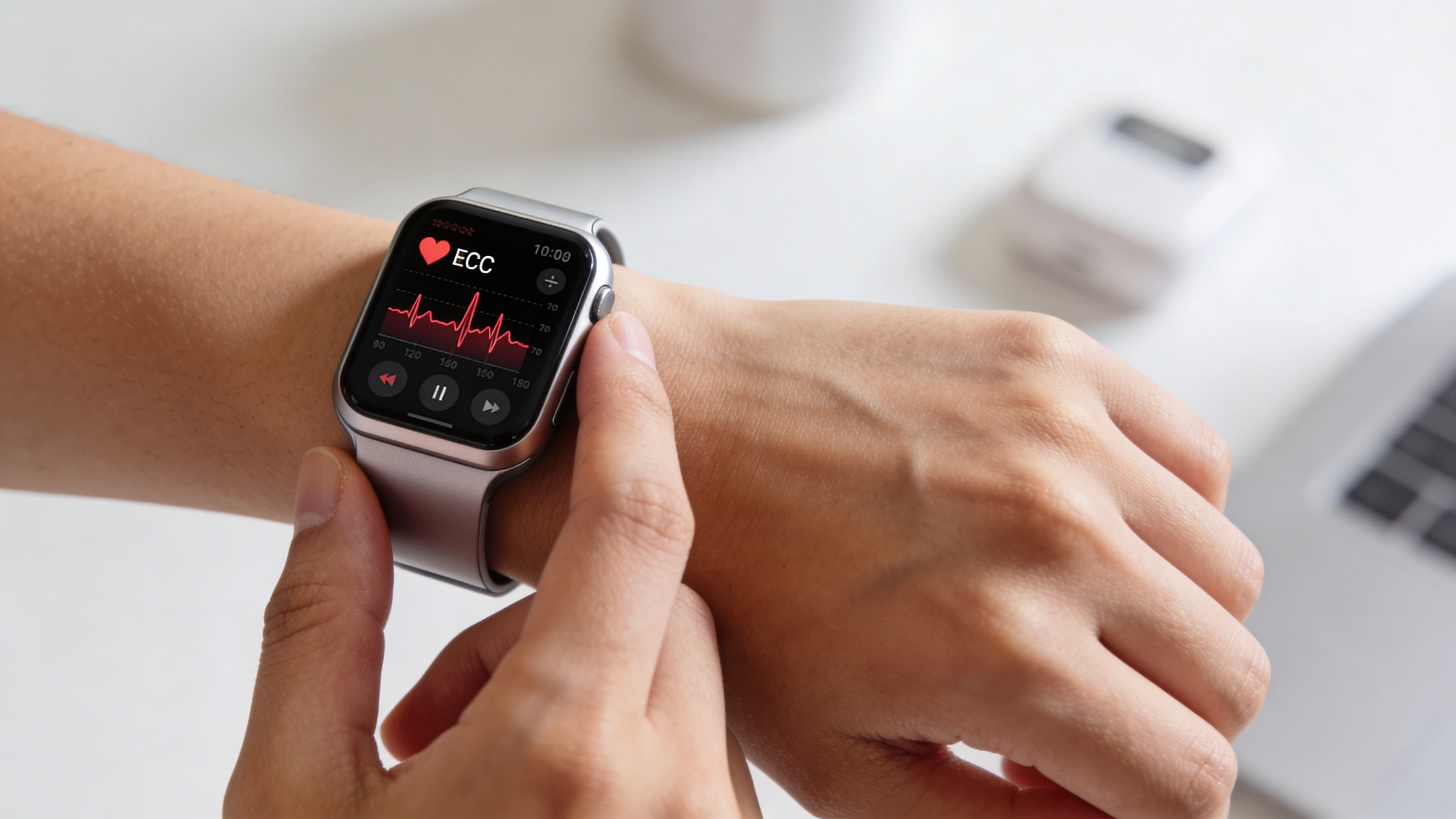
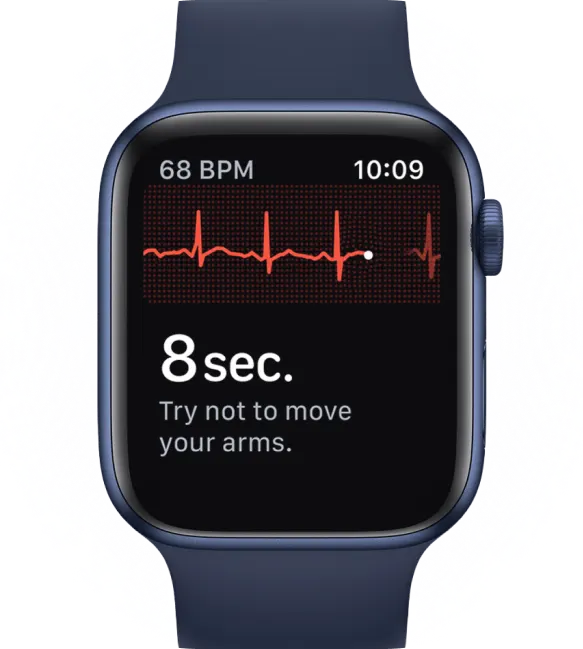
If you feel palpitations after ibuprofen, use your device right away if it has ECG capability. Apple Watch, Fitbit, Samsung Galaxy Watch, Kardia, and Withings devices can all be part of a practical symptom-capture routine.
A clear step by step approach
- Capture the rhythm
- The moment you feel fluttering, racing, or an odd skipped beat pattern, record an ECG. A reading taken during symptoms is much more useful than one taken hours later when everything feels normal.
- Write down the timing
- Note when you took ibuprofen, how much you took, what time the palpitations started, and what you were doing. Include coffee, alcohol, poor sleep, exercise, illness, or emotional stress if any of those were present.
- Save repeated episodes
- One isolated event can be hard to interpret. A cluster of readings over several days often tells a more convincing story.
- Look for pattern, not perfection
- You're not trying to prove a legal case. You're trying to answer practical questions. Does this happen only after ibuprofen? Only when combined with dehydration? Only at night?
When to escalate
Get urgent medical care if palpitations come with chest pain, fainting, severe shortness of breath, or you feel like you might pass out.
For everything less dramatic but still concerning, data helps. A good starting point is this cardiologist's guide to the smartwatch ECG, which can help you use your wearable more effectively and understand what an ECG can and can't tell you.
A symptom log plus an ECG strip is often more useful than a vague memory of “something felt off.”

Stop guessing what your wearable ECG means. Qaly gets your Apple Watch, Fitbit, or Kardia readings reviewed by humans.



.png)
.png)