


Key Takeaways

User Profile
Hello Heart Hero.
You may be reading this after an Apple Watch alert, a strange flutter in your chest, or a short doctor visit that left you with more questions than answers. You were told you have AFib, or maybe you suspect it, and now the internet feels like a maze of warnings, strict food rules, and scary what-ifs.
That can make anyone skeptical.
A lot of people in this spot want something practical. Not a lecture. Not a perfect diet. Just a clear way to lower the chaos and feel more in control of what happens next. Food can be part of that. Not because food is magic, and not because diet replaces medical carre, but because what you eat can change the conditions your heart has to work in every day.
Your heart is an electrical organ living inside a chemical environment. Meals, hydration, salt, alcohol, blood sugar swings, and body weight all help shape that environment. When that inner environment gets calmer, your rhythm often has a better chance to stay calmer too.
Many people already use a wearable ECG and are trying to make sense of the data. If that’s you, diet gives you something meaningful to test. You can notice whether a salty takeout dinner, skipped meals, or better hydration lines up with how you feel and what your recordings show. That’s one reason lifestyle change matters so much in AFib, and these AFib lifestyle changes can help you build a broader plan around food, sleep, movement, and stress.
You do not need to overhaul your life overnight.
You need a starting point that makes sense.
Your Journey to a Heart-Healthy Diet Starts Here
A healthy diet for AFib is less about chasing a “perfect” menu and more about reducing friction inside your body. If your heart has been irritable, the goal is to make your internal setting more steady, more nourished, and less trigger-prone.
That matters because AFib often doesn’t show up in isolation. It tends to travel with things like high blood pressure, blood sugar problems, inflammation, poor sleep, dehydration, and weight gain. Food influences many of those. So even though a meal can feel small compared with a diagnosis, it’s one of the few levers you can pull every single day.
Some readers worry that “heart healthy” means bland food, tiny portions, and a life of punishment. It doesn’t. In practice, it usually means building meals around foods your body recognizes well. Vegetables, beans, fruit, fish, nuts, olive oil, whole grains, and simple proteins do more of the heavy lifting than trendy powders or harsh restriction plans.
You don't need a diet that impresses the internet. You need one you can keep doing on an ordinary Tuesday.
There’s also room for curiosity here. If you’re someone who feels brushed off by the healthcare system, tracking food gives you your own observations to bring to the table. You can notice what happens after alcohol, after restaurant meals, after low-sleep days, or after a week of more balanced eating.
That kind of pattern-spotting is powerful. It turns “I feel off sometimes” into something much more useful.
How Food Can Influence Your Heart Rhythm
Your heart’s rhythm depends on electrical signals firing in an organized way. AFib happens when that signaling becomes disorganized. Food doesn’t directly “flip a switch” in most cases, but it can shape the background conditions that make your heart more or less irritable.

The noisy neighborhood idea
A simple way to picture this is to think of your heart as a house wired for electricity. In a quiet neighborhood, the wiring works smoothly. In a noisy, unstable neighborhood with constant disruptions, sparks happen more easily.
Inflammation, blood sugar spikes, excess sodium, dehydration, and nutrient-poor ultra-processed foods can act like that noisy neighborhood. They don’t guarantee AFib, but they can make the heart’s electrical system more reactive. A steadier eating pattern helps create a calmer setting.
The Mediterranean diet is a useful example. It has been linked to lower AFib incidence, partly by lowering epicardial adipose tissue, a fat depot around the heart that is considered a direct AFib risk factor, and polyphenols in foods like extra-virgin olive oil may calm inflammatory signals involved in AFib according to this review of AFib diet evidence.
If you enjoy digging into broader wellness ideas and questioning common assumptions, these surprising heart health insights offer an interesting outside perspective. They’re best used as a conversation starter, not a replacement for your own clinician’s advice.
The main pathways food affects
Food can influence AFib through several connected pathways:
- Blood pressure support: Meals high in sodium and low in whole foods can make blood pressure harder to control. High blood pressure puts more strain on the heart.
- Blood sugar stability: Large swings after sugary or highly refined meals can leave some people feeling jittery, tired, or more aware of palpitations.
- Body weight: Carrying extra weight can increase the burden on the heart and affect the tissues around it.
- Inflammation and oxidative stress: Diets built around whole, plant-forward foods tend to support a less inflammatory environment.
- Electrolyte balance: Potassium and magnesium help the heart’s electrical system function more smoothly.
Why wearable users should care
If you use a wearable ECG, diet becomes more than a wellness topic. It becomes something you can observe. A weekend of restaurant food, poor hydration, and alcohol may line up with more symptoms or rhythm alerts. A week of more consistent meals and better hydration may feel different.
That doesn’t mean every blip has a food cause. AFib is more complex than that. But it does mean your recordings can help you notice whether food patterns are part of your personal picture.
If electrolytes are part of that picture for you, this guide on electrolyte imbalance and your ECG can help connect symptoms, hydration, and rhythm data more clearly.
Practical rule: Don’t ask, “Is this food good or bad?” Ask, “Does this eating pattern make my heart’s environment calmer or more chaotic?”
That question leads to better choices than fear ever will.
Choosing Your Heart-Healthy Eating Style
Some people do best when they have a named plan. Others shut down the second they hear the word “diet.” If you’re in the second group, it may help to think in terms of eating styles instead.
For AFib, two eating styles come up again and again: the Mediterranean diet and the DASH diet. They aren’t identical, but they overlap so much that individuals can borrow from both without getting tangled in labels.

The Mediterranean style
This pattern leans heavily on vegetables, fruits, legumes, whole grains, nuts, seeds, fish, olive oil, and moderate amounts of poultry or dairy. Red meat and heavily processed foods play a much smaller role.
One reason people stick with it is that it feels like real food, not “diet food.” It can look like lentil soup with olive oil, salmon with roasted vegetables, plain yogurt with berries and nuts, or a bean salad with cucumber and herbs.
High adherence to the Mediterranean diet, especially with an emphasis on nuts, vegetables, and fruits, has been associated with a one-third lower risk of developing atrial fibrillation in cardiology discussions highlighted by the American Medical Association’s educational content, as described in this Mediterranean diet and AFib discussion.
If olive oil is new to you, this guide to extra virgin olive oil for heart health gives a useful overview of how people use it in everyday meals.
The DASH style
DASH stands for Dietary Approaches to Stop Hypertension. The name sounds clinical, but the food itself is familiar. The pattern centers on vegetables, fruits, beans, whole grains, lean protein, nuts, seeds, and lower-sodium choices.
The personality of DASH is a little different from Mediterranean eating. It pays more obvious attention to sodium and to nutrients that support blood pressure, such as potassium, calcium, and magnesium. If your AFib tends to overlap with blood pressure issues, that focus can be helpful.
A DASH-style day might include oatmeal and fruit, a turkey and avocado lunch on whole grain bread, a bean-based soup, yogurt, and a simple baked fish dinner with vegetables.
The overlap matters more than the label
You don’t need to pledge loyalty to one camp.
What matters most is the shared foundation:
- Plants lead the plate: Vegetables, fruit, beans, and whole grains show up often.
- Fats improve in quality: Olive oil, nuts, seeds, and fish replace heavier reliance on fried foods and highly processed fats.
- Protein gets simpler: Fish, legumes, eggs, and lean poultry often crowd out processed meats.
- Meals get less artificial: Fewer packaged, ultra-processed foods means less hidden sodium, sugar, and additives.
That overlap is good news because it means there isn’t just one correct way to eat. You can build a healthy diet for AFib around your culture, budget, schedule, and taste.
When a trendy plan sounds tempting
It’s common to wonder whether a stricter eating pattern would “work faster.” Some people try very low-carb approaches when they feel desperate for control. But if a plan leaves you undernourished, dehydrated, low in electrolytes, or dependent on processed substitutes, it may not be the best fit for a sensitive heart.
If you’ve noticed more fluttering or odd sensations while cutting carbs, this discussion of keto diet heart palpitations may help you think through what could be going on.
A useful eating style should lower your stress, not become a second full-time job.
Try this test when choosing your approach:
- Can I imagine eating this way next month?
- Does it include foods I enjoy?
- Will it help me eat more whole foods and fewer trigger foods without becoming obsessive?
If the answer is yes, you’ve probably found something workable.
Foods That Fuel a Steady Heartbeat
When people ask about a healthy diet for AFib, they usually want specifics. Not just “eat better,” but what that means at the grocery store, in the kitchen, and on a day when they’re tired and hungry.
The simplest answer is this: build meals around foods that support a more stable electrical and metabolic environment. Some foods are especially helpful because they bring in electrolytes, healthy fats, fiber, and less inflammatory fuel.

Potassium and magnesium matter
Potassium and magnesium are two electrolytes people with AFib often hear about, and for good reason. They help support the heart’s electrical activity. When levels are low, some people notice more palpitations or a more irritable rhythm.
For wearable ECG users, tracking electrolyte intake is key. Low potassium or magnesium can trigger AFib, and diet is the first line of defense. Correlating ECG data from an app like Qaly with daily food logs can help identify how specific meals or hydration levels affect heart rhythm, offering a path to fewer episodes without immediate reliance on medication, according to this AFib nutrition and self-monitoring discussion.
Foods that commonly help you build these nutrients into your day include:
- Leafy greens: Spinach, kale, and mixed greens bring in potassium and magnesium while keeping meals light and nutrient-dense.
- Beans and lentils: These support fiber, steady energy, and a plant-forward plate.
- Nuts and seeds: Almonds, pumpkin seeds, walnuts, and similar foods can help with magnesium intake.
- Avocados and bananas: Convenient options that many people tolerate well.
- Fish and legumes: Useful when you want protein plus more nutrition than heavily processed meats offer.
If potassium is a concern for you, this overview of potassium levels and heart rhythm can help you connect the dots between symptoms and nutrition.
The quiet power of fish, fiber, and color
You don’t have to count every antioxidant molecule to benefit from them. A plate with salmon, beans, berries, olive oil, greens, and whole grains tends to do many helpful things at once.
Fish fits well into an AFib-friendly pattern because it can replace heavier, more processed proteins. Beans and whole grains help meals feel steady instead of spiky. Bright produce adds fiber and plant compounds that support overall cardiovascular health.
A practical plate might look like this:
- Half the plate: Vegetables of any kind you'll eat
- One section: Fish, beans, lentils, eggs, or lean poultry
- One section: A whole grain or starchy vegetable
- On top: Olive oil, herbs, lemon, or a simple dressing for flavor
That’s not a rulebook. It’s just an easy visual shortcut.
What to limit without getting rigid
Many individuals don’t need a dramatic banned-food list. They need honesty about what commonly stirs things up.
Common troublemakers include:
- Alcohol: Many people notice a clear link between drinking and rhythm symptoms.
- Ultra-processed foods: These often come loaded with sodium, sugars, and ingredients that make it easy to overeat while getting less real nourishment.
- Very salty meals: Restaurant food, packaged soups, chips, deli meats, and frozen meals can leave some people feeling puffy, thirsty, or off-rhythm.
- Excess caffeine: Some people tolerate coffee well. Others feel extra palpitations after strong coffee, energy drinks, or pre-workouts.
- Large heavy meals: Overeating can leave the body stressed and the heart feeling more noticeable.
A food doesn’t have to be “bad” to be a bad fit for your body right now.
That distinction helps a lot. It keeps you out of all-or-nothing thinking.
How to find your own triggers
Your body may not react the same way someone else’s does. One person gets symptoms after wine. Another after dehydration. Another after a greasy takeout meal and poor sleep in the same evening.
Try a simple pattern journal for a couple of weeks. Write down:
- What you ate and drank
- How much water you had
- Any alcohol or unusually salty meals
- How you felt afterward
- Any wearable ECG recordings or alerts
You’re not trying to prove that one blueberry prevented AFib. You’re looking for repeat patterns. That’s where insight lives.
Special Considerations for Your AFib Diet
General healthy eating advice helps, but AFib often brings up a few very specific concerns. Three of the most important are weight management, medication interactions, and hydration. Each one can shape how stable your rhythm feels.
Weight loss can change the AFib picture
For some people, weight is not just a side issue. It’s central to symptom burden.
A landmark study showed that AFib patients who achieved sustained weight loss of more than 10% through lifestyle changes, including diet, had a sixfold greater likelihood of remaining AFib-free compared with those who lost less, according to this review of the Pathak findings on AFib and weight loss.
That doesn’t mean everyone with AFib needs a dramatic body transformation. It means that if excess weight is part of your story, even meaningful, steady progress can matter in a deep way. The goal isn’t punishment. It’s reducing the burden on the heart and improving the environment around it.
If you’re trying to lose weight, simpler meals often work better than complicated plans. A bowl of beans and vegetables with olive oil is easier to repeat than a strict diet that leaves you hungry and resentful.
If you take warfarin, consistency matters
Many people with AFib take blood thinners, and some take warfarin. If that’s you, vegetables can suddenly feel confusing because of vitamin K.
The important point is usually not “never eat leafy greens.” It’s “keep your intake consistent.” Big swings in vitamin K intake can interfere with how warfarin works. Eating spinach one day and avoiding it for two weeks is often more problematic than eating a similar amount regularly.
That’s why meal planning helps. If you want to estimate ingredients more clearly when cooking at home, tools for mastering recipe nutrition can make your meals feel less like guesswork.
If you take warfarin, don't fear healthy foods. Talk with your clinician or pharmacist about how to keep your intake steady.
If you’re on a different blood thinner, the food rules may not be the same. Medication type matters, so this is worth clarifying with your care team.
Hydration is easy to overlook
Dehydration is one of the most common and least glamorous AFib triggers. It doesn’t sound dramatic, but many people notice more palpitations after sweating, travel, heat, alcohol, stomach illness, or forgetting to drink enough water during a busy day.
When you’re underhydrated, your whole system gets less stable. Some people feel this as a racing heart, skipped beats, dizziness, or that uneasy “something’s off” sensation.
A few habits help:
- Start earlier: Don’t wait until evening to realize you barely drank all day.
- Pair water with routines: Have some with meals, after walks, and when you take medications.
- Notice high-risk days: Heat, long car rides, exercise, and alcohol can all increase the need for fluids.
- Watch the balance: If your clinician has told you to limit fluids because of heart failure or kidney disease, follow that guidance instead of generic advice.
Hydration sounds basic because it is basic. That’s exactly why it works so often.
A Sample Day of Heart-Friendly Eating
A healthy diet for AFib becomes much less intimidating once you can see what a real day might look like. This isn’t the only right menu. It’s just one example of how steady, flavorful eating can look without becoming complicated.

Breakfast that doesn't start with a crash
Breakfast could be a bowl of oatmeal topped with berries and walnuts. The oats bring fiber, the berries add color and plant nutrients, and the walnuts make the meal more satisfying.
If you prefer savory food, eggs with sautéed spinach and a slice of whole grain toast can work well too. The best breakfast is often the one that keeps you full, steady, and less likely to grab ultra-processed snacks later.
Lunch that keeps the day level
Lunch might be a big salad with grilled chicken or chickpeas, cucumber, tomatoes, olive oil, and a side of brown rice or whole grain bread. This kind of meal feels light but still has enough substance to avoid the late afternoon energy dip.
Another easy option is lentil soup with a side salad and fruit. That combination is simple, affordable, and easier on the body than a greasy fast-food lunch that leaves you thirsty and sluggish.
Keep lunch boring if you need to. Repetition is often what makes healthy eating realistic.
Snacks that support, not sabotage
Two useful snack ideas are:
- Plain yogurt with a handful of nuts
- Apple slices with almond butter
These are the kinds of snacks that reduce the odds of arriving at dinner starved and eating whatever is fastest. They also tend to feel more stable than vending-machine food or sugary pastries.
Dinner that calms the evening
Dinner could be salmon with roasted vegetables and quinoa. You get protein, healthy fats, fiber, and a plate that feels satisfying instead of restrictive.
If fish isn’t your thing, try beans or lentils in a vegetable stew with olive oil and herbs. A chicken and vegetable stir-fry over brown rice also fits the same pattern. The formula matters more than the exact recipe.
A practical evening meal often includes:
- Plenty of vegetables
- A simple protein
- A steady carbohydrate source
- Flavor from herbs, lemon, or olive oil instead of relying on heavy sauces
That’s enough. You don’t need gourmet.
Connecting Your Diet to Your Wearable ECG Data
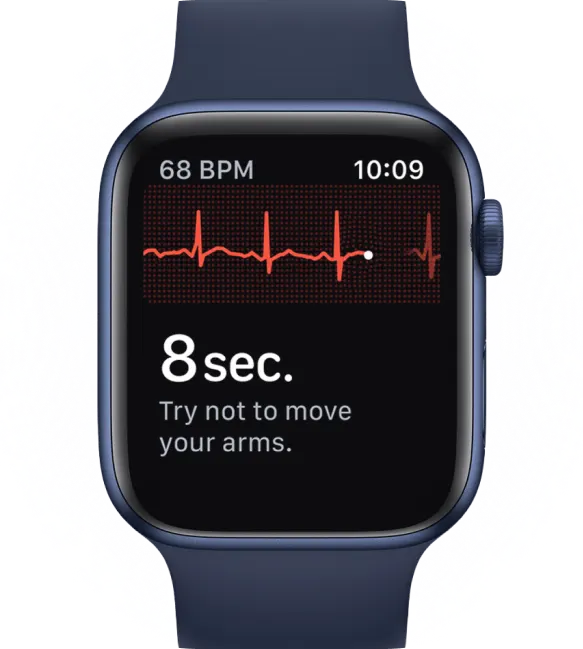
You eat a restaurant dinner that seemed harmless. A few hours later, your heart feels jumpy, so you record an ECG on your watch. Then you are left wondering: was it stress, salt, alcohol, a late meal, or just bad luck?
That question is exactly why tracking can help.
A wearable ECG gives you snapshots of what your heart was doing. Your food log adds the missing context. Put them together, and patterns often become easier to spot. The goal is not to prove that one meal "caused" an episode. The goal is to notice repeatable links between what you eat, how you feel, and what your device captures.


Build a simple tracking system
Keep this easy enough to do on a normal week. If tracking feels like a second job, you probably will not stick with it.
For two to four weeks, write down a few basics:
- Meals and snacks
- Water intake
- Alcohol or unusually caffeinated drinks
- Symptoms such as fluttering, racing, dizziness, or fatigue
- Wearable ECG recordings taken around symptoms
A notes app works fine. Paper works fine too.
What matters is timing and consistency. If you had takeout at 8 p.m., felt palpitations at 10 p.m., and recorded an ECG at 10:10 p.m., that sequence is useful. Over time, your notes may show that your heart rhythm is more unsettled after certain patterns, such as heavy restaurant meals, dehydration, alcohol, or long gaps without eating.
Your log is a bit like a weather journal for your heart. One stormy day does not tell you much. Several stormy days with the same conditions can.
Use your data to spot personal triggers
General AFib diet advice is a starting point. Your own data makes it personal.
You may notice that one cup of coffee with breakfast does nothing, but cocktails at night are a problem. You may find that salty takeout plus poor hydration shows up before rough evenings. You may also find some foods you feared are not an issue for you at all. That can be just as helpful, because it keeps you from making your diet smaller than it needs to be.
Try asking simple questions as you review your notes:
- What happened in the 6 to 24 hours before symptoms?
- Do episodes cluster around eating out, drinking alcohol, or skipping meals?
- Do calmer ECG weeks match more regular meals and better hydration?
- Are there triggers that show up once, or patterns that repeat several times?
Repeated patterns deserve attention. One random bad day usually deserves caution, not a sweeping conclusion.
Use your data for better conversations
Clinicians can do more with a clear pattern than with a vague memory. Saying, "I sometimes feel off" gives them very little to work with. Saying, "My wearable recordings and food log often line up after alcohol, late salty meals, and low water intake" gives them something specific to examine.
If you want help reviewing recordings from devices like Apple Watch, Kardia, Fitbit, or Samsung, Qaly can review at-home and wearable ECGs and provide interval readings such as PR, QRS, and QTc along with technician-reviewed analysis. Paired with a food and symptom journal, that information can help you ask better questions and notice trends with less guessing.
Stay curious, not obsessive
Tracking should lower stress, not add more.
Use the information to learn what helps your heart feel steadier. If a certain meal pattern seems to work well, keep it. If a trigger shows up again and again, that is useful information, not a reason to panic.
You are collecting clues, not trying to control every beat. That mindset is usually more sustainable, and more kind to yourself, over the long run.
Your AFib Diet Questions Answered
A lot of AFib food advice sounds stricter than real life. What usually helps more is learning your own pattern, then checking whether your meals and your wearable ECG recordings are telling the same story.
Can I still drink coffee?
Maybe.
Caffeine is one of those triggers that is very personal. Some people drink coffee and notice no rhythm changes at all. Others feel more skipped beats or palpitations after strong coffee, energy drinks, or caffeine first thing in the morning without food.
Treat this like an experiment, not a test you can fail. Keep the amount steady for a few days, note the timing, and compare that with symptoms and any wearable ECG recordings. If rough mornings keep lining up with high-caffeine days, that pattern matters more than one random episode.
Do I have to give up alcohol completely?
Not always, but you do need to be honest about what happens after you drink.
For many people with AFib, alcohol acts like a spark near dry grass. A small amount may seem fine one time, then lead to a rough night another time, especially with dehydration, poor sleep, or a heavy meal layered on top. If your episodes keep showing up after drinks, your body may be giving you a clearer answer than any generic rule can.
Should I take magnesium or fish oil supplements?
Be careful here.
Supplements can help in some situations, but they are not harmless by default. Magnesium may be useful for some people, yet too much can cause problems, and fish oil is not right for everyone either. Your kidneys, medications, and overall health all affect what is safe.
Food is usually the simpler starting point. Build meals around magnesium-rich and heart-friendly foods first, then ask your clinician whether a supplement makes sense for you.
What if I’m a picky eater?
Start with one easy win.
You do not need to rebuild your whole plate overnight. Add one fruit you already tolerate. Swap chips for a handful of nuts a few times a week. Use olive oil in place of a heavier fat. Try beans in a soup or burrito bowl before asking yourself to eat a salad you hate.
A steady plan beats a perfect plan you quit after three days.
How long does it take to notice a difference?
Sometimes you notice changes quickly, especially if dehydration, alcohol, oversized meals, or erratic eating were major triggers. Other changes take longer because they work through blood pressure, sleep, weight, and inflammation.
Look for trends across weeks, not verdicts after one lunch. Your wearable data can help here. If your recordings look calmer during weeks with regular meals and better hydration, that is useful feedback you can build on.
What if my doctor never talked about food?
That is common, especially early on when visits focus on diagnosis, stroke prevention, or medications.
You can still bring food into the conversation. A short log of meals, symptoms, and wearable ECG findings gives your clinician something concrete to react to. That is often far more useful than trying to remember a vague pattern during a rushed appointment.

Wondering if it's Atrial Fibrillation? On the Qaly app, human experts will interpret your ECGs for Atrial Fibrillation within minutes. Get started today.



.png)
.png)