





Key Takeaways

User Profile
Hello, Heart Hero. Starting a new medication can feel like stepping into the unknown, and it's perfectly normal to have questions about disopyramide side effects. Knowing what to expect, what’s common versus what’s rare, is the first step to feeling confident and in control of your heart health. This guide is here to give you straightforward, reassuring information, not just a list of medical jargon.
What to Expect When Starting Disopyramide

We get it. You might be feeling a little skeptical or even anxious about another prescription. You’re a person who wants to live your life to the fullest, not just a patient, and your concerns are completely valid. Think of this guide as a tool to empower you, so you can have more effective conversations with your doctor.
Disopyramide is part of a group of medications known as Class 1a antiarrhythmic drugs. At its core, it's a rhythm regulator for your heart. Its primary job is to calm the chaotic electrical signals that trigger certain irregular heartbeats, helping your heart find and keep a steadier, more stable rhythm.
How Disopyramide Works on Your Heart
Imagine your heart's electrical system is like a busy highway. An arrhythmia is like a sudden, chaotic traffic jam that disrupts the flow. Disopyramide acts like a traffic controller, gently slowing down the electrical signals (specifically by affecting sodium channels) to prevent these pile-ups. This helps restore a smooth, organized rhythm, what you feel as a normal heartbeat.
This action is fantastic for managing arrhythmias, but it also helps explain some of the common disopyramide side effects. The medication's effects aren't confined just to the heart; they can influence other systems in your body, too.
A key thing to remember is that everyone's body is different. Your experience with a medication might be completely different from someone else's. The goal here is to be aware of the possibilities, not to worry about them.
The Most Common Initial Side Effects
Many of the most frequent side effects are what doctors call anticholinergic effects. That sounds complex, but it just means the drug can interfere with a key chemical messenger in your body that helps control things like moisture and certain muscle movements.
Because of this, you might notice:
- Dry Mouth: This is often one of the very first things people experience.
- Constipation: The medication can sometimes slow down your digestive tract.
- Blurred Vision: It may slightly affect the tiny muscles that help your eyes focus.
- Urinary Retention: You might find it a bit more difficult to start urinating.
These side effects are usually most noticeable when you first start taking disopyramide and often ease up as your body gets used to it. In the next sections, we'll dive into practical ways to manage these common issues and cover the less common, but more serious, signs you should always watch for.
Managing the Most Common Disopyramide Side Effects
Let's get practical and talk about what most people actually feel when taking disopyramide. Reading a long list of potential problems is one thing, but it’s much more helpful to understand the real-world experience and know there are simple ways to feel better.
Many of the most common side effects fall under a single umbrella term your doctor might use: anticholinergic effects. It sounds technical, but the idea is pretty straightforward. Think of it like this: your body has an internal system that keeps everything running smoothly and, well, moist. This includes saliva, digestion, and even how your eyes focus. Disopyramide can turn the dial down on this system, leading to a general feeling of dryness.
While this can be a nuisance, the good news is that these effects are often very manageable. You’re not powerless here, and a few small adjustments can make a world of difference in your daily comfort.
Tackling Dry Mouth and Staying Hydrated
One of the first things many people notice is a persistent dry mouth. It can feel like you’re constantly thirsty, which is annoying but something you can definitely get ahead of.
Simple hydration is key, but you can be strategic about it. Instead of just chugging water, try these tips:
- Sip Frequently: Keep a water bottle with you and take small, frequent sips all day. This keeps your mouth consistently moist.
- Try Sugar-Free Helpers: Sugar-free hard candy, gum, or lozenges are great for stimulating saliva production without adding extra sugar.
- Limit Dehydrating Drinks: Things like coffee, soda, and alcohol can make dryness worse. Try swapping one of these for an herbal tea or a glass of water with lemon.
These small habits can turn a frustrating side effect into a minor inconvenience, putting you back in the driver's seat.
"The anticholinergic effects of disopyramide, while common, don’t have to dictate your quality of life. Proactive, simple strategies for managing symptoms like dry mouth and constipation are often highly effective and empower you to stay on a therapy that is helping your heart."
Keeping Your Digestive System Moving
Another common anticholinergic effect is constipation. By slowing things down in general, disopyramide can sometimes make your digestive system a bit sluggish. It's a very common issue, and you have some great tools to address it.
Focus on adding more fiber and fluid to your diet. Think of fiber as a sponge that needs water to work its magic, helping to soften stool and promote regularity.
Easy ways to do this include adding a tablespoon of ground flaxseed to your morning oatmeal, snacking on high-fiber fruits like apples and berries, and weaving more leafy greens and beans into your meals. These aren't just tricks for managing a side effect, they're powerful habits for your overall health.
Blurred Vision and Urinary Hesitation
Finally, you might notice some mild, temporary blurred vision or a bit of difficulty starting to urinate. Both are tied to that same anticholinergic mechanism, which can affect the tiny muscles that control your eye's focus and your bladder's function.
These effects are usually not severe, but it’s good to be aware of them.
And you're not alone. An older but still relevant study found that about 70% of patients on long-term disopyramide reported side effects, mostly these very same anticholinergic ones. While most found them tolerable, it’s a good reminder that what you're feeling is a shared experience. You can check out more from this long-term patient study on PubMed.
Recognizing Serious Heart-Related Warning Signs
This is the part of the conversation that often causes the most anxiety, so we’re going to tackle it together, step-by-step. While the serious heart-related side effects of disopyramide are rare, being able to recognize them is incredibly important. The goal here isn't to scare you; it's to replace that fear with preparedness, so you can be a confident advocate for your own health.
Most of these serious effects have to do with the way disopyramide fine-tunes your heart's electrical timing. Its main job is to calm down faulty signals, but in doing so, it can sometimes introduce new changes to the heart's rhythm.
The Risk of QT Prolongation
One of the most important things your doctor watches for is something called QT prolongation. This refers to a specific segment of your heart's electrical cycle that we can see and measure on an ECG.
Here’s a simple way to think about it: imagine your heart’s electrical cycle is like a camera taking a photo. The QT interval is the time the shutter stays open. Normally, it opens and shuts in a flash to get a crisp picture. With QT prolongation, that shutter hangs open just a fraction of a second too long.
This tiny delay in the heart's "reset" process between beats can, in some cases, create an unstable electrical environment, raising the risk for a very dangerous, chaotic heart rhythm. This is precisely why your doctor monitors your ECG so closely, especially when you first start the medication. If you want to take a deeper dive, you can learn more by reading our comprehensive guide to understanding Long QT Syndrome.
Understanding Proarrhythmia
Closely related to QT prolongation is a concept called proarrhythmia. This is a paradoxical situation where a drug designed to treat an arrhythmia accidentally causes a new or worse one. It might sound backward, but it's a known risk with virtually all antiarrhythmic medications.
By altering the delicate electrical chemistry of heart cells to fix one problem, there's always a small risk of creating another. This isn't something that happens often, but it's the main reason that powerful heart rhythm drugs like disopyramide require careful, expert supervision.
Being aware of proarrhythmia isn't about second-guessing your treatment. It's about respecting the powerful effect this medication has on your heart and being a vigilant partner in your own care.
Serious Symptoms You Should Never Ignore
Knowing the medical terms is one thing, but recognizing the real-world symptoms is what truly keeps you safe. The following signs could indicate that disopyramide is having a serious effect on your heart and mean you need to seek medical help right away.
Be on high alert for these specific warning signs:
- Fainting or Near-Fainting Spells (Syncope): This is a major red flag. A fainting episode should never be dismissed, as it could signal a dangerous underlying arrhythmia.
- Severe Dizziness or Lightheadedness: We're not talking about a little unsteadiness. This is a sudden, severe spinning sensation that needs immediate attention.
- New or Worsening Shortness of Breath: If you suddenly struggle to breathe with minimal effort or when you're lying down, it could be a sign of worsening heart failure, a condition disopyramide can sometimes unmask or aggravate.
- Sudden Swelling in Your Legs, Ankles, or Feet: This rapid fluid buildup, called edema, is another tell-tale sign that the heart may not be pumping as efficiently as it should be.
- A Sensation of a Racing or Chaotic Heartbeat: If you feel new palpitations that are fast, sustained, and feel chaotic or out of control, it's time to get checked out.
These symptoms are your body's alarm system. Listening to them and acting quickly is the single most important thing you can do for your heart health.


Knowing When to Call Your Doctor or Seek Help
Taking an active role in your health means knowing the difference between a minor annoyance and a true warning sign. You're the expert on your own body, and learning to trust your instincts is a powerful tool. Let's create a clear framework to help you cut through any anxiety and make confident decisions about your symptoms.
We want to remove the guesswork. Some disopyramide side effects are things you can monitor and bring up at your next appointment, while others demand a much faster response.
When you do contact your doctor about your symptoms, it helps when they can quickly access your history. Efficient communication often relies on robust systems like patient charting software to accurately record and manage health information.
Symptoms That Warrant a Call to Your Doctor
Think of these as important signals that need a professional opinion, but probably not a trip to the emergency room. If you experience any of the following, give your doctor's office a call during business hours.
These signs suggest the medication might not be the perfect fit, or that your dose might need a small adjustment:
- Persistent Blurred Vision: If your vision doesn't clear up after the first few weeks.
- Constipation That Doesn't Improve: When diet changes and other home remedies just aren't cutting it.
- Difficulty Urinating: If you consistently have trouble starting a stream or feel like your bladder isn't emptying fully.
- New Skin Rash or Itching: Any new allergic-type reaction should always be discussed with your provider.
These aren't immediate emergencies, but they are important conversations to have. Your feedback tells your doctor exactly how your body is responding to the treatment.
Remember, your feedback is crucial. You are not "bothering" your doctor by reporting persistent side effects. This information is exactly what they need to fine-tune your care and ensure the medication is helping more than it's hurting.
Red-Flag Symptoms That Require Immediate Medical Attention
Now for the most critical part: the signs that mean you should not wait. These symptoms could point to a serious or even life-threatening reaction and require immediate medical help. Call 911 or go to the nearest emergency room if you experience any of these.
According to Mayo Clinic's extensive database, a number of less common but serious side effects require urgent evaluation. These include sudden confusion, a significant decrease in urination, rapid weight gain, or swelling in your face, hands, or legs. Emergency signs also include fainting, bluish lips or skin, or a new, very irregular heartbeat.
Here is a clear, actionable list of emergency symptoms:
- Chest Pain or Severe Discomfort: This is always a top priority.
- Fainting or Loss of Consciousness: Even if it's just for a moment, this is a major warning.
- Severe Difficulty Breathing or Shortness of Breath: Especially if it comes on suddenly.
- Severe Dizziness or Feeling Like You're About to Pass Out: This goes far beyond simple lightheadedness.
Understanding the full spectrum of arrhythmia symptoms can help you identify what's happening more clearly. You might be interested in our guide on common heart arrhythmia symptoms. Your health is the number one priority, and taking these signs seriously is the best way to protect it.
Using Your Wearable ECG to Monitor Heart Health
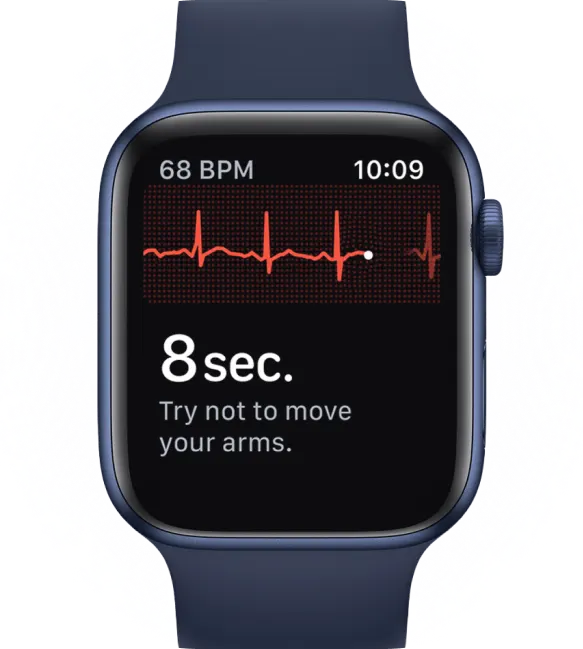
It’s easy to feel a bit lost in a healthcare system that can sometimes seem impersonal. But this is where you can take back some control. Your Apple Watch, Kardia, Fitbit, or other wearable device is more than just a piece of tech; it’s a powerful tool on your health journey, especially when you start a medication like disopyramide.
This technology allows you to become an active, informed participant in your own care. Instead of just crossing your fingers and hoping for the best, you can collect real, tangible data about how your body is responding. This flips the script, turning you from a passive patient into a proactive partner in your own wellness.
Why Your At-Home ECG Is So Important
As we've covered, one of the rare but serious disopyramide side effects is its potential to lengthen something called the QTc interval. Think of the QTc as the time it takes your heart's electrical system to "recharge" between beats. Disopyramide can sometimes stretch out this recharge time, which is something your doctor needs to watch very closely.

In the past, this meant relying entirely on the occasional ECG done in a clinic. But your heart doesn't operate on a 9-to-5 schedule. Your QTc interval can change throughout the day, and a single snapshot at the doctor's office might not paint the full picture.
This is where your wearable ECG shines. By taking regular readings at home, you can help build a much more complete, day-to-day log of your heart's activity. This isn't about diagnosing yourself; it's about gathering high-quality information to share with your medical team so they can make the best decisions with you.
Making Sense of Your ECG Data
When you look at your wearable ECG, you see a series of squiggly lines, but within those lines is a ton of information. The QTc interval is a specific measurement taken from that data. While most consumer devices don't calculate the QTc for you, services like Qaly exist to bridge that gap.
You can upload your ECG recordings, and certified cardiac technicians will analyze them, giving you precise interval measurements, including your QTc.
"Empowering yourself with your own heart data changes the dynamic. When you can show your doctor a trend in your QTc measurements over weeks, a vague feeling of 'something's off' becomes a concrete, evidence-based conversation about your health and treatment."
This process lets you:
- Establish a Baseline: Get a clear understanding of your personal QTc interval before or right as you start taking disopyramide.
- Track for Changes: Take regular readings (maybe weekly, or as advised by your doctor) to see if the medication is causing any significant changes over time.
- Identify Trends: Notice if your QTc is consistently trending longer, which is incredibly valuable information for your doctor.
How to Have a Productive Conversation with Your Doctor
Walking into your appointment armed with this data means you have more than just feelings; you have facts. This is incredibly empowering and helps your doctor make the best possible decisions for your care.
Instead of just saying, "I've been feeling a little dizzy," you can now say, "I've been feeling dizzy, and I've also noticed that my QTc interval has trended from 440ms to 470ms over the past three weeks, based on analyses of my home ECGs. Could we look at this data together?"
This specific, data-driven approach commands attention and fosters a more collaborative relationship with your healthcare provider. It shows you're engaged and serious about managing your health. If you're new to using your device for this, you might find some great pointers in A Cardiologist's Guide to the Smartwatch ECG to help you get the most out of your technology.

Monitoring your heart at home is a way to ensure your treatment plan is tailored perfectly to you, giving you peace of mind and putting the power back in your hands.



.png)
.png)