


Key Takeaways

User Profile
Hello Heart Hero. If you’ve ever felt a flutter, a skip, or a racing sensation in your chest, you're not alone, and you've come to the right place for clear, straightforward answers.
Let's get right to your main question: yes, anorexia nervosa can cause heart palpitations. This is a very real physical signal from your body, it's not "all in your head," and we're going to walk through exactly why this happens.
Your Heart's Message: Anorexia and Palpitations Explained
It can be incredibly frustrating to feel like your concerns are being dismissed by the healthcare system. This guide is here to give you the knowledge to understand the signals your own body is sending. Think of heart palpitations not as a source of fear, but as an important message from your heart telling you that it's working under stress and needs attention.
This isn't about judgment. It's about understanding the "why" behind what you’re feeling so you can take charge of your health with confidence and compassion. Let's start building that understanding together.
The Body's Signal System
Your body has an amazing way of communicating its needs. When it doesn't get the fuel it requires from nutrition, it begins to make drastic adjustments to conserve every bit of energy it can. Anorexia puts immense nutritional stress on the entire body, and the heart is one of the first organs to feel that strain.
Palpitations are one of the clearest signals your heart can send. These sensations might feel like:
- A fluttering or "butterfly" feeling in your chest
- A forceful, pounding heartbeat
- A skipped or missed beat
- A heart that feels like it's racing or beating too fast
These are all signs of your cardiovascular system responding to the challenges it's facing. By learning what causes them, you can start to decode these important messages.
The Connection Between Nutrition and Heart Rhythm
The link between anorexia and your heart's rhythm is direct and well documented. Malnutrition, especially when prolonged, can lead to electrical and structural changes in the heart that cause rhythm disturbances like palpitations.
Interestingly, research shows that one of the most common cardiac issues is actually bradycardia, an unusually slow heart rate, which affects up to 36% of patients. This is the body's desperate attempt to save energy. This slowed down state, however, can also make the heart more irritable and prone to palpitations or even episodes of a dangerously fast heart rate, particularly if other problems like severe anemia are present.
Understanding the broader context of eating disorders is crucial for grasping how a condition like anorexia can have such a profound impact on your heart. These are complex conditions with far reaching physical effects, and recognizing them is the first step toward feeling empowered. This guide is here to give you the clarity you deserve to move forward with a better understanding of your body.
How Anorexia Disrupts Your Heart's Rhythm
Let's talk about that fluttering feeling in your chest and what's really happening behind the scenes. When you feel a heart palpitation, it’s a clear signal that your heart's normally steady rhythm has been thrown off. So, how does anorexia cause heart palpitations? It really boils down to two key problems: a critical lack of fuel and a major disruption to the heart’s electrical system.
Think of your heart as a powerful, finely tuned engine. Like any engine, it needs good fuel (calories and protein) to run smoothly and reliable spark plugs (minerals called electrolytes) to ignite that fuel at just the right moment. Anorexia starves the engine of both, causing it to sputter, misfire, and run erratically.
It’s a clear cause and effect relationship, where nutritional deficits directly impact your heart's rhythm.
The Heart as a Weakened Muscle
First, let's look at the fuel problem. Your heart is a muscle, a very special one, but a muscle nonetheless. Just like your bicep, it needs a steady stream of energy and protein to stay strong and do its job. When severe food restriction deprives the body of calories, it shifts into survival mode.
To keep the lights on, your body begins to break down its own tissues for energy, and that includes muscle. This process is called atrophy, and it can happen to the heart muscle itself. Over time, the heart can literally shrink in size and mass.
A smaller, weaker heart simply can't pump blood as effectively. This forces it to work harder just to keep up, making it much more vulnerable to rhythm problems, the very ones you feel as palpitations. It’s like an engine trying to run a race on an almost empty tank; it’s going to struggle and behave unpredictably.
Misfiring Electrical Signals
The second part of this puzzle is arguably even more dangerous: the heart’s electrical system. Your heartbeat isn't random; it's governed by precise electrical signals that tell the heart's chambers when to squeeze and relax. These signals rely on a perfect balance of electrolytes in your system.
Electrolytes are essential minerals, including:
- Potassium
- Magnesium
- Calcium
- Sodium
These aren't just names on a nutrition label; they are the "spark plugs" for your heart. They carry the tiny electrical charges that create a stable, steady beat. Anorexia, either through poor intake or behaviors like purging, can cause severe electrolyte imbalances.
When levels of crucial electrolytes like potassium or magnesium drop too low, the heart's electrical signaling becomes unstable. This instability can make the heart "misfire," triggering extra beats, skipped beats, or the rapid, fluttering rhythms you experience as palpitations.
This electrical chaos is one of the most direct answers to the question, "does anorexia cause heart palpitations?" It throws the heart's delicate timing completely off balance, leading to those unsettling sensations. If you want to take a deeper dive, you can learn more about the connection between electrolyte imbalance and your ECG in our other guide.
Understanding what's happening on a biological level is the first step toward taking back control. The palpitations you feel aren't a personal failing; they are a physical cry for help from your body. By listening to these signals, you can start taking the necessary steps toward healing.
Understanding Different Types of Heart Palpitations
Heart palpitations don't all feel the same. You might feel a slow, heavy thump in your chest, while someone else describes a rapid, chaotic flutter. These different sensations often point to specific changes in your heart's rhythm.
Learning the vocabulary for these rhythms isn't about diagnosing yourself. It’s about giving a name to what you’re feeling, making it less mysterious and empowering you to describe your experience clearly to a healthcare professional.
The Slow Thump of Bradycardia
One of the most common heart changes with anorexia is a very slow heart rate, known as bradycardia. This is when your heart beats fewer than 60 times per minute.
Think of it as your body's survival mode. To conserve scarce energy, it slows everything down, including your heartbeat. But while this is an adaptation, it comes with risks. A heart beating too slowly might not pump enough oxygen rich blood, leaving you feeling exhausted, dizzy, or even faint. This slow, unstable rhythm can also set the stage for other, more dangerous, irregular beats.
The Frantic Drum of Tachycardia
On the other side of the coin is tachycardia, a heart rate that's too fast, typically over 100 beats per minute when you're at rest. This is often what people picture when they hear "palpitations." It can feel like a frantic, uncontrollable drumming in your chest.
While a slow heart rate is a hallmark of anorexia, episodes of tachycardia are also a real concern. They're often kicked off by specific problems that put extra strain on the heart, such as:
- Anemia: When you don't have enough red blood cells, your heart has to beat faster to get oxygen where it needs to go.
- Dehydration: Low fluid levels mean lower blood volume, forcing your heart to pump faster to keep up.
- Stress and Anxiety: The intense emotional and psychological stress of an eating disorder can trigger a "fight or flight" response, flooding your body with adrenaline and making your heart race.
The Complex Reality of Heart Rhythms
It’s crucial to understand that while bradycardia is common, the story doesn't end there. Palpitations in anorexia can also be caused by much more complex and dangerous arrhythmias. Globally, around 30% of deaths related to anorexia are due to cardiac complications, with arrhythmias being a major culprit.
Research from one prominent center found that 18% of their severely ill patients had runs of supraventricular tachycardia (a fast rhythm from the heart's upper chambers) and even significant sinus pauses, where the heart literally stops for 3 to 7 seconds.
This sobering data shows that the answer to "does anorexia cause heart palpitations?" is a complex yes. The risks go far beyond just a slow heart rate. You can discover more insights about how anorexia nervosa affects heart rates to better understand these risks. It's a powerful reminder of why any palpitation, fast, slow, or fluttering, needs to be taken seriously.
The Serious Risk of Arrhythmias and QT Prolongation
Beyond the general feelings of a fast or slow heart rate, we need to talk about a more specific and serious risk called QT prolongation. This might sound technical, but understanding it is a powerful way to protect your heart. This knowledge isn't meant to cause fear; it's to arm you with critical awareness.
Think of your heart's electrical cycle like a camera flash. It fires (contracts) to take the picture, then recharges (resets) for the next one. The QT interval is the time it takes for your heart's electrical system to fully "recharge" after a beat.
This recharge phase is incredibly important for keeping your heart in a steady, stable rhythm.
Why the QT Interval Matters
Normally, this reset happens with perfect timing. But the electrolyte imbalances common in anorexia, especially low potassium and magnesium, can make this recharge time dangerously long. When the QT interval is prolonged, it creates a vulnerable window where the heart is susceptible to life threatening arrhythmias.

It’s like the camera flash hasn't fully recharged before someone tries to take another picture. The result is a weak, chaotic flash, or none at all. That’s what can happen to your heart rhythm. It becomes clumsy and chaotic because the electrical system isn't ready for the next beat.
The Risk of Torsades de Pointes
A prolonged QT interval seriously raises the risk of a specific, dangerous arrhythmia called Torsades de Pointes (TdP). This is a very fast, chaotic, and polymorphic ventricular tachycardia that can cause severe heart palpitations, dizziness, and fainting.
Torsades de Pointes is a medical emergency. The erratic rhythm can stop the heart from pumping blood effectively to your brain and body. Understanding what leads to it, like a prolonged QT interval, shows just how essential it is to monitor your heart rhythm.
This risk is a key reason why answering "does anorexia cause heart palpitations?" requires looking beyond simple flutters. The underlying electrical changes can sometimes trigger much more serious events. If you want to learn more about this condition, you might find our guide on Understanding Long QT Syndrome helpful.
The Sobering Statistics
The link between anorexia, QT prolongation, and dangerous arrhythmias isn't just a theory. Research shows that up to 40% of people with anorexia nervosa have a prolonged QT interval on their ECG. When you combine that with a slow heart rate (bradycardia), which is also common, the risk for Torsades de Pointes climbs even higher.
Tragically, about one third of all deaths in anorexia are cardiac related, and arrhythmias are the main culprit. This isn't just data; it's a powerful reason to listen to your body and take palpitations seriously. Knowing that a prolonged QT interval is a key risk factor, one that can be tracked, gives you a real way to advocate for your own health and safety.
How to Monitor Your Heart at Home With Confidence
Living with the worry of heart palpitations is exhausting. It’s even more frustrating when you feel like your concerns aren't being fully heard. The good news is, you don’t have to be a passive observer in your own health journey anymore. You have the ability to gather your own data and find clarity, right from the comfort of your home.
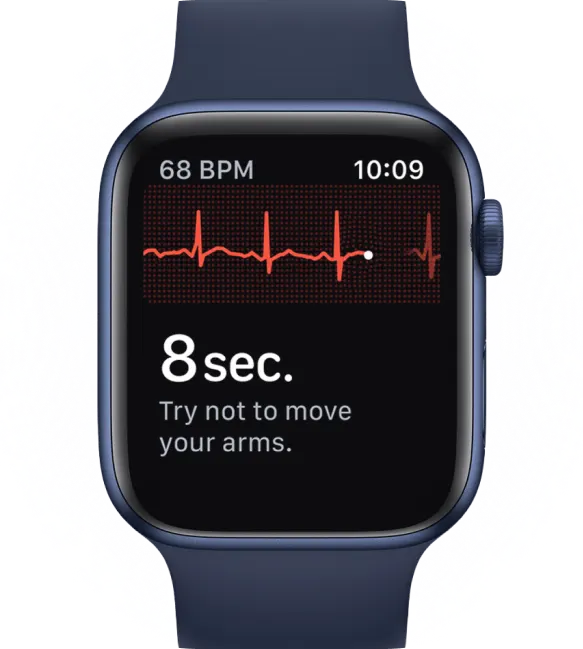
Today’s technology puts powerful tools right on your wrist. Smart devices like the Apple Watch, Fitbit, Samsung watches, and KardiaMobile let you take an active role in understanding your heart’s rhythm. This isn't just about collecting numbers; it's about reclaiming a sense of control over your health.
Taking an ECG When It Matters Most
The best time to record your heart’s activity is the exact moment you feel a palpitation. Whether it’s a flutter, a skip, or a racing sensation, capturing that event on an electrocardiogram (ECG) gives you a clear snapshot of what’s happening electrically inside your heart. It turns a fleeting, hard to describe feeling into solid data.
Using the ECG feature on your watch or personal device is straightforward:
- Find a quiet place to sit and try to stay calm and still.
- Open the ECG app on your device.
- Follow the instructions, which usually involve resting your finger on the digital crown or sensor.
- Remain still for the entire recording, which is typically about 30 seconds.
This simple action can be incredibly empowering. Instead of just telling your doctor, "I felt a flutter," you can show them exactly what your heart rhythm looked like during the episode.
If you're looking to proactively understand your body's signals, learning how to check your heart health at home can provide both valuable data and peace of mind.
Bridging the Gap With Expert Analysis
So, you’ve captured an ECG, what’s next? Those squiggly lines can be confusing, and the automated readings from your device don’t always tell the whole story. This is where a service like Qaly can serve as a vital link between you and your medical team.
Qaly isn't a substitute for your doctor, but it is a powerful resource for getting answers when you need them. When you upload your ECG to the Qaly app, it’s analyzed by a human, certified cardiographic technician, not just an algorithm. Within minutes, 24/7, you receive a detailed interpretation.
This analysis helps you understand things like:
- Whether that palpitation was a common, harmless beat like a Premature Ventricular Contraction (PVC).
- If your rhythm is showing signs of a more significant arrhythmia that requires a doctor's attention.
- The exact measurements of your heart's electrical signals, such as the QRS and QTc intervals, which are critical for identifying potential risks.
This process offers immediate, professional insight into what your device just recorded. It helps reduce the anxiety of the unknown and equips you with organized, expert reviewed data to share with your healthcare provider.
This is all about getting answers quickly, validating what you're feeling, and building a stronger case for your health. To learn more about taking charge of your cardiac monitoring, check out our other article on how to check heart health at home. It’s about creating a true partnership with your care team, so you can walk into appointments feeling informed and prepared.
Using Your Data to Advocate for Your Health
Capturing data with your wearable is a fantastic first step. But the real power comes from using that data to make sure your doctor truly hears you. It can be incredibly nerve wracking to talk about symptoms that come and go, especially when you’re worried you won’t be taken seriously.
Think of it this way: you're building a "heart health story" for your doctor. Instead of just trying to describe a fleeting flutter or a sudden pound in your chest, you’re walking in with clear, undeniable evidence. This simple shift changes the entire conversation, moving it from a discussion about vague feelings to one grounded in solid data.
Preparing for Your Doctor's Appointment
Walking into your appointment organized and prepared can make a world of difference. The goal is to make it as easy as possible for a busy doctor to see exactly what you're experiencing.
Here’s a quick checklist to get you ready:
- Gather Your ECG Reports: Don't just show up with your watch. Have the PDF reports from Qaly printed out or ready to go on your phone. These reports are incredibly valuable because they show not just the ECG strip itself, but also the analysis and notes from a certified cardiac technician.
- Highlight Key Episodes: If you have several ECGs, circle or make a note of the ones that happened during your worst symptoms. You'll want to show these first.
- Keep a Simple Symptom Log: Next to your ECGs, quickly jot down how you felt. Were you dizzy? Short of breath? Did you feel a flutter, a skip, or a hard pound? This adds crucial context that the ECG data alone can't provide.
Doing this little bit of prep work gives you a script to follow and helps you stay calm and focused when you’re in the room.
How to Talk to Your Doctor
The way you phrase things can completely change the dynamic of your appointment. Many people who feel dismissed often use uncertain language, like, "I think I felt a flutter." Instead, you can use phrases that are both firm and respectful, all backed by the data you’ve collected.
This approach shifts you from being a passive patient with a vague complaint to an active partner in your own care. You are bringing valuable information to the table that helps your doctor understand the full picture of your health.
Here are a few examples you can adapt:
- "I’ve been having heart palpitations, and I was able to capture my ECG on my watch during one of the episodes. A technician reviewed it and noted [mention the finding, like 'frequent PVCs' or 'possible SVT']."
- "I'd like to show you a report from an ECG I took. My main concern is that my QTc interval was measured at [mention the number] milliseconds, and I’d like to discuss what this could mean."
- "I know palpitations can be common, but I have several ECG recordings of them now. Could we please review these together?"
These statements are factual and invite your doctor to collaborate with you. They're not confrontational, which makes it more likely you'll get the engagement you need. For more help getting these conversations started, check out our guide on important questions to ask your cardiologist.
Common Questions About Anorexia and Heart Health
It’s completely normal to have a lot of questions and worries when you’re dealing with something as serious as anorexia and its effect on your heart. You’re not alone in this. Let's walk through some of the most common concerns, one by one.
Can My Heart Fully Recover from Anorexia?
Yes, absolutely. It's incredible how resilient the human body, and especially the heart, can be. Once your body starts getting the consistent nourishment it has been missing, the healing process can begin.
Many of the changes the heart undergoes during malnutrition, like a weaker muscle or a slower heart rate (bradycardia), are often reversible. It’s a journey, not an overnight fix, but giving your body the fuel it needs is the most powerful thing you can do. Full cardiac recovery is absolutely possible.
Is It Safe to Exercise with Anorexia and Palpitations?
This is a really important question, and the short answer is that you need to be extremely careful. Exercise puts a healthy heart to work, but it puts an incredible amount of strain on a heart that’s already weakened by malnutrition.
If you’re having palpitations, feeling dizzy, or experiencing chest pain, that's a clear signal from your body to stop and rest. Pushing through it when your heart is undernourished dramatically increases the risk of a dangerous arrhythmia. The best and safest thing you can do is talk to a doctor who understands eating disorders before you start or continue any exercise routine.
Your body is sending you signals with palpitations; listening to them by resting is a profound act of self care. Pushing through the signals can be dangerous, so prioritizing rest and medical guidance is key.
My Doctor Dismissed My Palpitations What Should I Do?
Feeling dismissed by a doctor is incredibly frustrating, especially when you know something isn’t right. Trust your instincts. You are the expert on your own body. This is where having your own data can completely change the conversation.
An ECG you record on your watch during a palpitation isn't just a feeling you're describing; it's objective proof. Instead of saying "I felt a flutter," you can walk into a doctor's office (or get a second opinion) and say, “I captured my heart rhythm during one of the episodes I’m concerned about. Here’s the ECG report.” This gives them concrete data to analyze and makes your experience impossible to ignore.


When you need clarity on your heart's rhythm, Qaly provides human-certified analysis of your wearable ECGs in minutes, 24/7.



.png)
.png)