





Key Takeaways

User Profile
Hello, Heart Hero. If you've ever felt a sudden flutter, a skipped beat, or a racing sensation in your chest, you've come to the right place to understand what's going on. The simple truth is that most of the time, having heart palpitations in pregnancy is just a normal part of your body's incredible work to grow a new life.
Navigating Heart Flutters in Your Pregnancy
Feeling your heart do something unexpected can be pretty unsettling, especially when you're looking out for two. I want to start by reassuring you: these feelings are incredibly common. This guide is here to walk you through why they happen, helping you separate normal bodily changes from symptoms that might need a closer look.
We get it. Navigating health questions during pregnancy can feel isolating, and it's easy to feel skeptical when you're just looking for clear, straightforward answers. Our goal is to be a resource you can trust, giving you practical knowledge so you feel confident and in control of your health journey.
Why Flutters Are So Common
Your body is going through massive changes to support your growing baby, and your cardiovascular system is right at the center of it all. To put it simply, your heart has to work much harder.
A huge part of this is due to significant adjustments your body makes. This includes a big increase in blood volume, sometimes as much as 30 to 50 percent. Your resting heart rate also naturally climbs by about 10 to 25 beats per minute. This increased workload can easily trigger sensations you’ve never felt before. Think of it as your heart simply adapting to its new, more demanding job.
Your body is doing something extraordinary. These heart flutters are often just a sign that your system is rising to the occasion, working hard to nurture both you and your baby.
To get a handle on all the changes happening, you might find this ultimate pregnancy preparation checklist helpful. It can help you feel more organized and prepared, giving you one less thing to worry about. Remember, you're not alone in this experience, and understanding the "why" is the first step toward peace of mind.
Why Your Heart Works Overtime During Pregnancy
It can be unnerving when your body starts doing things you don't recognize, like a sudden flutter in your chest. But when it comes to heart palpitations during pregnancy, these feelings are usually just your body’s way of showing you it’s hard at work, building a safe and nurturing home for your baby.
Think of your circulatory system as a super-efficient delivery network. Before pregnancy, it had its regular routes and deliveries all mapped out. Now, with a very important new "customer" on board, that whole network has to expand dramatically. To keep up, it needs more delivery trucks on the road, and they all need to drive a bit faster. This is a pretty good picture of what's happening inside you.
This incredible transformation is driven by a few key factors that are a completely normal and healthy part of pregnancy.
The Power of Hormones
Right from the beginning, your body gets a massive surge of hormones, especially one called progesterone. While this powerhouse hormone is absolutely essential for maintaining a healthy pregnancy, it can also make your heart a little more sensitive, causing it to beat faster or more forcefully at times. This hormonal shift is one of the very first changes that can lead to those little flutters.
On top of that, stress and anxiety are common companions during pregnancy, and they release their own set of hormones, like adrenaline. These can also kick your heart into a higher gear. Because the mind and body are so tightly connected, it can be helpful to learn more about how anxiety can cause heart palpitations to better understand these triggers.
Your Growing Blood Volume
One of the biggest physiological changes is the massive increase in your blood volume. To make sure your baby gets all the oxygen and nutrients needed to grow, your body produces between 30 and 50 percent more blood. That's a huge increase!
Imagine your heart is a pump that suddenly has to move a much larger amount of fluid through the same set of pipes. It simply has to pump with more force and at a greater speed to keep everything circulating efficiently. This extra effort is a primary reason you might feel your heart pounding more noticeably than before.
It's a powerful adaptation. Your heart isn't struggling; it's strengthening. It's rising to the challenge of supporting two lives instead of one, a true sign of your body’s amazing capabilities.
A Naturally Faster Heartbeat
To move all that extra blood around, your heart naturally picks up its pace. It's common for your baseline resting heart rate to increase by 10 to 25 beats per minute during pregnancy. This means your heart is beating faster all the time, even when you're just sitting on the couch relaxing.
So, what does this all mean for you? These three major changes create the perfect storm for heart palpitations to occur:
- Hormonal Shifts: Making your heart more reactive.
- Increased Blood: Requiring your heart to pump harder.
- Faster Heart Rate: Keeping the newly expanded system flowing smoothly.
Seeing these changes as your body's smart and healthy adaptations can help reframe those surprising flutters. They aren't necessarily a sign of a problem, but rather proof that your body is doing exactly what it needs to do.
Normal Pregnancy Flutters Versus Red Flags
Learning to listen to your body is one of the most powerful skills you can have during pregnancy. While most of those little heart flutters are just part of the incredible process, knowing how to tell a normal hiccup from a potential red flag can give you enormous peace of mind. Let's walk through it together.
So, what's the difference? The heart palpitations that are a totally normal part of pregnancy usually have a few things in common. They’re brief, lasting just a few seconds, and they don't happen all the time. They might feel like a quick flutter, a skipped beat, or a brief pounding, but they go away quickly and aren't paired with any other scary symptoms.
What Benign Palpitations Feel Like
Think of these as your heart's little reminders that it's working overtime for you and your baby. Most of the time, that's all they are.
A normal, harmless palpitation during pregnancy often feels like:
- A quick flutter: Almost like a butterfly has taken a brief flight inside your chest.
- A skipped beat: A momentary pause, sometimes followed by a more forceful beat as your heart gets back in sync.
- A brief pounding: A sudden feeling that your heart is beating harder or faster, but only for a few moments.
These sensations are usually set off by things we've already talked about, like hormonal surges, your increased blood volume, or even a bit of stress. They tend to vanish as quickly as they appear.
The main takeaway here is that feeling these flutters is a common experience that, more often than not, simply leads back to your body's amazing, healthy adaptation process.


When to Seek Medical Advice
While we want to reassure you, it's just as important to know the signs that mean it's time to call your doctor. Certain symptoms that pop up alongside palpitations could signal that something else is going on, and it's always, always better to be safe.
You should get in touch with your doctor if your heart palpitations come with any of the following symptoms. Here's why each one matters.
- Dizziness or Lightheadedness: Feeling woozy could mean that not enough oxygen-rich blood is getting to your brain. Your doctor will definitely want to look into this right away.
- Shortness of Breath: While feeling a bit breathless is common later in pregnancy, sudden or severe shortness of breath that happens at the same time as palpitations needs medical attention.
- Chest Pain or Discomfort: Any kind of chest pain, whether it's pressure, tightness, or an ache, is a symptom that should never be brushed off. It's critical to have it checked out immediately to rule out anything serious.
- Fainting or Losing Consciousness: This is a clear red flag. If you ever lose consciousness, it requires an urgent medical evaluation, no exceptions.
Trust your intuition. If your palpitations feel different, last longer than a few minutes, are happening more often, or just don’t feel right to you, that is more than enough reason to reach out to your healthcare provider.
Knowing the difference between a simple flutter and a more serious symptom is key. For more in-depth guidance, you can read our article about when to see a doctor for heart palpitations.
Remember, being your own health advocate is the most important thing you can do. You are never, ever bothering your doctor by asking questions that ensure the well-being of both you and your baby.
How Doctors Investigate Palpitations in Pregnancy
Deciding to talk to your doctor about heart palpitations during pregnancy can feel like a big step, but it’s a positive one that puts you in control. Knowing what to expect can make the process feel much less intimidating, more like a collaborative chat about your well-being. The goal here is simple: to make sure you and your baby are healthy and to give you peace of mind.
The first thing your doctor will do is listen. They get how unsettling these feelings can be and genuinely want to hear your story. This initial conversation is actually the most important part of the entire process.
Starting the Conversation
Your doctor will likely start by asking questions to understand your unique experience. They aren't just checking boxes; they're trying to see the full picture of what's happening.
You can expect questions like:
- What exactly does it feel like? (Is it a flutter, a pound, or more like skipped beats?)
- When do the palpitations happen? (At rest, after a meal, when you're feeling stressed?)
- How long do they usually last? (Just a few seconds, or several minutes?)
- Have you noticed anything that seems to trigger them? (Like caffeine or a bad night's sleep?)
- Do you have any other symptoms at the same time? (Feeling dizzy or short of breath?)
This conversation is usually followed by a simple physical check-up. Your doctor will listen to your heart with a stethoscope, check your blood pressure, and just assess your overall health. Honestly, this first step often provides enough information to be very reassuring.
Looking a Little Closer with Simple Tests
If your doctor wants to gather more data, they have a few gentle, pregnancy-safe tools to get a better look at what your heart is doing. These tests are routine, non-invasive, and designed to provide clarity without causing you any stress.
One of the most common tests is an electrocardiogram, or ECG (you might also hear it called an EKG). Think of it as a quick snapshot of your heart’s electrical activity. It’s completely painless and takes only a few minutes. You’ll have a few sticky sensors placed on your chest, and a machine will record your heart's rhythm right then and there. If you're curious about what's being measured, our guide explains more about the typical ECG changes you can expect during pregnancy.
Of course, sometimes palpitations are shy and don’t happen on cue during a short doctor’s visit. If that's the case, your doctor might suggest a portable monitor.
The goal of these tests is not to find something wrong, but to confirm that everything is okay. It’s a proactive way to ensure your heart is simply adapting to pregnancy as expected.
For instance, a Holter monitor acts like a diary for your heart. It’s a small, wearable device that you take home, and it records your heart’s activity continuously for 24 to 48 hours. This gives your doctor a much more complete picture of your heart's rhythm as you go about your daily life, capturing those fleeting flutters that might otherwise be missed. By demystifying this process, you can see it for what it is: a careful and supportive step toward ensuring your health.
Safe Ways to Soothe Your Heart Flutters
Feeling your heart race or skip a beat can be unnerving, especially during pregnancy. The good news is that once your doctor has given you the all-clear, confirming your palpitations are just a normal part of the journey, there are plenty of gentle ways to find calm and minimize those fluttery sensations.
These strategies aren't about adding more stress to your plate. Instead, think of them as simple, powerful ways to support your body while it does its incredible work. It’s all about finding small, sustainable acts of self-care.

Hydration and Nutrition as a Foundation
Sometimes the most effective tools are the simplest ones. Dehydration forces your heart to work overtime, so just keeping a water bottle handy and sipping throughout the day can make a surprising difference.
Electrolyte imbalances are another common trigger for heart flutters. Focusing on a diet rich in whole, nutrient-dense foods helps keep everything in balance. Pay attention to your body, some women notice that specific foods or drinks set off their palpitations. Caffeine is a classic culprit, so you might try cutting back on coffee, tea, or soda to see if your symptoms ease up.
Curious about how specific nutrients play a role? Our guide on magnesium supplements for heart health offers more detail, but always chat with your doctor before starting any new supplement during pregnancy.
Finding Your Calm and Getting Rest
Stress is a huge factor when it comes to heart palpitations. Your body is already managing the massive physical demands of pregnancy, and layering emotional stress on top can easily send your system into overdrive.
Finding what truly helps you relax is key. Here are a few simple techniques that work for many:
- Deep Breathing Exercises: It sounds basic, but it works. Try inhaling slowly for a count of four, holding your breath for four, and then exhaling gently for six. This simple act can instantly calm your nervous system.
- Prenatal Yoga: This practice is specifically designed for expecting mothers, beautifully combining gentle stretches with mindful breathing.
- Quiet Time: Never underestimate the power of 10 to 15 minutes of pure, uninterrupted quiet. Put your feet up, read a book, or listen to some soothing music. It’s a small investment with a big return.
Because anxiety can often worsen heart flutters, it’s also crucial to prioritize your emotional well-being by understanding and supporting mental health during pregnancy. And finally, rest is non-negotiable. Pregnancy is exhausting, and sleep deprivation is a direct line to more frequent palpitations.
Remember, these are not quick fixes but gentle practices. The goal is to create a rhythm of self-care that supports both your heart and your mind throughout your pregnancy.
By tuning into your personal triggers and weaving these simple, soothing strategies into your daily life, you can often lessen the frequency of heart palpitations and feel more at ease in your changing body.
Frequently Asked Questions About Pregnancy Palpitations
It's natural to have questions piling up, especially when it’s about your health and your baby's. We get it. Here are some of the most common concerns we hear about heart palpitations in pregnancy, with clear, straightforward answers.
Can Heart Palpitations During My Pregnancy Harm My Baby?
This is usually the very first question on every expecting mother's mind, and we want to put you at ease. For the vast majority of women, the answer is a firm no. Benign palpitations are your body’s response to pregnancy; they don't directly impact your baby's health or growth.
Think of it this way: your baby is safely nestled inside, getting a steady, reliable supply of everything they need. Those flutters are a sign of your own system adapting to the incredible job it's doing, not a signal of distress for your little one. Only in extremely rare cases, where palpitations stem from a severe, untreated maternal heart condition, could there be a potential risk. This is exactly why bringing up any symptom with your doctor is so important. It’s the best way to get proper evaluation and complete peace of mind.
Will My Heart Palpitations Go Away After I Give Birth?
For most women, the answer is a resounding yes. Pregnancy-related heart palpitations almost always resolve on their own after you deliver your baby. As soon as your little one arrives, your body starts the amazing process of returning to its pre-pregnancy state.
Your blood volume, which surged by 30 to 50 percent, gradually returns to normal, and your hormone levels begin to even out. As the extra workload on your heart lightens up, the palpitations typically fade away within a few weeks to a few months postpartum. If they stick around long after delivery, it’s a good idea to check in with your doctor.
Are There Specific Sleeping Positions That Can Help?
Absolutely. Many pregnant women notice their palpitations more when lying down, especially flat on their back. The good news is that a simple shift in your position can make a world of difference.
Sleeping on your left side is what most doctors and midwives recommend. This position takes pressure off a major vein called the inferior vena cava, which is responsible for carrying blood back to your heart. Improving that blood flow can often quiet down those pesky palpitations. Some women also find that propping themselves up with pillows helps. The best strategy is to gently experiment and see what position feels most comfortable and calming for you.

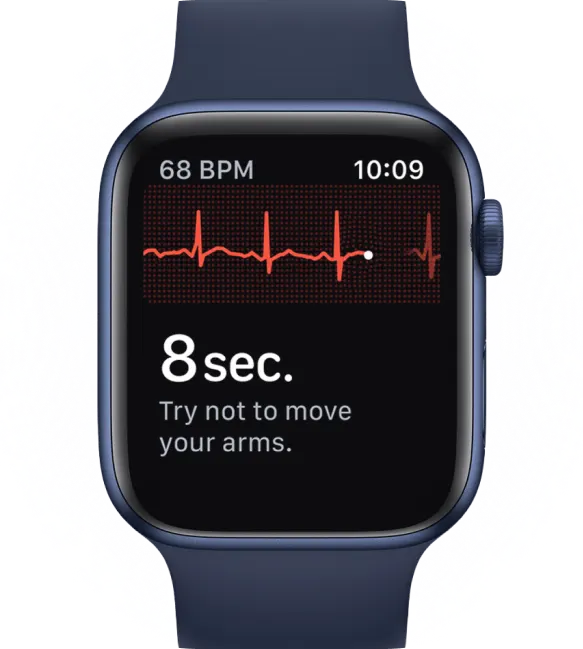
Qaly provides certified analysis of your wearable ECG readings in minutes. Get the peace of mind you deserve by having a human expert review your heart data.



.png)
.png)