





Key Takeaways

User Profile
Hello, Heart Hero. Starting a new medication like ivabradine often comes with a mix of emotions: hope for what it can do, and a little bit of worry about the unknown. We get it. It's completely normal to have questions and concerns about ivabradine side effects, especially when you're looking for answers you can trust.
When you're skeptical about the healthcare system, finding clear, straightforward information is even more important. This guide is here to give you that. We'll walk through what to expect, from the most common effects like a slower heart rate and visual changes, to how you can monitor your health from home. You deserve to feel prepared and in control.
Your Ivabradine Journey Begins Here
When it comes to your health, you're the most important person on your own team. You deserve information that empowers you, not confuses you with medical jargon.
This guide is built to give you knowledge. We’ll walk through what to expect when taking ivabradine, from the small adjustments your body might make to the more significant changes to watch for. The goal is to help you feel prepared, not powerless.
What This Guide Covers
We want to give you a complete picture of what living with ivabradine can look like. Here’s what we’ll explore together:
- How Ivabradine Works: A simple way to understand what this medication does inside your body.
- Common Side Effects: What you might notice day to day, like those visual changes or a slower heartbeat.
- Serious Side Effects: Red flags to look out for and when it's essential to call your doctor.
- At Home Monitoring: Practical ways to track your heart’s response, using tools you might already have.
- Your Action Plan: Steps you can take to manage side effects and communicate effectively with your healthcare team.
Our goal is to replace uncertainty with confidence. By understanding the potential ivabradine side effects, you can become an active partner in your care, making sure your treatment is both safe and effective for you.
Think of this as a practical conversation that respects your concerns and gives you the tools to navigate your treatment journey successfully. Let’s get started.
How Ivabradine Works to Help Your Heart
Before we dive into the side effects of ivabradine, it’s helpful to first understand how the medication actually works. It’s a pretty clever and targeted approach.
Think of your heart as having a natural pacemaker called the sinus node. This tiny cluster of cells in your heart's upper chamber sets the rhythm for your entire heartbeat. In some conditions, like heart failure, this pacemaker can start firing too quickly, forcing the heart to work much harder than it should.
Slowing Down the Beat
This is where ivabradine comes in. It acts very specifically on the sinus node to slow down your heart rate. It doesn't touch your blood pressure or change how forcefully your heart contracts. Its one and only job is to reduce the number of beats per minute.
By giving your heart more time to rest between beats, ivabradine reduces the overall strain and helps it pump blood more efficiently. For a heart that’s been overworked, this can be a huge relief. However, this action is also the very reason side effects can occur. If the heart rate slows down a little too much, you might start to feel it. If you'd like to learn more about the heart's natural pacemaker, check out our guide on what sinus node dysfunction is.
Essentially, ivabradine is designed to selectively slow your heart’s natural rhythm. This core function is what makes it effective, but it’s also the direct reason behind its most common side effects, like a slower than normal heart rate.
Grasping this simple cause and effect relationship is the key to knowing what to watch for. By understanding how ivabradine helps your heart, you'll be much better prepared to recognize the signs your body might give you as it adjusts, which we'll cover next.
Common Ivabradine Side Effects You Might Experience
Starting any new medication can feel a little unnerving, and knowing what to expect can bring a lot of peace of mind. Since ivabradine’s entire job is to slow down your heart, it makes sense that its most common side effects are directly related to this action.
Let’s start with the most frequent one: a heart rate that’s slower than normal, a condition your doctor calls bradycardia. This might sound concerning, but it’s often just a sign that the medication is working as intended. Many people don't feel it at all and only notice it when checking their pulse or looking at their smartwatch data.
.webp)
Sometimes, though, that slower heartbeat makes itself known. You might feel a bit dizzy, lightheaded, or more tired than usual. This is what we call symptomatic bradycardia. While it can be unsettling, it's really important information to track and share with your doctor.
Why Am I Seeing Bright Lights?
Another very specific experience some people have involves a visual effect called luminous phenomena, or phosphenes. It sounds strange, but it’s a well known side effect for about 14% of people taking ivabradine.
You might describe it as seeing:
- Temporary bright spots or halos in your field of vision.
- Flashes of light, especially when your eyes adjust to a sudden change in brightness.
- "Starbursts" or shifting patterns around light sources.
This happens because ivabradine can also interact with tiny channels in your eye's retina that are surprisingly similar to the ones it targets in your heart. It’s not a sign of damage to your eyes, and for most people, these visual quirks are mild and tend to go away within the first two months as your body gets used to the medication.
Putting Bradycardia Into Context
It's one thing to hear that a slow heart rate is common, but what do the numbers actually say? The landmark SHIFT trial, a huge study with over 6,500 patients, gives us some real world data.
In that study, symptomatic bradycardia, the kind you can actually feel, affected 5% of people taking ivabradine, compared to just 1% in the group not taking it. Asymptomatic bradycardia, the kind you don’t feel, was seen in 6% of ivabradine users. You can dig into the full findings of this important trial on ivabradine's effects and risks.
For most people, these side effects are a sign that the medication is doing its job. Think of it like your body's initial adjustment period. While unsettling, these experiences are usually temporary and manageable.
While a slower heartbeat and seeing bright flashes are the most common ivabradine side effects, they aren't the only ones. Some people also report headaches or blurred vision. The most important thing is to pay attention to your body, especially when you first start the medication or after a dose change. Being aware of these possibilities means you can feel prepared instead of worried, and you'll know exactly what to discuss with your healthcare team.
Serious Side Effects and When to Call Your Doctor
While most people adjust to ivabradine with only minor issues, it’s smart to know about the more serious possibilities. Learning the red flags isn't about creating fear. It's about giving you the power to act quickly and keep yourself safe. Think of your health journey as a partnership with your doctor, and being informed is your most vital role.
Ivabradine's main job is to slow down your heart rate. But sometimes, it can work a little too well, causing your heart rate to drop too low. This is a serious issue known as severe bradycardia. It’s more than just a low number on your smartwatch; it’s a slow heart rate that brings on significant symptoms you can’t ignore.
Recognizing Severe Bradycardia
This isn't the mild dizziness you might feel when first starting the medication. The symptoms of severe bradycardia are much more intense. It’s really important to call your doctor right away if you experience any of these:
- Intense Dizziness or Fainting Spells: Feeling like the room is spinning, you're about to pass out, or actually fainting is a clear signal your heart rate might be dangerously low.
- Extreme Fatigue or Weakness: This is a bone deep tiredness that feels overwhelming and makes it tough to go about your day.
- Shortness of Breath: Feeling winded or like you can't catch your breath, especially when you haven't exerted yourself.
- Confusion or Difficulty Concentrating: When your heart rate is very slow, it can reduce blood flow to the brain, leading to these kinds of mental fog symptoms.
If you want to dive a bit deeper into what causes a slow heart rhythm, our guide on the causes of bradycardia is a great resource.
Another significant side effect to watch for is the possibility of a new, irregular heart rhythm. For a small number of people, ivabradine can increase the risk of developing atrial fibrillation (AFib). AFib is a condition where your heart's upper chambers start beating chaotically, out of sync with the lower chambers.
Spotting the Signs of Atrial Fibrillation
AFib often feels very different from the steady, slow beat of bradycardia. People typically describe the sensation as a fluttering, quivering, or racing feeling in their chest.
When to Seek Immediate Help: If you experience chest pain, severe shortness of breath, or any symptoms of a stroke (like sudden numbness, confusion, or trouble speaking), you should seek emergency medical care immediately. These are urgent warning signs that need attention right away.
It is absolutely crucial that you never stop taking ivabradine suddenly or change your dose without talking to your doctor first. Making abrupt changes can make your condition worse. By staying aware and knowing these signs, you become a powerful advocate for your own heart health, ready to take the right action when it truly matters.
Monitoring Your Heart at Home with Wearable Tech
Taking an active role in your health is powerful, especially when you start a new medication. Since ivabradine’s primary job is to lower your heart rate, one of the best things you can do is monitor it from home.
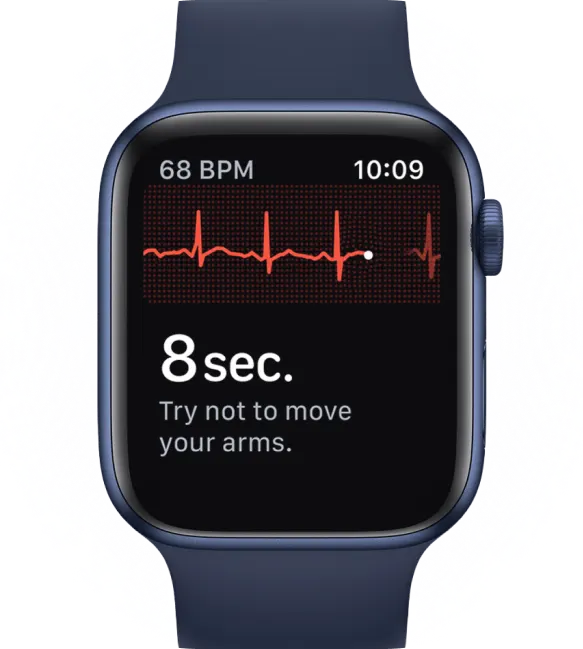
This is where tools you may already have, like a smartwatch with an ECG feature or a portable ECG device, can be incredibly helpful. Think of it as having a personal health dashboard right on your wrist.
How to Use Your Wearable for Peace of Mind
The goal here is to track trends over time, not to get anxious over every single heartbeat. A slower heart rate is exactly what ivabradine is supposed to do. Your job is to figure out what your new normal heart rate looks like while on the medication.
By taking regular ECGs and checking your resting heart rate, you can establish a new baseline. This data helps you and your doctor see if your heart rate is in a safe, expected range or if it's dipping too low. A sign of bradycardia that might need a second look.


Making Sense of Your ECGs
Seeing a slow heart rate on your watch might feel alarming, but that number alone doesn't tell the whole story. Is it just the medication doing its job, or is it something more? This is where getting an expert opinion can bring clarity and peace of mind.
Services like Qaly connect you with certified experts who can analyze your at home ECGs. You can get your smartwatch readings reviewed, often within minutes, to understand if what you’re seeing is an expected ivabradine side effect or a rhythm that requires medical attention.
This transforms a simple ECG strip from a piece of raw data into real, actionable insight. Instead of just a number, you get context from a human professional. For a deeper dive on using your device, check out our cardiologist's guide to the smartwatch ECG.
Walking into your doctor’s office with this kind of information is a game changer. You can show them a series of your ECGs, complete with expert interpretations, giving them a much clearer picture of how you're responding to ivabradine. This helps you have more productive conversations and ensures your treatment plan is perfectly tuned for your body, putting you in the driver's seat of your heart health.
Your Action Plan for Managing Side Effects
Starting a new medication can feel a little uncertain, but having a clear plan is the best way to feel in control of your health journey. This isn't just about passively waiting to see what happens. It’s about actively partnering with your doctor and paying close attention to your body's signals.
Let's walk through how you can build a simple but powerful action plan for managing any potential ivabradine side effects. It all starts with tracking what you feel.
Create a Simple Symptom Diary
One of the most useful things you can do is keep a symptom diary. This doesn't need to be fancy. A simple notebook or a notes app on your phone works perfectly. The goal is to jot down a few key details each day.
Tracking these specifics helps you and your doctor spot patterns that might otherwise be missed:
- What did you feel? Note any potential side effects you notice, like visual changes, lightheadedness, or feeling more tired than usual.
- When did it happen? Was it first thing in the morning, right after taking your dose, or during exercise?
- What was your heart rate? If you have a wearable, try to log your resting heart rate around the same time each day.
- What were you doing at the time? Did the feeling happen when you stood up quickly? Or were you just sitting on the couch?
This simple habit turns vague feelings into solid information. Instead of just saying, "I feel dizzy sometimes," you can tell your doctor, "I've felt dizzy three times this week, always in the morning about an hour after my medication, when my heart rate was around 48 bpm." That level of detail is incredibly helpful.
Communicating With Your Doctor
You know your body better than anyone. When you walk into an appointment with your symptom diary and ECG data, you’re no longer just a patient. You're a collaborator in your own care.
Presenting your tracked heart rate trends, along with any at home ECGs you’ve had reviewed by a service like Qaly, gives your doctor the full story. It helps ensure your experience is front and center, leading to a treatment plan that's truly right for you.
Don’t forget to talk about lifestyle factors, as small things can sometimes make a big difference. For instance, always discuss all supplements and over the counter drugs with your doctor, because some can interact with ivabradine. It's also worth knowing that things like grapefruit juice can change how your body processes the medication.
As you move forward with your treatment, understanding and managing medication side effects is a crucial part of the process.
Your Ivabradine Questions, Answered
As you start your journey with any new medication, it’s natural to have questions. We hear a lot of the same ones about ivabradine, so we’ve put together some answers to the most common concerns. Think of this as a starting point for a more informed conversation with your doctor.
Can I Have a Drink While Taking Ivabradine?
This is a question that comes up often. It’s smart to be careful with alcohol when you’re on ivabradine. Alcohol itself can play with your heart rate, and it might amplify side effects like dizziness or feeling lightheaded.
There's no single "yes" or "no" answer that fits everyone. The best and safest thing to do is have a frank discussion with your doctor. They can give you personalized advice based on your heart health and your overall treatment plan.
What’s Going on If I See Bright Flashes or Halos?
Seeing unexpected bright lights, flashes, or halos in your vision is a well known side effect of ivabradine. The medical term for this is phosphenes, and it’s actually quite common. For most people, it’s a temporary phenomenon as their body gets used to the medication and isn't a sign of danger.
That said, you should always bring it up with your doctor. If the visual changes become so distracting that they interfere with daily activities like reading or driving, it’s important to let your clinician know right away so they can figure out the best next step for you.
Will I Have to Take Ivabradine for Life?
How long you'll be on ivabradine really depends on why you're taking it and how your body responds. For many people managing chronic conditions like heart failure, it's often a long term part of their daily regimen.
Your doctor will regularly check in on your health and review your medications to make sure your treatment plan is still the right fit. It’s incredibly important that you never stop taking ivabradine suddenly or on your own. Always talk to your doctor before making any changes.
It’s also worth remembering that other medications can interact with ivabradine, sometimes in ways you wouldn't expect. For a deeper dive into this, check out our guide on drugs that cause QT prolongation, because understanding how your medications work together is a huge part of managing your heart health safely.

See how our team of cardiographic experts can read your at home ECGs and help you feel more confident in the conversations you have with your own doctor.



.png)
.png)