





Key Takeaways

User Profile
Hello Heart Hero. If you're reading this, you might be dealing with a new diagnosis, confusing symptoms, or a general worry about your heart. It can be an unsettling place to be, and our goal here is to give you clear, straightforward information to help you find your footing.
Your Journey with Myocarditis Starts Here
At its core, myocarditis is simply inflammation of the heart muscle. The easiest way to picture it is to think of a sprained ankle. When you twist your ankle, the muscle gets swollen, painful, and weak. It can't function properly and needs rest to heal. Your heart muscle, the myocardium, can go through a very similar process when it becomes inflamed.
This guide is meant to cut through the medical jargon and give you a solid understanding of what's going on. We get that many people feel skeptical or dismissed by the healthcare system today. It’s easy to feel like your concerns aren't being heard. We want to arm you with information so you can feel more in control.
Taking an Active Role in Your Health
Understanding what myocarditis is and how it affects your body is the first real step toward becoming an active partner in your own care. When you know what you’re dealing with, you can have more productive conversations with your doctors, ask smarter questions, and make better decisions about your own health.
This condition is much more than a textbook definition; it's a personal experience. Symptoms can be all over the map, from chest pain and deep fatigue to shortness of breath and heart palpitations. Because these signs can be subtle or mimic other issues, getting a clear picture is vital.
The path to healing begins with understanding. Knowing what myocarditis is empowers you to ask the right questions and advocate for the care you deserve, turning anxiety into action.
What This Guide Will Cover
We’ll walk you through everything from the most common causes of myocarditis to the diagnostic tests you might face. We'll explore:
- Causes and Triggers: Uncovering what can lead to heart muscle inflammation.
- Signs and Symptoms: Learning to recognize what your body might be telling you.
- Diagnosis and Treatment: Demystifying the medical process, from tests to recovery.
- Monitoring at Home: Using technology like wearable ECGs to keep an eye on your heart's health between appointments.
This isn't about trying to diagnose yourself. It's about building a framework of knowledge so you can navigate your interactions with medical professionals more confidently. You are the most important member of your care team, and this guide is here to support you on your journey.
What Causes Myocarditis?
Figuring out what causes myocarditis can feel like detective work. The core problem is almost always an over-the-top immune response, but a wide range of things can trigger it. The goal isn't to diagnose yourself, but to arm yourself with knowledge so you can have a more productive conversation with your doctor about what might be going on.
The single most common trigger for myocarditis is a viral infection. It's a classic case of friendly fire. When you get sick with something like the flu, a common cold, or COVID-19, your immune system mounts a massive defense. But sometimes, in its effort to fight the virus, it can mistakenly attack your heart muscle, causing inflammation.
This isn't just a handful of rare cases, either. Data from the Global Burden of Disease study shows a troubling trend. In 1990, there were an estimated 780,400 new cases of myocarditis worldwide. By 2019, that number had shot up to over 1.26 million, a 62% increase. While some of this is due to a growing and aging population, it shows just how significant this condition is becoming. You can dive deeper into these myocarditis trends in the full study on jmir.org.
Beyond the Usual Suspects
While common viruses like adenovirus, coxsackievirus, and SARS-CoV-2 get most of the attention, the list of potential culprits is surprisingly long.
- Bacterial Infections: Though not as frequent, bacteria can also set off myocarditis. This can happen as a complication from serious illnesses like diphtheria, Lyme disease, or even endocarditis (an infection of the heart's inner lining).
- Autoimmune Conditions: Sometimes, the body's own defense system gets its signals crossed and attacks healthy tissue. In conditions like lupus or sarcoidosis, the immune system can wrongly target the heart muscle, leading to chronic inflammation.
- Medications and Other Substances: Your heart can also react negatively to things you introduce into your body. Certain drugs, including some used for chemotherapy or antipsychotics, have been linked to myocarditis as a rare side effect. Illicit substances, heavy alcohol use, and even exposure to some environmental toxins or heavy metals can also be triggers.
What About Vaccine-Associated Myocarditis?
You've probably heard myocarditis mentioned in discussions about mRNA vaccines. It's important to understand the facts here. Yes, myocarditis can be a side effect, but it's a very rare one. It happens when the vaccine does its job of activating the immune system, but that activation spills over and causes inflammation in the heart.
Myocarditis after an mRNA vaccine is an uncommon event, seen most often in younger males after their second dose. It's crucial to remember that the risk of getting myocarditis from the COVID-19 infection itself is roughly 10 times higher than from the vaccine.
The good news is that most of these vaccine-related cases are mild. They typically resolve on their own with rest and careful medical follow-up.
Knowing these different pathways to myocarditis helps you and your doctor connect the dots in your health history. It’s the first big step toward getting a clear picture and finding the right path to recovery.
Recognizing the Signs and Symptoms of Myocarditis
Listening to your body is one of the most powerful things you can do for your heart health. When it comes to myocarditis, the signals can be tricky. Sometimes they're subtle, and other times they feel just like the flu or even a bad bout of stress.
The goal here isn't to cause alarm. It's to help you recognize when something feels off so you can take the right steps. The challenge with myocarditis is that its symptoms aren't always dramatic or unique; they can vary a lot from person to person, depending on the cause and severity of the inflammation. For some, the signs are so mild they're barely noticeable, while for others, they're much more serious. This is why tuning into your body is so critical.
The Most Common Heart-Related Clues
When your heart muscle gets inflamed, it just can't pump as well as it should. This slowdown often triggers a few key symptoms that act as your body's built-in warning system.
- Chest Pain: This is a classic symptom of myocarditis. It might feel like a sharp or stabbing pain, or it could be more of a dull, persistent ache or pressure in your chest. Sometimes, the discomfort gets worse when you take a deep breath or lie down.
- Heart Palpitations: This is that unnerving sensation of your heart fluttering, racing, pounding, or skipping beats. An inflamed heart muscle can disrupt the heart's normal electrical rhythm, leading to these feelings. You might notice a brief flutter or a more sustained rapid heartbeat that just doesn't match your activity level.
- Shortness of Breath: This is another major red flag. You might find yourself getting winded from simple activities that used to be a breeze, like climbing stairs or carrying in the groceries. In more severe cases, you could feel short of breath even when you're resting. This happens because the inflamed heart is struggling to pump oxygen-rich blood to the rest of your body. To learn more, you can check out our guide on what causes shortness of breath for a deeper dive.
When Symptoms Go Beyond the Heart
Since myocarditis often develops after a viral illness, it's really common to have symptoms that feel a lot like the flu. This overlap can make it hard to figure out what’s actually going on, which is why looking at the whole picture is so important.
Myocarditis often hides behind flu-like symptoms. Persistent, extreme fatigue that doesn’t improve with rest, combined with any chest pain or shortness of breath, should be taken seriously. It's your body's way of saying something more is happening.
Think about these other signs that can show up:
- Persistent Fatigue: We're not talking about just feeling a little tired. This is a deep, profound exhaustion that doesn't go away, even with a good night's sleep. It's a feeling of being completely drained, which can be a sign your body is in overdrive fighting inflammation.
- Swelling (Edema): You might notice puffiness or swelling in your legs, ankles, and feet. This happens when a weakened heart can't pump blood efficiently, causing fluid to back up and collect in your lower body.
- General Flu-like Feelings: Don't dismiss symptoms like a fever, body aches, joint pain, a headache, or a sore throat. These can absolutely go along with myocarditis, especially when a virus is the underlying cause.
It's so important to trust your gut. While any one of these symptoms could be caused by something else, a combination of them, especially chest pain, shortness of breath, or fainting, is a clear signal to get medical help right away. You know your body better than anyone. If something feels wrong, it’s always best to get it checked out.
How Doctors Diagnose Myocarditis and What to Expect
When you're faced with concerning heart symptoms, getting a grip on how a diagnosis is made can make everything feel a lot less scary. If your doctor suspects myocarditis, they won't just run one test and call it a day. Instead, think of them as detectives, carefully gathering clues from different sources to build a complete picture of your heart's health.
This diagnostic journey is a methodical, step-by-step process. Each test offers a unique piece of the puzzle, helping your doctor confirm that inflammation is present and, just as importantly, rule out other potential causes. Knowing what’s coming can help you feel more prepared and in control.
Starting with Blood Tests
The first step in investigating potential myocarditis is almost always a blood draw. Doctors are on the lookout for specific red flags that point to stress or injury in the heart muscle.
- Cardiac Biomarkers: The most critical of these are cardiac troponins. When your heart muscle cells become damaged or inflamed, they leak this protein into your bloodstream. Seeing elevated troponin levels is a strong signal that something is directly impacting your heart. You might find it helpful to learn more about what high troponin levels mean for your heart.
- Inflammatory Markers: Your doctor will also check for general signs of inflammation circulating in your body, like C-reactive protein (CRP) and erythrocyte sedimentation rate (ESR). These aren't specific to the heart, but high levels tell your doctor that your body is definitely in battle mode, fighting inflammation somewhere.
Looking at Your Heart's Electrical Activity
Next up, you can expect an electrocardiogram (ECG or EKG). This is a quick, painless test that listens in on the electrical signals that orchestrate your heartbeat. It’s like tapping into your heart’s internal communication network.
When the heart muscle is inflamed, it can disrupt these delicate electrical pathways. This can show up as abnormalities on the ECG. Your doctor will be scanning for specific patterns that hint at myocarditis, such as irregular heart rhythms (arrhythmias), signs of strain on the heart muscle, or even patterns that can look like a heart attack.
Seeing the Heart in Action with Imaging
To get a direct look at your heart's structure and how it's functioning, your doctor will turn to imaging tests. These are absolutely vital for confirming a myocarditis diagnosis.
An echocardiogram is essentially an ultrasound for your heart. It uses sound waves to create a live, moving picture. This allows doctors to see how well your heart’s chambers and valves are working and can reveal if the inflammation has weakened the heart's ability to pump blood effectively.
A cardiac MRI (cMRI) is often seen as the gold standard for diagnosing myocarditis without an invasive procedure. This powerful imaging test gives incredibly detailed pictures of your heart muscle. It can directly pinpoint areas of inflammation, swelling, and scarring, providing some of the most definitive evidence of myocarditis.
The medical community's increasing awareness and enhanced ability to diagnose myocarditis is reflected in market data. The global myocarditis market is expected to grow significantly by 2030. This expansion is partly due to improved detection methods and greater awareness. You can explore the full research on the myocarditis market on researchandmarkets.com to understand more about this trend.
Using Your Wearable ECG to Monitor Your Heart at Home
That smartwatch on your wrist is more than just a fitness tracker. It can be a powerful ally in understanding your heart’s behavior, especially when you're navigating a condition like myocarditis. Using it the right way can help turn moments of uncertainty into clear, actionable information you can share with your doctor.

When you feel a strange flutter or a palpitation, capturing that exact moment with an ECG is incredibly valuable. This isn't about diagnosing yourself, it’s about collecting data. That data gives you and your doctor a clear picture of what was happening, providing the perfect starting point for a productive conversation.
How to Take a Clean ECG Reading
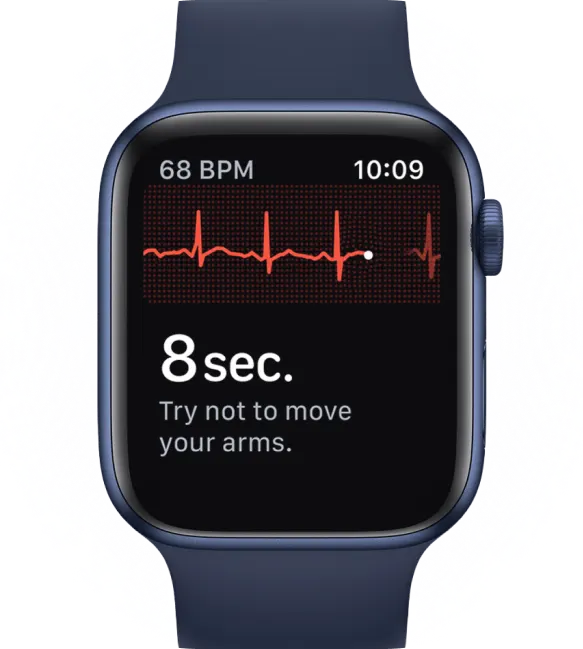
Getting a high-quality ECG from your wearable is the first step to getting useful information. A "noisy" or messy reading can hide what's really going on with your heart's electrical rhythm. Here are a few simple tips to get the best recording possible:
- Be Still and Relaxed: Find a quiet spot and sit down. Take a moment to calm your body and breathe normally before you start. Any movement, even talking, can create interference or "noise" in the ECG trace.
- Support Your Arm: Rest the arm that has your watch on a flat surface, like a table or even just your lap. This simple trick helps prevent tiny muscle tremors from scrambling the electrical signal.
- Ensure Good Contact: Follow your device’s instructions to the letter. Whether you’re touching a digital crown or a metal bezel, make sure your contact is firm and steady for the whole recording, which usually takes about 30 seconds.
Following these steps helps you produce a clean, readable ECG strip. This makes it much easier for you and your doctor to spot any real irregularities that might be related to myocarditis.


What to Look For on Your ECG
When you’re monitoring your heart during or after myocarditis, you're not trying to become a cardiologist overnight. Instead, your goal is to spot any changes from your personal baseline. Think of yourself as a detective, looking for clues that are new or different for you.
- New or More Frequent Irregular Beats: It’s not uncommon for people to have occasional premature ventricular contractions (PVCs) or premature atrial contractions (PACs), which can feel like a skipped beat or a thump. If you suddenly notice them happening much more often, that's something to record and share.
-samsung.webp)
- Changes in Heart Rate: Keep an eye out for a resting heart rate that is consistently faster (tachycardia) or slower (bradycardia) than your usual normal.

- Rhythm Changes: Look for any new patterns. Does your heartbeat feel chaotic or consistently erratic when it used to be steady and regular? Capturing an ECG of this is incredibly helpful.
These recordings become a digital diary of your heart's activity, giving your doctor a window into what you experience between appointments. For a deeper dive into making sense of your device, A Cardiologist's Guide to the Smartwatch ECG is an excellent resource.
Your wearable ECG transforms a vague feeling like "my heart felt weird" into a concrete piece of data. This single strip can provide your doctor with more actionable information than a lengthy verbal description.
This is where a service like Qaly can be an invaluable tool for peace of mind and proactive monitoring. Instead of losing sleep over what an unusual ECG might mean, you can have it reviewed by a certified expert, right from your phone.
They deliver a human-reviewed report that explains what your ECG shows in clear, easy-to-understand language. This analysis includes crucial heart measurements like your PR, QRS, and QTc intervals. These numbers might sound technical, but they are vital indicators of your heart's electrical function. Having these metrics tracked over time helps create a clear story of your heart’s recovery, empowering you to be an active partner in your own care.
Your Path to Recovery and Treatment
Getting a myocarditis diagnosis can feel scary and overwhelming, but for most people, the outlook is positive. It's not the end of the road, it's the start of your healing journey. The main goals are simple: give your heart the support it needs to recover and tackle the root cause of the inflammation.
Think of your heart like a sprained muscle. It needs dedicated rest and care to heal properly. Your doctor will lay out a plan focused on taking the strain off your heart, giving it the time and space it needs to mend. Following your medical team's advice is the best way to protect your heart from long-term damage and set yourself up for a strong recovery.
The Cornerstones of Myocarditis Treatment
At its core, myocarditis treatment is all about rest and medication. This powerful combination works to calm the inflammation and support your heart while it heals itself.
Your treatment plan will likely involve a few key things:
- Medications to Reduce Strain: Doctors often prescribe medications like ACE inhibitors or beta-blockers. These help relax your blood vessels and slow your heart rate, which basically gives your heart a much-needed break from working so hard.
- Controlling Inflammation: Depending on what caused your myocarditis, you might get anti-inflammatory medications. These go right to the source, targeting the swelling in your heart muscle to dial down the immune response causing the problem.
- Managing Irregular Rhythms: If the inflammation is messing with your heart’s electrical system, you may need medication to keep your heartbeat steady. This helps prevent those unnerving palpitations and more serious arrhythmias.
Rest isn't just a casual suggestion; it's a vital prescription. Pushing yourself with strenuous activity puts extra strain on your inflamed heart, which can make things worse. Your doctor will give you clear rules on activity limits, and sticking to them is one of the most important things you can do to get better.
Taking It Slow: Getting Back to Your Routine
As you start feeling better, it’s completely natural to want to jump right back into your normal life. But returning to your routine, especially exercise, has to be a slow and careful process guided by your doctor. You'll need follow-up tests, like an echocardiogram, to make sure your heart has fully healed before you get the green light for physical activity.
This recovery period is a test of both physical and mental strength. And when your doctor finally gives you the okay, you can explore gentle and safe ways to get moving again with our guide on cardiac rehab exercises you can do at home.
It's also worth noting that myocarditis doesn't affect everyone the same way. Globally, the prevalence in 2019 was about 9.1 cases per 100,000 people. But in some places, the numbers are much higher. For example, in Southeast Asia, the rate was 17.87 per 100,000, and in high-income Asia Pacific areas, it reached 19.36. In Japan, that number even climbed to 31.52 by 2021. This just goes to show how important accessible monitoring and awareness are, no matter where you are in the world.
Frequently Asked Questions About Myocarditis
A myocarditis diagnosis can feel overwhelming, leaving you with a storm of questions and concerns. It's easy to feel lost while trying to find clear, straightforward answers. We’ve put together this section to tackle some of the most common questions we hear, aiming to provide some clarity and peace of mind.
Can Myocarditis Go Away On Its Own?
This is a very common and hopeful question. The good news is that in many mild cases, particularly those brought on by a virus, myocarditis can and does resolve on its own. Your body’s immune system essentially wins the fight, and the inflammation gradually subsides.
But, and this part is crucial, you should never assume it will clear up without a doctor’s supervision. Professional medical guidance is vital to support your heart as it heals. It also allows your doctor to spot any potential complications before they turn into bigger problems. Following your doctor's plan for rest and treatment is the best way to ensure a full recovery.
Is It Safe to Exercise with Myocarditis?
The answer here is a clear and firm no. It is not safe to exercise while you have active myocarditis. Any physical activity puts extra stress on your heart. When the heart muscle is already inflamed and weak, that strain can make the situation much worse.
Think of it this way: you wouldn't run a marathon on a sprained ankle. Exercising with an inflamed heart increases the risk of serious complications, including dangerous heart rhythms (arrhythmias) or lasting muscle damage.
Rest isn't just a suggestion; it's a prescribed part of the treatment. You should only return to physical activity slowly and carefully, and only after your doctor has given you the explicit green light. This typically happens after follow-up tests have confirmed your heart has healed.
How Is Myocarditis Different from a Heart Attack?
While symptoms like chest pain can sometimes feel similar, myocarditis and a heart attack are fundamentally different conditions. A heart attack is a plumbing problem. It's usually caused by a blockage in a coronary artery that suddenly cuts off blood flow, causing heart tissue to die from a lack of oxygen.
Myocarditis, on the other hand, is a widespread inflammation problem. It’s not about a blockage. Instead, it’s an inflammatory reaction within the heart muscle itself, often triggered by your own immune system. Doctors can tell the difference quickly using tools like an ECG and blood tests that search for specific markers of heart injury.

With Qaly, you can get your wearable ECGs reviewed by certified experts in minutes, right from your phone. Turn confusing data into clear, actionable insights and gain peace of mind between doctor visits.



.png)
.png)